Welcome, students, to another session of profound Kemetic wisdom. Today, Seba Khafre will guide us through a concept central to how we understand truth and knowledge itself.
In our pursuit of Ma'at, balance and cosmic order, it is essential to understand not just what we know, but how we come to know it. This is the essence of epistemology.
Ancient Kemet offered a unique and powerful framework for understanding knowledge, one that begins with two fundamental forces: Sia and Hu.
Let us first explore Sia. Sia represents the power of perception, discernment, and understanding. It is the divine intelligence that allows us to see, to grasp, to comprehend.
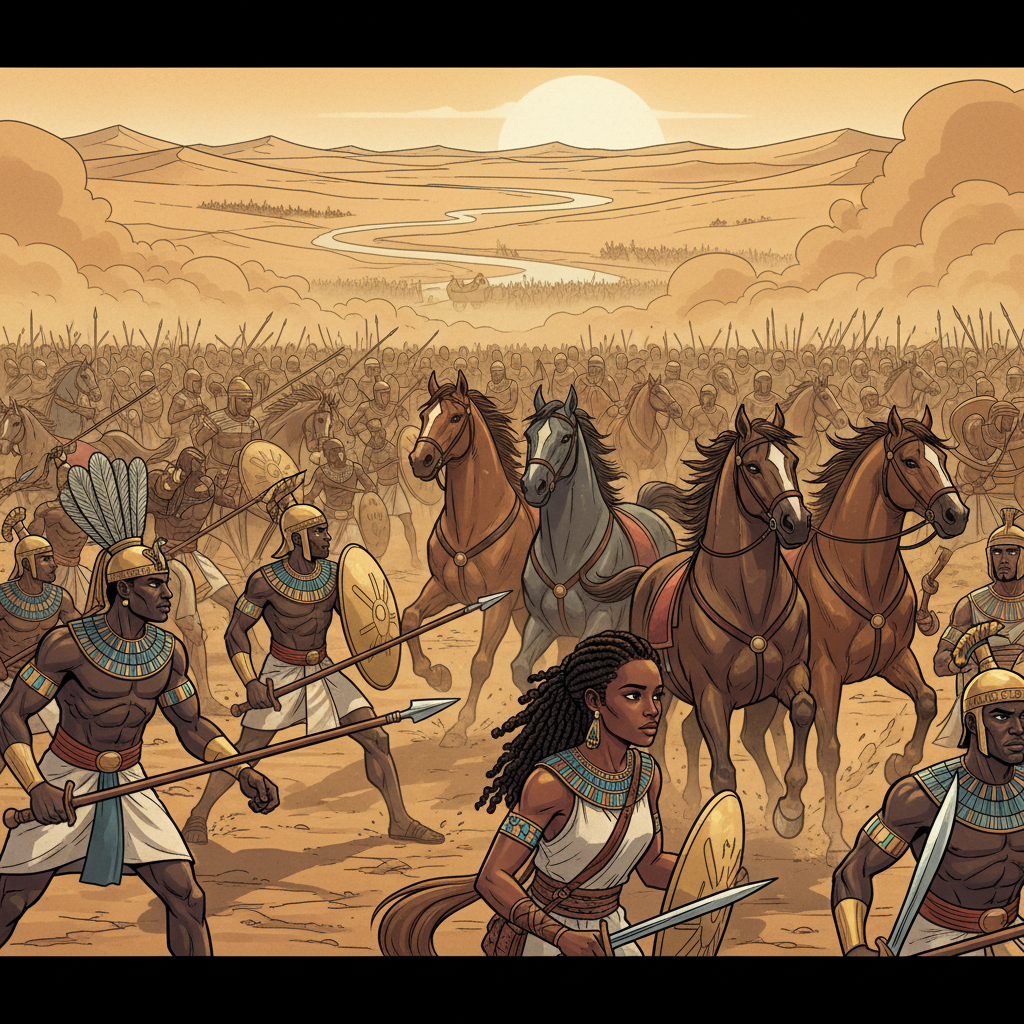
Think of Sia as your inner eye, the ability to gain insight, to intuit the truth of a situation beyond mere surface appearance. It is profound comprehension.
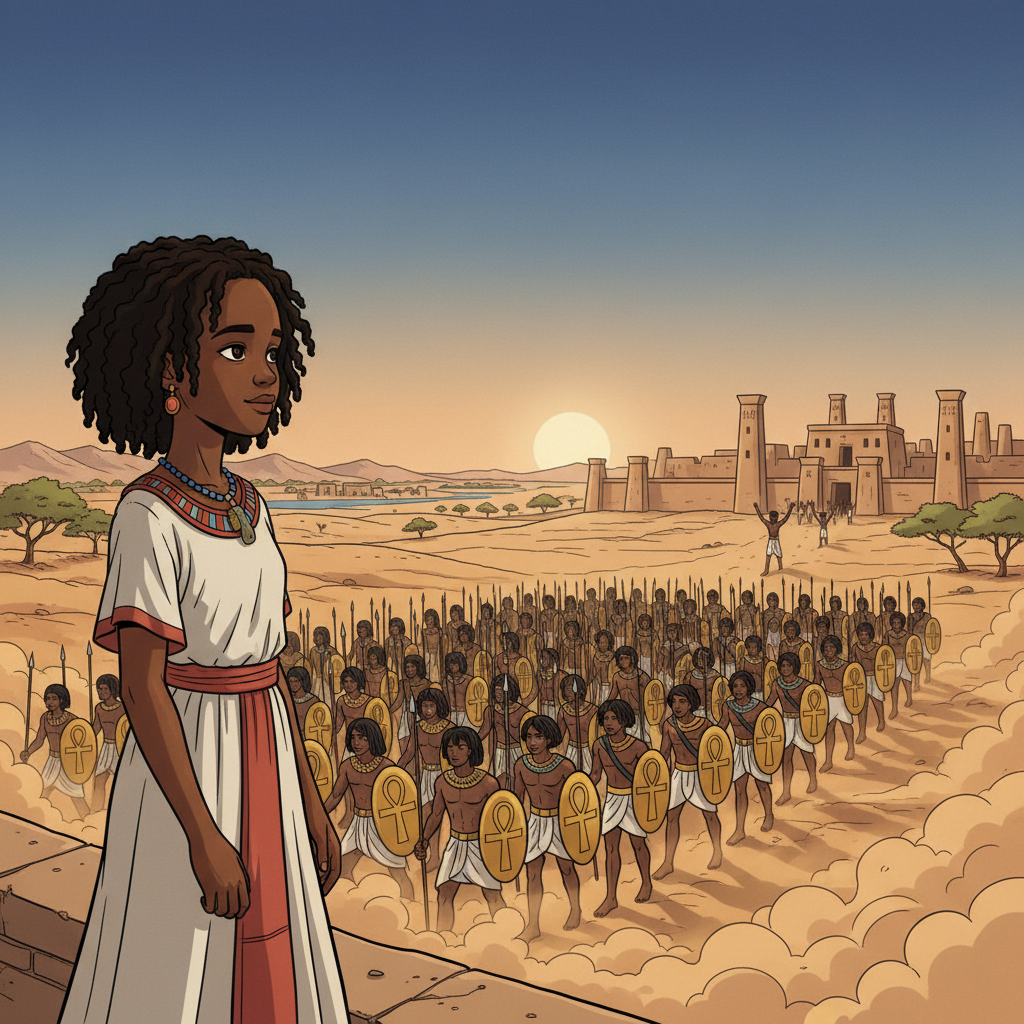
Sia is not just seeing with your physical eyes, but perceiving with your mind and spirit. It is the capacity to recognize patterns, to grasp complex ideas, to know what is true.
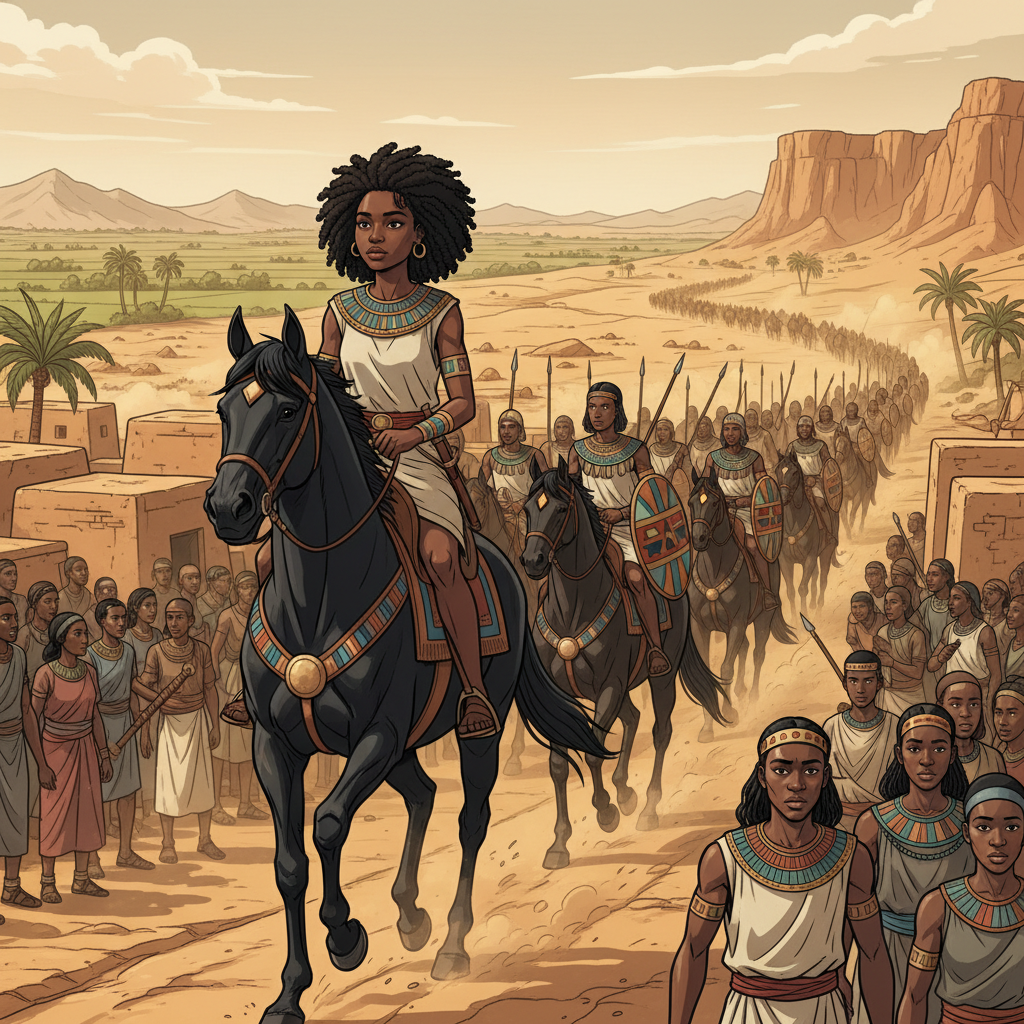
Now, let us turn to Hu. If Sia is the power to perceive, then Hu is the power of authoritative utterance, the creative word, the command that brings things into being.
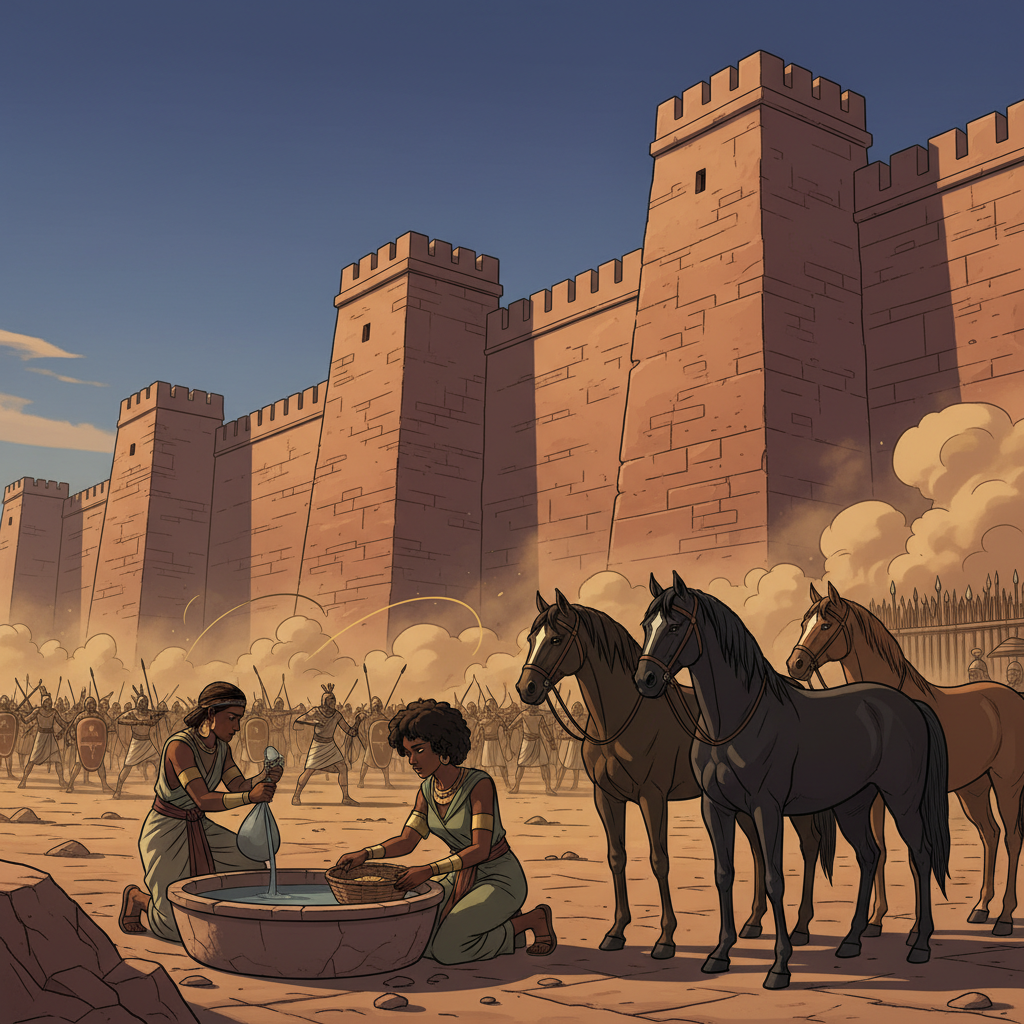
Hu is the declaration that makes manifest what Sia has perceived. It is speaking with such conviction and truth that your words carry weight and influence reality.
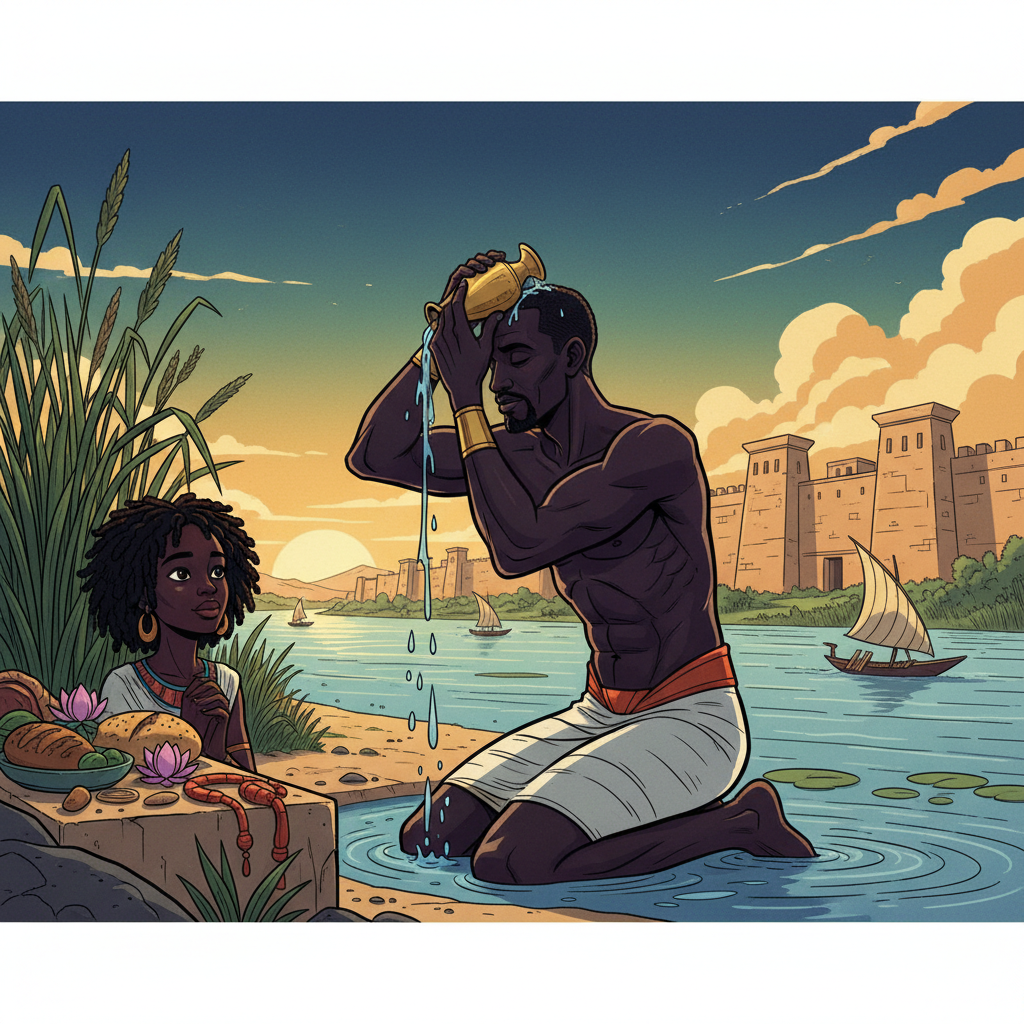
In Kemet, Hu was considered a divine force, the very power by which the Creator spoke the world into existence. It is the ability to articulate truth with impact.
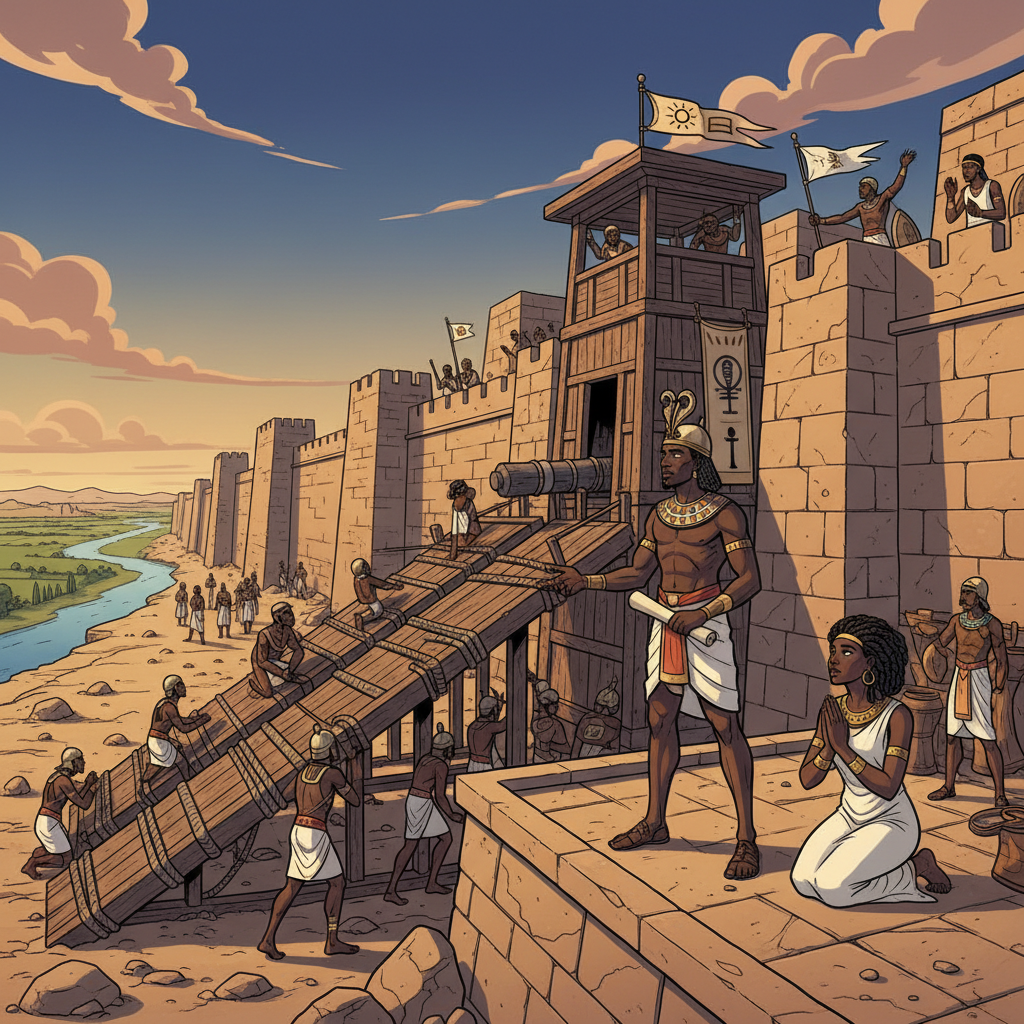
These two forces, Sia and Hu, are not separate but intimately connected. One cannot fully exist without the other in the pursuit of genuine knowledge.
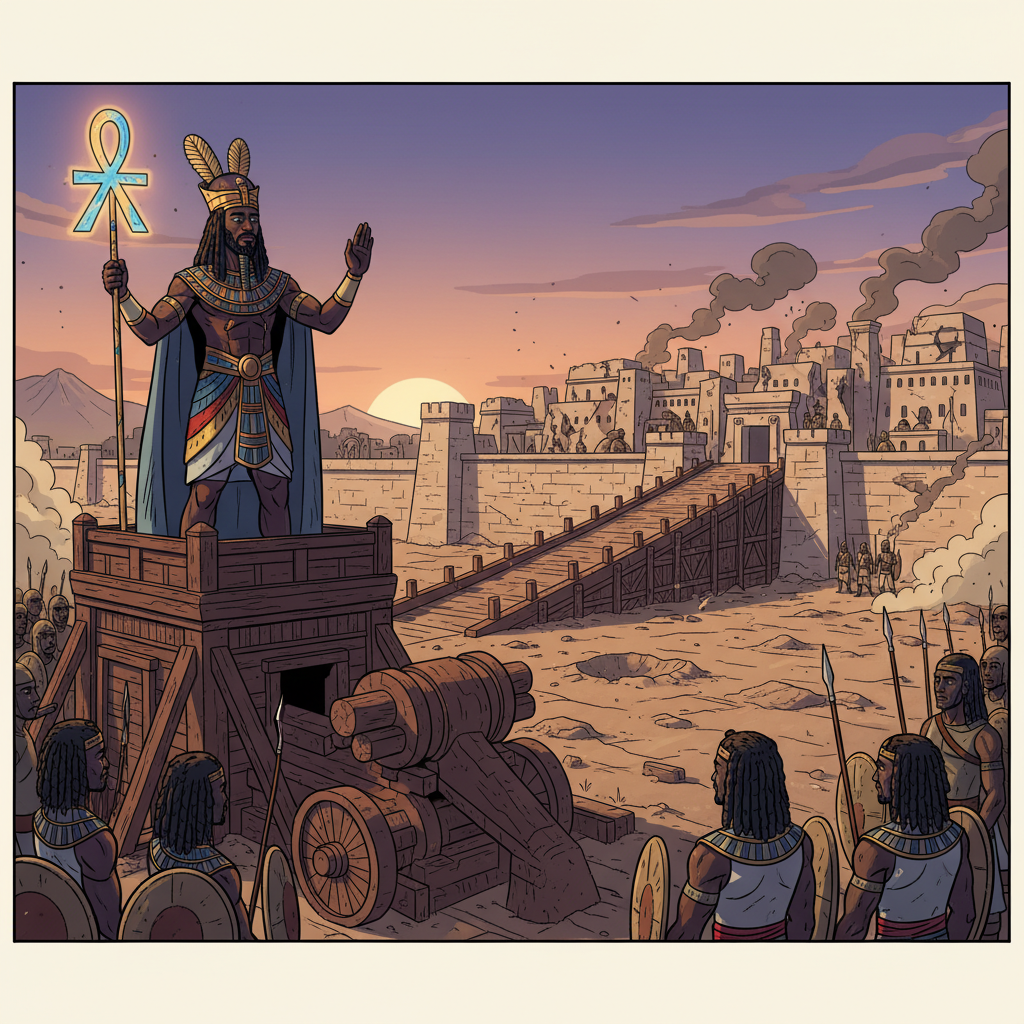
Sia provides the clear understanding, the wisdom. Hu then gives form and power to that understanding through spoken word, through action, through creation.
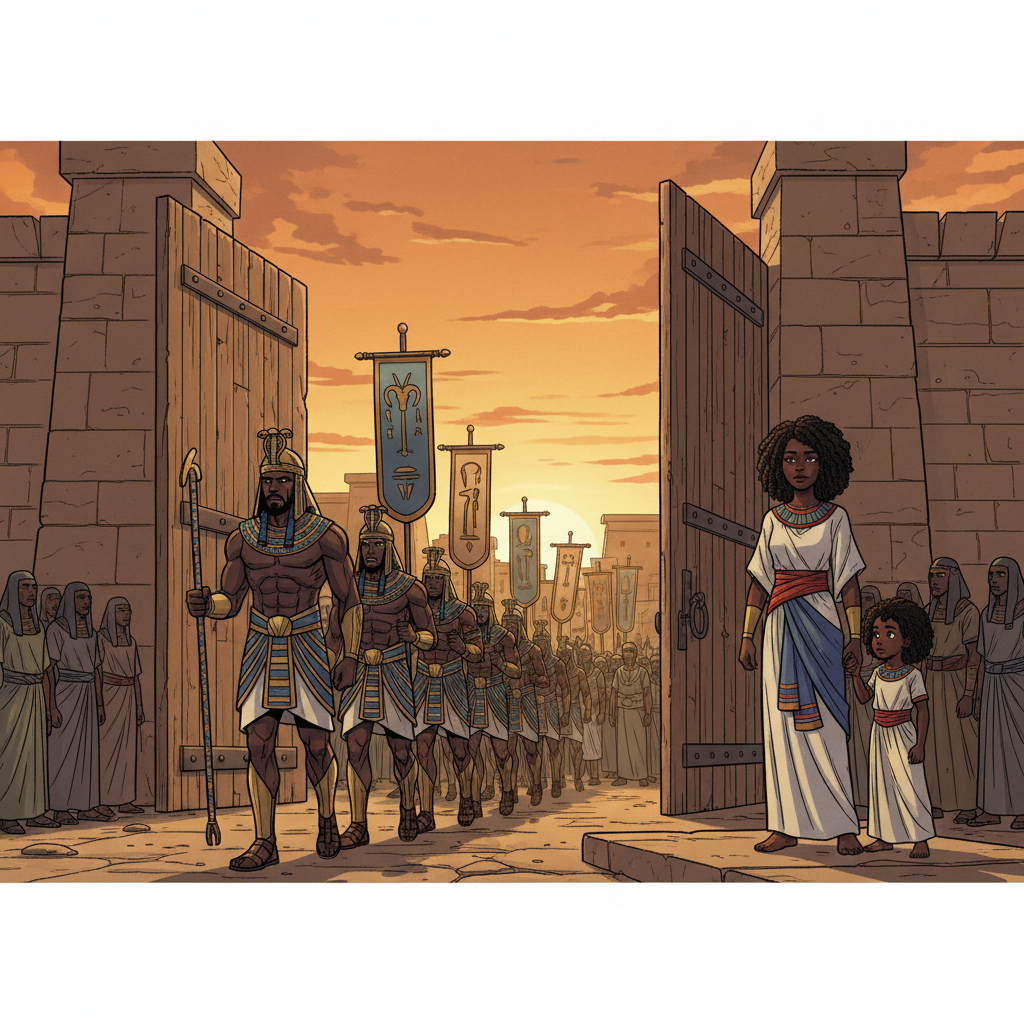
It is this dynamic interplay between Sia and Hu that forms the bedrock of Kemetic epistemology, offering a holistic model for how we acquire and express knowledge.
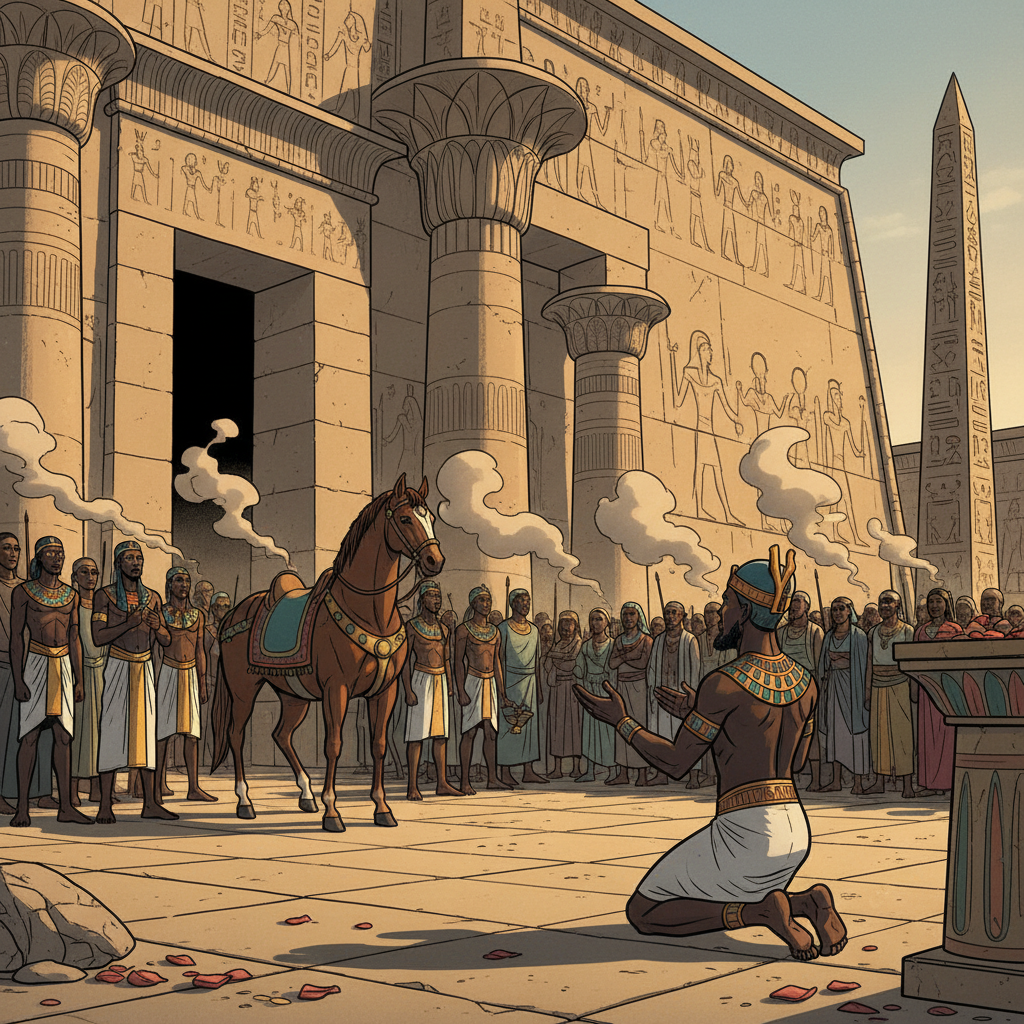
This profound wisdom was not merely philosophical speculation. It guided the builders, the scribes, the healers, and the rulers of Kemet in their daily practices.
For too long, the origins of epistemology have been wrongly attributed solely to ancient Greece. But Kemet, with Sia and Hu, predates and informs much of this thinking.

The genius of ancient Africans in understanding the nature of knowing and speaking truth is a legacy that we must reclaim and appreciate.
Modern scholars, such as Cheikh Anta Diop, dedicated their lives to uncovering and presenting these African contributions to world civilization.
Théophile Obenga, another brilliant mind, further illuminated the linguistic and philosophical roots of Sia and Hu, confirming their central role in Kemetic thought.
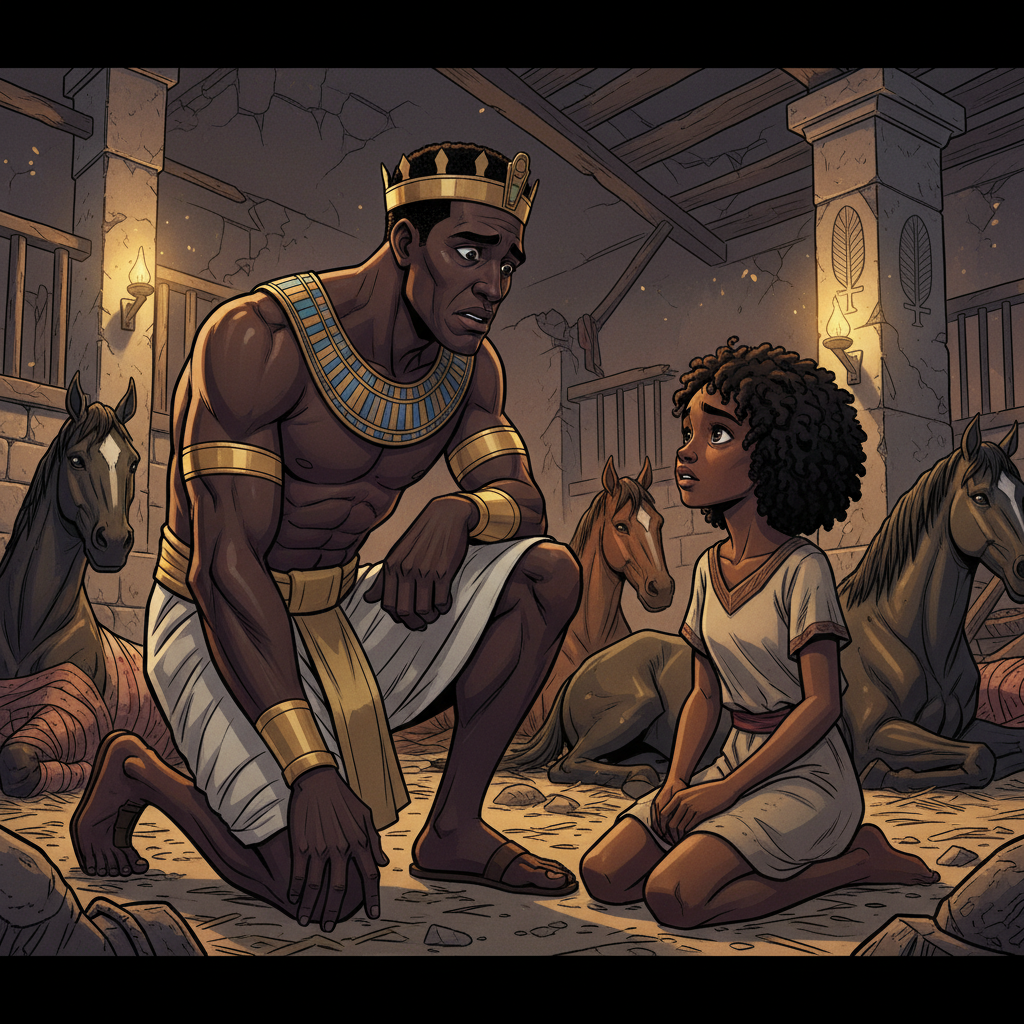
Through their meticulous research, Diop and Obenga demonstrated that concepts like Sia and Hu are not mere mythology but sophisticated philosophical tools.
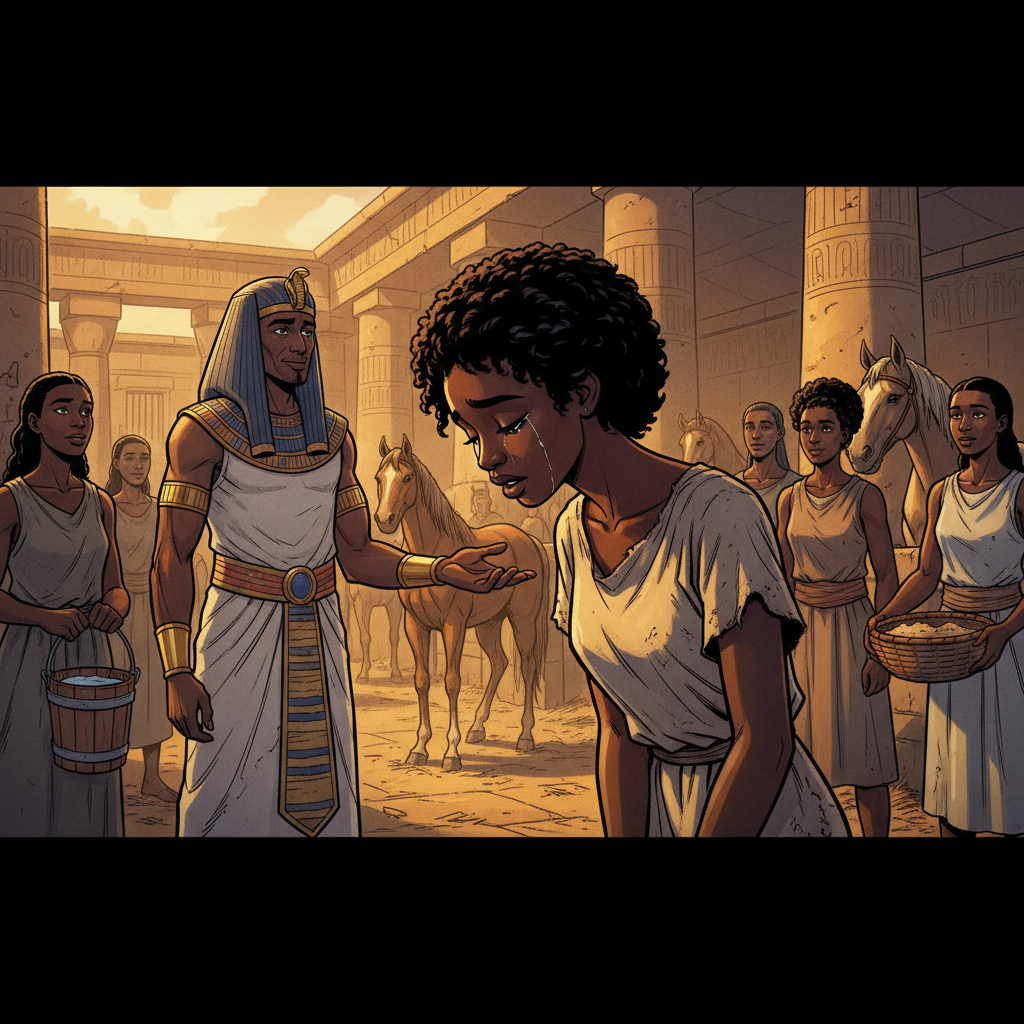
So, how can you, as young learners, cultivate your Sia and Hu in your own lives today? It begins with conscious practice.
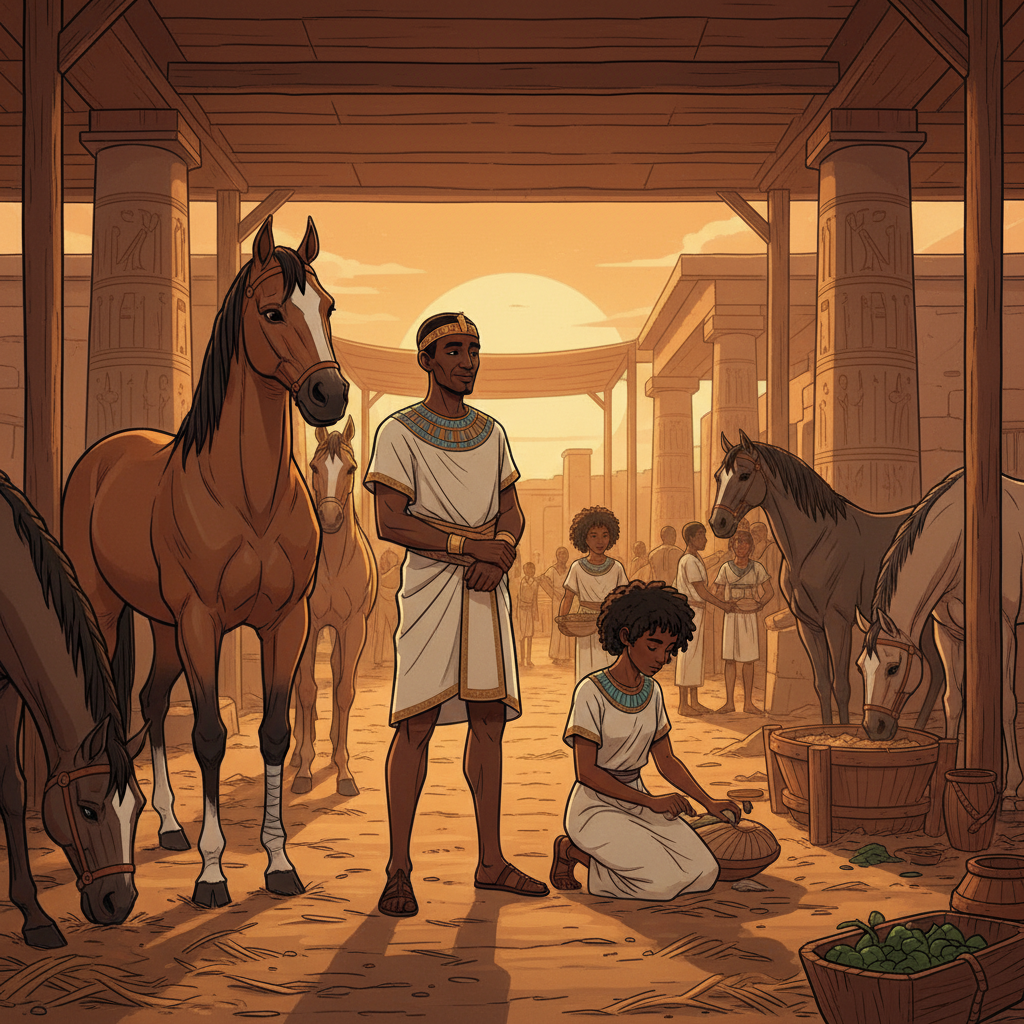
To strengthen your Sia, observe carefully, listen deeply, and reflect before jumping to conclusions. Seek to truly understand.
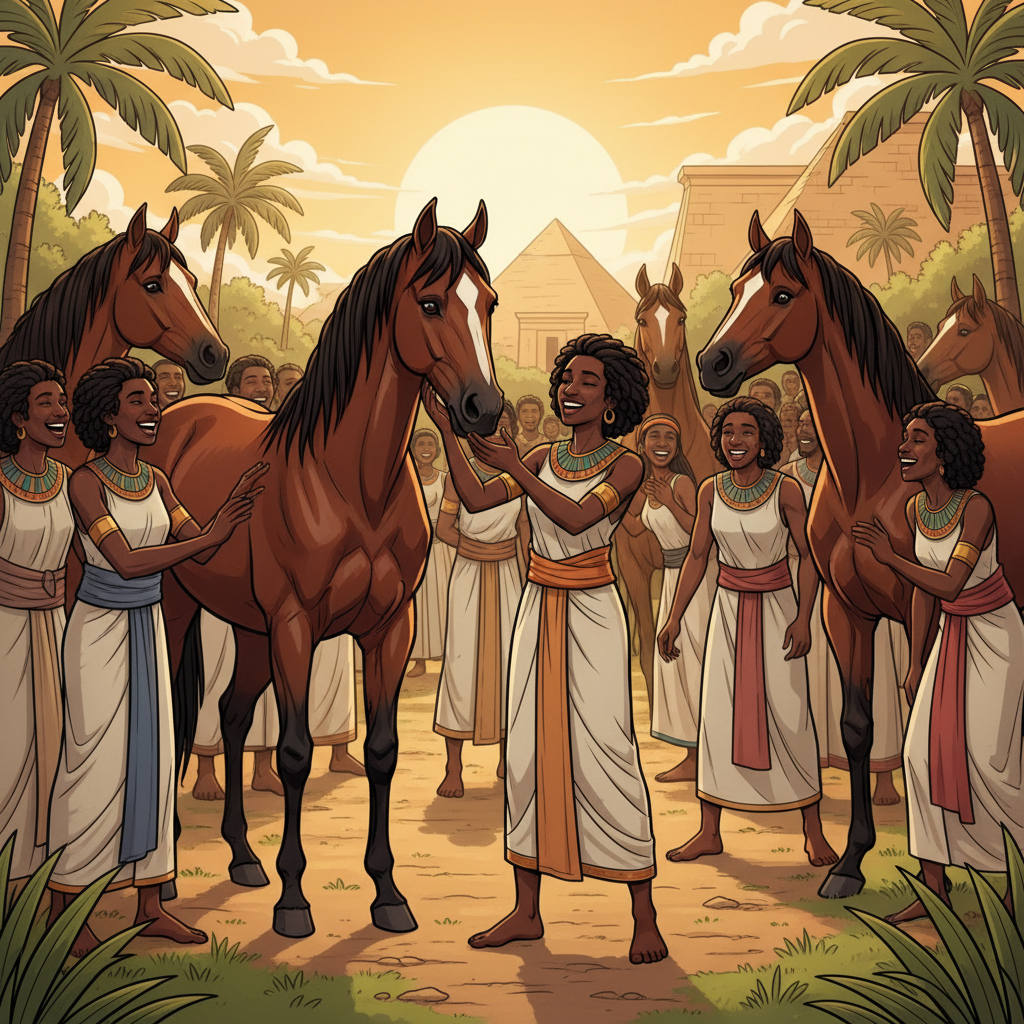
To empower your Hu, speak with integrity, purpose, and impact. Let your words be a reflection of your deepest understanding, guiding others towards truth.

Remember, Sia and Hu are your birthright, powerful tools to navigate the world, to seek truth, and to contribute to the ongoing realization of Ma'at.