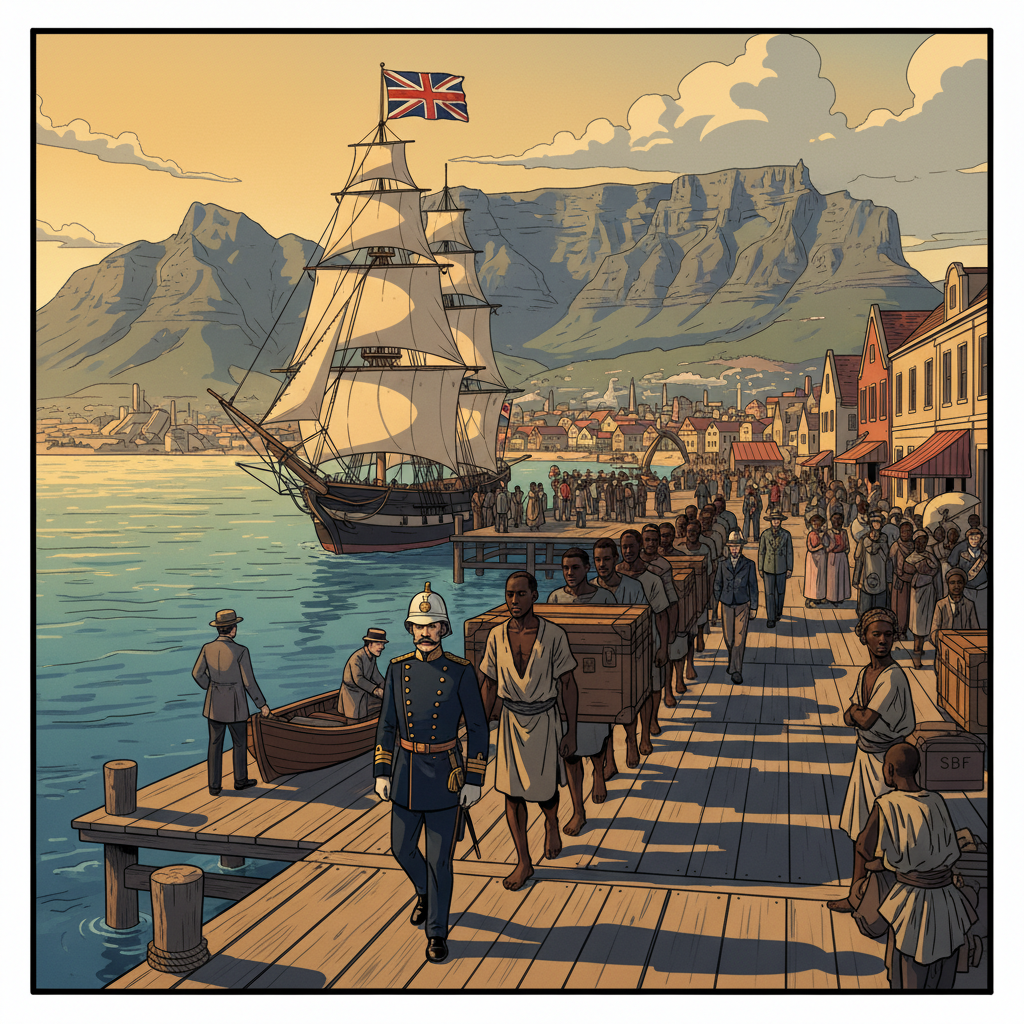
To understand why the British Empire decided to destroy the Zulu kingdom in 1879, you must first understand what the British were building in southern Africa — and why an independent African state standing in the center of their plans was intolerable to them. Sir Bartle Frere arrived in Cape Town in March 1877 as High Commissioner for Southern Africa with a vision so grand it required the erasure of every African sovereignty in the region. His plan was confederation: a single British dominion stretching from the Cape to the Limpopo, incorporating the Boer republics, the African kingdoms, and every scrap of productive land between the two oceans. It was a plan drawn in London by men who had never set foot on African soil, approved by a Colonial Secretary named Lord Carnarvon who believed — with the absolute certainty of a man who had never questioned his own assumptions — that British rule was a gift to the peoples it consumed.
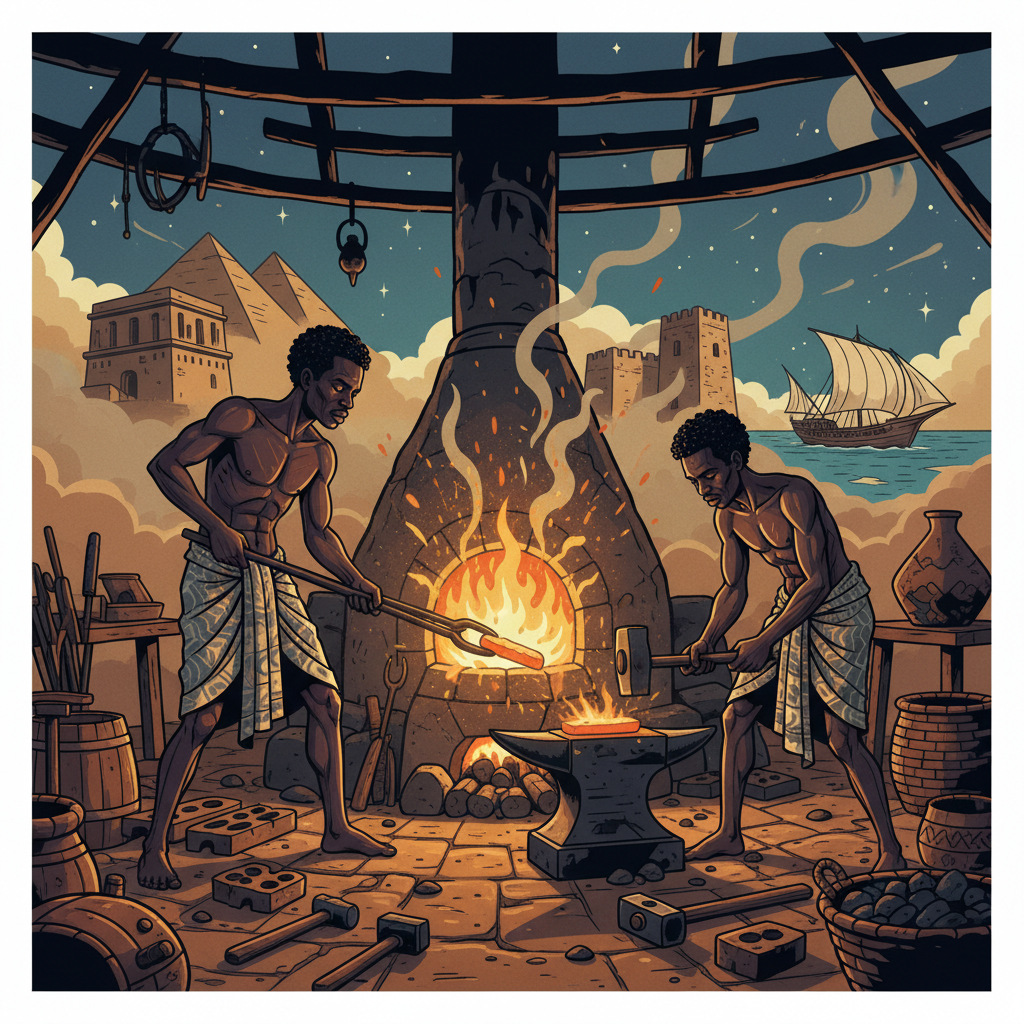
The intellectual framework that justified this plan was one of the great moral obscenities of human history. By the 1870s, European racial pseudo-science had constructed an elaborate mythology asserting that Africans were inherently incapable of self-governance and that European colonization was therefore a moral duty — the "civilizing mission" that every colonial power invoked to disguise theft as charity. This mythology required willful ignorance of African history on a staggering scale. It required pretending that the pyramids of Giza, the libraries of Timbuktu, the iron-smelting furnaces of the Great Lakes region, the stone cities of Great Zimbabwe, and the maritime trade networks of the Swahili coast either did not exist or were built by someone other than Africans. Cheikh Anta Diop spent his entire career demolishing this mythology, and his work remains essential reading for anyone who wants to understand the lies that were told to justify what happened to Cetshwayo.
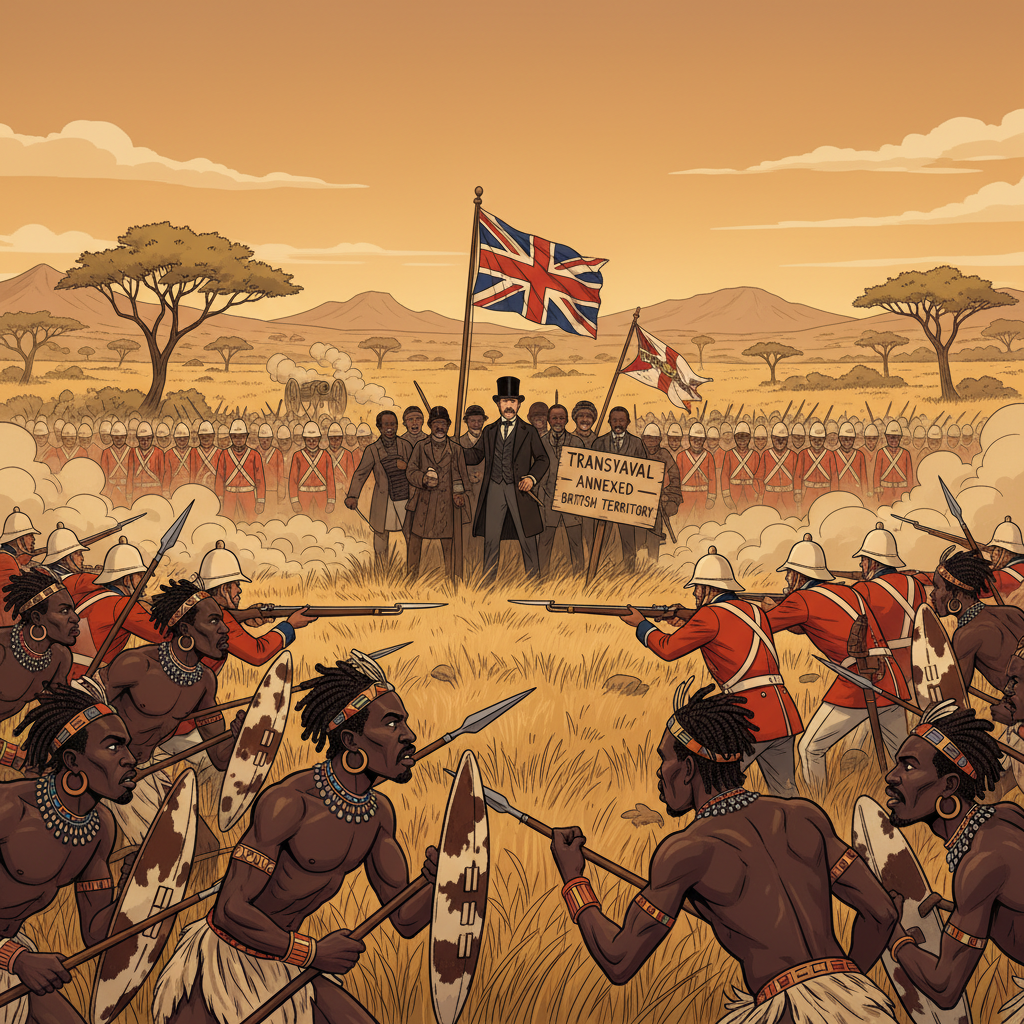
The specific obstacles to Frere's confederation plan were the Boer republics and the Zulu kingdom. The Boers — descendants of Dutch settlers who had trekked inland to escape British authority — were dealt with first. In April 1877, Shepstone simply annexed the Transvaal Republic, walking into Pretoria and declaring it British territory. The Boers, disorganized and in financial crisis, did not resist immediately, though they would fight back later with devastating effectiveness in the First Boer War. The Zulu kingdom was a different problem entirely. It was militarily powerful, internally unified under Cetshwayo's skilled governance, and its people had no interest whatsoever in becoming British subjects. Moreover, the Zulu had done nothing to justify invasion. They had not attacked British territory. They had not violated any treaty. They had simply continued to exist as an independent nation.
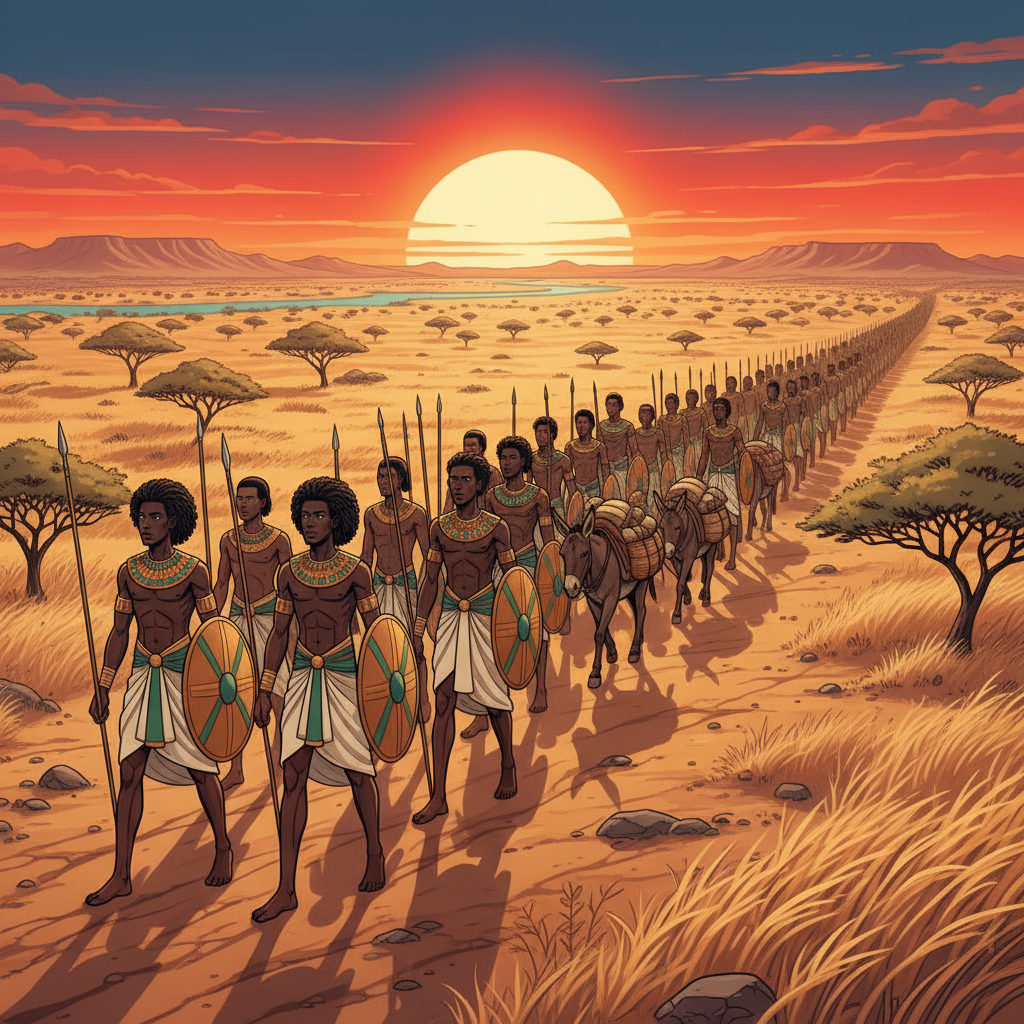
Frere's solution was to manufacture a case for war — and the process by which he did this should be studied by every person who wants to understand how empires manipulate truth. The technique is ancient. The Kemetic philosophers called it "feeding Isfet" — the deliberate corruption of truth to serve power. Frere began by redefining the Zulu military system as a threat. The amabutho regiments were not a standing army in the European sense — they were age-based organizations that served social, economic, and ceremonial functions as well as military ones. Young men joined an ibutho when they came of age and served together in public works, royal hunts, and ceremonies for years before being permitted to marry and establish homesteads. The military function was real but was only one dimension of a complex institution.
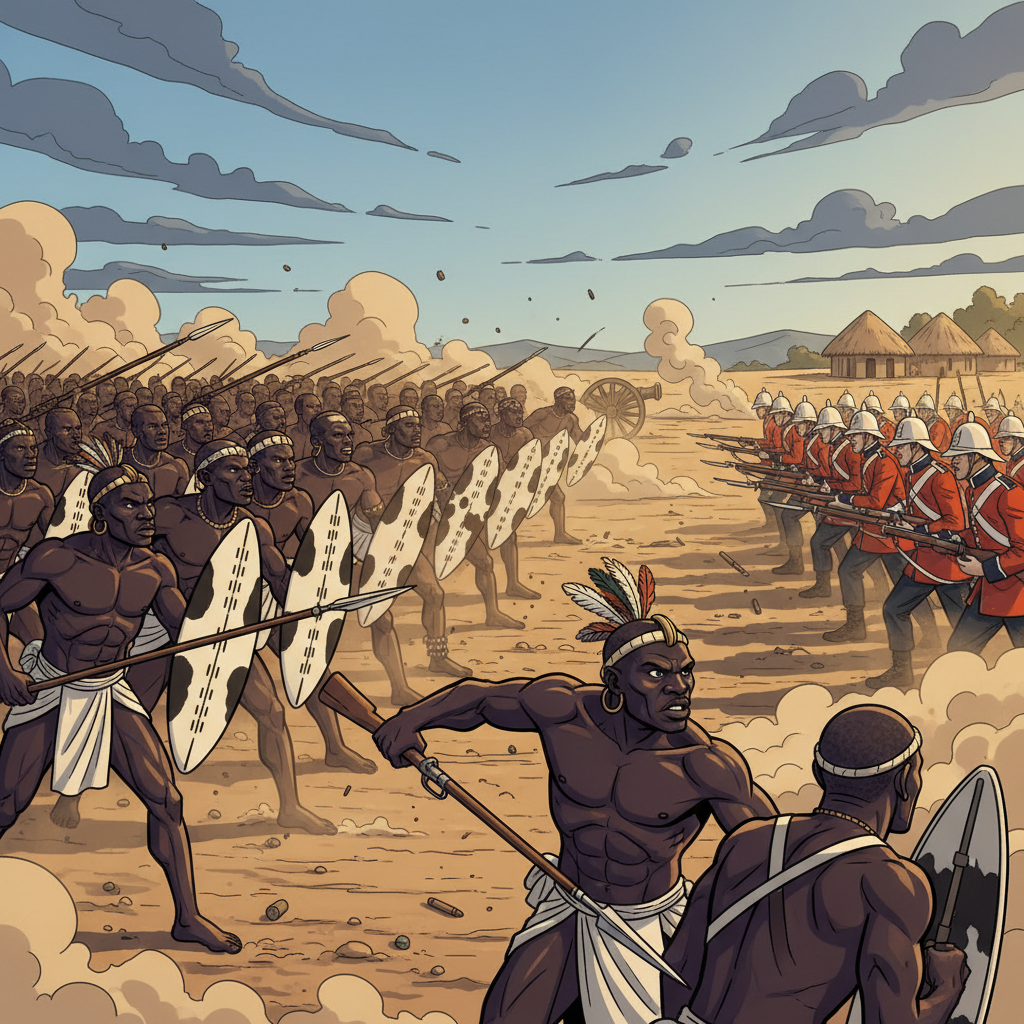
Frere stripped away this complexity and presented the amabutho to London as a permanently mobilized army of thirty thousand warriors threatening peaceful British colonists across the border. This was a lie, and Frere knew it was a lie. The border between Natal and the Zulu kingdom had been largely peaceful for decades. The few incidents that had occurred were minor disputes of the kind that happen along any frontier — and in most cases, Cetshwayo had offered to resolve them through negotiation. But Frere needed a threat to justify his invasion, and so he created one from selective facts, strategic omissions, and outright fabrication. Chancellor Williams identified this technique as one of the primary weapons used against African civilizations throughout history: the transformation of African strength into "evidence" of African savagery.
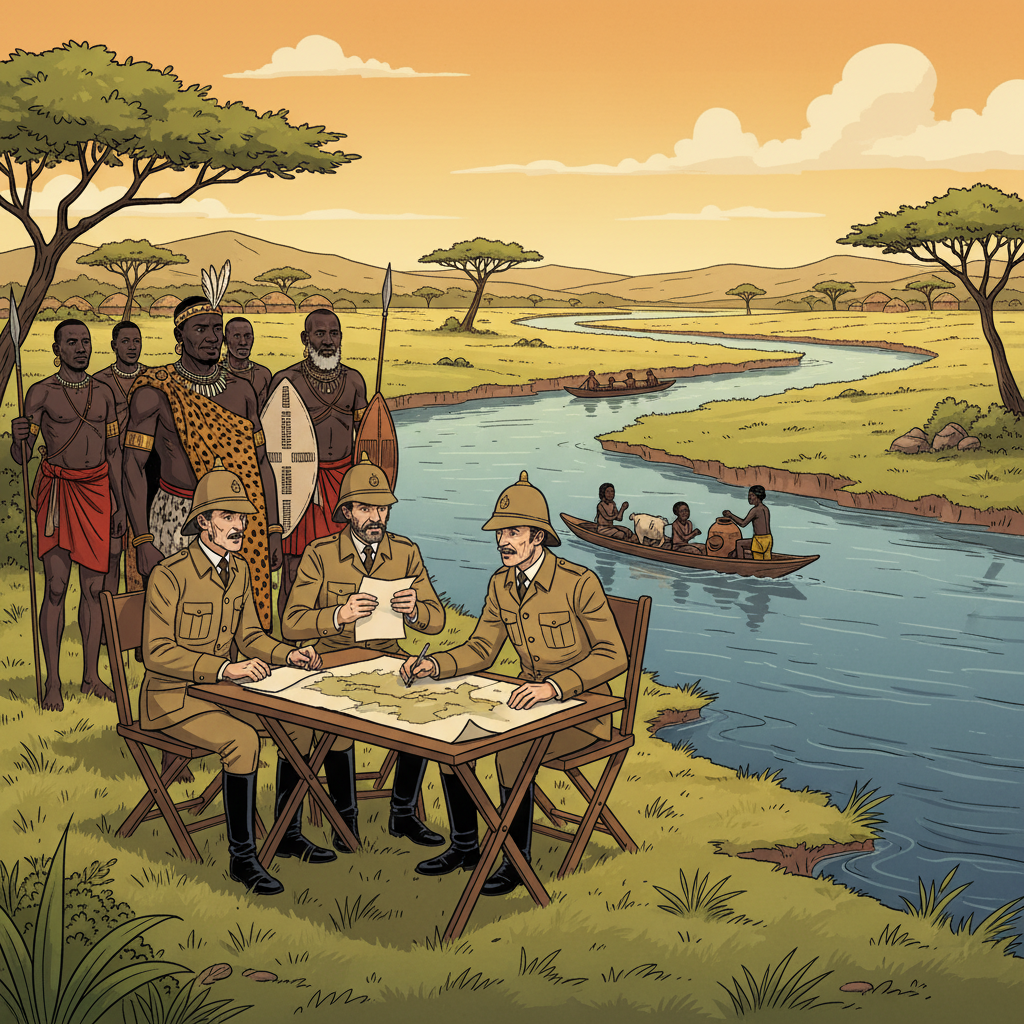
The boundary commission of 1878 provides perhaps the clearest example of how deeply Frere was committed to dishonesty. A longstanding land dispute existed between the Zulu kingdom and the Transvaal Boers over territory in the Blood River region. Cetshwayo had repeatedly asked the British to arbitrate, confident that the evidence supported the Zulu claim. In early 1878, Frere appointed a commission to investigate. The commission — composed of British officials who examined the evidence carefully over several months — ruled overwhelmingly in favor of the Zulu. The land belonged to the Zulu kingdom. It had always belonged to the Zulu kingdom. The Boer claims were baseless. Frere was stunned. He had expected the commission to provide him with evidence of Zulu aggression, and instead it had demonstrated the opposite.
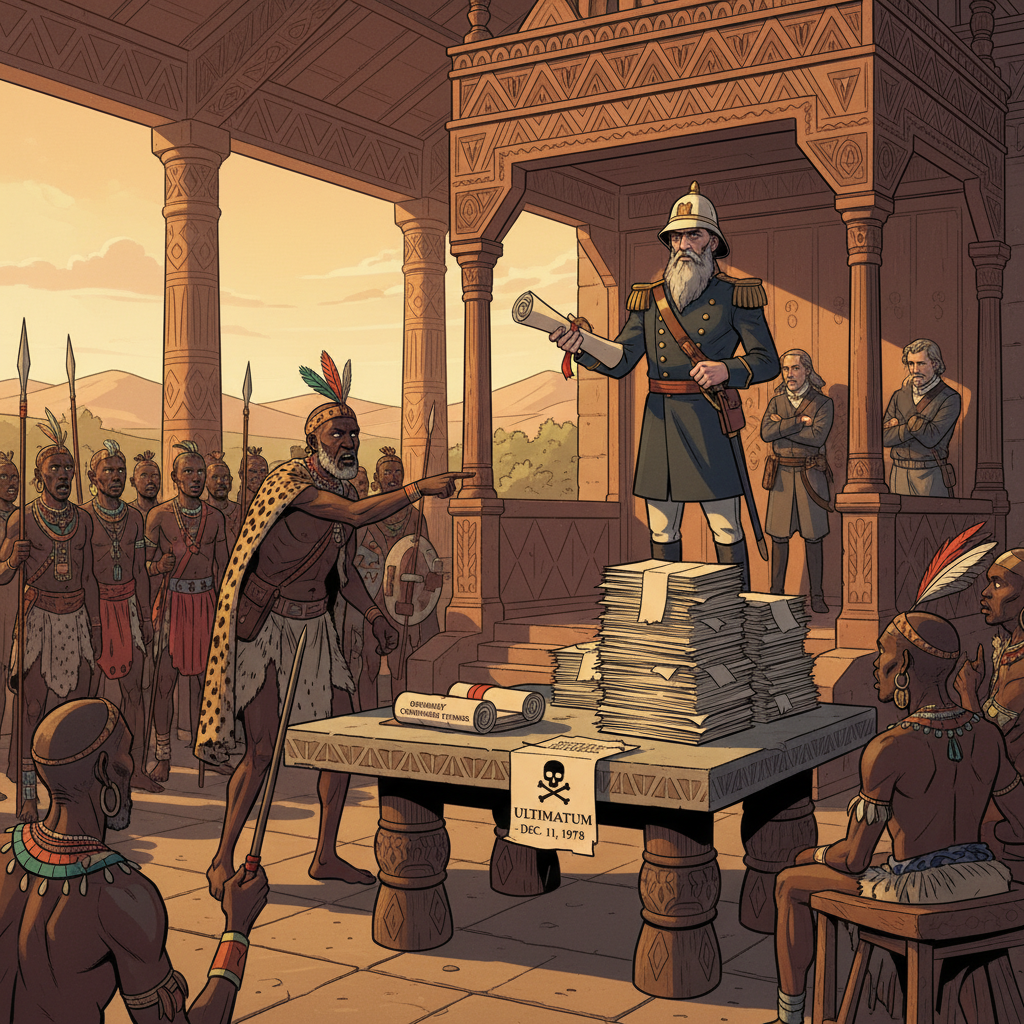
What Frere did next was extraordinary in its cynicism. He suppressed the boundary commission's findings. He sat on the report for months, refusing to make it public. When he was finally forced to announce the ruling — because the commission members were demanding publication — he coupled it with the impossible ultimatum of December 11, 1878. The commission had proven the Zulu were right. Frere's response was to punish them for being right. He announced the boundary ruling and the ultimatum in the same meeting, ensuring that the positive news would be drowned by the impossible demands. The message was clear: it did not matter what the evidence showed. It did not matter what was true. The Zulu kingdom would be destroyed because British plans required its destruction.
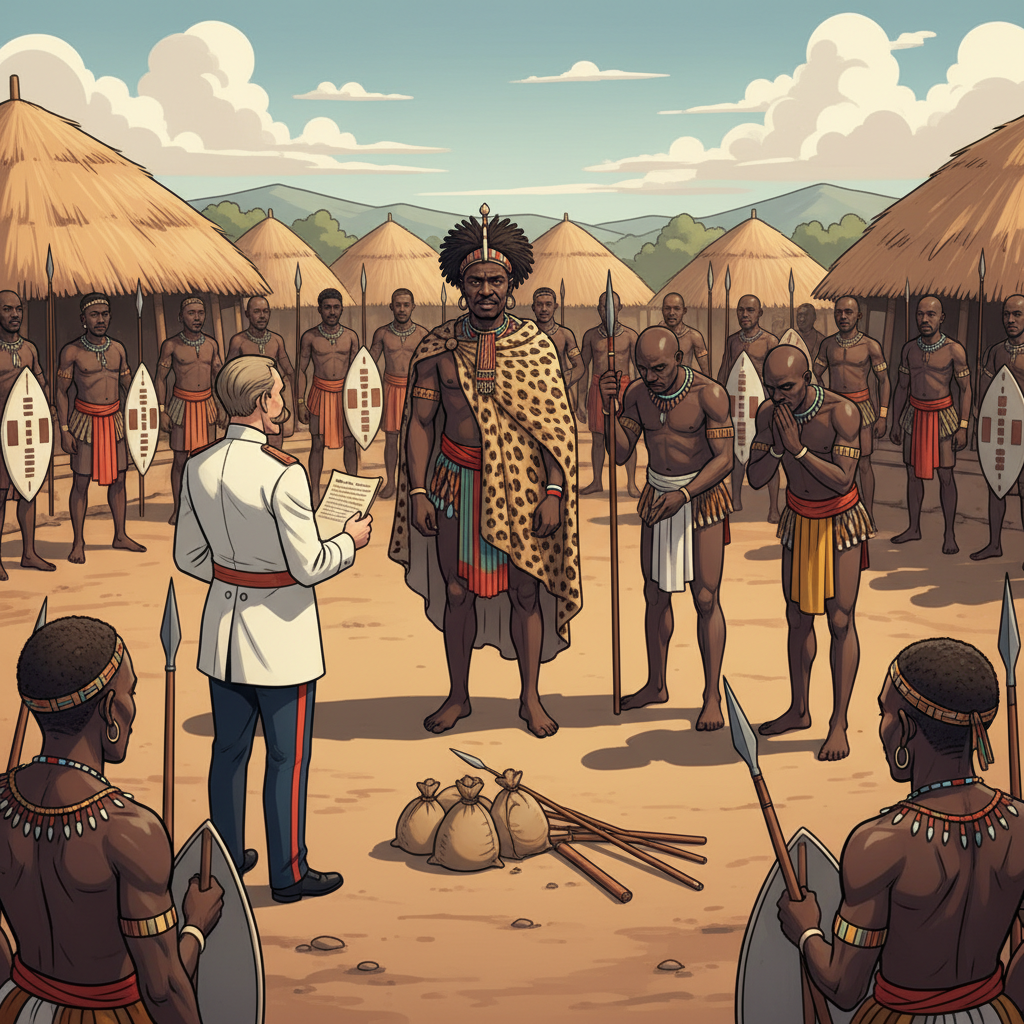
The ultimatum itself deserves careful examination because it reveals the mechanics of imperial coercion. First, it demanded that Cetshwayo surrender two of his indunas for trial by British courts for a border incident in which two Zulu women who had fled to Natal were retrieved by Zulu soldiers — a relatively minor affair that Cetshwayo had already offered to resolve through payment of a fine. Second, it demanded that Cetshwayo dismantle the entire amabutho system within thirty days — essentially requiring him to destroy the institutional foundation of Zulu society. Third, it demanded that a British resident be installed in the Zulu kingdom with authority over governance decisions. Fourth, it demanded the payment of substantial fines in cattle. Each demand was carefully calibrated to be unacceptable.

Cetshwayo's response to the ultimatum demonstrated the diplomatic intelligence that had characterized his entire reign. He immediately agreed to the first demand — the surrender of indunas — and began negotiating the fine for the border incident. He sent messages expressing his desire for peace, his willingness to resolve specific grievances, and his confusion about why the British were threatening war when no act of war had been committed. What he would not and could not do was dismantle the amabutho system. As he explained to British messengers, asking him to destroy the amabutho was like asking the British to disband their own army and parliament simultaneously — it would mean the end of Zulu civilization as a functioning society. The amabutho were not merely soldiers; they were the social structure through which the kingdom organized labor, managed resources, conducted ceremonies, and maintained order.
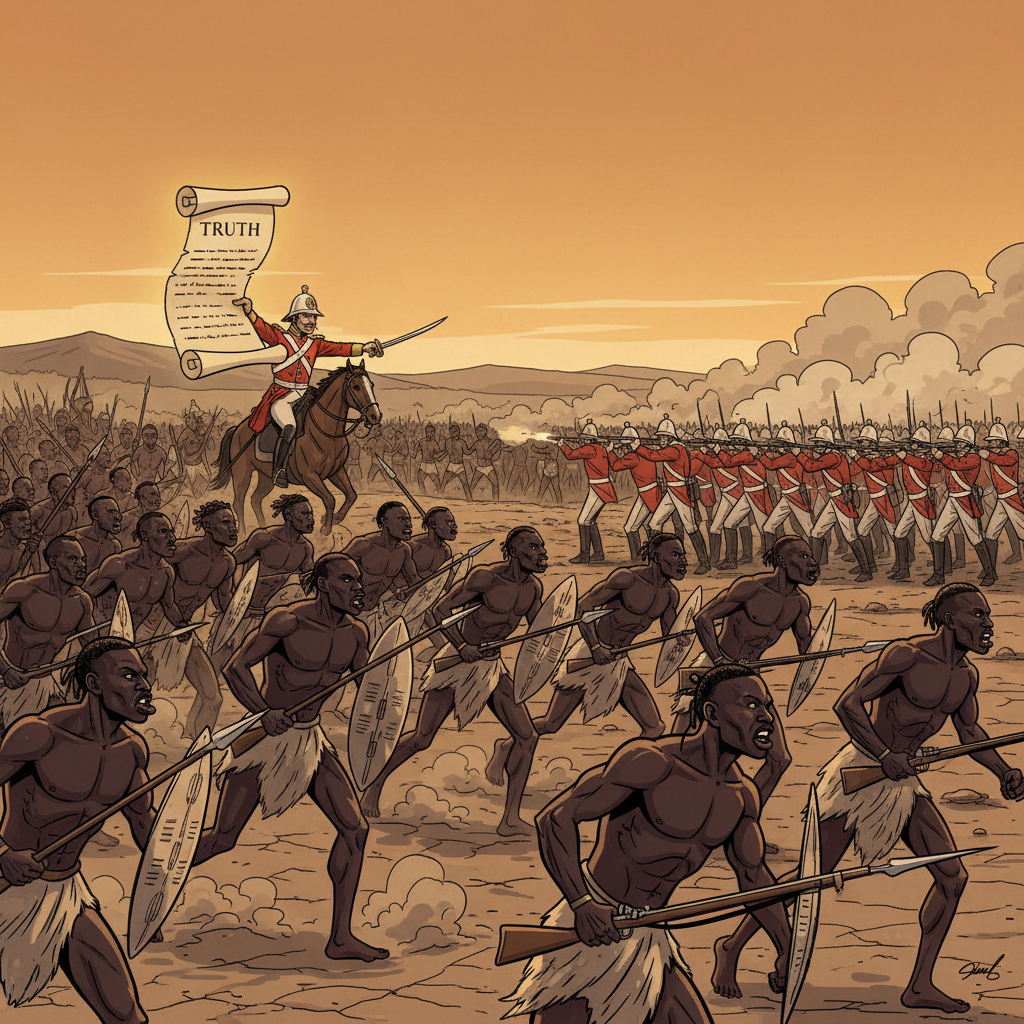
The British historian Jeff Guy, whose work The Destruction of the Zulu Kingdom remains the definitive study of these events, argued that Frere never expected Cetshwayo to accept the ultimatum. The terms were designed to be refused. They were a declaration of war dressed in the language of diplomacy — a technique that allowed Frere to claim that Cetshwayo had "chosen" war by refusing "reasonable" demands. This manipulation of causality — making the victim appear to be the aggressor — is one of the oldest tricks in the imperial playbook. The ancient Kemetic concept of Maat demands radical honesty about cause and effect. Who started the war? The answer is unambiguous: Bartle Frere started the war. He manufactured the crisis, suppressed evidence of Zulu innocence, issued demands he knew would be refused, and invaded a sovereign nation that had attacked no one.
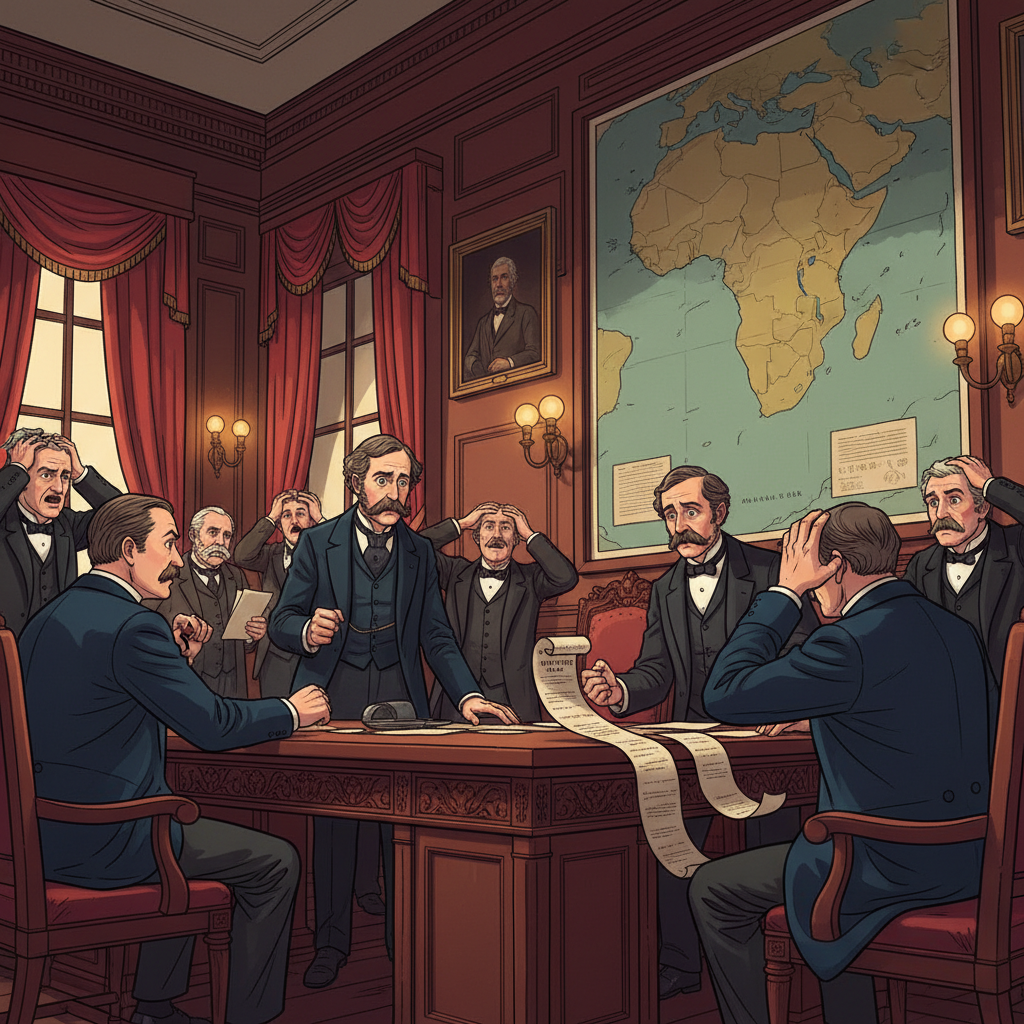
What makes this story particularly instructive is that Frere acted largely on his own authority. The British government in London — led by Prime Minister Benjamin Disraeli — had not authorized an invasion of the Zulu kingdom. When news of the ultimatum reached London, several cabinet members expressed alarm. The Secretary of State for War, Frederick Stanley, sent a telegram to Frere instructing him to avoid hostilities if possible. But the telegraph took weeks to reach southern Africa, and Frere had timed his ultimatum precisely to ensure that the war would be underway before London could stop it. This was a colonial official manufacturing a war against the wishes of his own government — and getting away with it because by the time anyone could object, the killing had already begun.
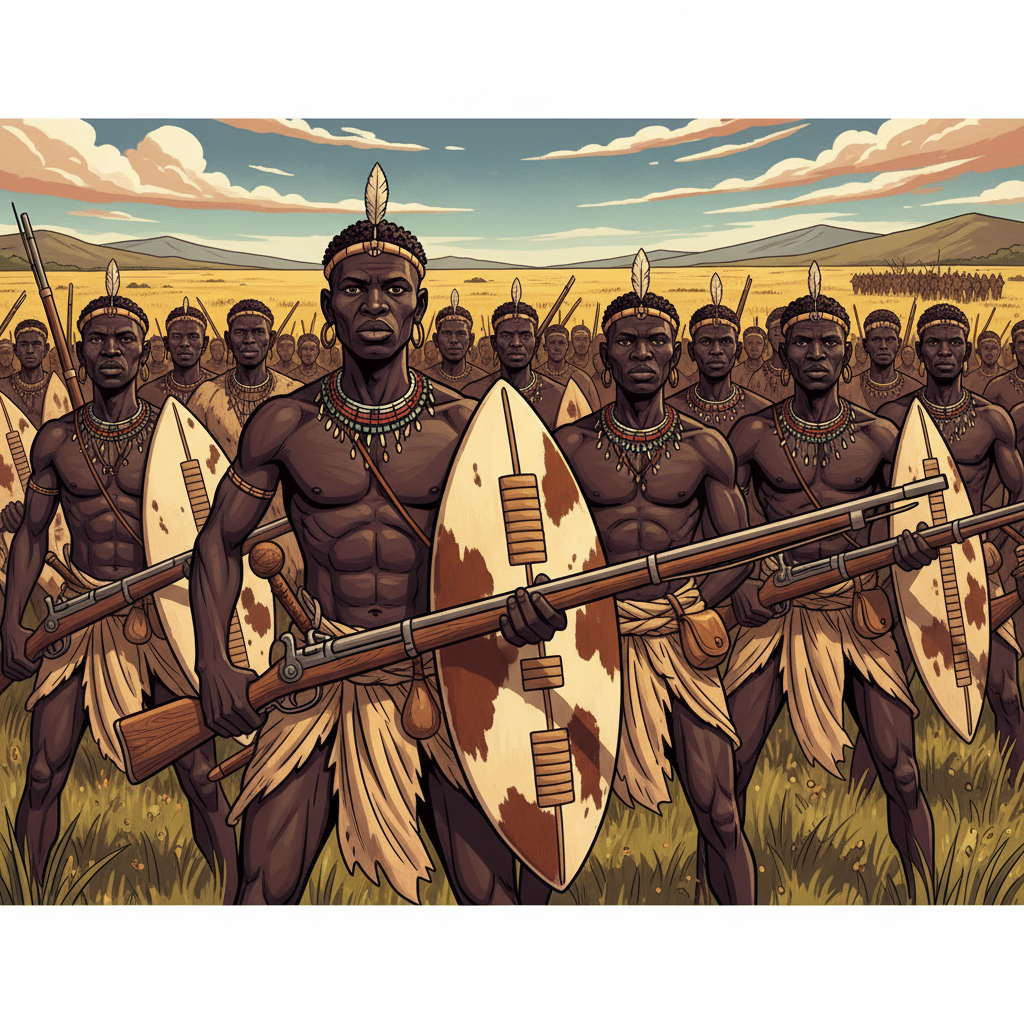
The Zulu response to the approaching invasion was methodical and disciplined. Cetshwayo mobilized the amabutho — some twenty-four thousand warriors in the main army, with thousands more in regional reserve forces. He repeated his orders: fight in defense only, do not invade Natal, do not kill those who surrender. The army was organized into its traditional formation: the "chest" or center, the two "horns" that would envelop the enemy, and the "loins" or reserve that would be committed at the decisive moment. The warriors carried the traditional Zulu weapons — the iklwa stabbing spear, the knobkerrie throwing stick, and the great cowhide shield — supplemented by a significant number of firearms, though many were outdated models and ammunition was scarce.
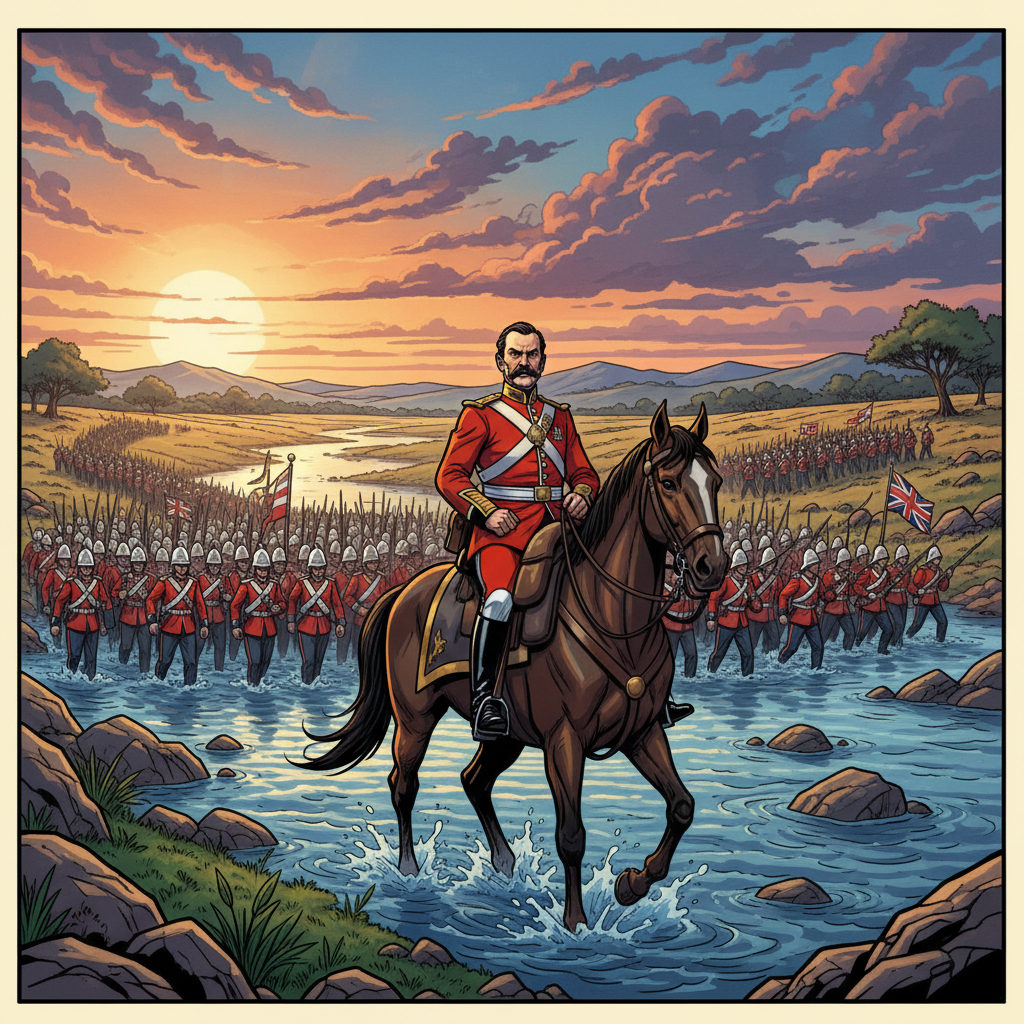
On January 11, 1879, the ultimatum expired. On the same day, Lord Chelmsford — the British military commander — led approximately seventeen thousand troops across the Buffalo River into the Zulu kingdom. The force was divided into three columns: a northern column, a central column commanded by Chelmsford himself, and a southern column. The plan was to converge on Ulundi, Cetshwayo's capital, destroying the Zulu army along the way. Chelmsford was confident — supremely, fatally confident — that European firepower would sweep aside any resistance. He had studied the Zulu military system and concluded that while the warriors were individually brave, they lacked the discipline and tactical sophistication to withstand a professional European force. He was catastrophically wrong.
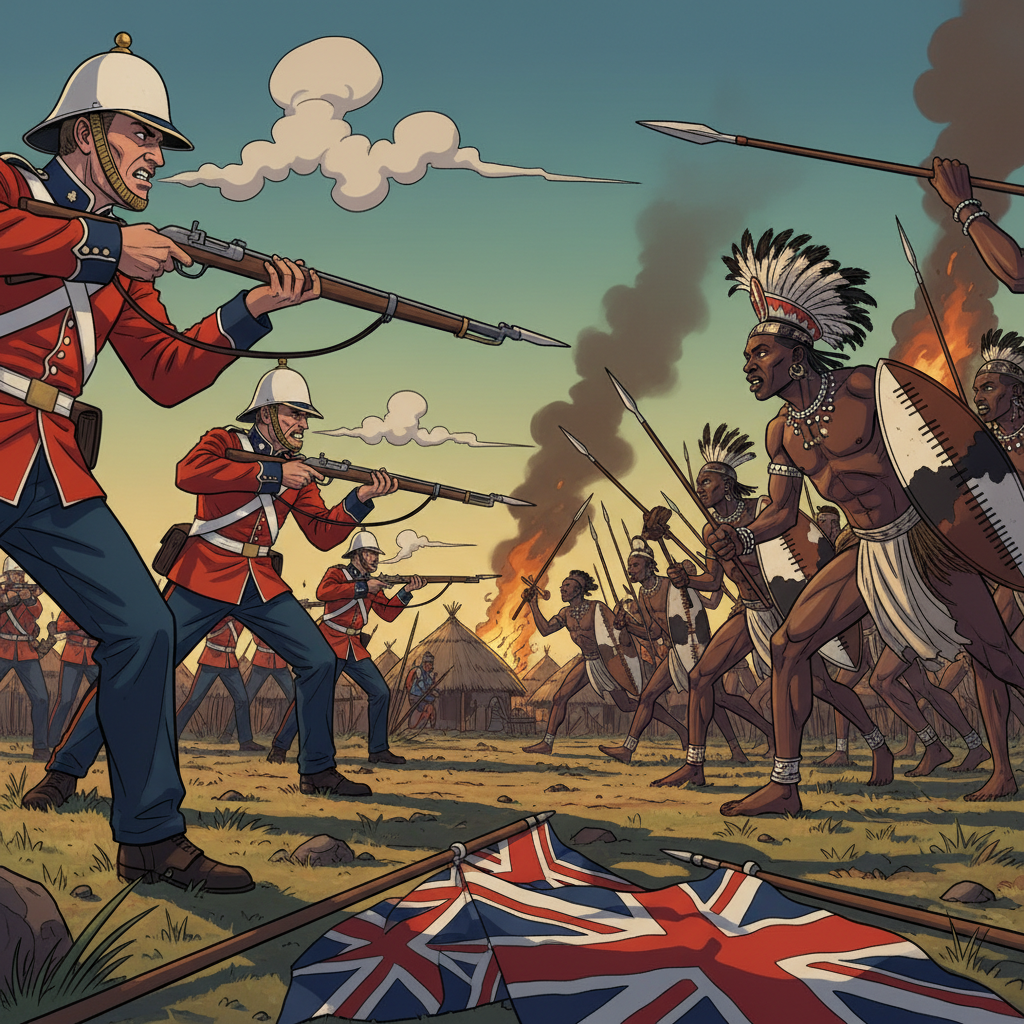
The invasion of the Zulu kingdom was, in every legal and moral sense, a war of aggression. No treaty had been violated. No British territory had been attacked. No British citizen had been harmed by Zulu military action. The ultimatum had been designed to be rejected. The boundary commission had ruled in the Zulu's favor. The British government had not authorized the war. Frere and Chelmsford, acting on their own initiative and driven by the ideology of racial supremacy and territorial greed, launched an unprovoked invasion of a sovereign nation. By every principle of justice — whether Kemetic Maat, Zulu ukulunga, or the Europeans' own supposed standards of international law — the British were the criminals and the Zulu were the defenders. History, written by the victors, has often reversed this moral reality. This story refuses to participate in that reversal.
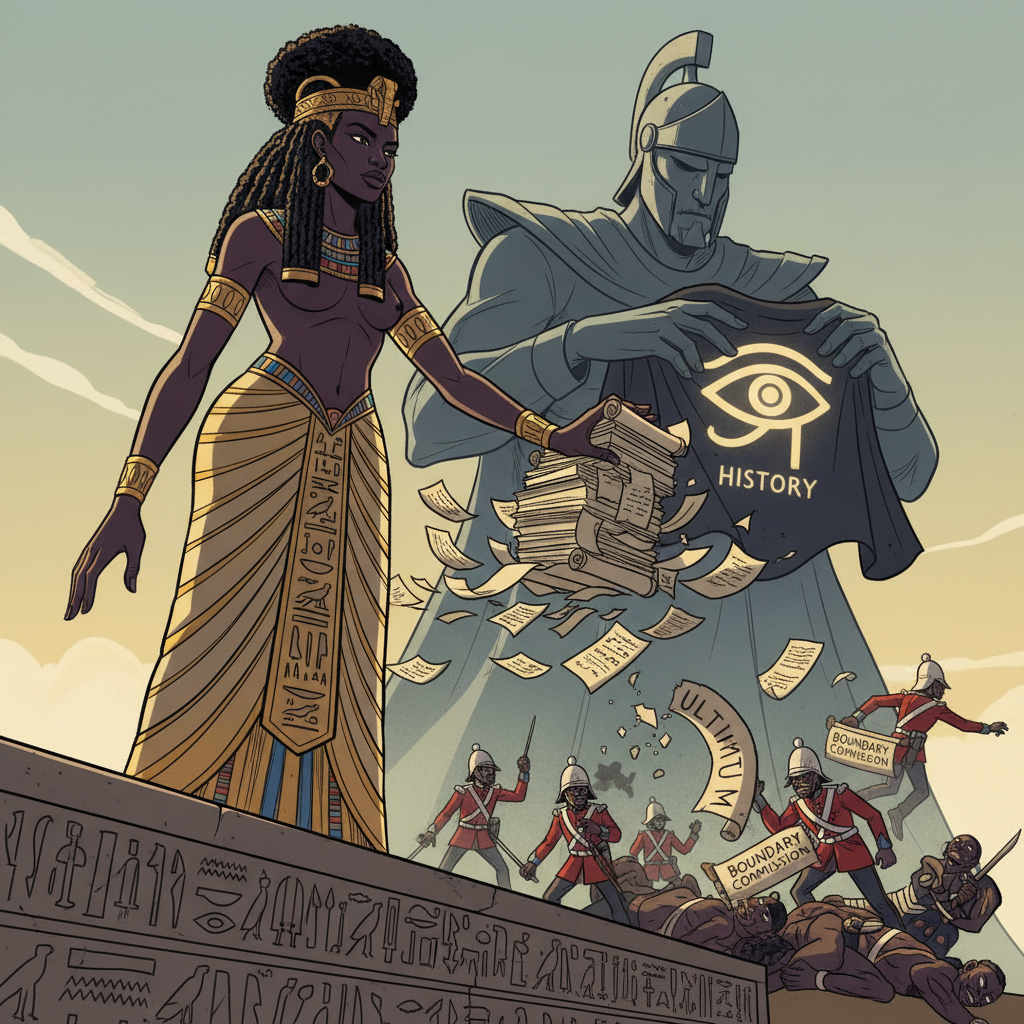
Asa Hilliard, the great African-American educator and historian, argued that the most damaging effect of colonialism was not the theft of land or resources but the theft of history — the systematic distortion of the African past to justify the European present. The story of the Anglo-Zulu War is a perfect example. In British accounts, the war is typically framed as a dramatic military adventure — plucky British soldiers against fearsome native warriors. The political context — the manufactured ultimatum, the suppressed boundary commission, the unauthorized invasion — is often minimized or omitted. The result is a narrative that makes the aggressor appear heroic and the defender appear threatening. Correcting this distortion is not a matter of political opinion. It is a matter of Maat — of truth against lies, of reality against propaganda.
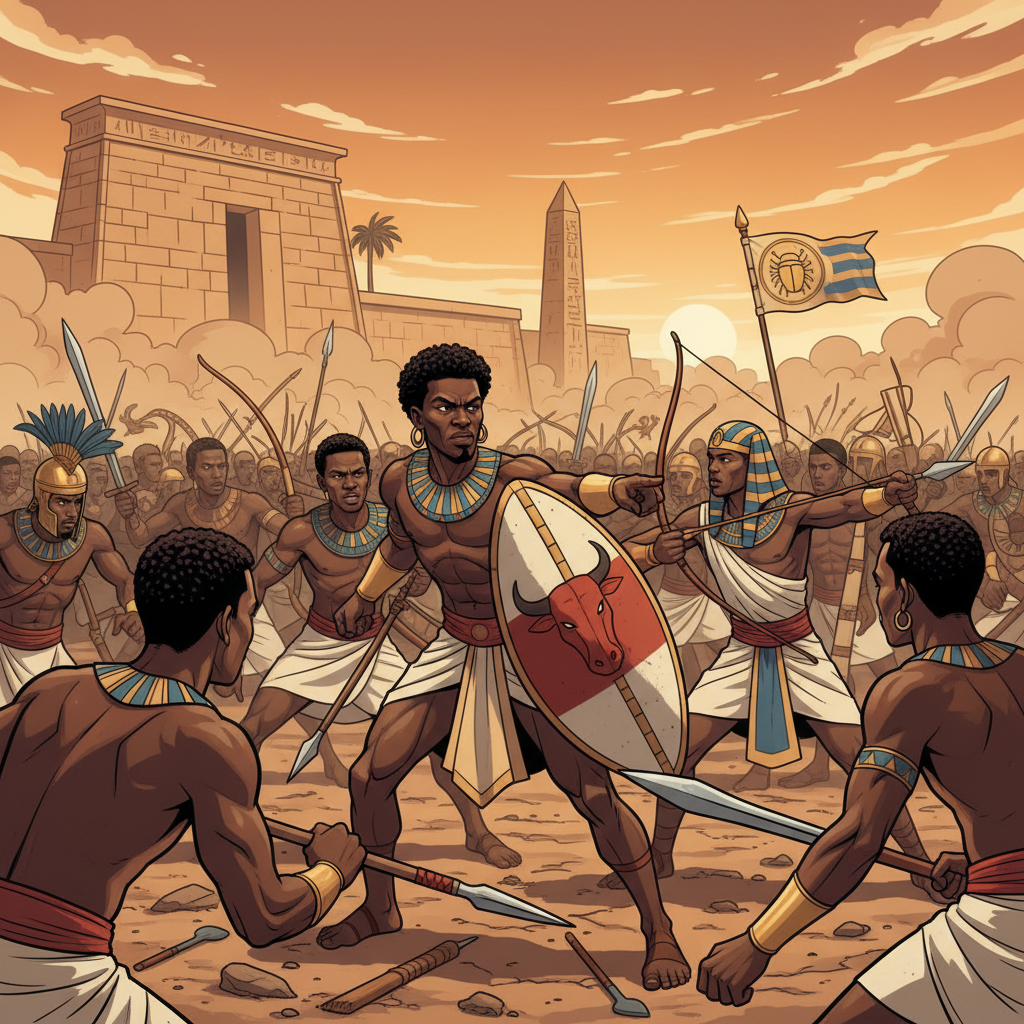
The philosophical dimension of this story reaches deep into the African intellectual tradition. The Zulu concept of isicelo — the moral obligation to resist injustice — connects directly to the Kemetic principle that passivity in the face of Isfet is itself a form of Isfet. To know that wrong is being done and to do nothing is to participate in the wrong. Cetshwayo's refusal to accept the ultimatum was not merely a political decision — it was a moral one, rooted in the same ethical framework that compelled the Kemetic sage Ipuwer to speak truth to power during the chaos of the First Intermediate Period, that drove the Kandake queens of Kush to resist Roman invasion, and that would later inspire African liberation movements across the continent. Resistance to unjust power is not a choice in the African philosophical tradition. It is an obligation.
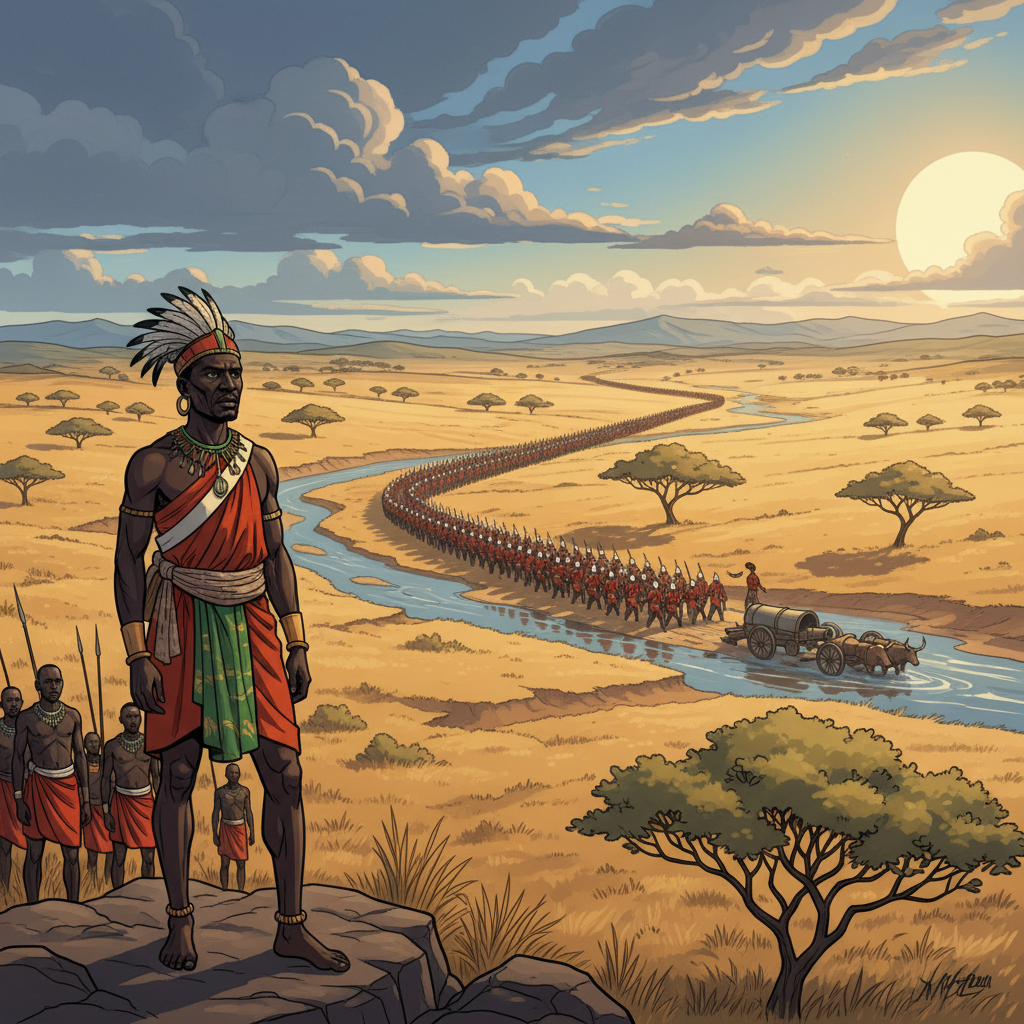
As the British columns crossed into Zulu territory in January 1879, Cetshwayo faced the consequences of every choice he had made and many choices that had been made for him. He had tried diplomacy; it had been ignored. He had offered concessions; they had been rejected. He had maintained peace for years; it had been irrelevant. The British were not responding to anything Cetshwayo had done — they were executing a plan that had been decided before he was ever consulted. The cage of colonial diplomacy had closed around him, and the only freedom left was the freedom to resist. Whether resistance would save his kingdom or merely prove that it had been worth saving was a question that would be answered in the days ahead — in blood, in fire, and in one of the most remarkable military victories in African history.
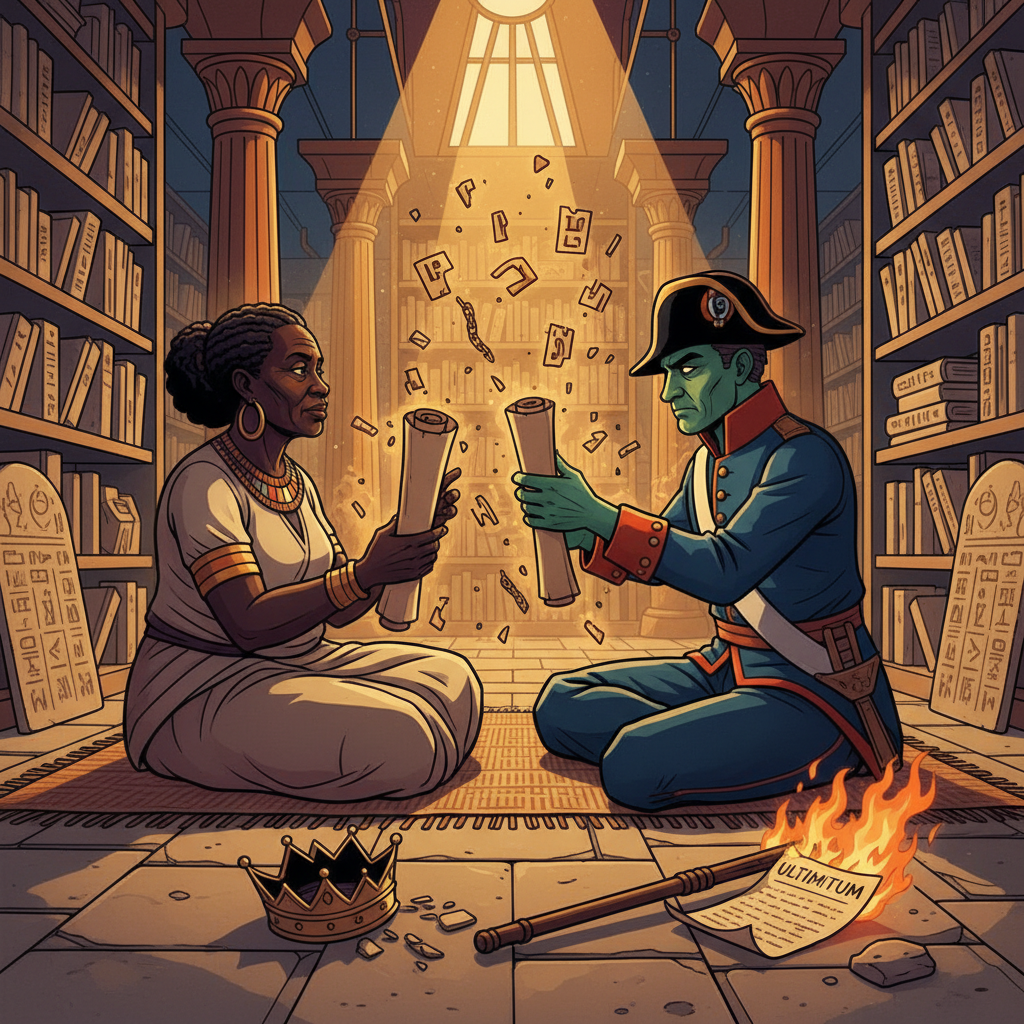
The story of the diplomatic cage teaches a lesson that every student of history must learn: that the language of fairness can be used to disguise the reality of conquest. Every step of the British approach — the boundary commission, the coronation, the ultimatum — was dressed in the language of law, order, and civilization. And every step was a lie. The commission's findings were suppressed. The coronation was a fraud. The ultimatum was a declaration of war. Maat demands that we look past the surface of language to the reality of action. It demands that we ask not what the powerful say but what they do. By that standard — the only standard that matters — the Zulu kingdom was the victim of unprovoked aggression, and Cetshwayo was a leader who exhausted every peaceful option before accepting that war was the only path his enemies had left open to him.