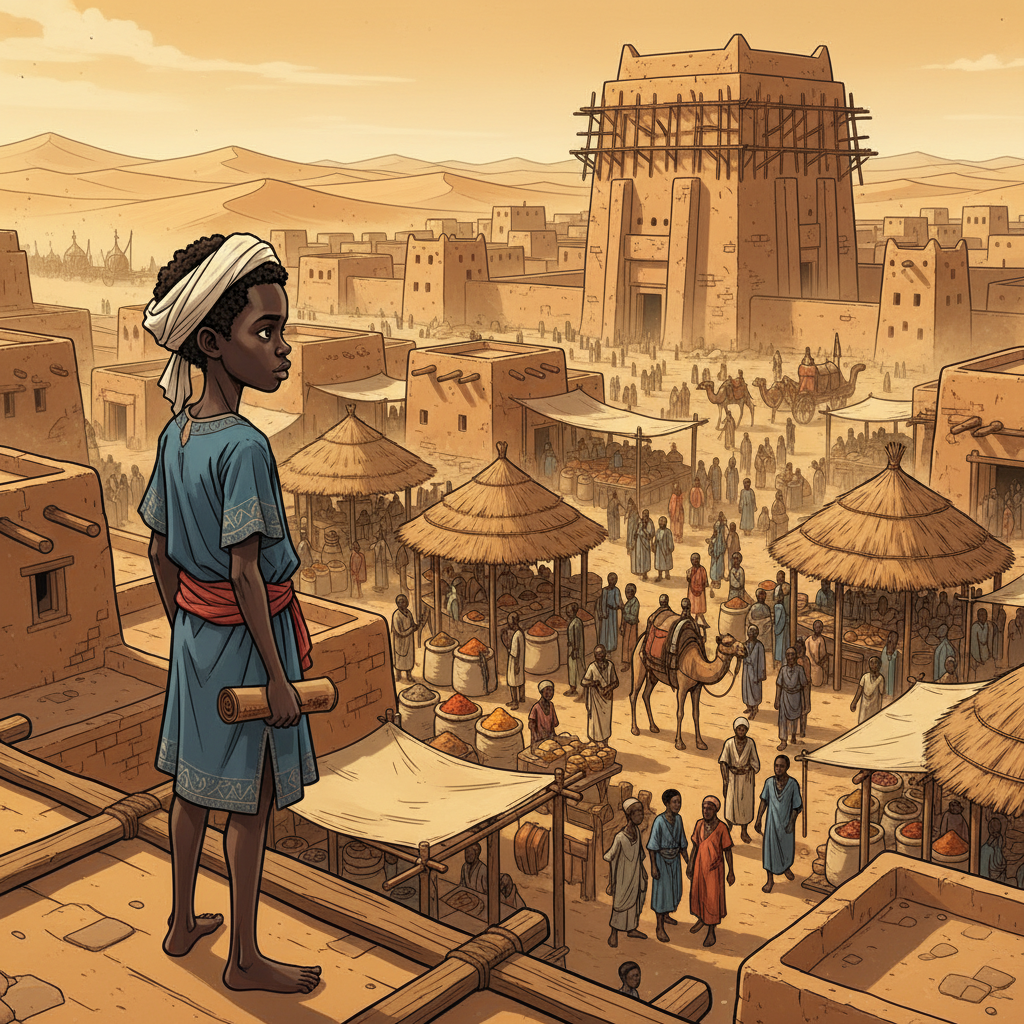
The air in Timbuktu shimmered with anticipation, thick with the scent of spices, leather, and desert dust. Young Askia, a scholar-in-training at the University of Sankore, stood on a rooftop overlooking the bustling marketplace. Below, men and women with skin like polished ebony, broad noses, and full lips moved with purpose, their 4C hair braided intricately. The entire city thrummed, not just with trade, but with the impending departure of Mansa Musa on his legendary Hajj to Mecca. Askia’s heart swelled with pride. He knew the stories of Kemet and the pharaohs, but this was Mali, his Mali, about to display its *ka* to the world. The wealth amassed by the *mansa* was beyond imagining, drawn from the gold mines of Bambuk and Boure, traded across the Sahara for salt.
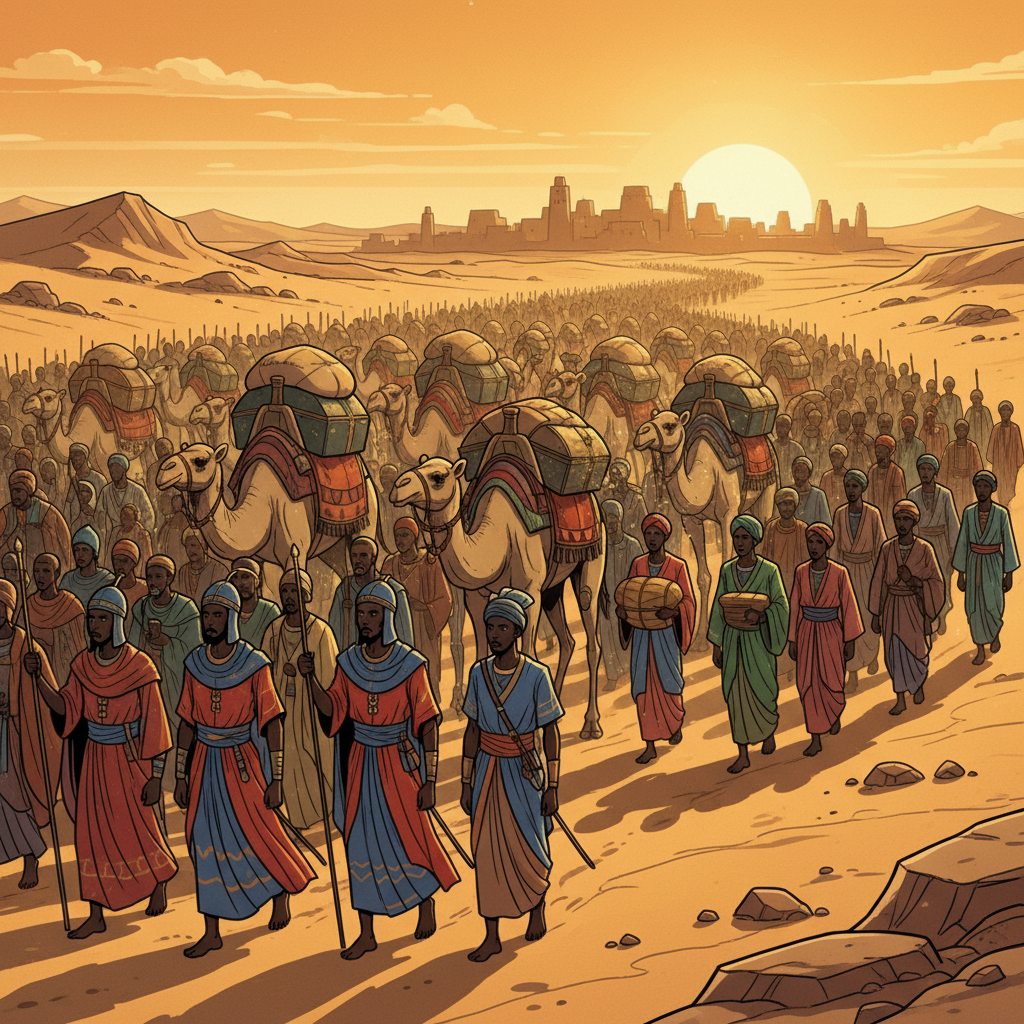
Mansa Musa’s intentions were pure, rooted in *maat*. He sought to fulfill his religious duty, to humble himself before Allah, and to display the unparalleled glory and prosperity of the Mali Empire. His generosity was legendary, a core tenet of *ubuntu*—the belief in universal human interconnectedness. But even Askia, with his youthful idealism, sensed the immense pressure. The logistics alone were staggering: a caravan said to number 60,000 men, including 12,000 slaves, each carrying four pounds of gold bars. Eighty camels bore 300 pounds of gold dust apiece. The sheer scale was a declaration, a statement of power and faith that would echo across continents, far beyond the familiar banks of the Nile.
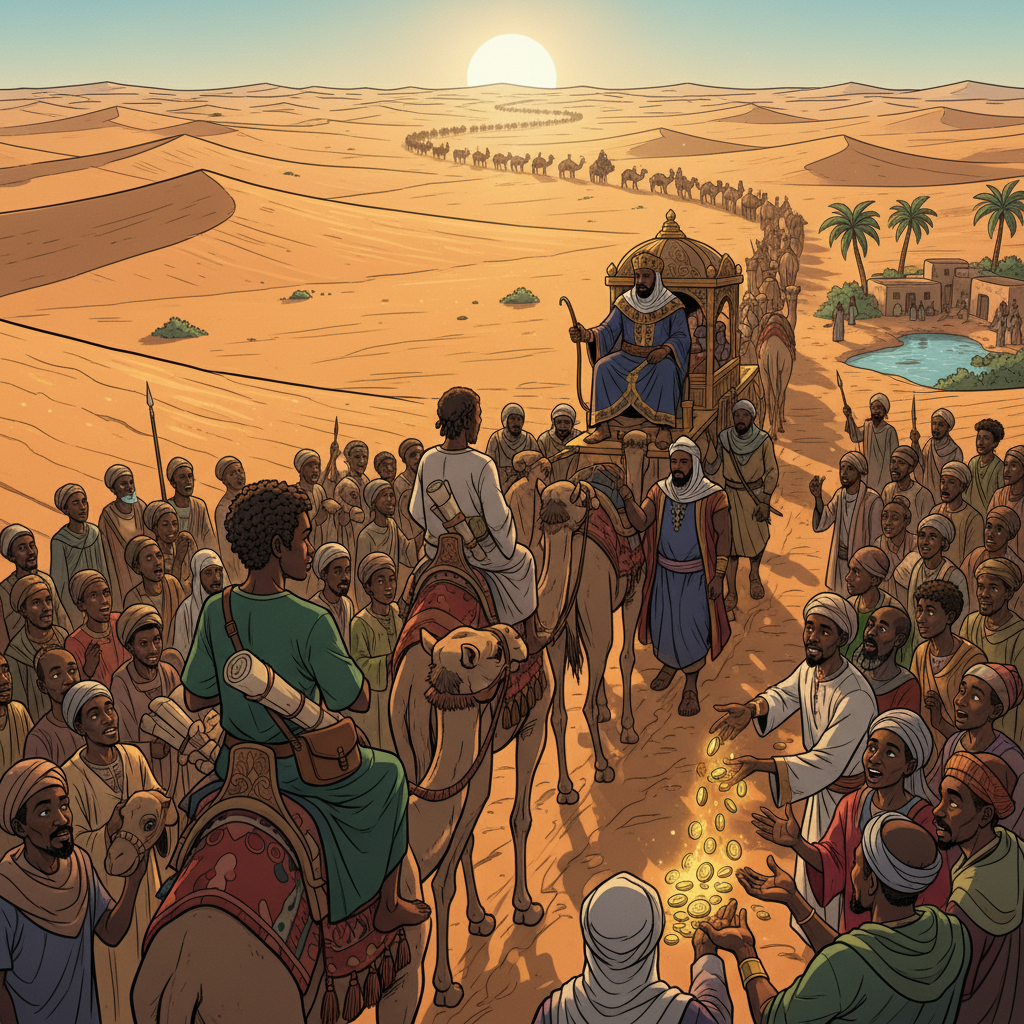
As the caravan finally departed, a golden river flowing into the vast, ochre sea of the Sahara, Askia rode among the scribes and scholars, his scrolls carefully protected. The sun beat down, turning the sand to glittering embers. Days blurred into weeks. Each stop in an oasis town or a desert settlement became an event. Mansa Musa, seated on his gilded palanquin, would dismount to greet local leaders, his presence radiating both majesty and approachability. Gold was distributed freely, a cascade of wealth poured into the hands of the poor and the grateful. Initial reactions were always awe, wonder, and profound gratitude. The *mansa* was seen as a living embodiment of prosperity, a beacon of hope, bringing *heka* to the desolate reaches of the desert.
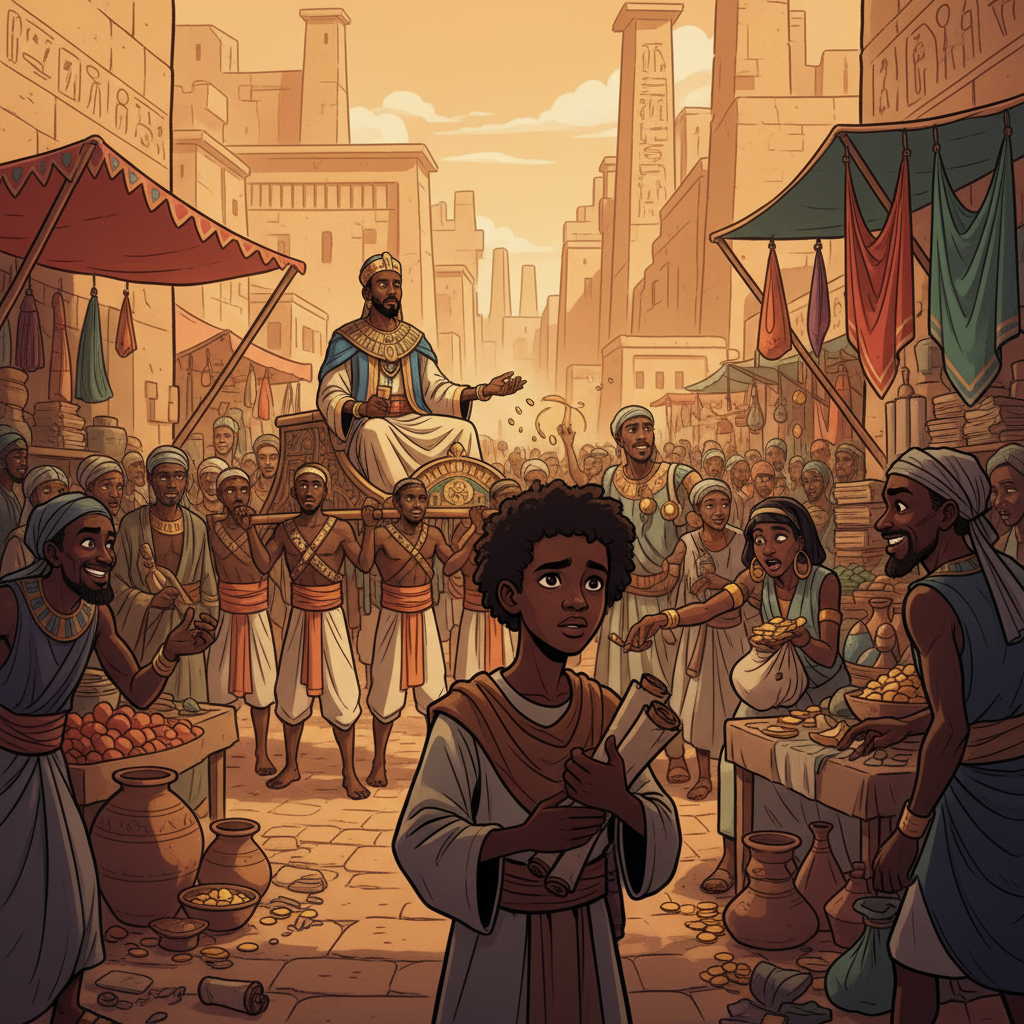
The stories of Mansa Musa’s extravagance preceded them, morphing into legend with each passing town. In Cairo, the grandest city they had yet encountered, the impact was immediate and overwhelming. Mansa Musa arrived not as a supplicant but as a monarch, his retinue a spectacle of unimaginable opulence. He spent lavishly, giving away gold to dignitaries, to the poor, and for the construction of mosques. Askia watched the faces of the Egyptian merchants, their eyes wide, a mixture of admiration and something else—a shrewd calculation he couldn't quite decipher. This was more than just a pilgrimage; it was a geopolitical earthquake, disrupting the established order.
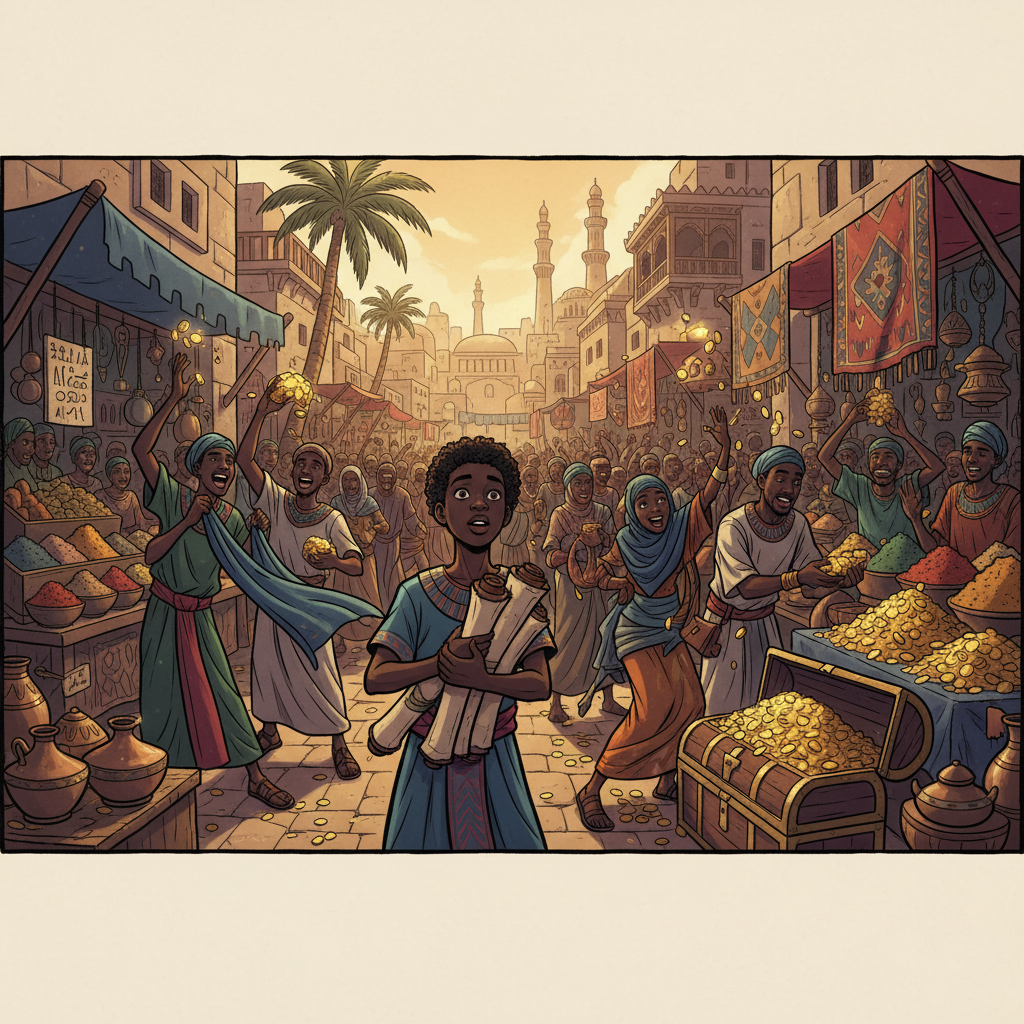
For weeks, Mansa Musa’s generosity continued unabated in Cairo and Alexandria. The gold, refined and pure from the mines of West Africa, flooded the markets. Initially, there was jubilation. Prices for goods soared, as merchants, suddenly flush with gold, bought everything they desired. But then, a subtle shift began. Askia overheard whispers in the souks, the bustling marketplaces. The local gold dinar, once a stable currency, began to lose its value. The sheer influx of Malian gold was too much; it overwhelmed the delicate balance of the regional economy. What had begun as an act of profound *maat*—generosity and piety—was unintentionally veering towards *isfet*, chaos.
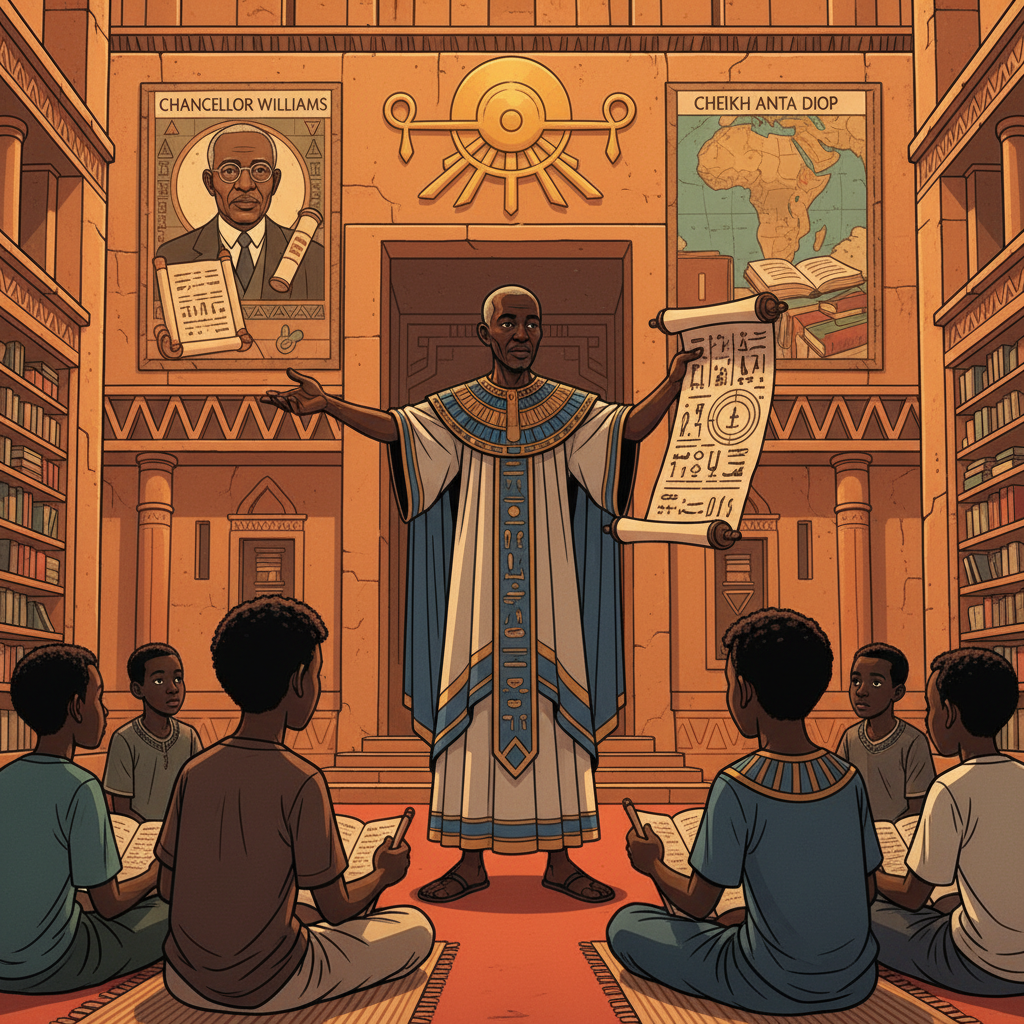
Askia, though young, had studied under the great *seba* at Sankore, learning the Kemetic principles of economic balance and societal harmony. He recalled the teachings of Chancellor Williams, who spoke of the sophisticated economic systems of ancient African empires, and Cheikh Anta Diop, who meticulously documented the wealth and self-sufficiency of Kemet. These scholars emphasized that true wealth management, in accordance with *maat*, meant not just accumulation but also responsible distribution that preserved societal stability. Mansa Musa's heart was pure, his devotion unwavering, but the *heka* of his immense wealth, unleashed without restraint, was creating unforeseen turbulence. The initial joy was giving way to an uneasy dread among the local populace.
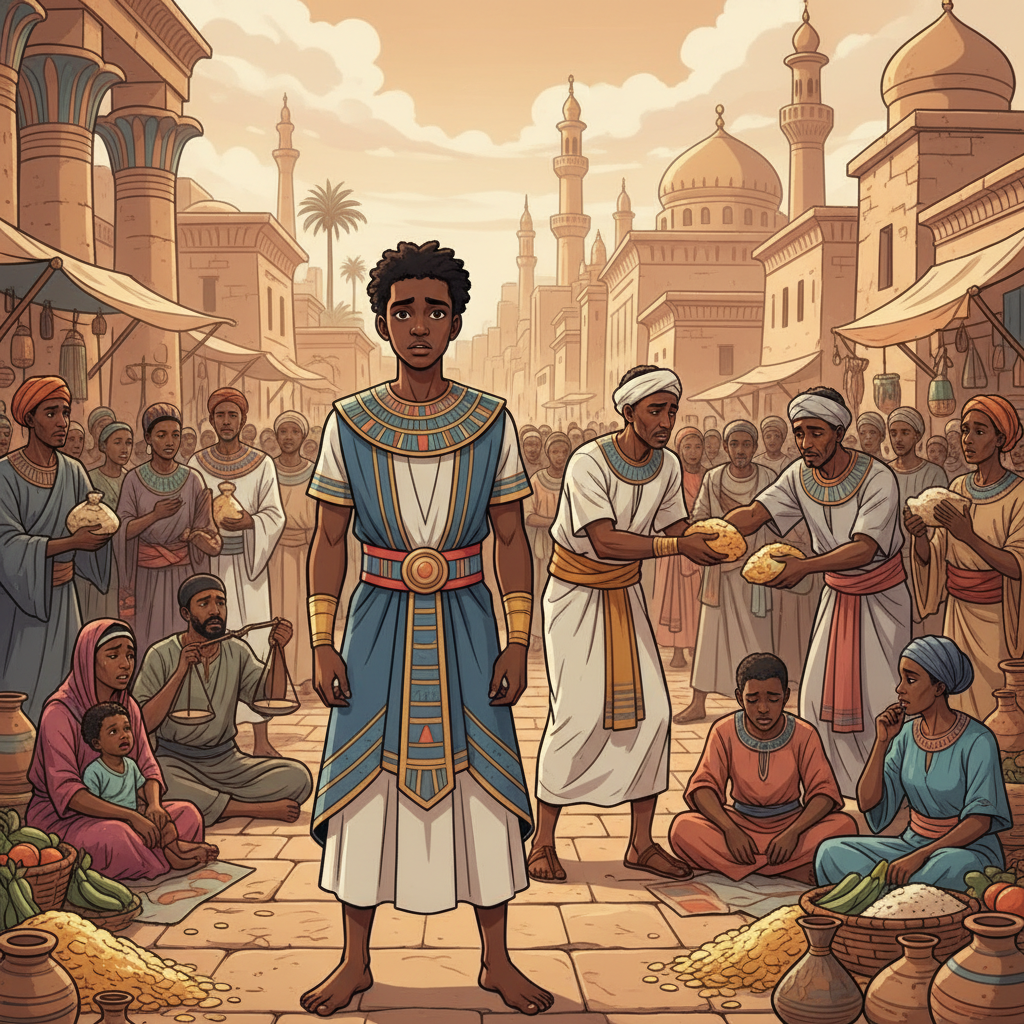
The economic disruption deepened. Merchants, who once celebrated the *mansa*'s arrival, now grumbled. The gold they received was worth less and less. Farmers found their produce, once valuable, now traded for devalued currency. Poverty, paradoxically, began to spread among those who were not direct recipients of Mansa Musa’s largesse. Askia saw families struggling, their livelihoods shattered by the sudden inflation. He watched as seasoned traders, their faces etched with worry, tried to offload their gold for anything of stable value. This wasn't the *maat* Mansa Musa had intended. This was a direct manifestation of *isfet*, an imbalance born of overwhelming, albeit well-intentioned, power.
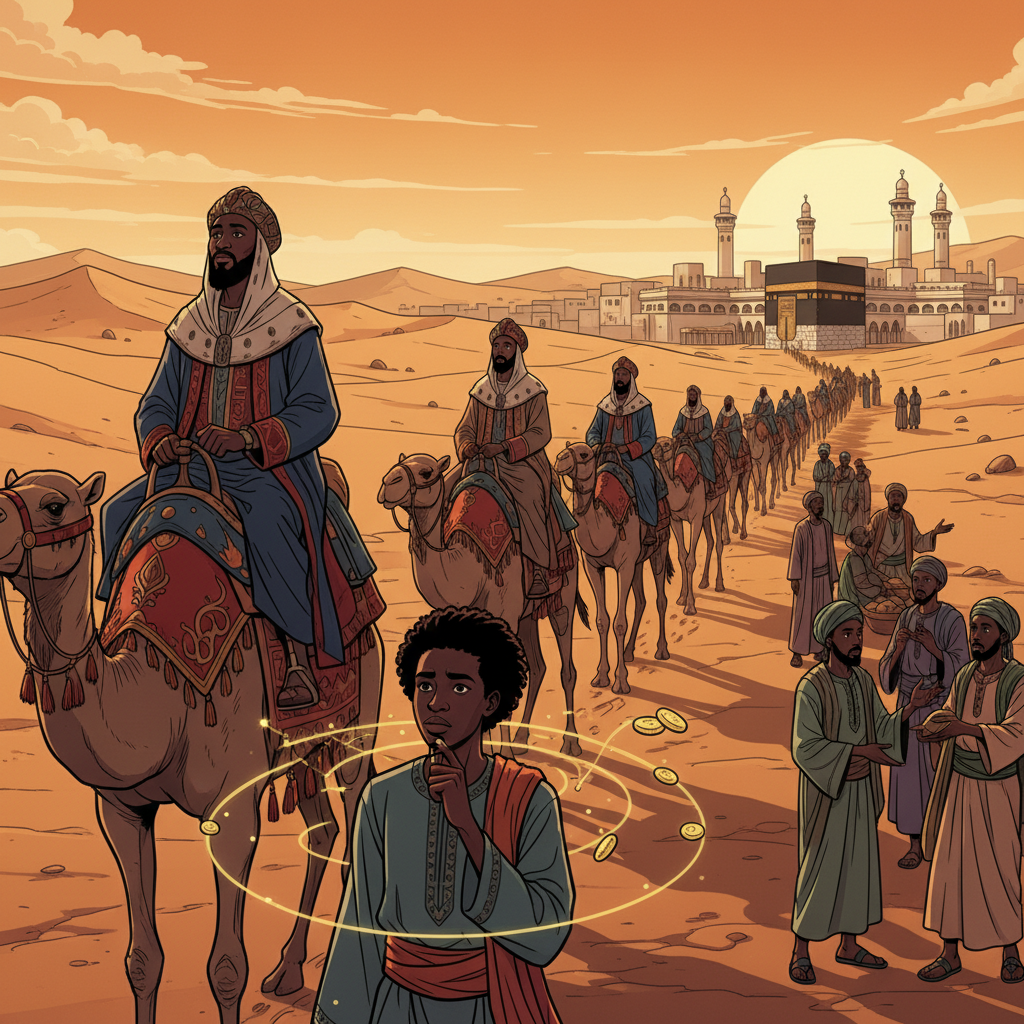
The caravan continued its journey to Mecca. The pilgrimage itself was a profound spiritual experience for Mansa Musa and his followers, fulfilling one of the Five Pillars of Islam. In the holy city, surrounded by fellow Muslims from across the known world, the *mansa* found solace and spiritual renewal. Yet, even there, the echoes of his economic impact were felt. Merchants from distant lands who had heard of the gold glut in Cairo adjusted their prices, creating ripple effects across the trade routes. Askia understood that actions, no matter how noble in intent, had consequences that stretched far beyond the immediate moment, touching countless lives, a complex web of cause and effect.
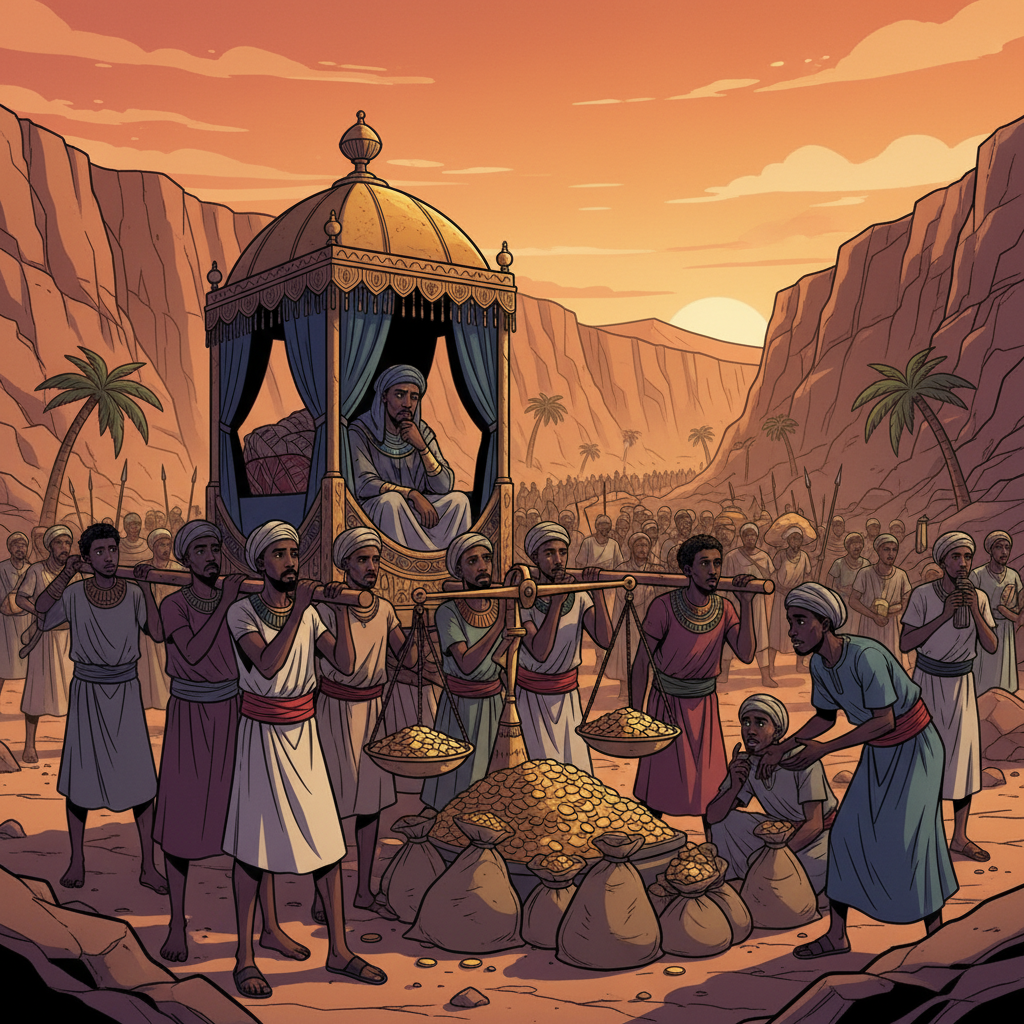
On the return journey, the burden of the economic fallout weighed heavily on Mansa Musa. He had heard the reports, seen the distress. In an unprecedented move, he attempted to rectify the situation by buying back as much gold as he could from the markets of Cairo at inflated prices. This act, though an attempt to restore balance, further illustrated the extent of the disruption. It was a king trying to undo the very chaos his generosity had created. Askia observed the *mansa*'s quiet contemplation, his face often clouded with thought. The wisdom of his ancestors, of the *pharaohs* who governed Kemet with an understanding of cosmic order, seemed to whisper lessons about the delicate equilibrium of power and responsibility.
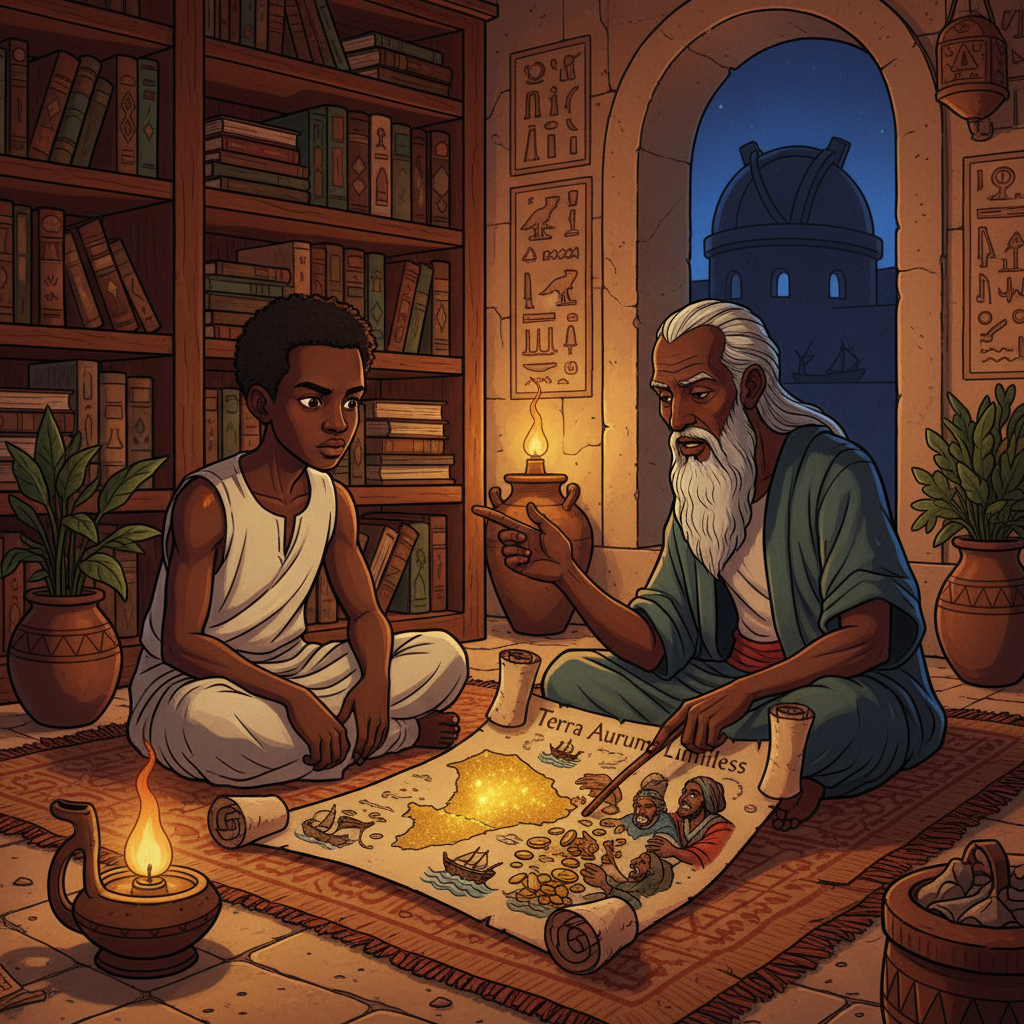
The Hajj of 1324-1325 became legendary not just for its unparalleled display of wealth, but also for its profound, complicated lessons. European chroniclers, like the Arab-Berber al-Umari, would record Mansa Musa's astonishing generosity, simultaneously marveling at and coveting the gold that flowed from Mali. Their accounts, while awe-struck, also subtly sowed the seeds of future imperial ambitions, portraying Africa as a land of limitless, easily obtainable riches. This external gaze, tinged with greed, was another form of *isfet* that Mansa Musa’s display inadvertently ignited, promising future struggles for the continent, far from the principles of *ubuntu*.
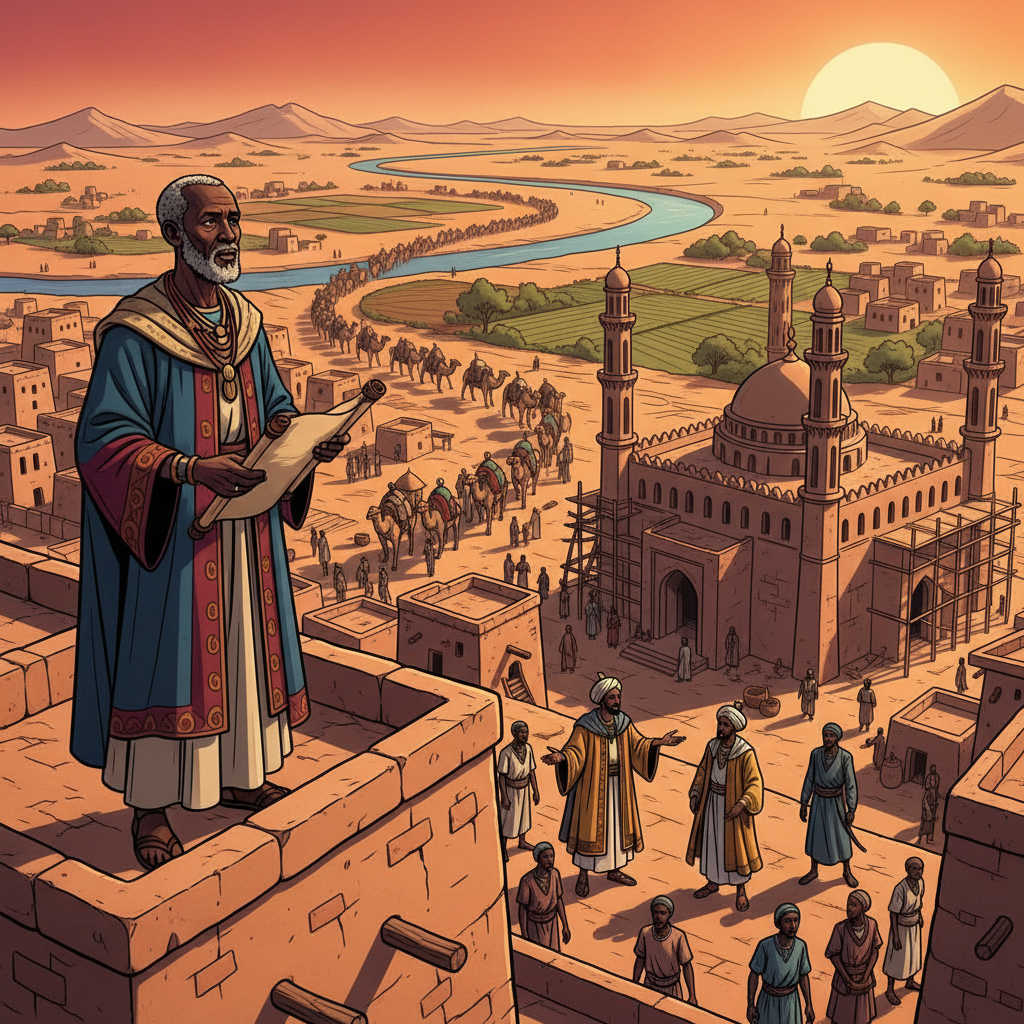
Back in Mali, the memory of the Hajj settled like a fine, golden dust. Mansa Musa, having fulfilled his spiritual duty, turned his immense energy to strengthening his empire. He commissioned the construction of grand mosques and libraries, like the one at Sankore, using the wealth to foster knowledge and faith. He brought back scholars, architects, and artisans, enriching Timbuktu and Djenné. Askia, now a respected *seba*, reflected on the journey. He understood that wealth was not inherently good or bad, but a powerful force, like the Nile itself, capable of immense creation or devastating flood, depending on how it was channeled. The true test of a ruler, and of a person, was how they managed this *heka*.
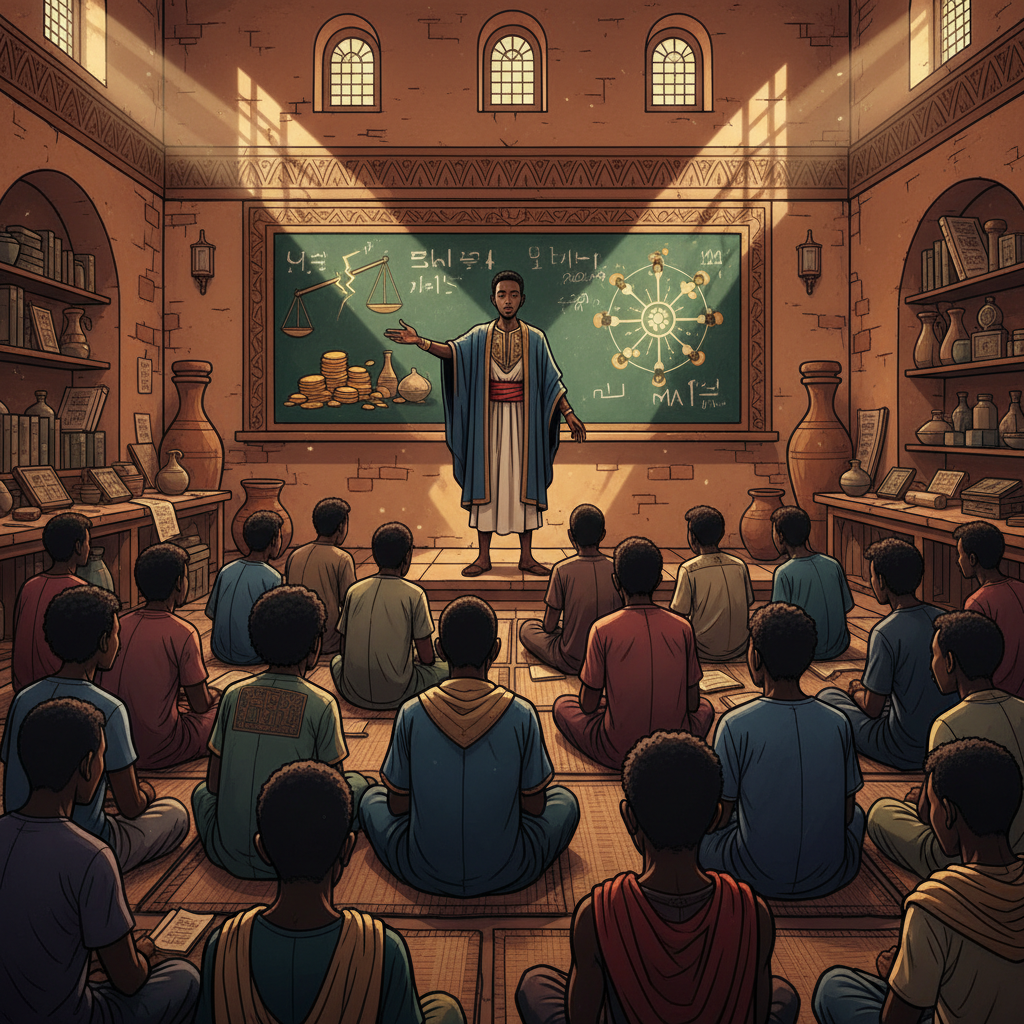
Askia spent years studying the intricacies of power and wealth, drawing connections between the Manden Charter’s principles of justice and the ancient Kemetic understanding of *maat*. He lectured at Sankore, sharing the complex lessons of Mansa Musa’s Hajj. “Our ancestors understood,” he would tell his students, “that true prosperity is not just about the abundance of gold, but the stability and harmony it brings to all. Chancellor Williams wrote extensively on how African societies prior to European intervention often prioritized communal well-being over individual accumulation, reflecting *ubuntu*.” The *mansa*'s journey was a stark reminder that even the noblest intentions could trigger *isfet* if the consequences were not deeply considered.
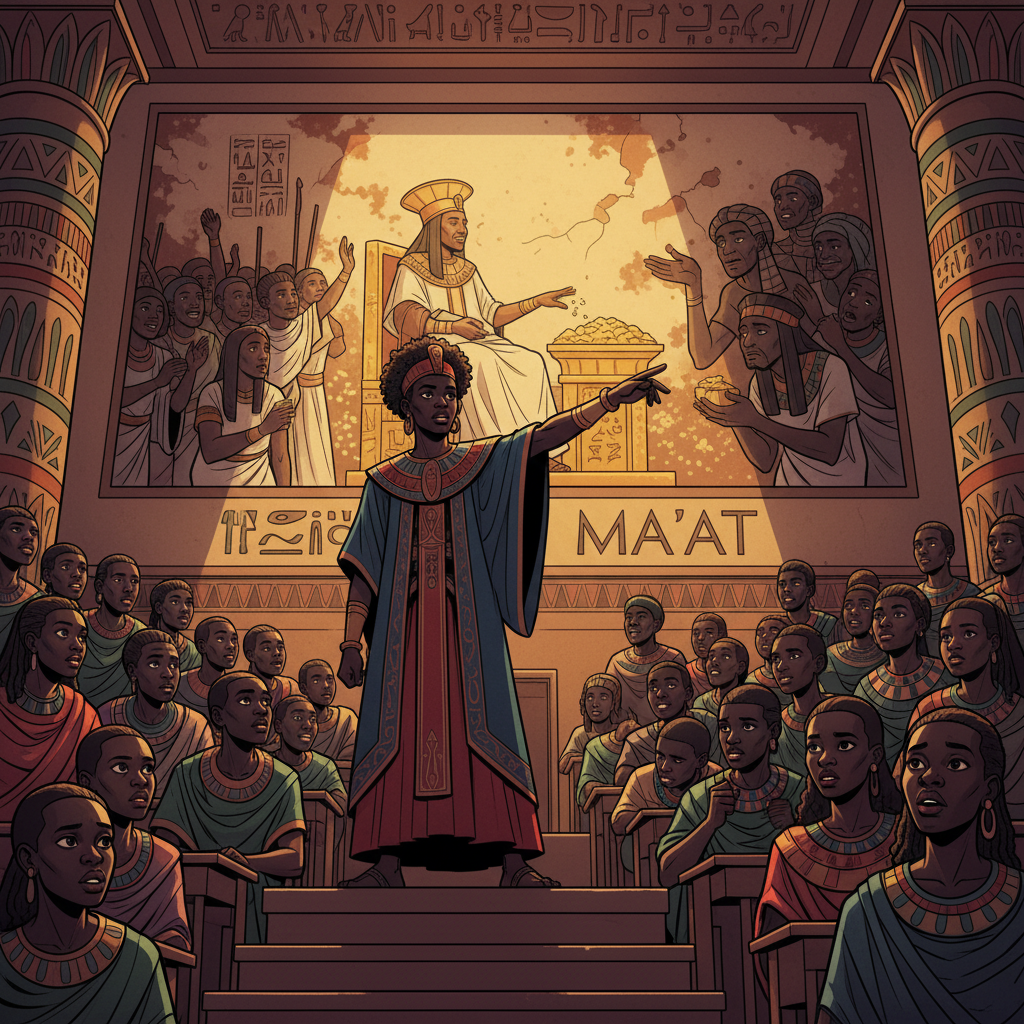
The story of Mansa Musa became a cornerstone of their curriculum at Sankore. Askia taught that the display of wealth, while a source of national pride and religious devotion, also carried a heavy obligation. It was a lesson in the delicate balance of *maat*. He explained that John Henrik Clarke, another great scholar, would later emphasize how such displays, while astounding, simultaneously alerted covetous eyes to Africa’s resources, setting the stage for future incursions. The *mansa* had opened Mali to the world, for better or worse, showcasing a civilization that rivaled any in sophistication and affluence.
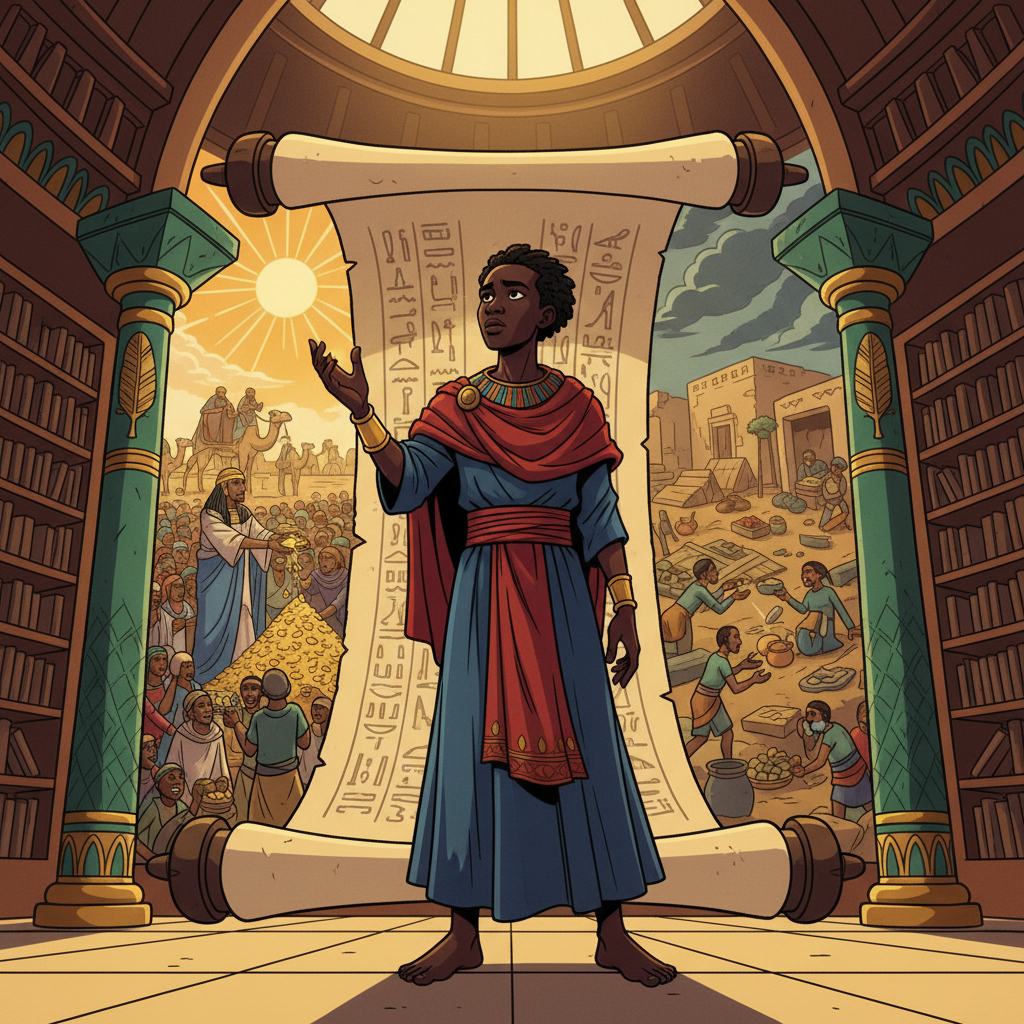
The true measure of a society’s *ka*, Askia believed, was not merely its gold, but its ability to maintain equilibrium and justice. He often pondered if Mansa Musa had been aware of the potential for *isfet* his immense generosity carried. Perhaps the desire to honor Allah and elevate Mali’s stature had overshadowed the practical economic considerations. The tale of the Hajj was a profound exploration of this tension: between the grand gesture of faith and the earthly realities of market forces. It taught that *heka* could be a double-edged sword, capable of manifesting incredible power, but also unintended disorder.
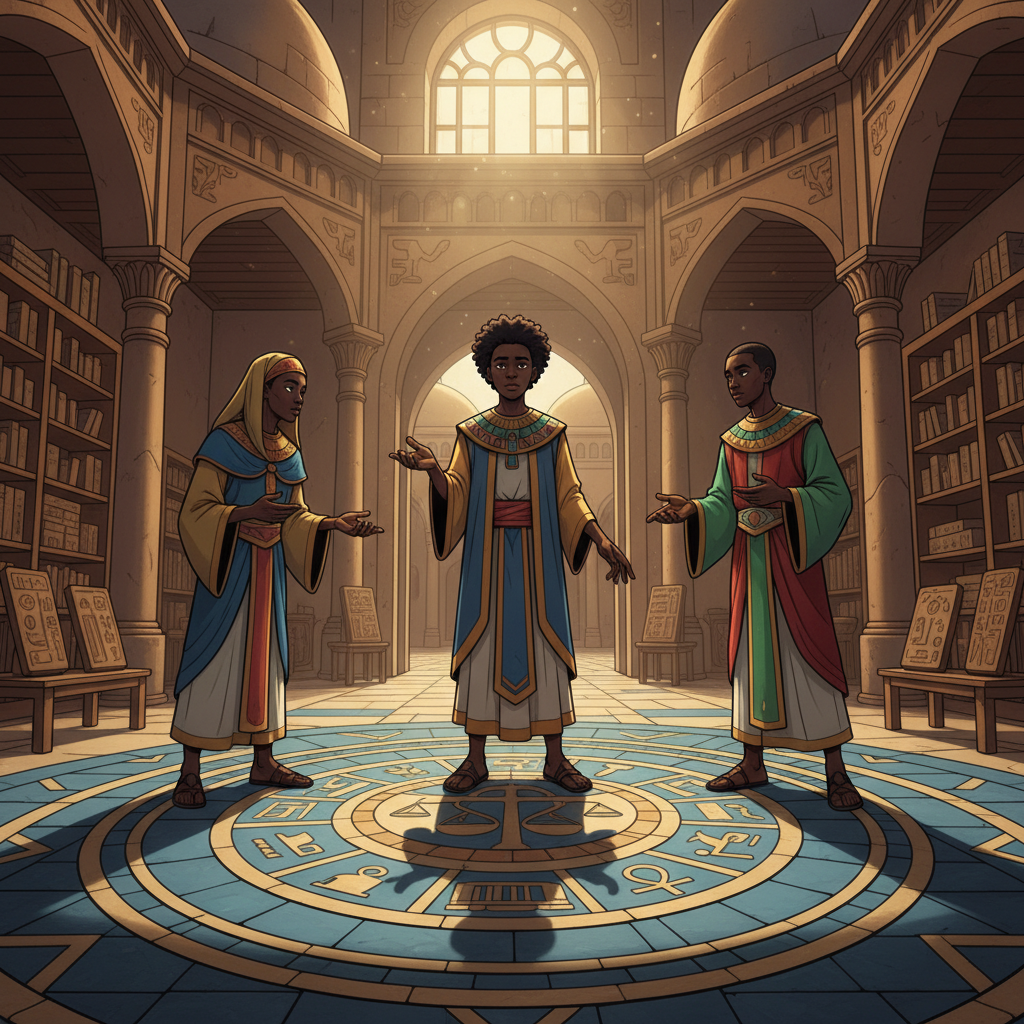
Generosity, usually a virtue, became a question of scale and context. When does giving become destabilizing? When does the pursuit of honor inadvertently lead to chaos? These were the complex ethical dilemmas Mansa Musa's Hajj presented, which Askia and his fellow *seba* at Sankore dissected. They understood that the principles of *maat* required a holistic view: justice, truth, harmony, balance, order, reciprocity, and propriety. A single act, however virtuous in isolation, must be considered within the larger ecosystem of a community, a nation, and indeed, the world. It was a lesson that resonated with the interconnectedness inherent in *ubuntu*.
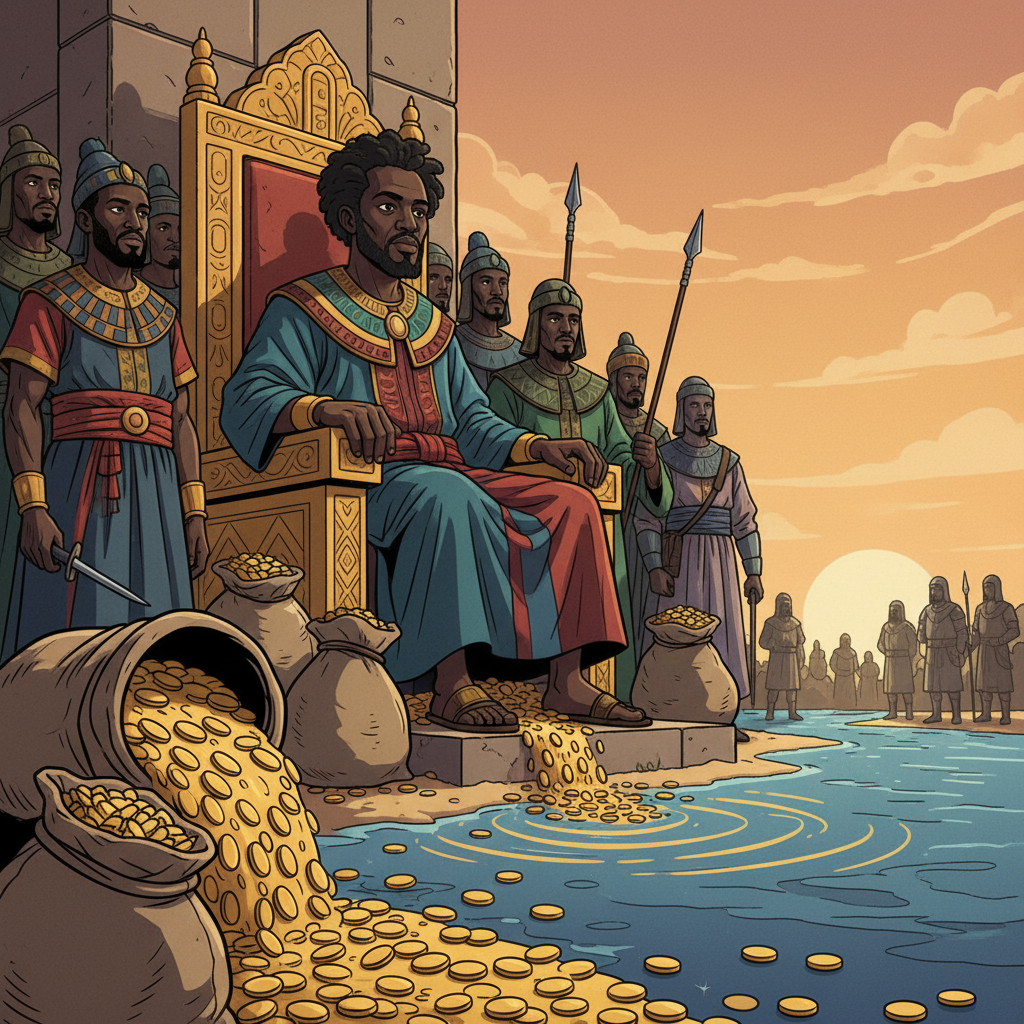
Mansa Musa’s legacy remains multifaceted. He is celebrated as the richest man in human history, a devout Muslim, and a visionary leader who elevated Mali to an unprecedented global prominence. Yet, his actions also serve as a powerful historical case study on the unintended consequences of power and wealth. The devaluation of gold in the Mediterranean, a direct result of his Hajj, was recorded for over a decade. It was a ripple effect that demonstrated the interconnectedness of world economies, even in the 14th century, long before the modern era. The grand display was also an invitation for European powers to eventually seek out Africa's riches.
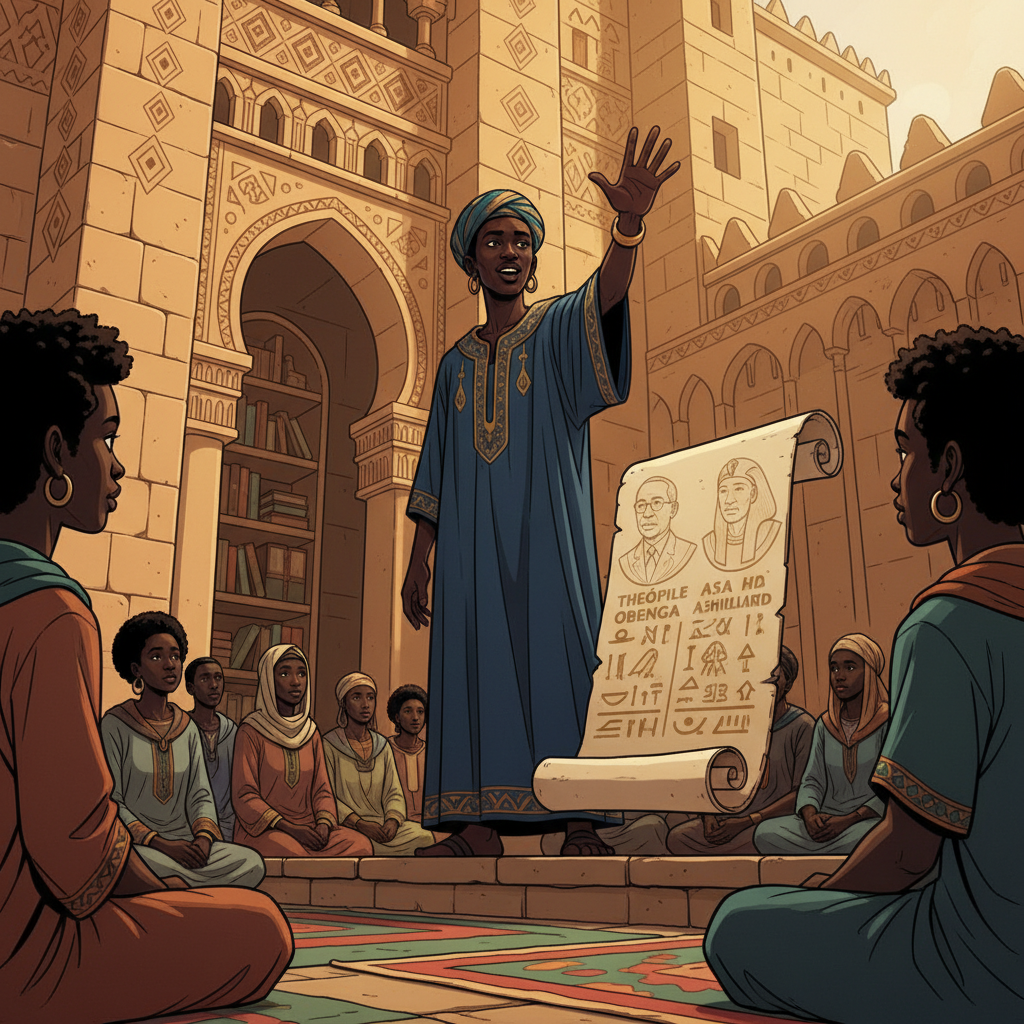
Askia taught that understanding this history, unvarnished, was crucial for future generations. He urged his students to look beyond simple narratives of good or bad, to embrace the full complexity of human actions. He spoke of scholars like Theophile Obenga, who illuminated the continuous thread of African intellectual tradition, and Asa Hilliard, who championed the excellence of African civilizations. Their work affirmed that Mali’s story was not just one of gold, but of sophisticated thought, moral reasoning, and the constant striving for *maat* in a world perpetually threatened by *isfet*.
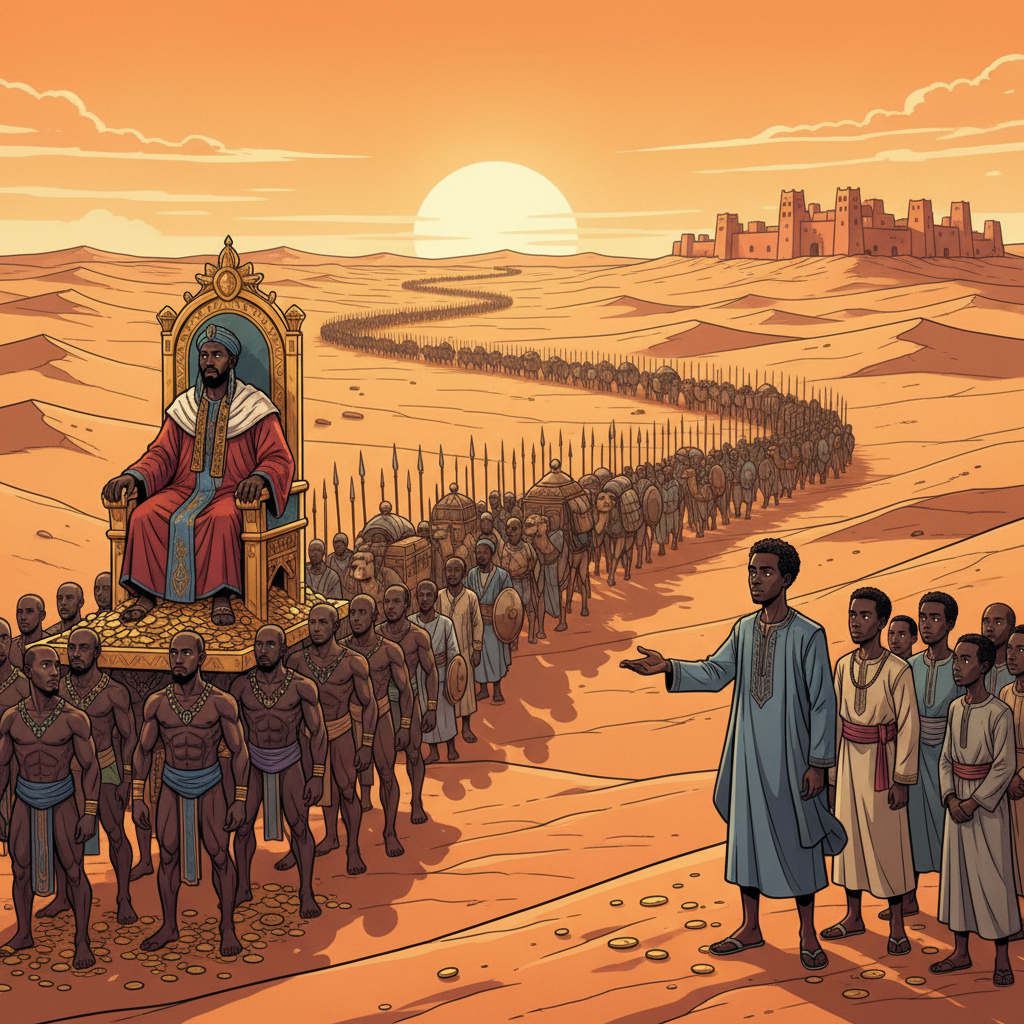
The Golden Throne of Mansa Musa, while dazzling, bore the weight of these lessons. It represented the pinnacle of Malian power and piety, but also the inherent challenges of wielding such immense influence. The journey solidified Mali's place in the global imagination, yet also highlighted the vulnerabilities that came with such visibility. It was a story of a *mansa* who, in striving for the highest ideals of his faith and his empire, inadvertently created a profound economic *isfet*, compelling future leaders to contemplate the true cost of their grandest gestures. The *ka* of Mali was undeniable, but its manifestation required constant vigilance.
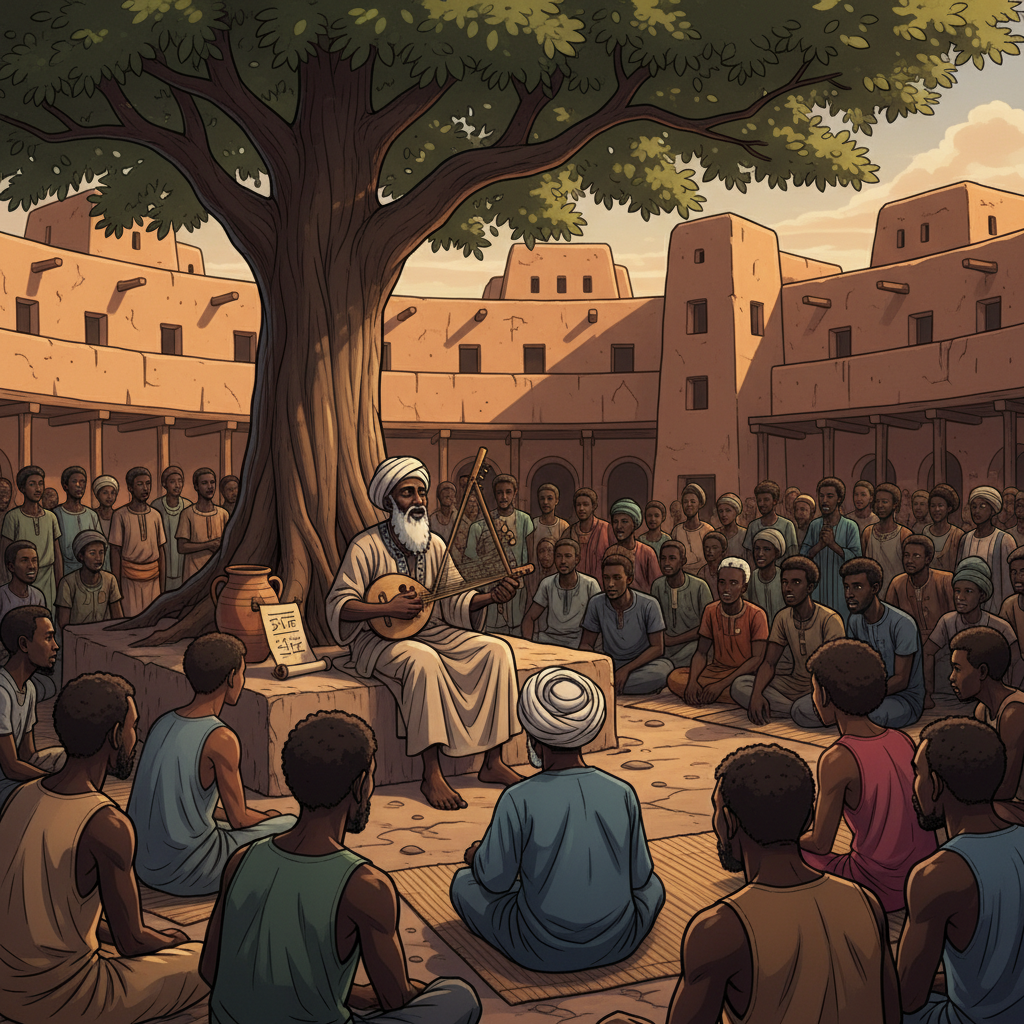
Years later, a new *griot* would arrive at Sankore, his *kora* humming ancient melodies. He sang of Sundiata Keita, the Lion King, and the foundational wisdom of the *Manden Charter*. Then, he sang of Mansa Musa, not just of his wealth, but of the paradox it presented. He spoke of the balance between generosity and prudence, between displaying glory and maintaining stability. His songs, imbued with *heka*, echoed Askia’s teachings: that true leadership, guided by *maat*, requires foresight and an understanding of how even the most virtuous actions can cast long, complicated shadows across the land and its people, shaping destinies for generations.
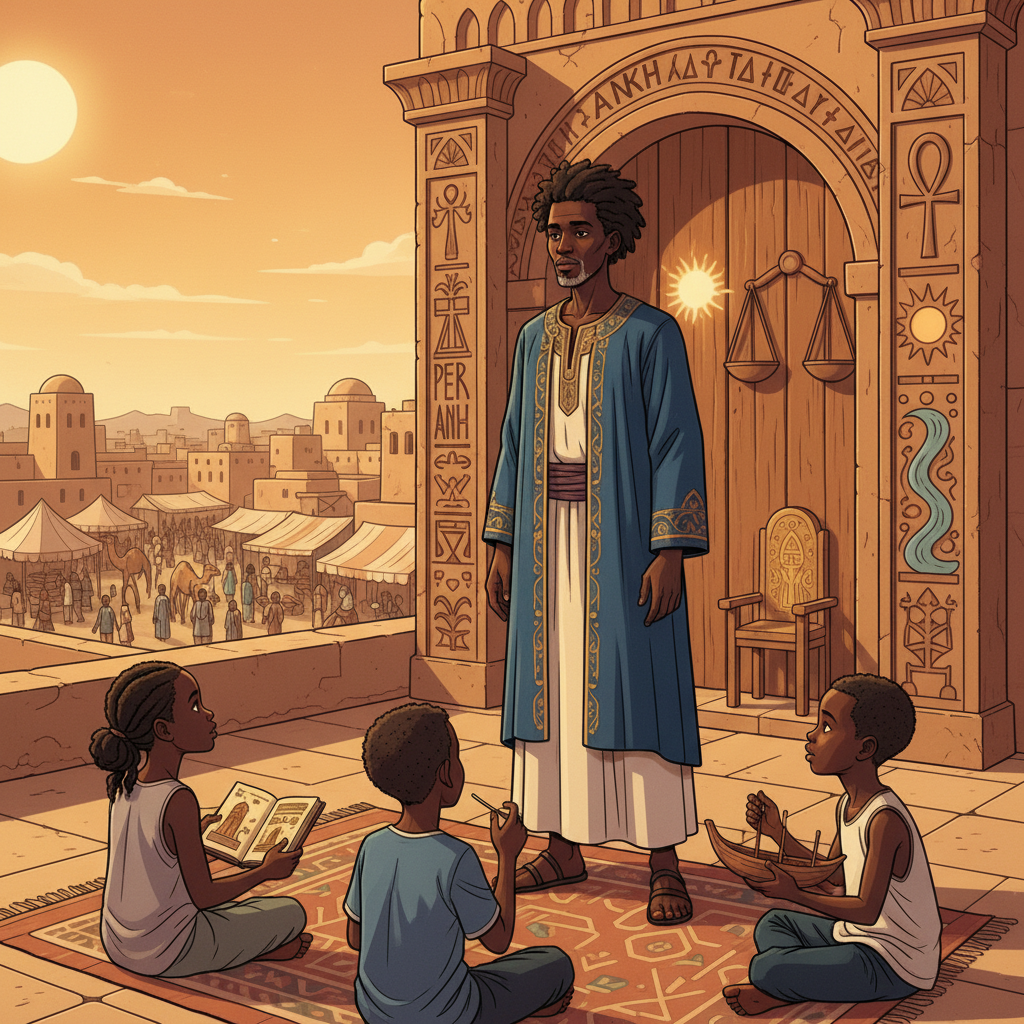
The Per Ankh Reader platform, through stories like this, sought to equip young minds with the intellectual tools to navigate such complexities. It was not enough to know the facts of history; one must grapple with its moral ambiguities. Mansa Musa’s Hajj stands as a monumental achievement, a testament to African power and devotion. But it also serves as a poignant reminder that the pursuit of *maat* is a continuous journey, fraught with unforeseen challenges, where even the most golden intentions can, without careful stewardship, inadvertently sow the seeds of *isfet*. The *ankh* of life demands balance in all things, especially in the wielding of power and the sharing of wealth.