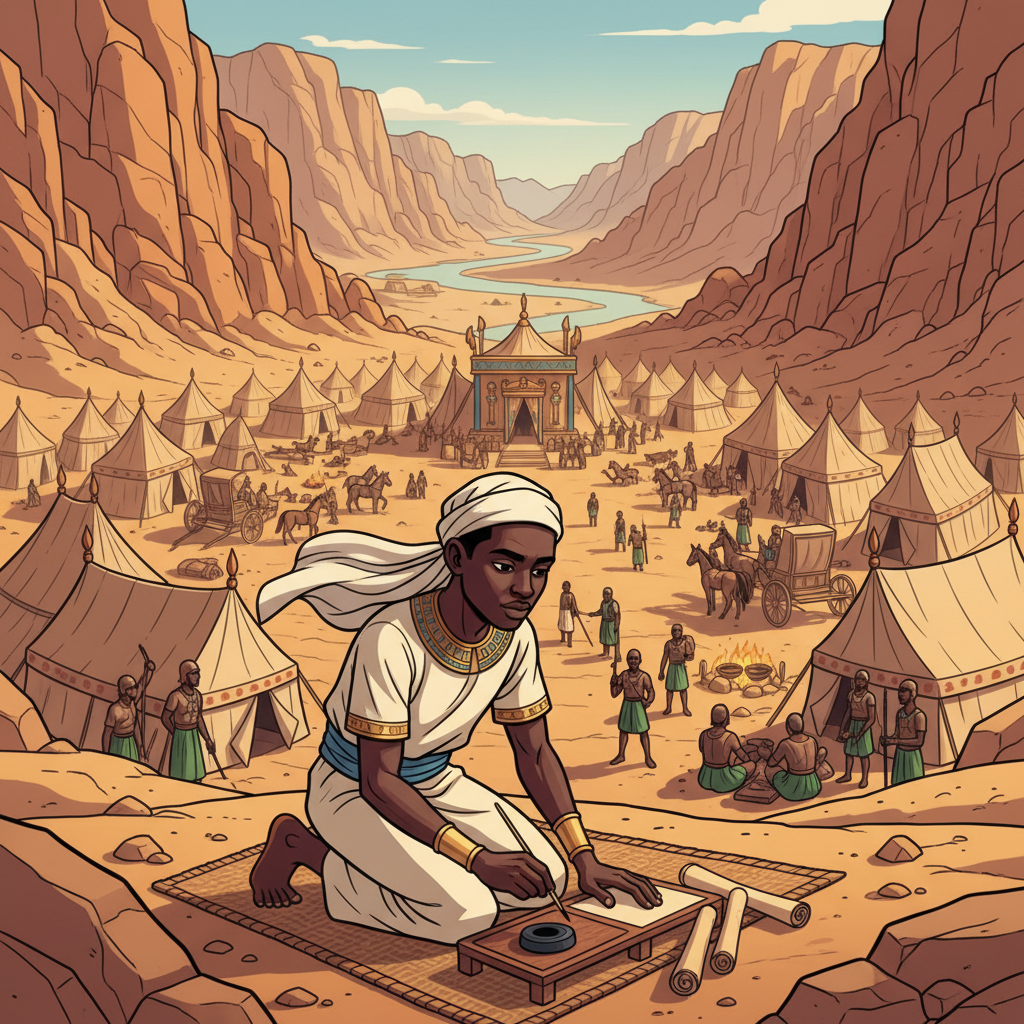
Shabaka dipped his reed pen into the ink cake and waited. He was seventeen years old, one of the youngest scribes ever permitted to accompany the royal court on a military campaign. His skin was deep black — the unmistakable complexion of the people of Napata — and his close-cropped 4C hair was covered by a white linen cloth to keep the desert sand from his scalp.
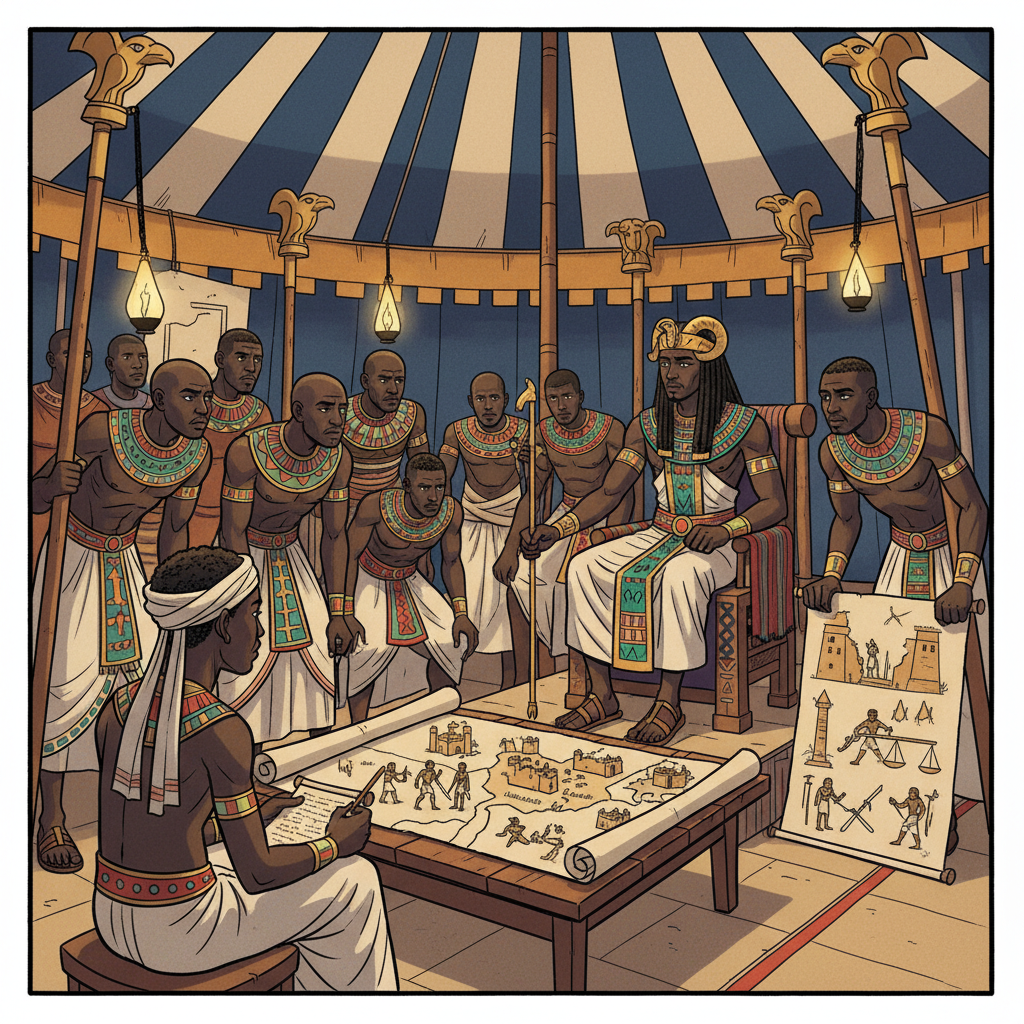
He sat in the command tent of King Piye, ruler of Kush and lord of the lands south of the fourth cataract. Around him, generals and advisors argued in low, urgent voices. The news from the north was dire: Kemet was fracturing. Local warlords and Libyan chiefs had carved the ancient land into petty kingdoms, each fighting the others. The temples were neglected. The gods were dishonored. Maat was crumbling.
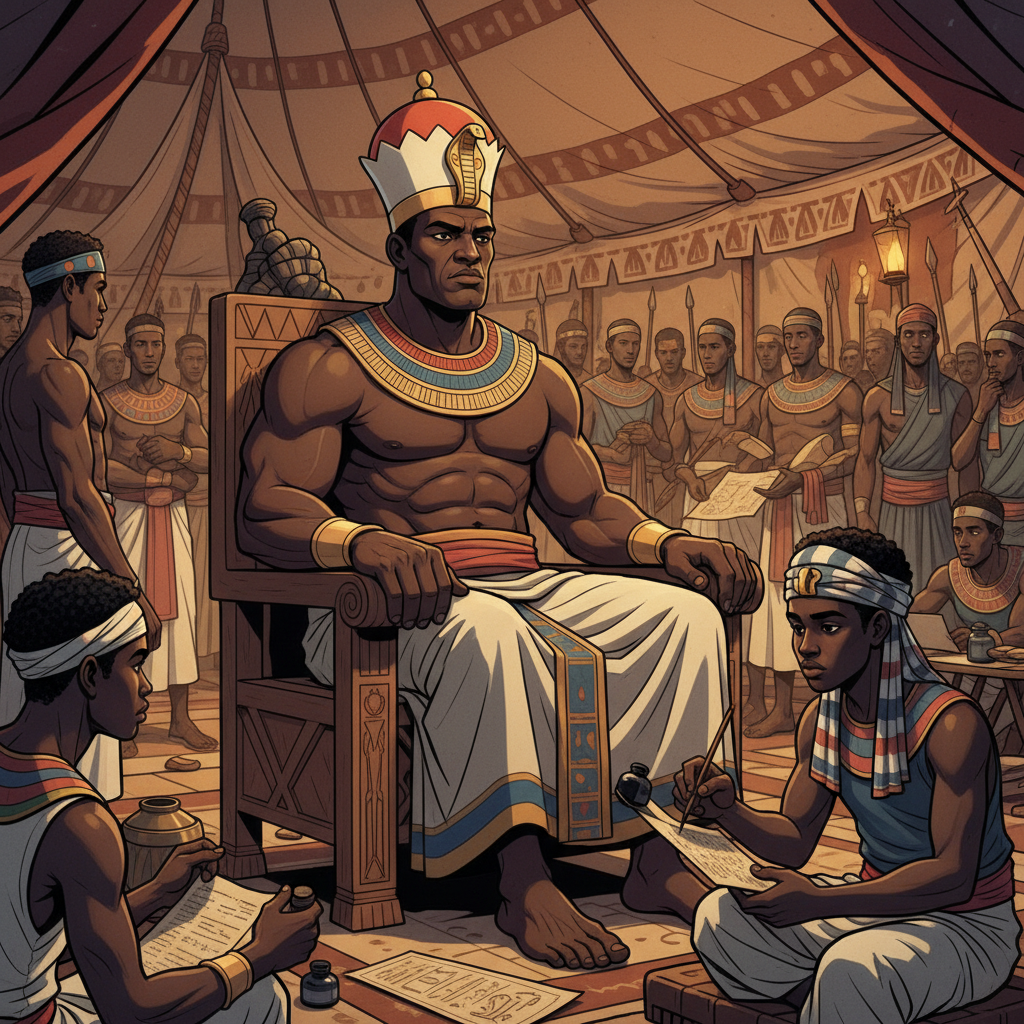
Piye sat on a low wooden throne at the center of the tent. He was a massive man — broad-shouldered, with arms like carved mahogany and a face that could shift from warm laughter to cold fury in a heartbeat. He wore a golden uraeus on his brow and the double crown of the Two Lands, though he had not yet set foot in the northern kingdom. He believed the crown was his by divine right — and by duty.
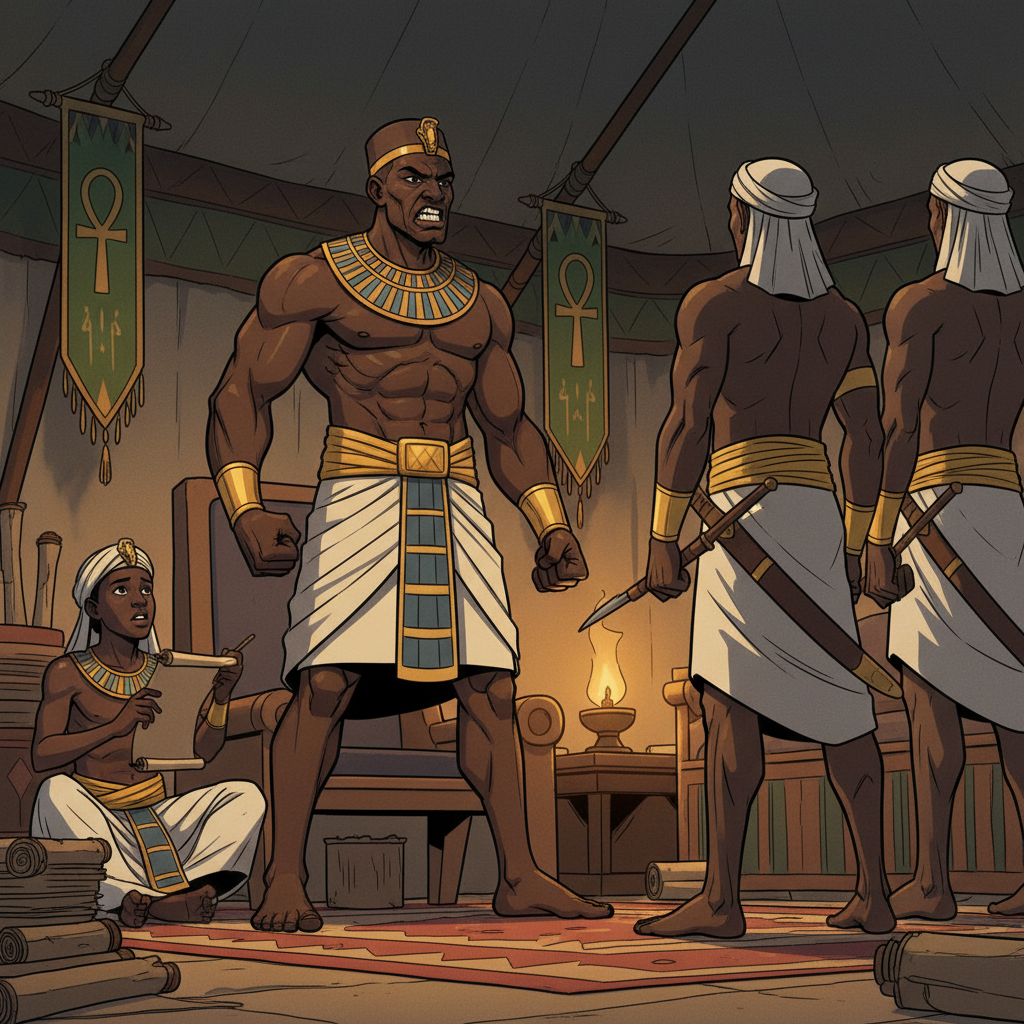
"They have let the temples fall into ruin," Piye said, his voice heavy with genuine grief. "The offering tables are bare. The priests scatter like birds. And worst of all —" he paused, his jaw tightening, "— they have mistreated the horses." Shabaka looked up from his papyrus. Of all the offenses Piye listed, the treatment of horses seemed to anger him most. In Kush, horses were sacred — partners in life, not tools to be abused.
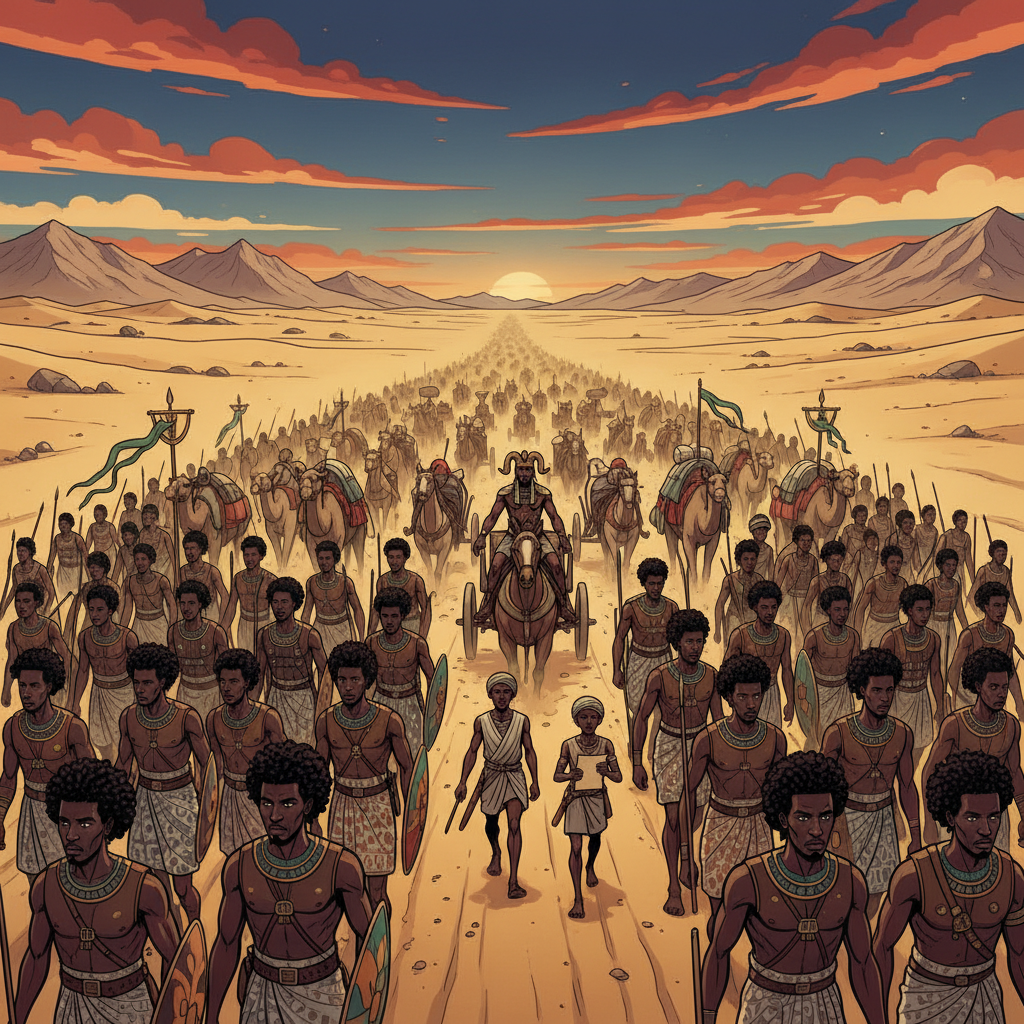
The decision to march north had not come easily. Piye had sent warnings for years — letters demanding that the northern rulers restore Maat, care for the temples, and stop their civil wars. They had ignored him. Some had laughed. One warlord, Tefnakht of Sais, had actually sent back a message saying, "Kush is a land of cattle herders. What do cattle herders know of ruling Kemet?"
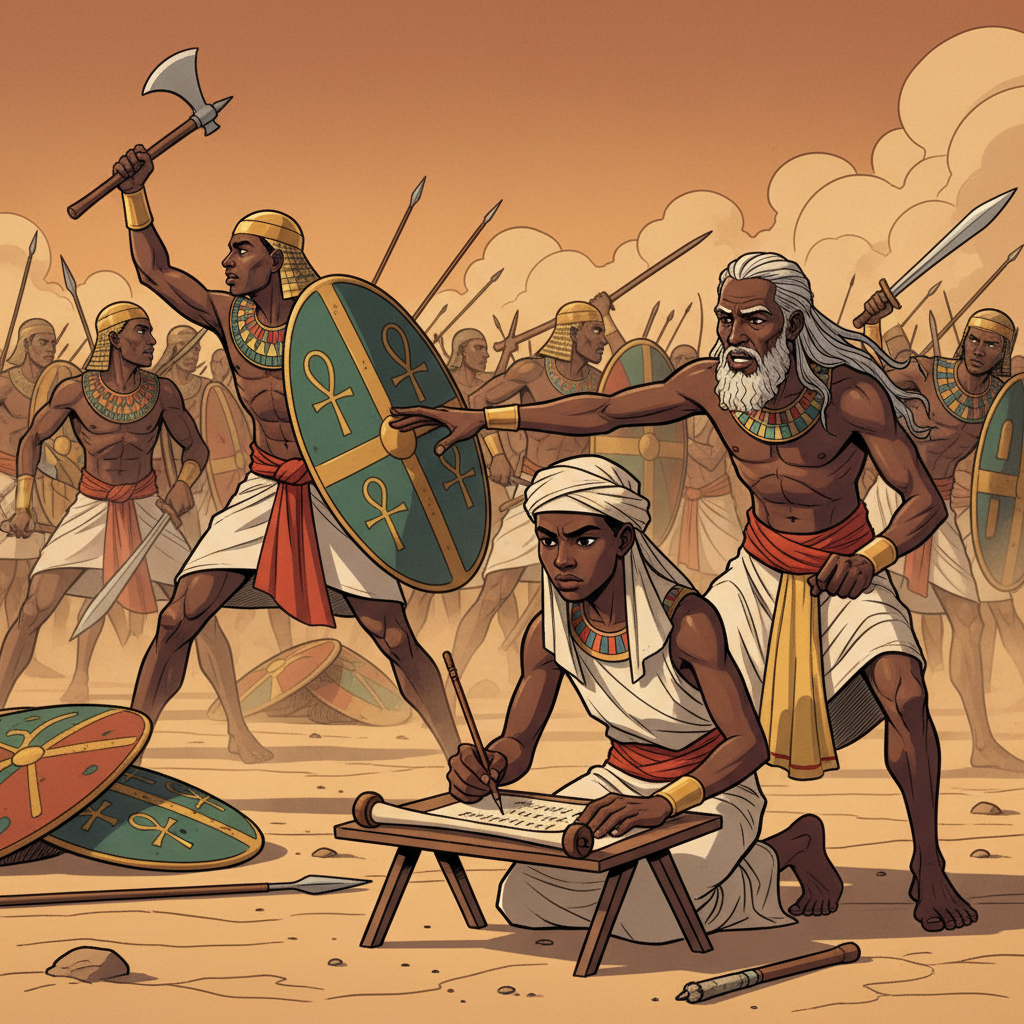
Shabaka recorded everything. That was his duty — to write the truth of what happened so that future generations would know. His master, an old scribe named Huy, had taught him the sacred responsibility of the written word. "A scribe who lies is worse than a soldier who flees," Huy had said. "The soldier abandons one battle. The lying scribe corrupts all of history."
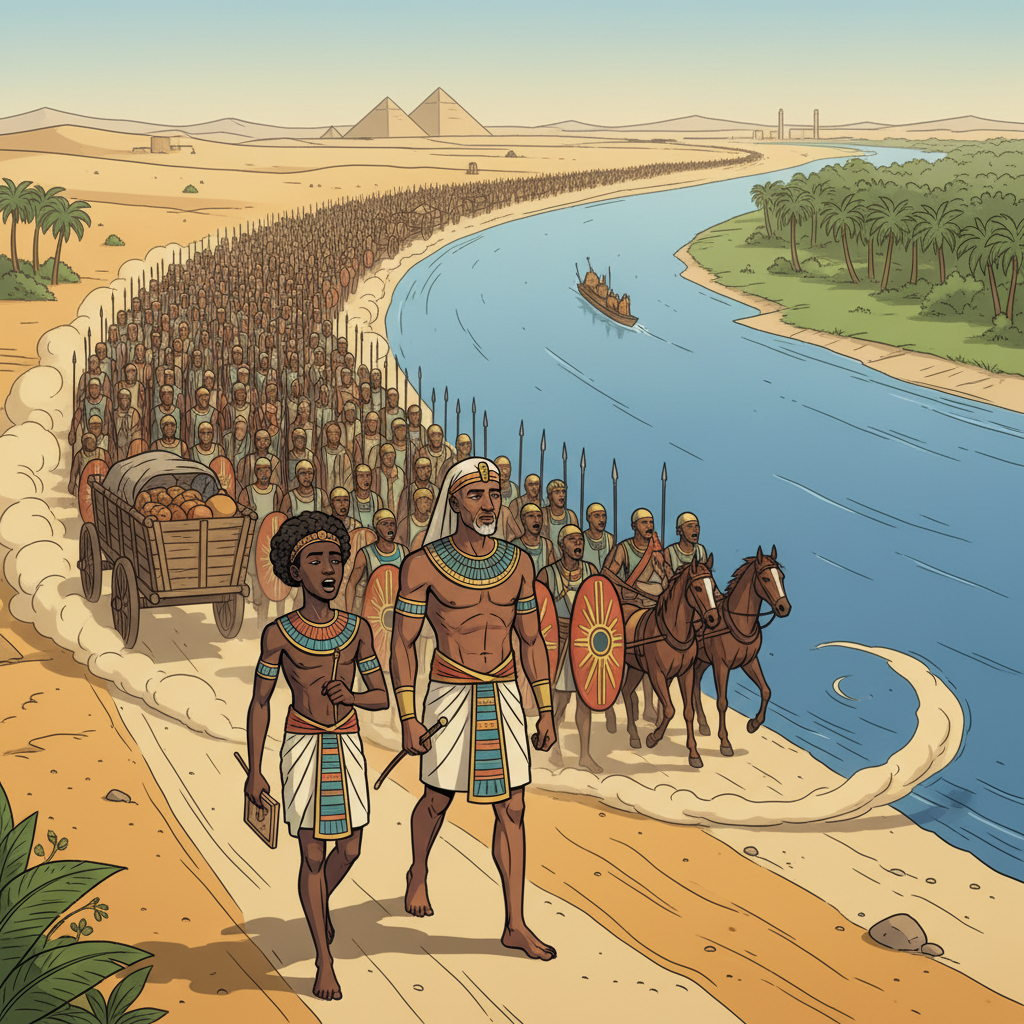
The army of Kush marched north along the Nile — twenty thousand soldiers, horses, and supply wagons stretching for miles along the river road. Shabaka walked near the front, close enough to the king to hear his orders. The soldiers sang marching songs in the Kushite tongue, songs about the ancestors who had built the pyramids of Napata and the temples of Jebel Barkal.
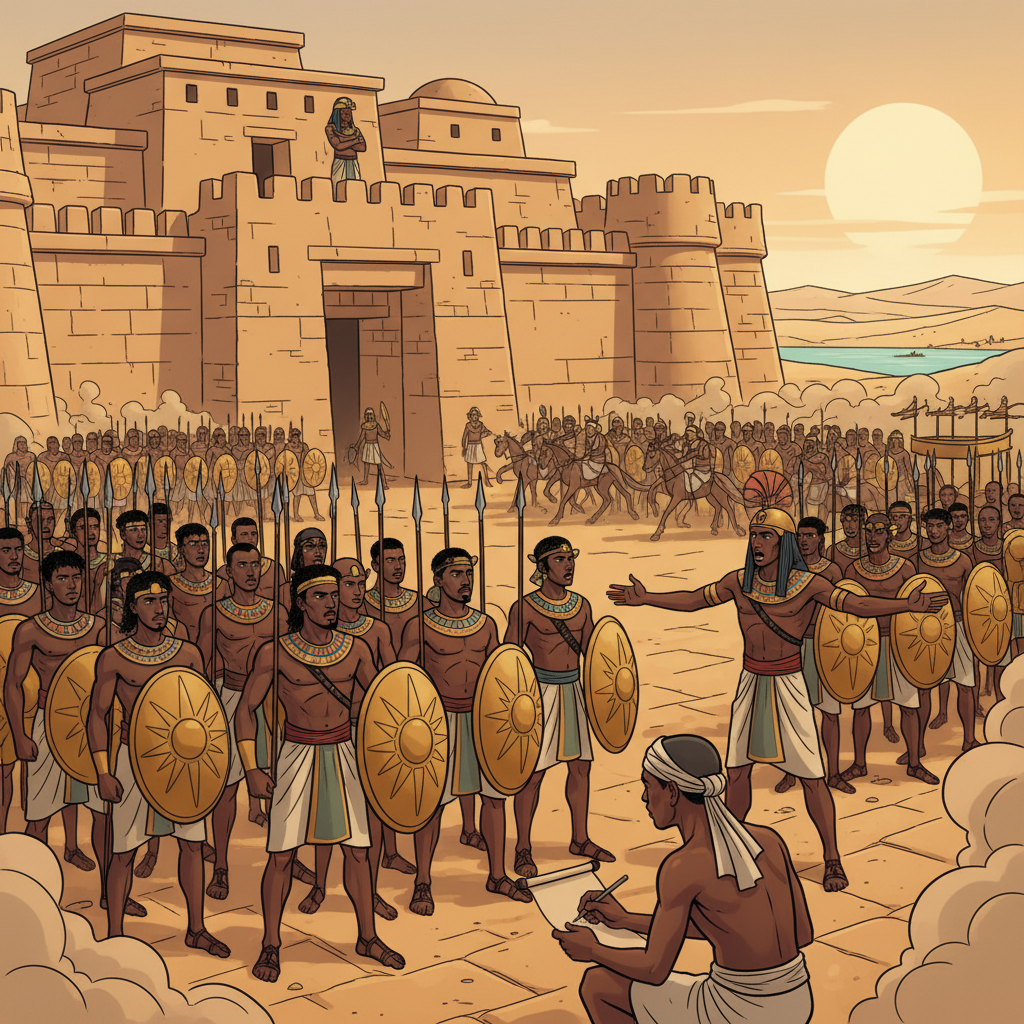
The first resistance came at the city of Hermopolis, where a local ruler named Nimlot had declared himself king. Piye surrounded the city but did not immediately attack. Instead, he sent a messenger: "Open your gates. Restore the temples. Submit to Maat. If you do these things, no one will be harmed." Nimlot refused. The siege lasted three weeks.
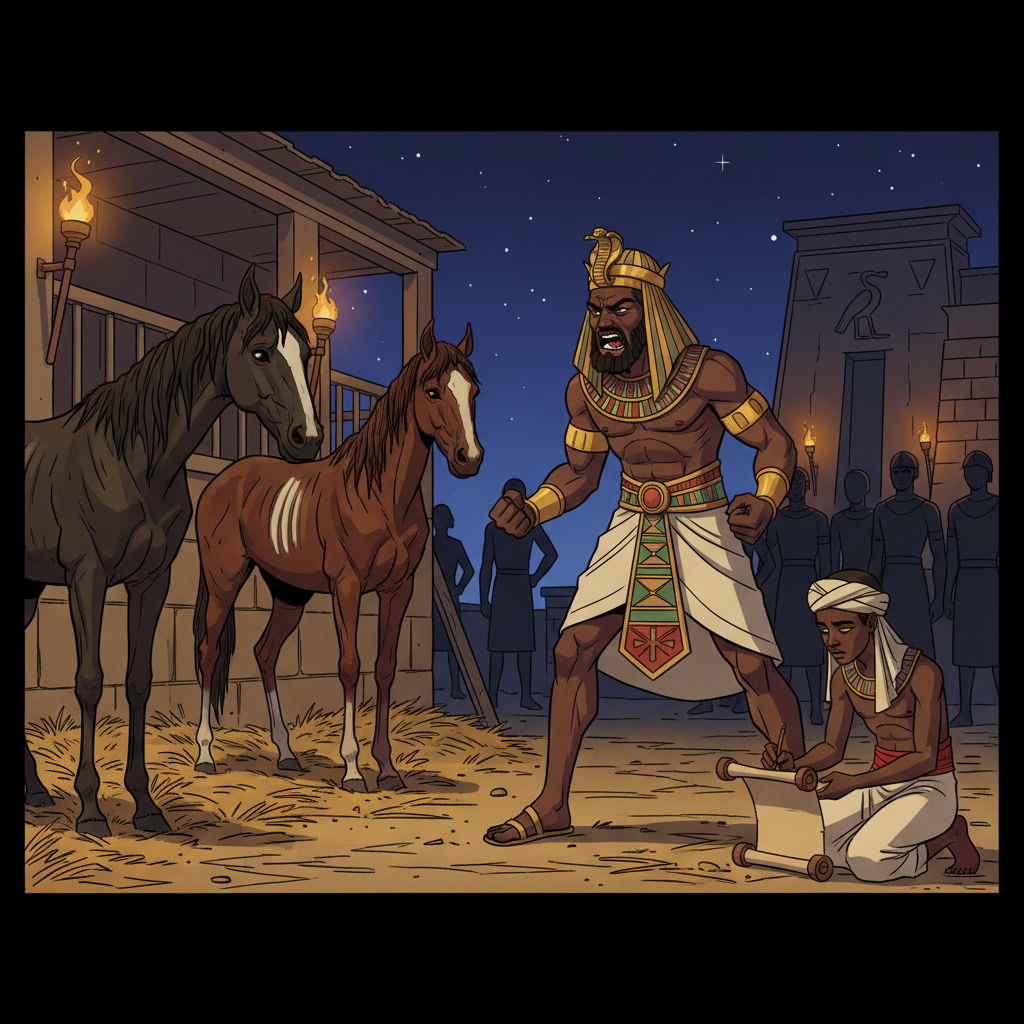
When Hermopolis finally fell, Piye entered the city not as a conqueror seeking plunder but as a pharaoh restoring order. His first act was to visit the temple of Thoth and make offerings. His second act was to inspect the royal stables. What he found there filled him with rage — horses standing in filth, underfed and neglected. Shabaka recorded the king's exact words: "I swear by Ra who loves me, it is more painful to me that my horses have been starved than any other crime you have committed."
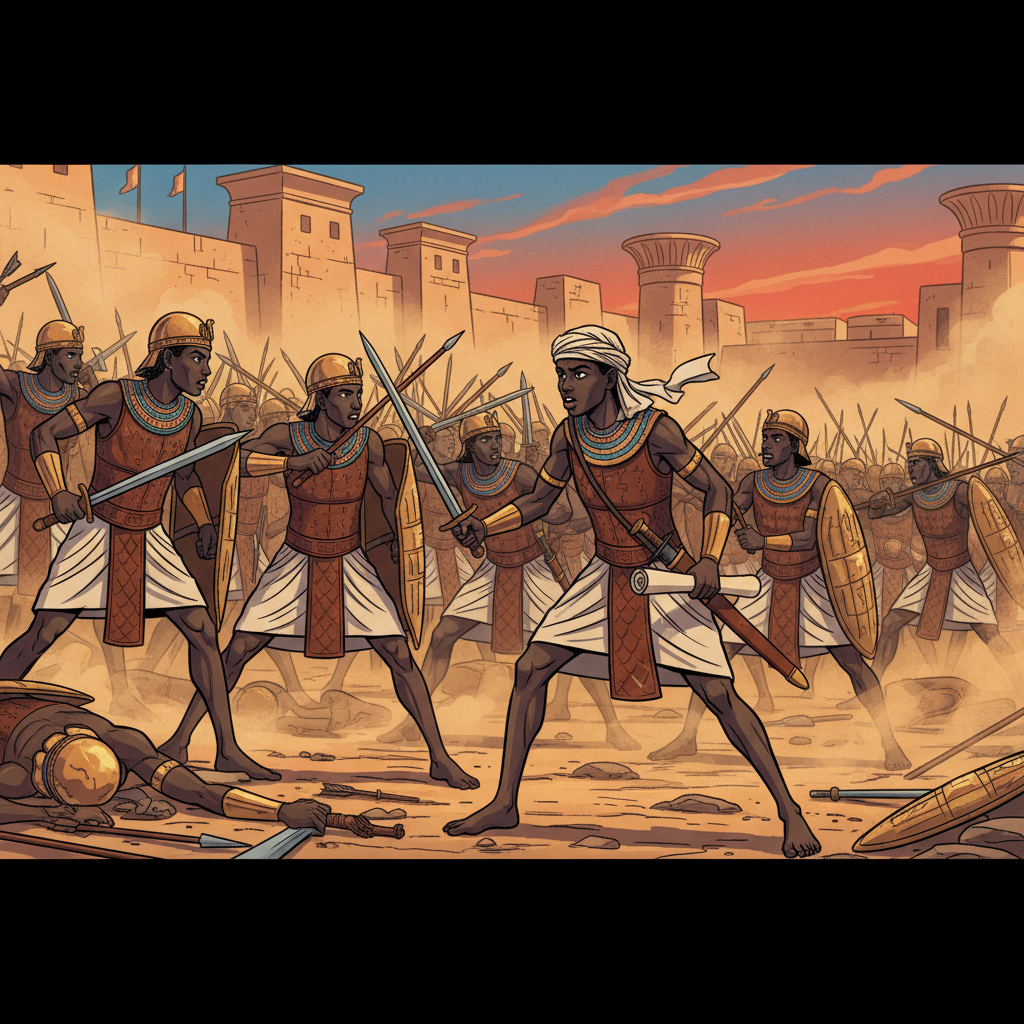
The march continued north toward Memphis, the ancient capital. City after city opened its gates as word spread of Piye's approach. Some rulers surrendered willingly, grateful that someone was finally restoring order. Others fought and were defeated. In every captured city, Piye followed the same pattern: first the temple, then the stables, then justice for the people.
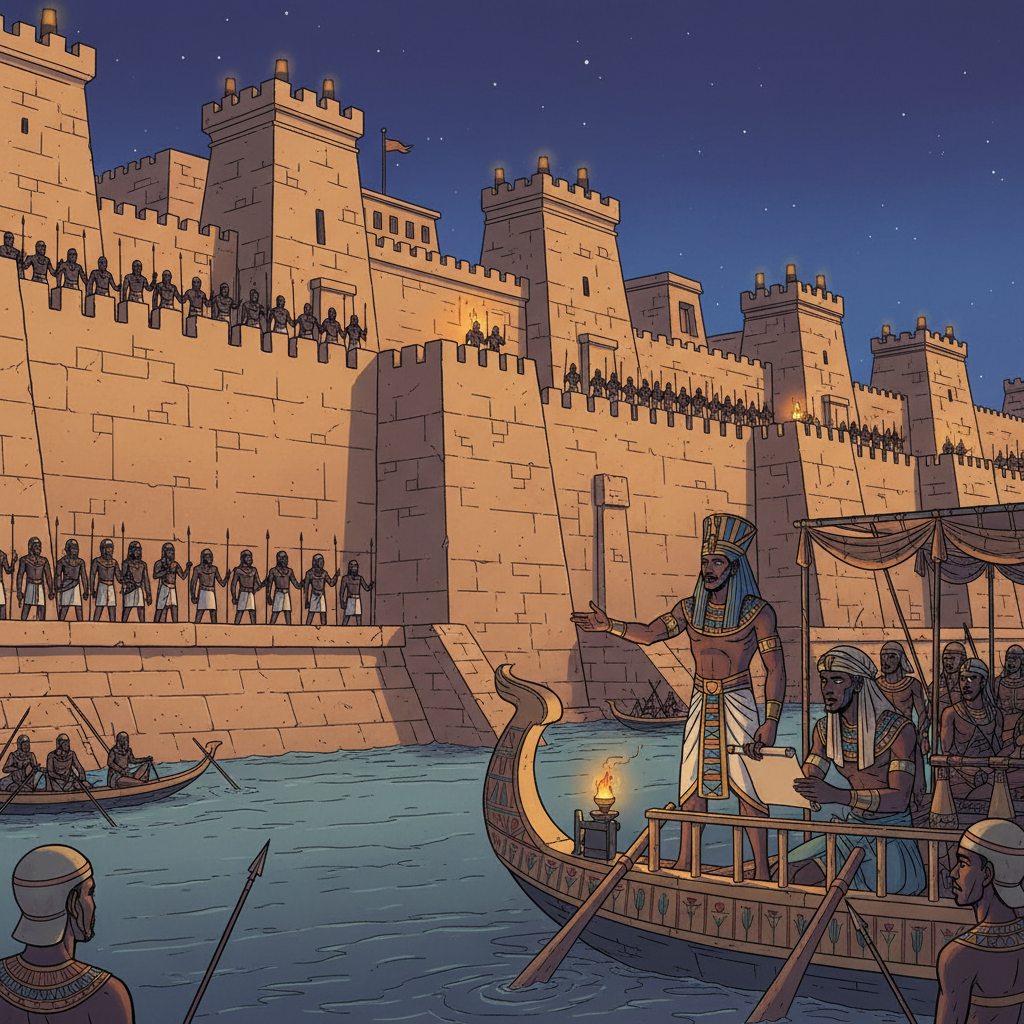
Memphis itself was heavily fortified. Tefnakht's allies held the city with a large garrison and high walls. Piye studied the defenses from across the river. His generals wanted to starve the city into submission, but Piye chose a different approach. He noticed that the Nile floods had raised the water level to the base of the city walls on the harbor side. "Bring the boats," he ordered.
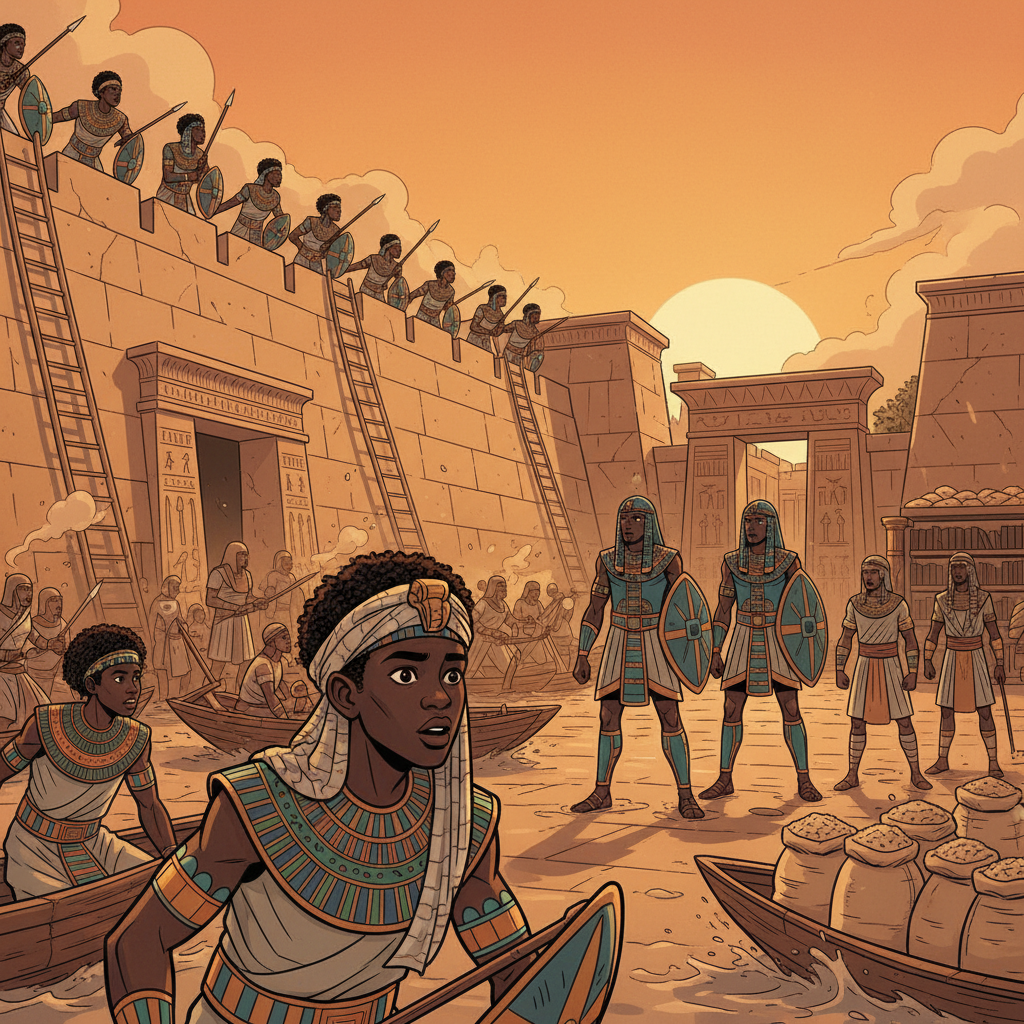
The assault on Memphis came at dawn. Kushite soldiers scaled the walls from boats in the flooded harbor — an attack from the one direction the defenders had not expected. The city fell in a single day. Shabaka was among the first scribes to enter, and what he saw amazed him: Piye had ordered his soldiers to protect every temple, every library, every storehouse of grain. There was no looting. There was no massacre.
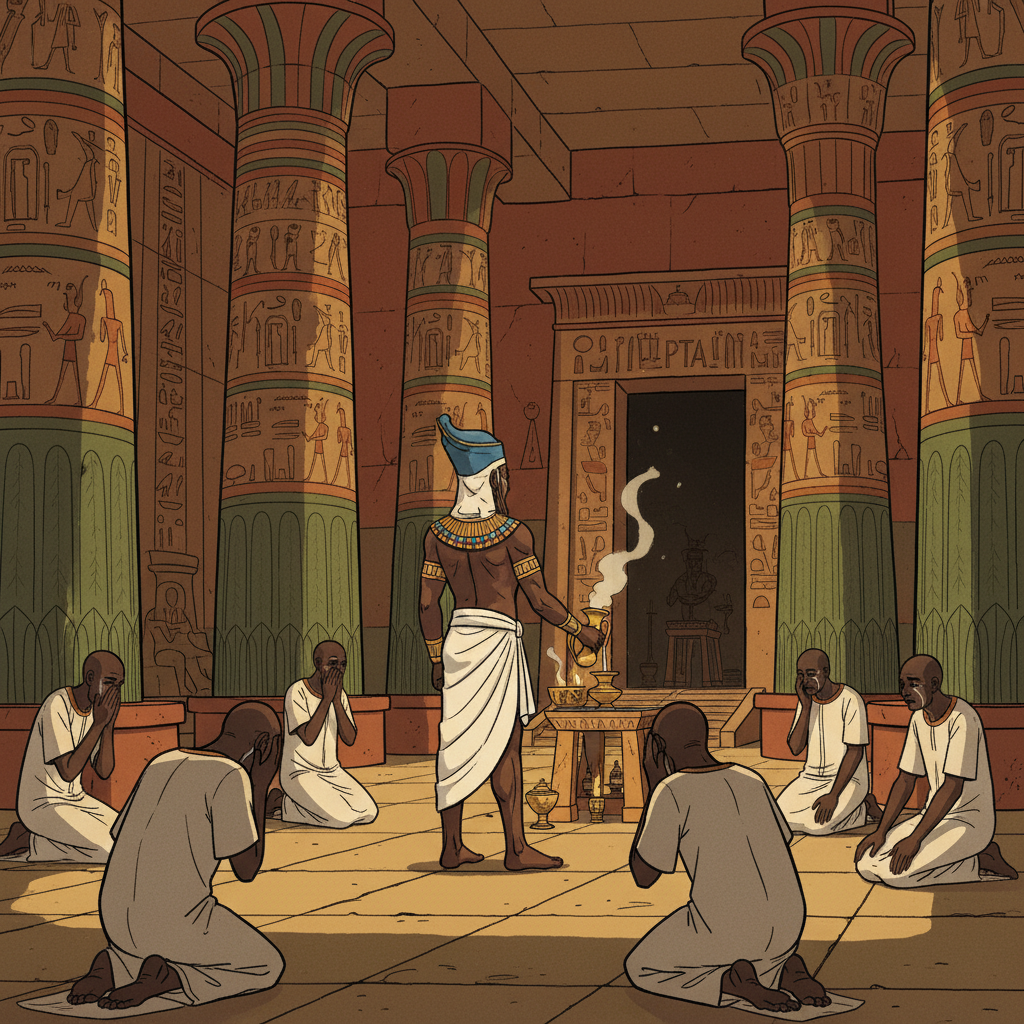
In the great temple of Ptah at Memphis, Piye performed the ancient rituals that only a true pharaoh could perform. He purified himself, entered the holy of holies, and made offerings to the creator god. The priests of Memphis — men who had served a dozen petty warlords — wept to see the ceremonies performed correctly for the first time in years.
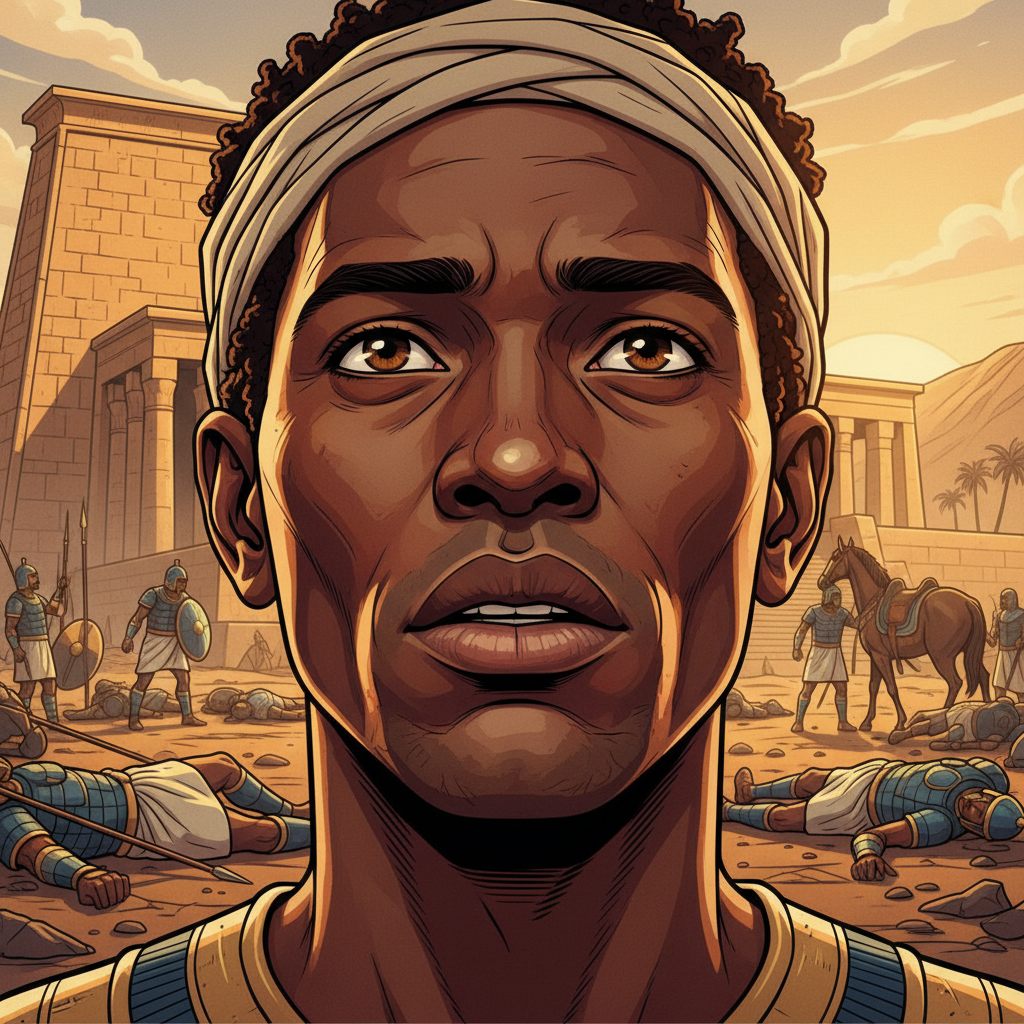
Shabaka watched all of this with growing wonder and growing questions. He had been taught that Kush was restoring Maat to Kemet — that this was a righteous campaign. And in many ways it was. The temples were restored. The horses were fed. Justice returned to cities that had known only chaos. But Shabaka also saw the dead on both sides, and he wondered: can Maat truly be restored through war?
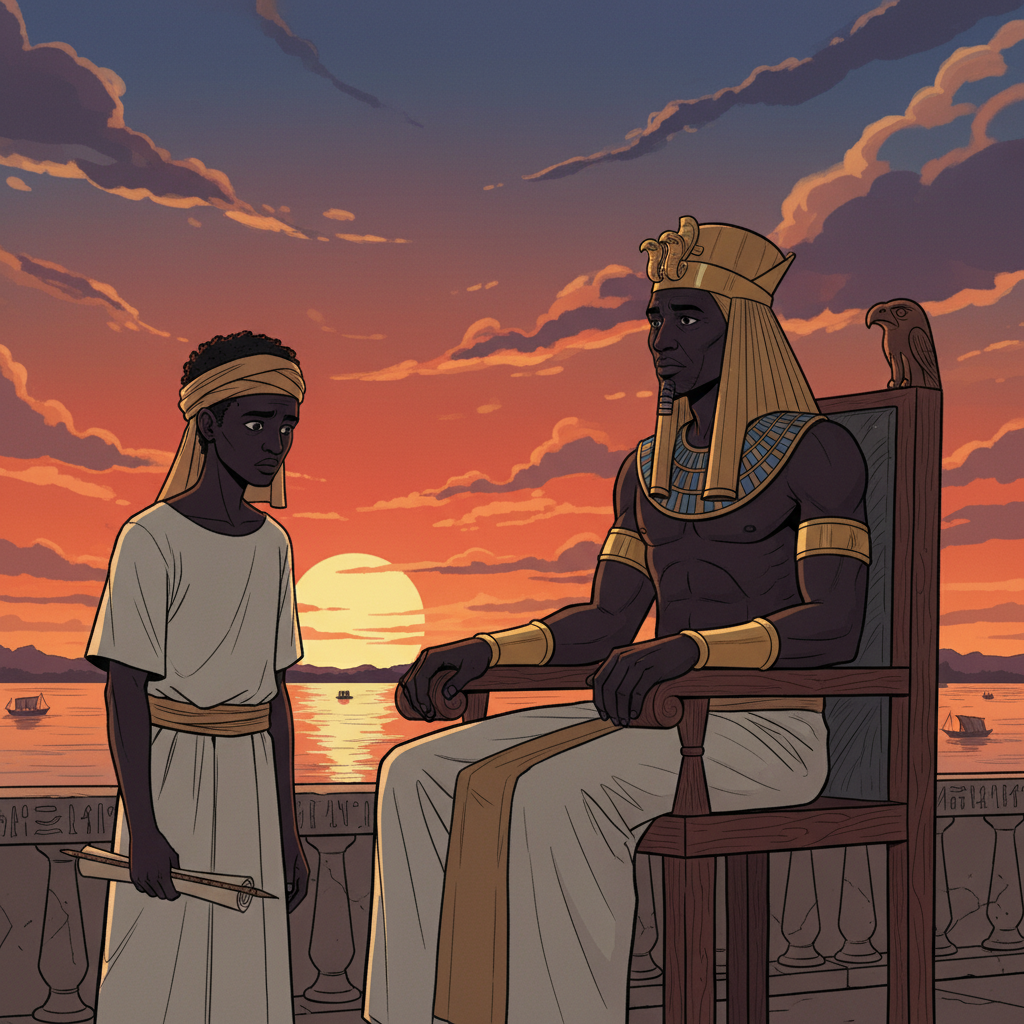
He brought this question to King Piye himself one evening, as the king sat alone watching the sun set over the Nile. "My king, I must write the truth. Was this march truly about Maat? Or was it about power?" Piye was quiet for a long time. When he spoke, his voice was soft. "It was about both, young scribe. And that is the burden of a king. Sometimes the only path to justice passes through war."
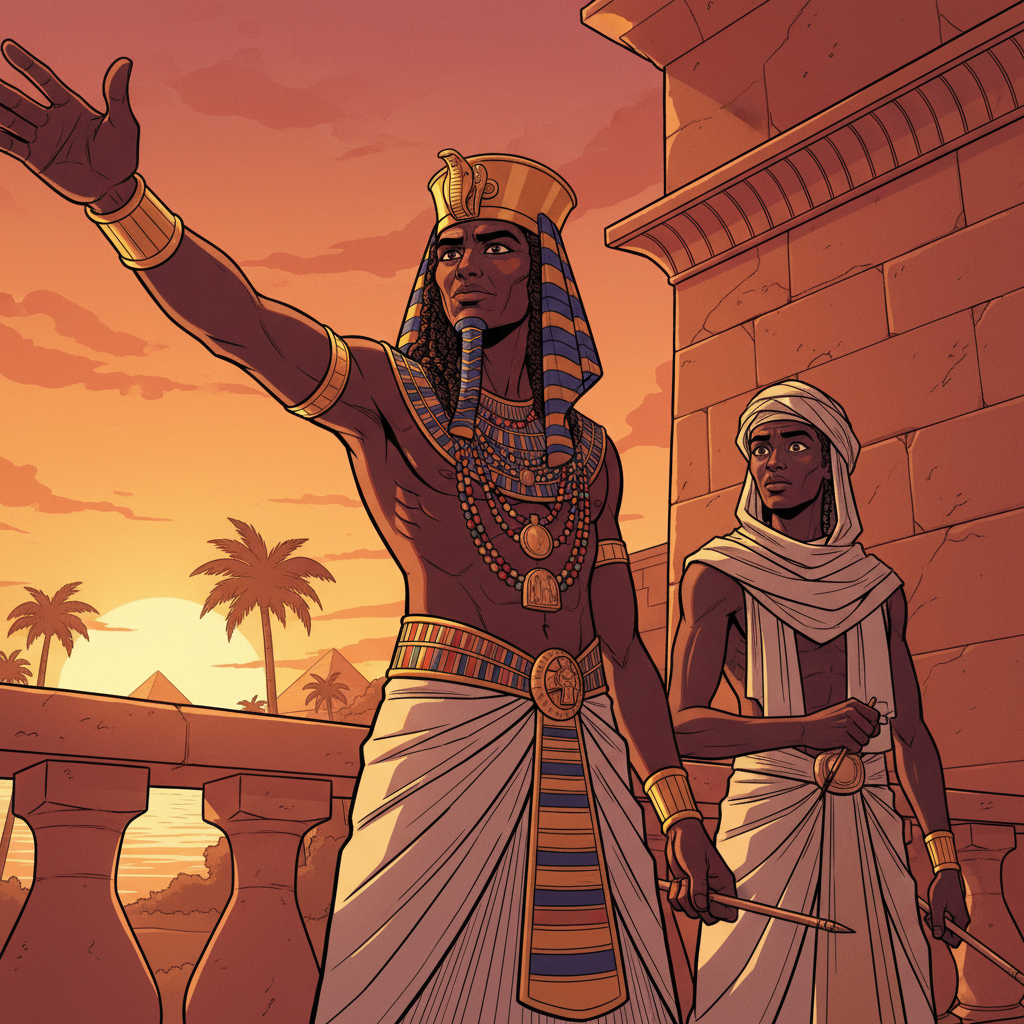
"But here is what separates a righteous king from a tyrant," Piye continued. "A tyrant conquers and stays. He takes the wealth, enslaves the people, and calls it glory. I will do none of these things. We will restore the temples, appoint just governors, and then we will go home. Kush does not need Kemet's throne. Kemet needs Kemet's throne — occupied by someone who will honor it."
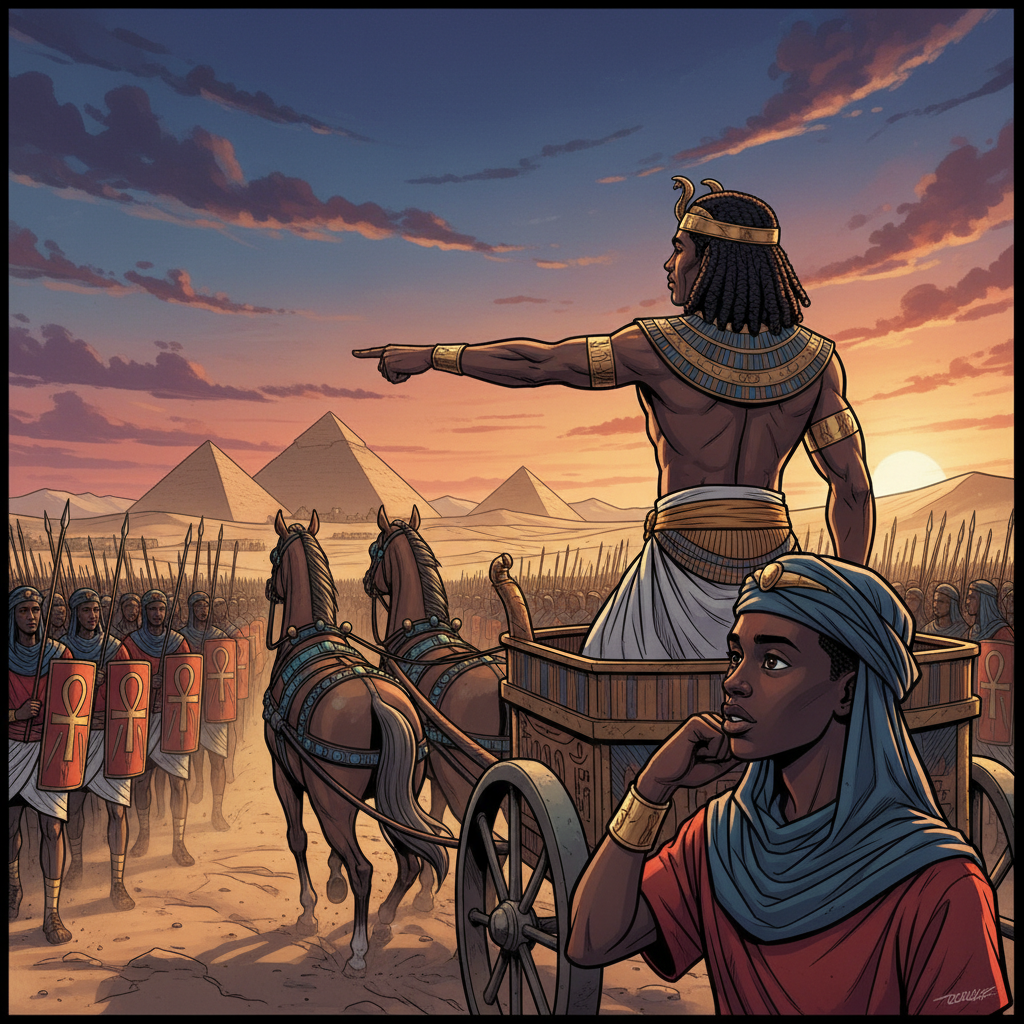
True to his word, Piye did not stay in Kemet. After receiving the submission of every major ruler in the land — after being crowned pharaoh of the Two Lands, lord of Ta-Shemau and Ta-Mehu, from the Delta to the cataracts — he turned his army south and marched home to Napata. No other conqueror in the ancient world had ever done such a thing. He had won an empire and then walked away from it.
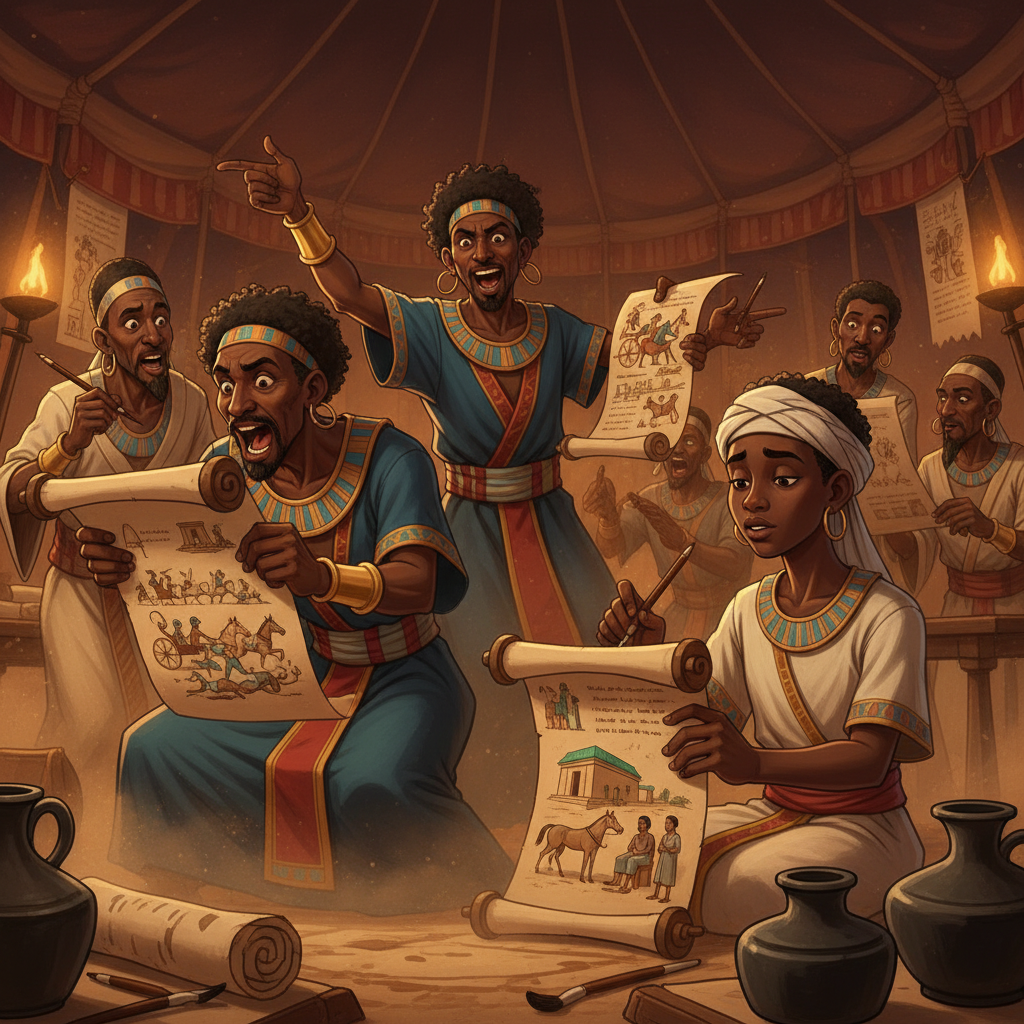
The other scribes in the campaign wrote glorious accounts of battles won and enemies humiliated. Shabaka wrote something different. He wrote about the temples restored, the horses fed, the justice administered, and the remarkable restraint of a king who conquered the richest kingdom in the world and chose to go home.
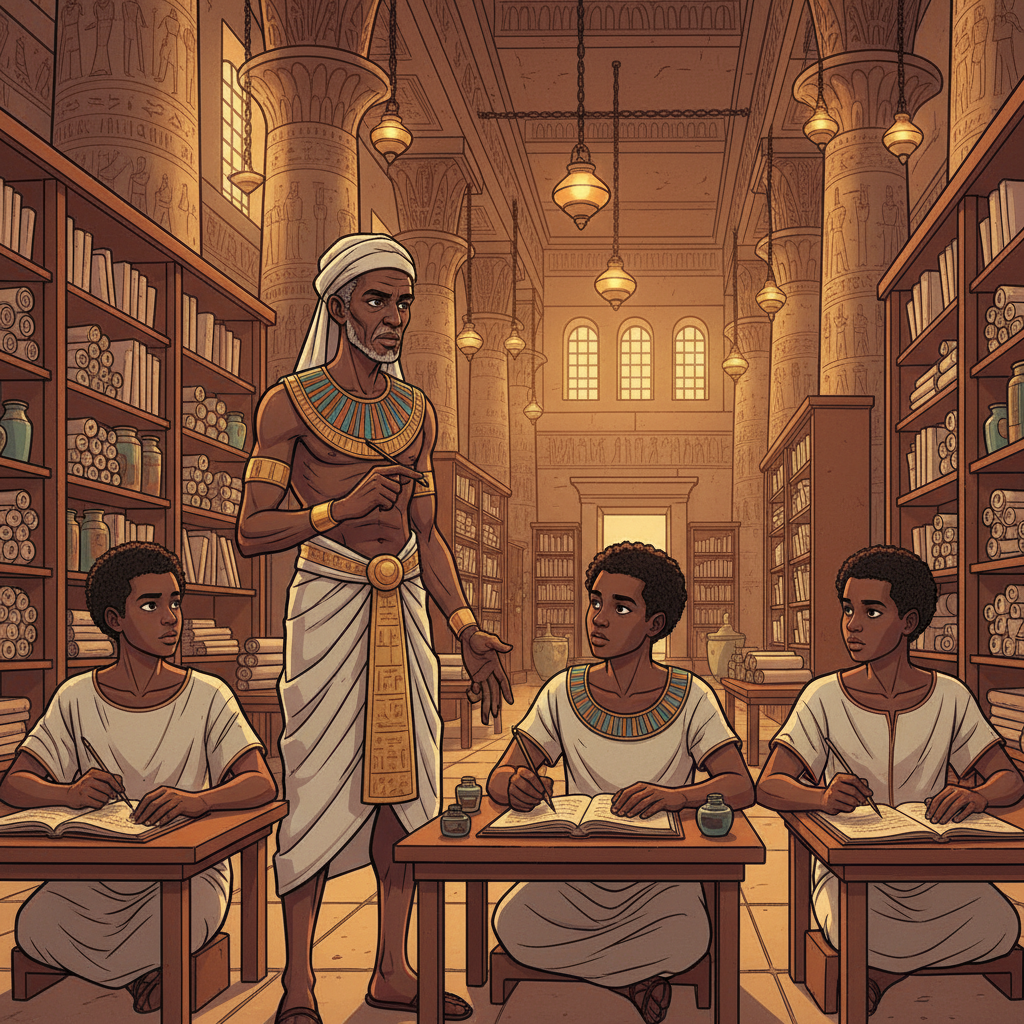
Years later, when Shabaka became a master scribe at the royal library of Napata, he trained young scribes in the same way his master Huy had trained him. "Write the truth," he told them. "Not the truth that flatters. Not the truth that is convenient. The truth that is real, complicated, and sometimes uncomfortable. Maat is not a story we tell to make ourselves feel good. It is the world as it actually is."
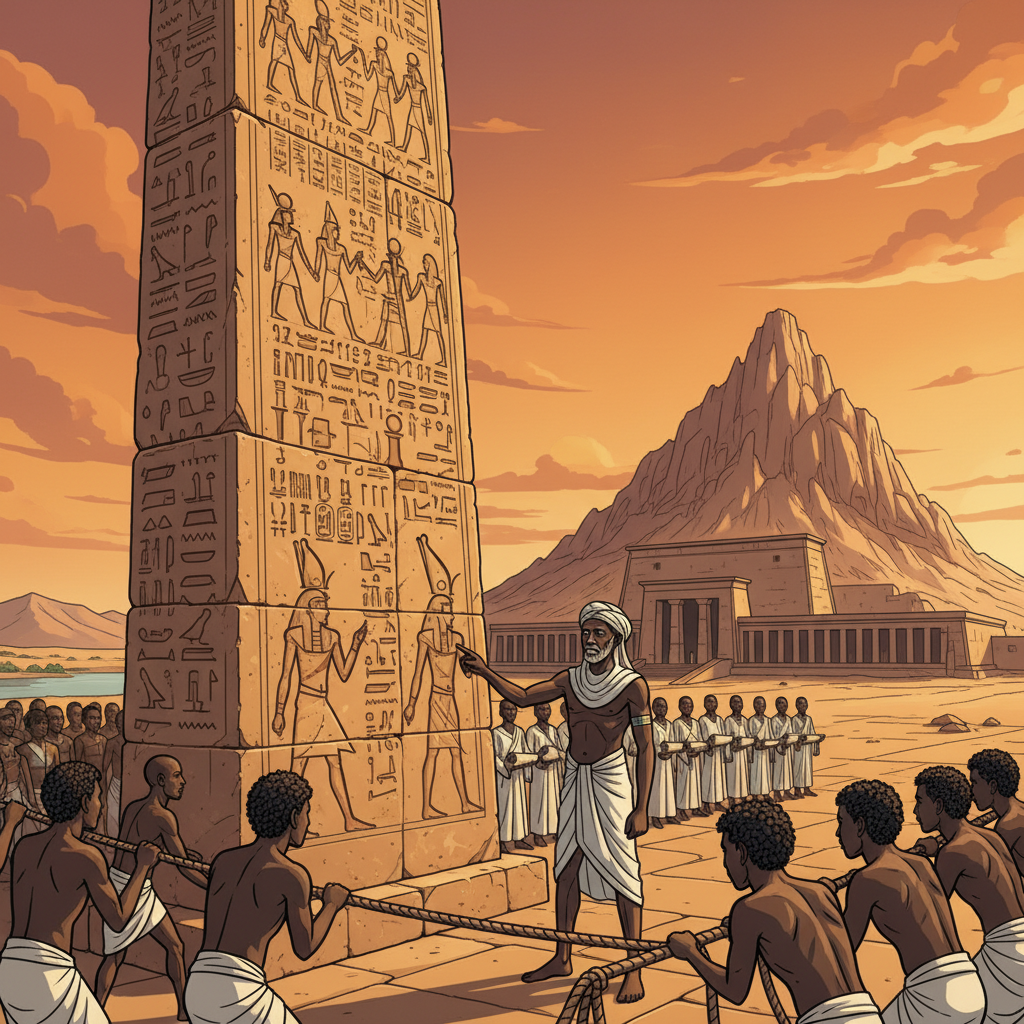
The great stele of Piye's victory was carved in stone and erected at the temple of Amun at Jebel Barkal. It stands there still — one of the longest royal inscriptions ever found in the Nile Valley. It tells the story of a king from Kush who marched north not for gold or glory but to restore what had been broken. Shabaka's words, carved into stone, outlasted the kingdom itself.
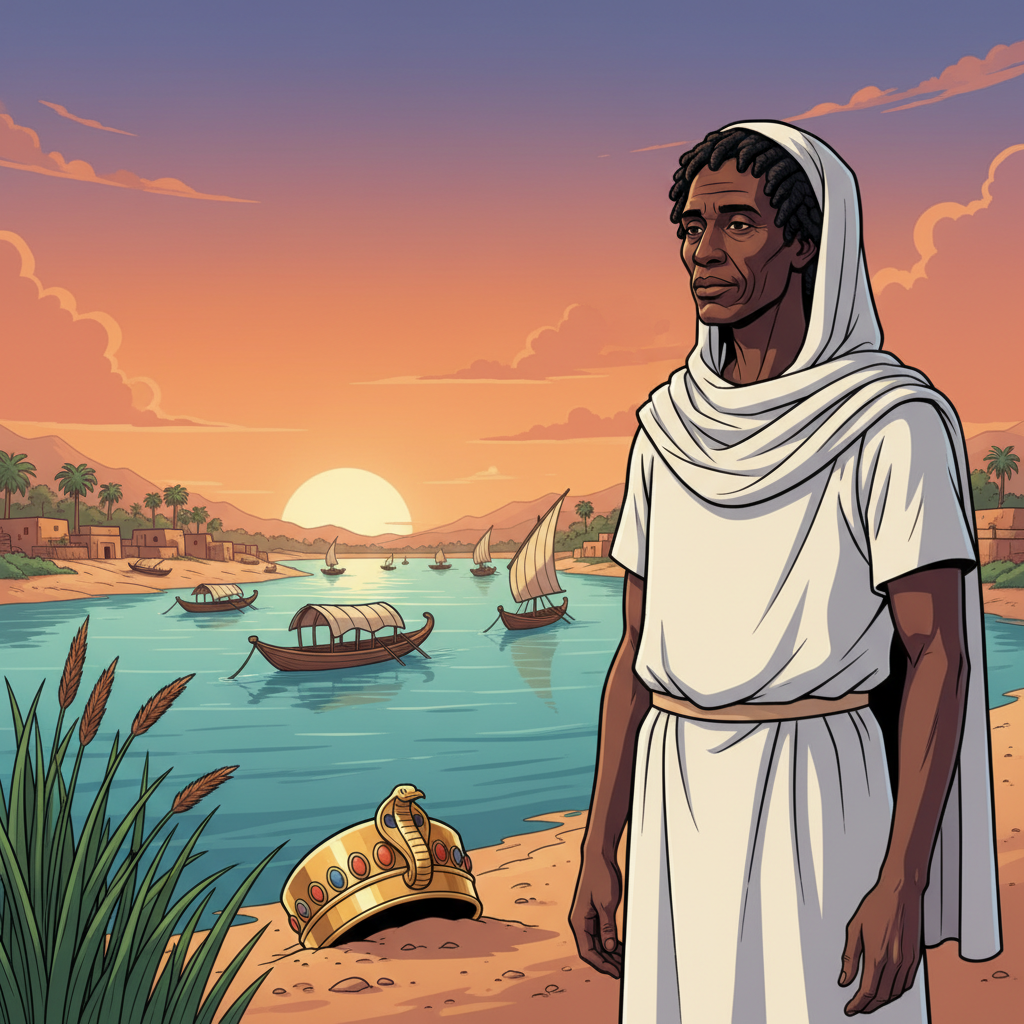
Shabaka often thought about the question he had asked Piye by the river. Can Maat be restored through war? He never found a simple answer. But he came to believe this: the measure of a ruler is not whether they use power, but how they use it and what they do after. Piye used power to restore. Then he let it go. In a world of tyrants who clung to every scrap of authority, that restraint was itself a form of Maat.
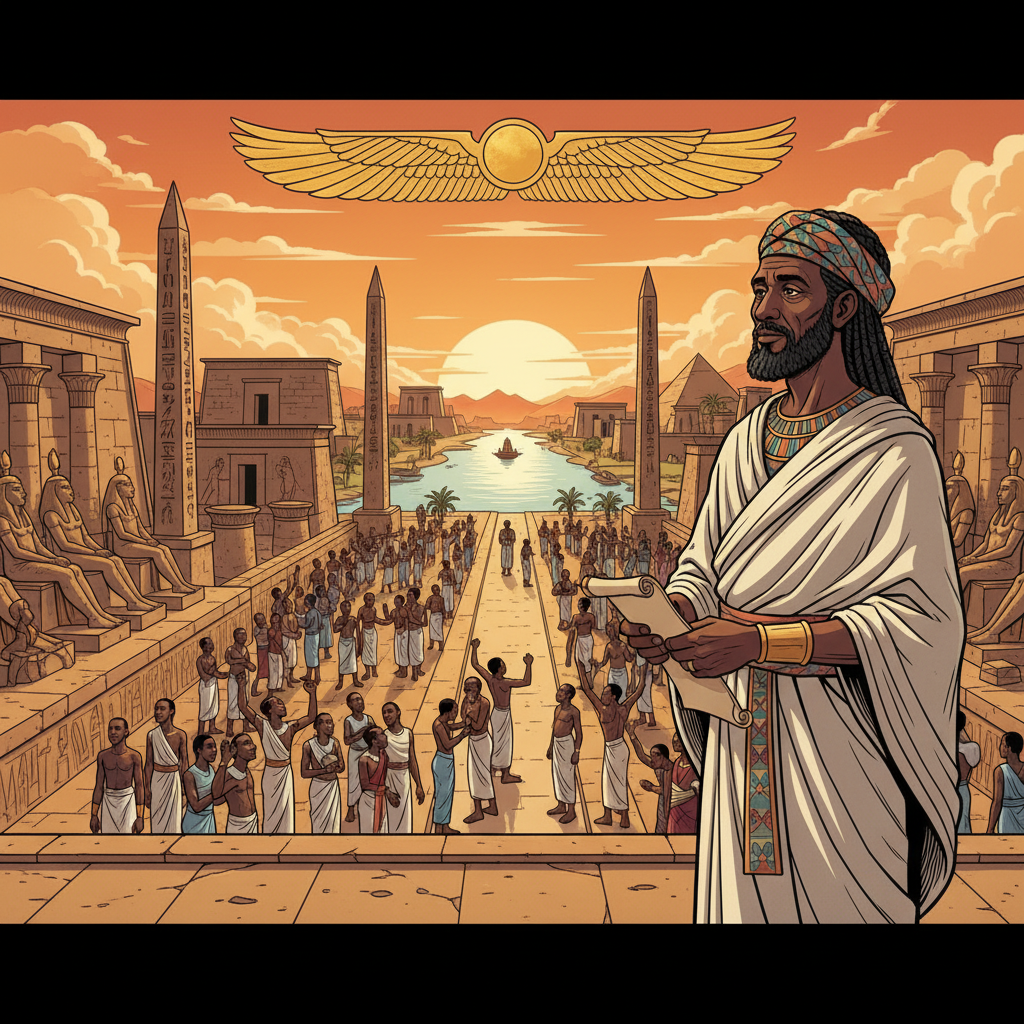
The 25th Dynasty — the Kushite pharaohs — would rule Kemet for nearly a century. They rebuilt temples from Napata to the Delta, restored ancient ceremonies, and united the Two Lands in a way they had not been united for generations. When later historians wrote about this period, they called it a renaissance — a rebirth. It had begun with one king's refusal to watch Maat die from a distance, and one young scribe's insistence on recording the complicated truth.