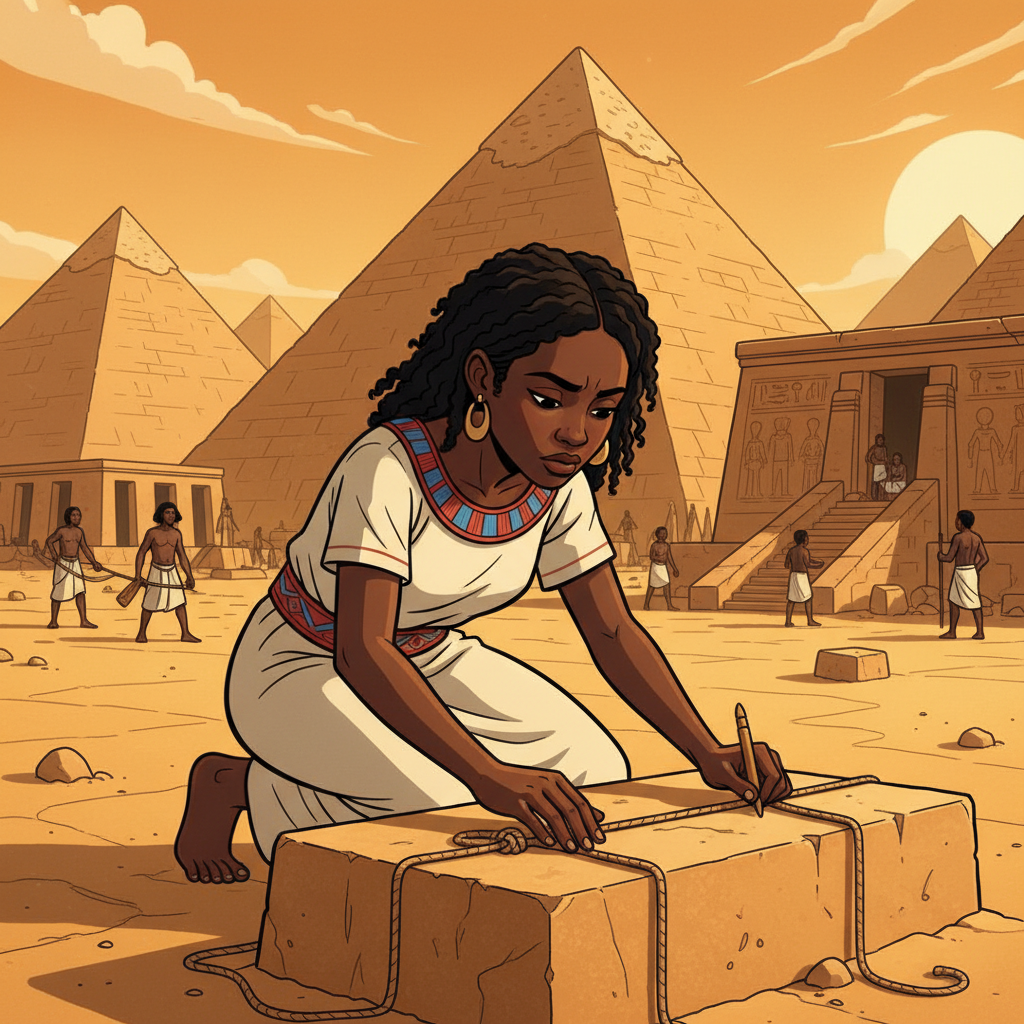
Amanishakheto pressed her measuring cord against the sandstone block and counted carefully. Seventeen cubits. She scratched a mark with her copper stylus and checked it twice, the way her master had taught her. In Meroe, a mistake in measurement was not just an error — it was an insult to the ancestors whose bones would rest inside the pyramid.
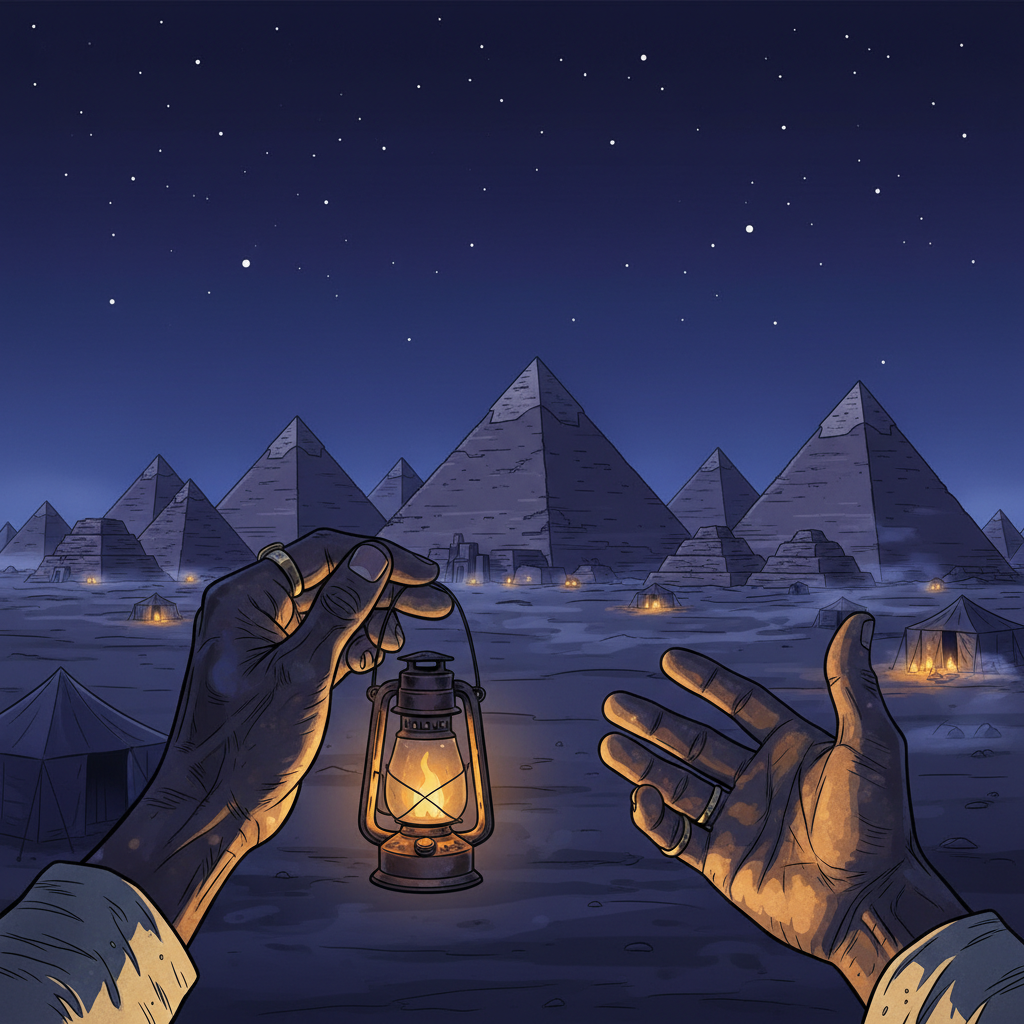
Her master, Pakheme, was the greatest architect in all of Kush. His dark, weathered hands had shaped more than thirty pyramids along the royal burial grounds of Meroe. He was old now — his hair white as desert salt, his back bent from decades of lifting and measuring — but his eyes were still sharp enough to spot a crooked line from fifty paces away.
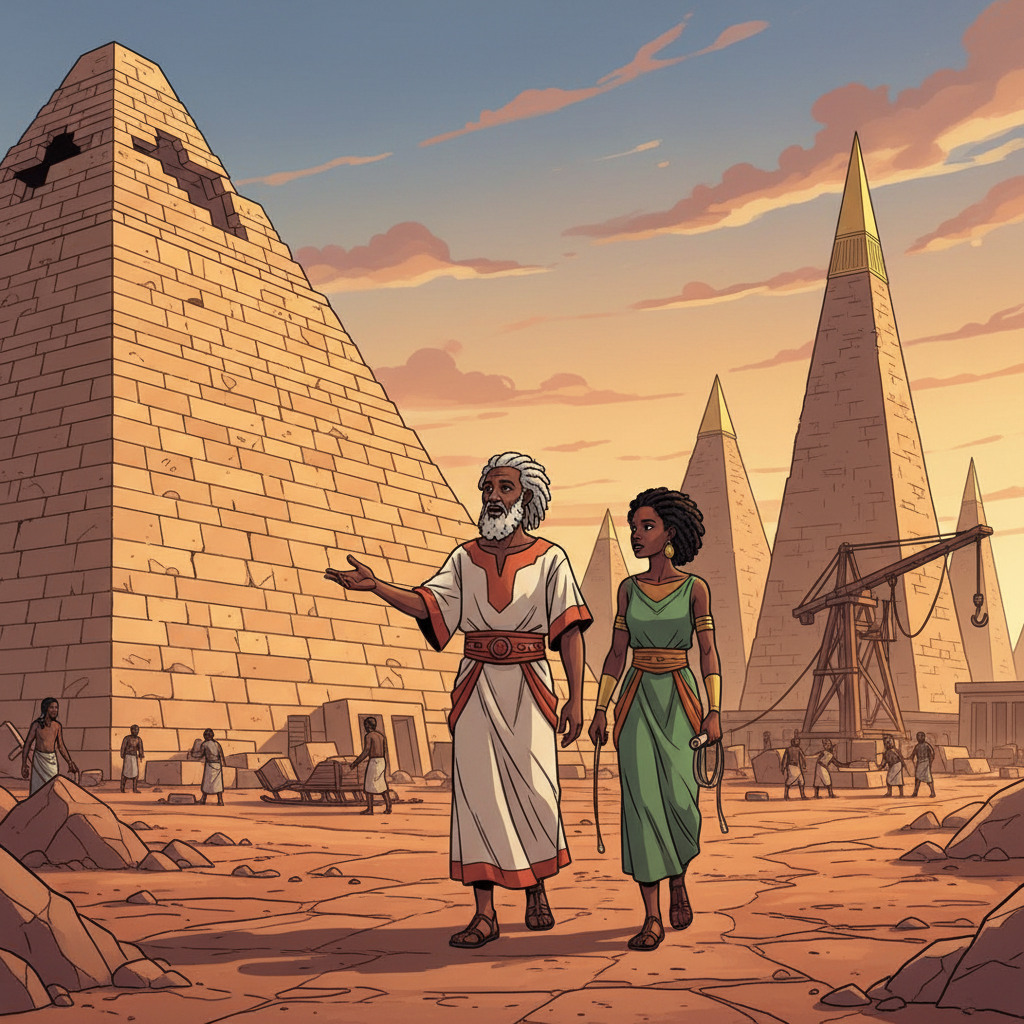
"A pyramid is not a pile of stones," Pakheme told her every morning as they walked to the building site. "It is a promise. A promise to the dead that their memory will stand. A promise to the living that their civilization endures. When you build with integrity, you are building Maat into the earth itself."
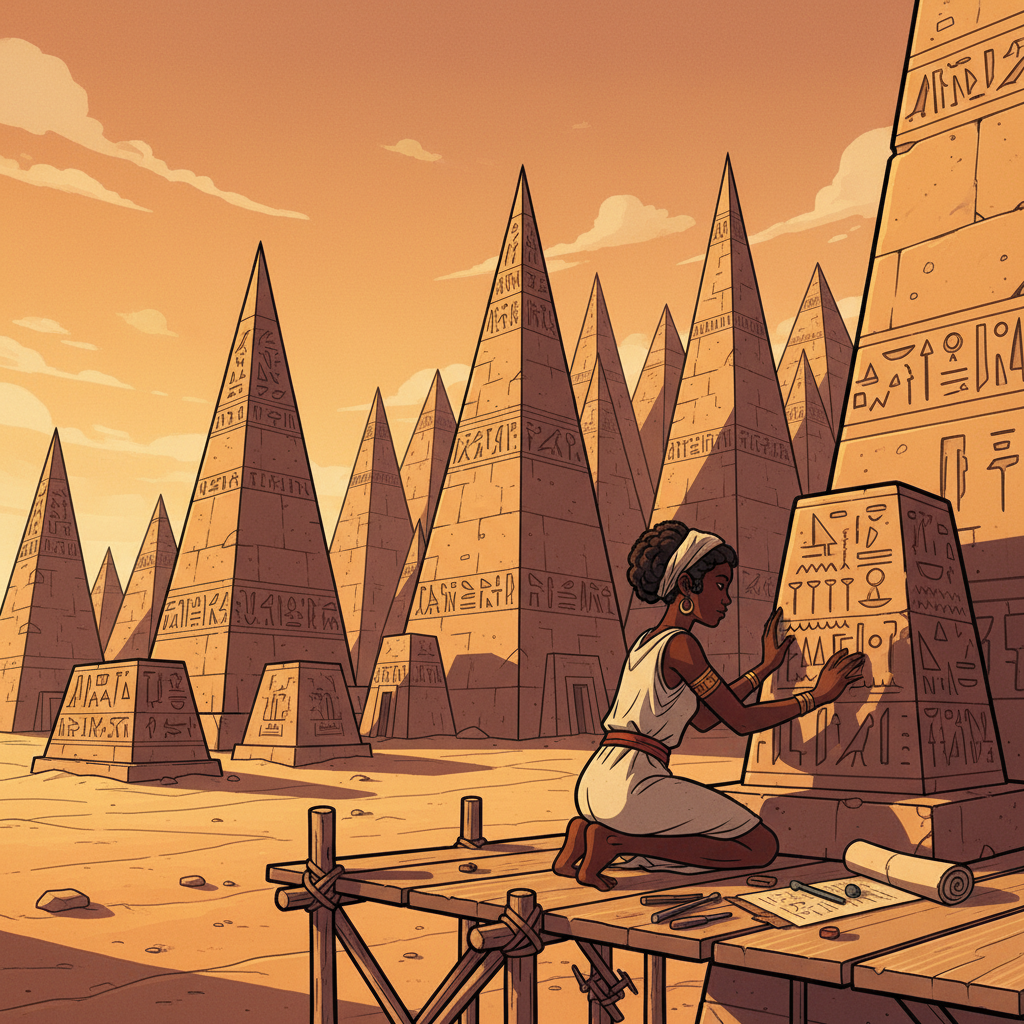
The pyramids of Meroe were different from the great pyramids of Kemet to the north. They were smaller, steeper, and more numerous — pointed fingers of sandstone reaching toward the heavens. Each one was decorated with carvings in Meroitic script, the sacred writing of Kush that no outsider could read. Amanishakheto was learning to carve these symbols alongside her building work.
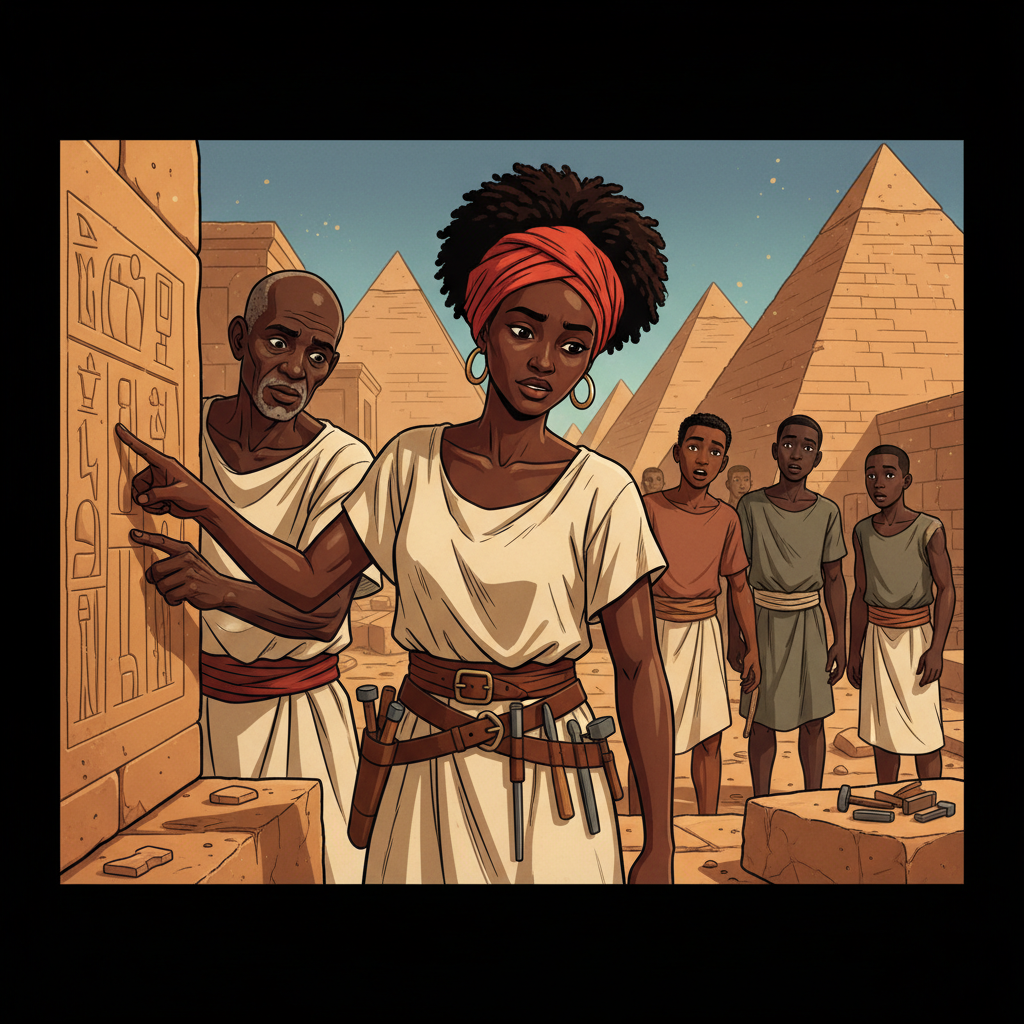
She was fifteen years old, with skin the color of polished ebony and strong hands calloused from years of cutting stone. Her 4C hair was wrapped in a red cloth to keep the dust out, and she wore a simple linen shift tied at the waist with a leather belt that held her tools. The other apprentices — all boys — had laughed when she first arrived. They had stopped laughing months ago.
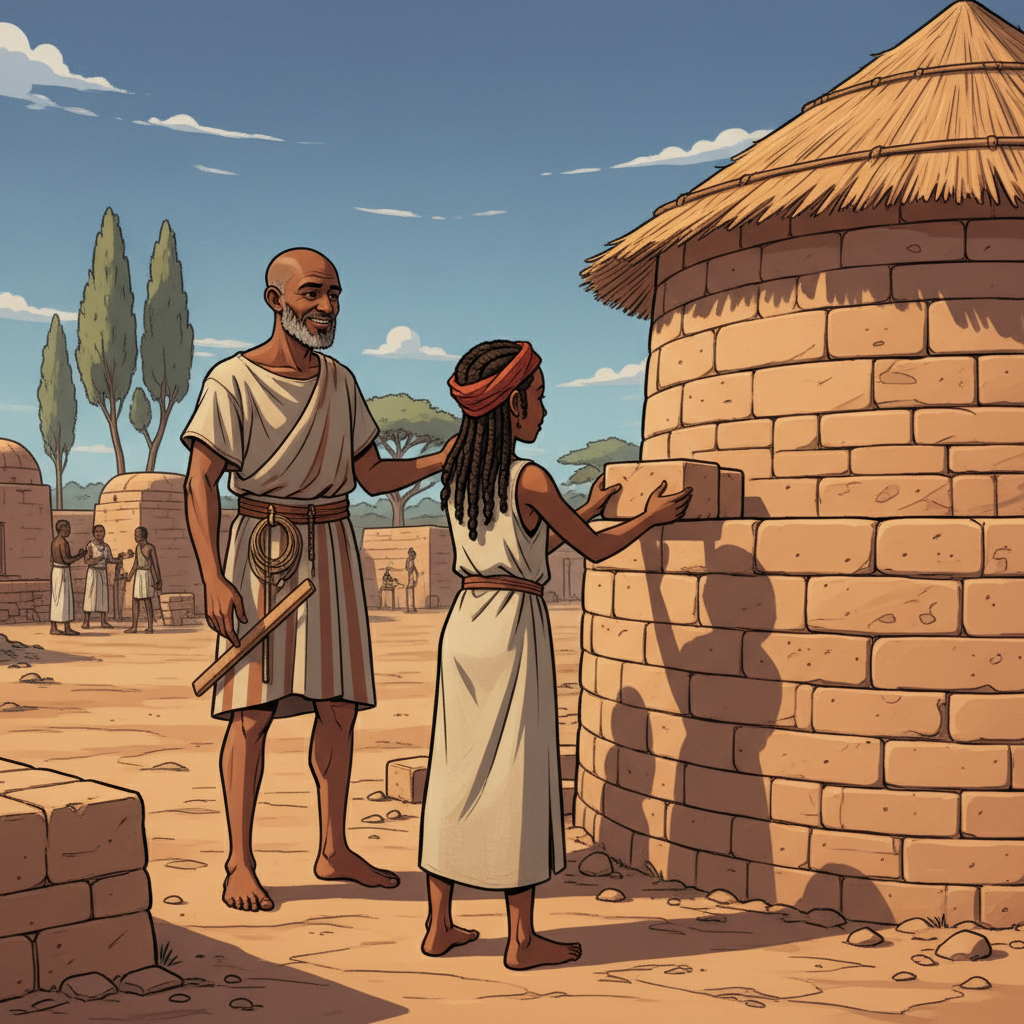
Pakheme had chosen her himself. "I watched you build a grain store for your mother," he had told her. "Every wall was straight. Every corner was true. You measure before you cut. That is the soul of architecture." In Kush, skill mattered more than anything else. If you could build, you could build — man or woman, rich or poor.
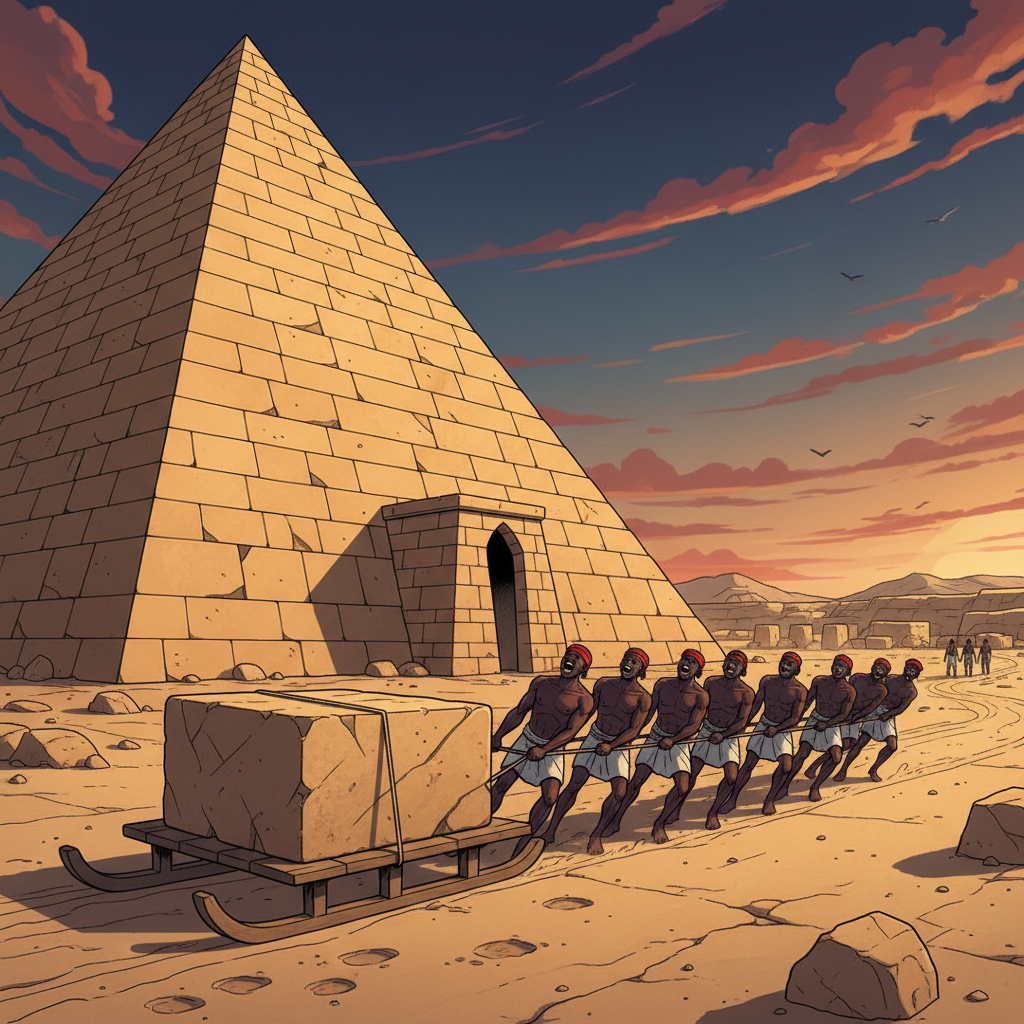
The pyramid they were constructing now was for a minor queen of the royal house. It would stand forty cubits high when finished, with a small chapel at its eastern face where offerings would be made. The sandstone blocks were cut from quarries half a day's walk from the site and dragged on wooden sledges by teams of workers who sang rhythmic songs to keep their pulling in time.
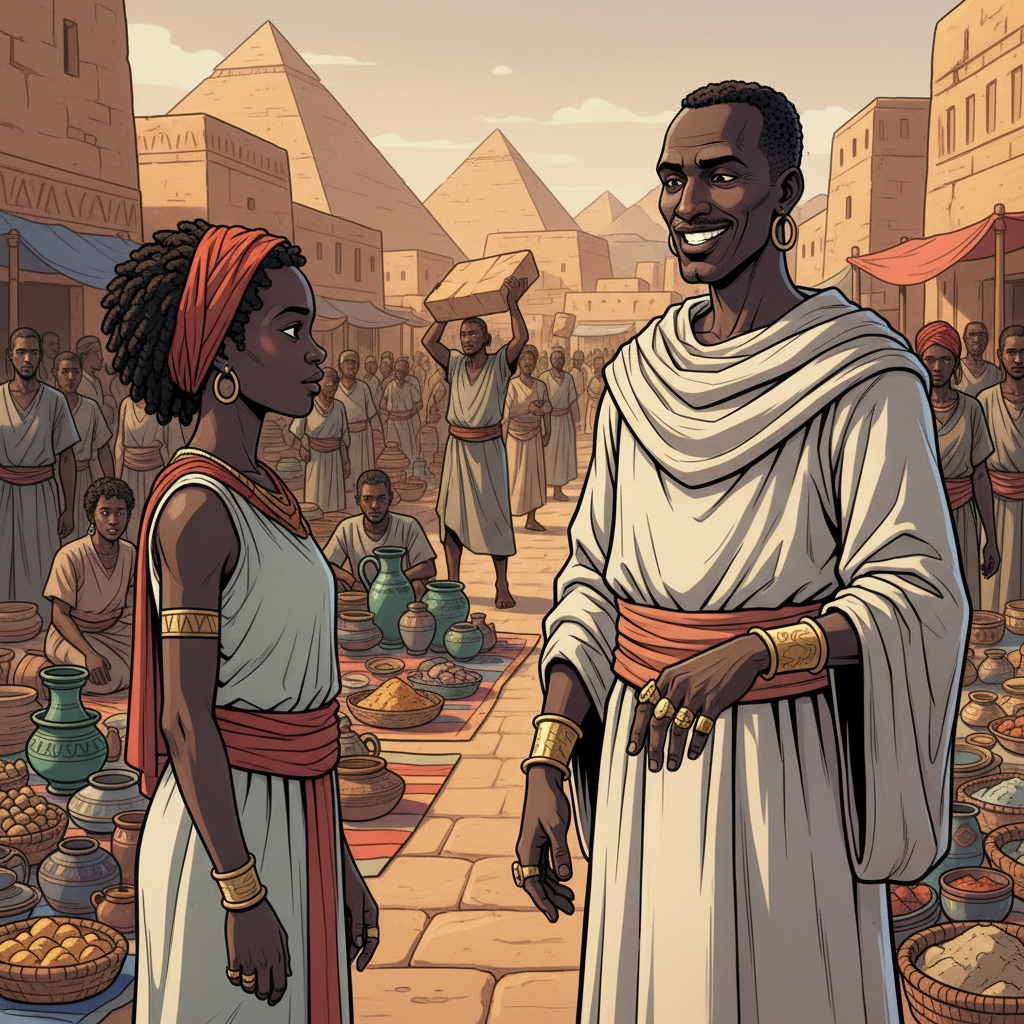
On the fifteenth day of construction, a man arrived from the capital. His name was Apedemak-hotep, and he was a royal treasurer — responsible for managing the kingdom's wealth. He wore fine linen and gold rings on every finger. His smile was wide but his eyes were cold. Amanishakheto did not trust him from the first moment.
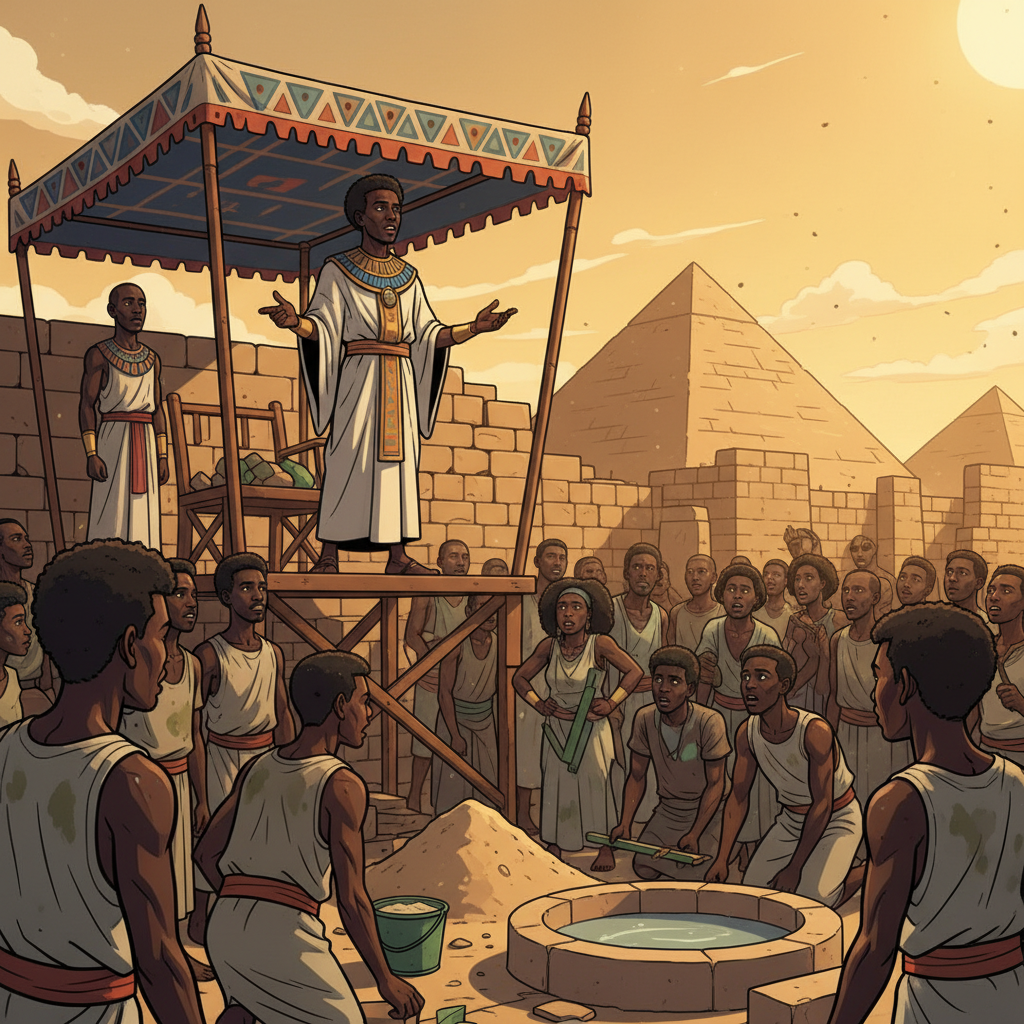
"The queen wants this pyramid finished in half the time," Apedemak-hotep announced, standing in the shade of a canopy while the workers sweated in the sun. "Use thinner blocks. Mix the mortar with more sand. Cut the interior chambers smaller. The queen does not care about perfection — she cares about speed."
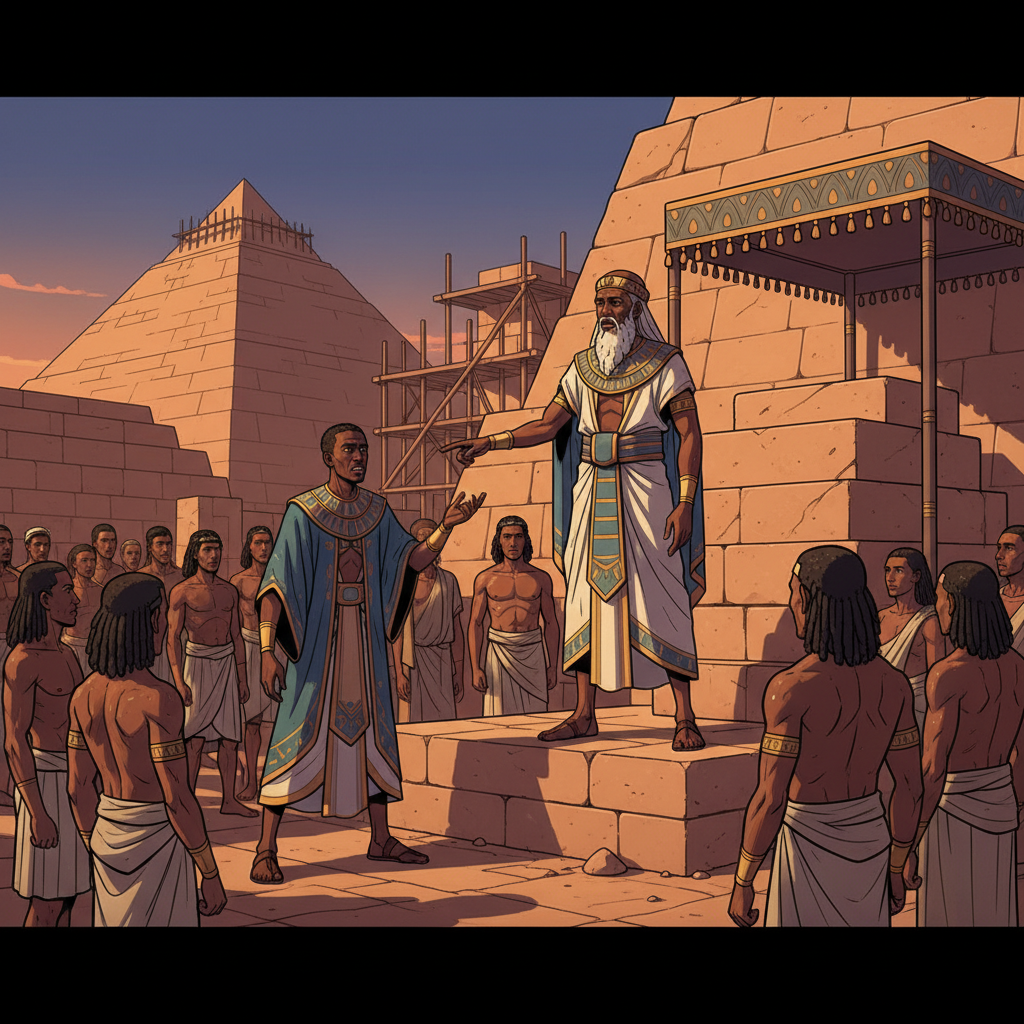
Pakheme listened in silence. When the treasurer finished, the old architect spoke quietly. "If we use thinner blocks, the weight distribution fails. If we mix weak mortar, the joints crack within a generation. If we shrink the chambers, the queen's ka will have no room to dwell in the afterlife. I will not build isfet into stone."
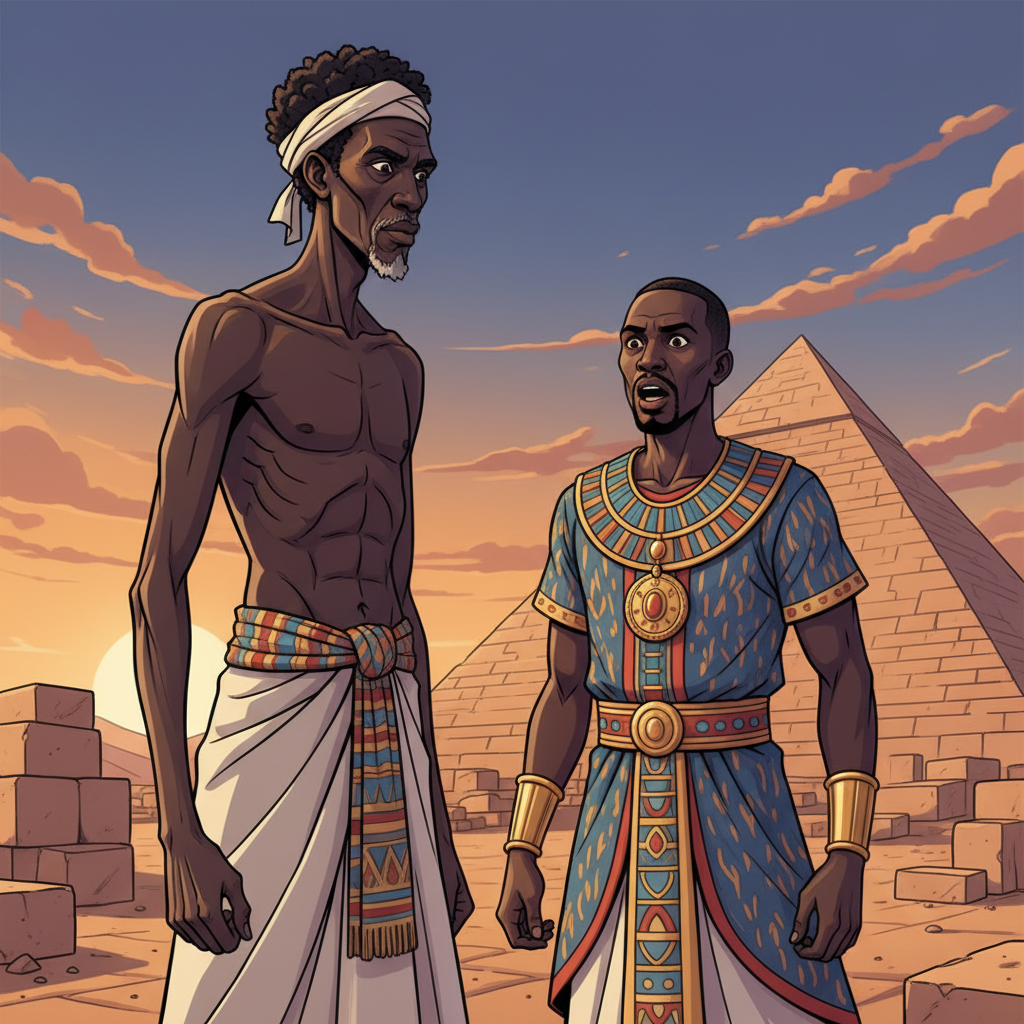
Apedemak-hotep's smile vanished. "You are a builder. I am a treasurer of the royal house. You will do as I command." Pakheme stood as straight as his old back would allow. "I answer to Maat, not to your purse. Find another architect if you wish. But I will not put my name on a pyramid that will crumble."
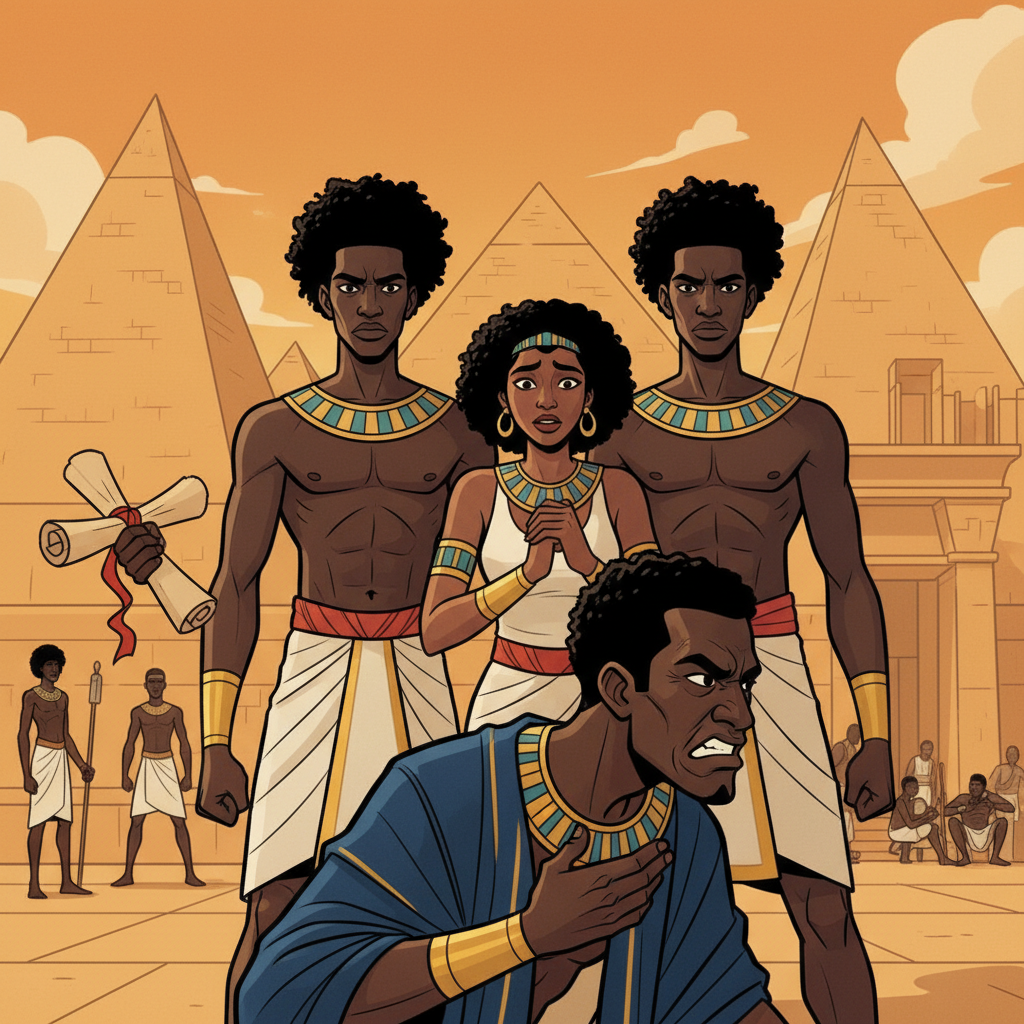
The treasurer left in anger, and for three days, Amanishakheto feared that Pakheme would be dismissed. But word traveled fast along the Nile. Other master builders heard what had happened and sent word to the royal court: if Pakheme was removed, none of them would work on royal projects. The community of builders protected its own — and its standards.
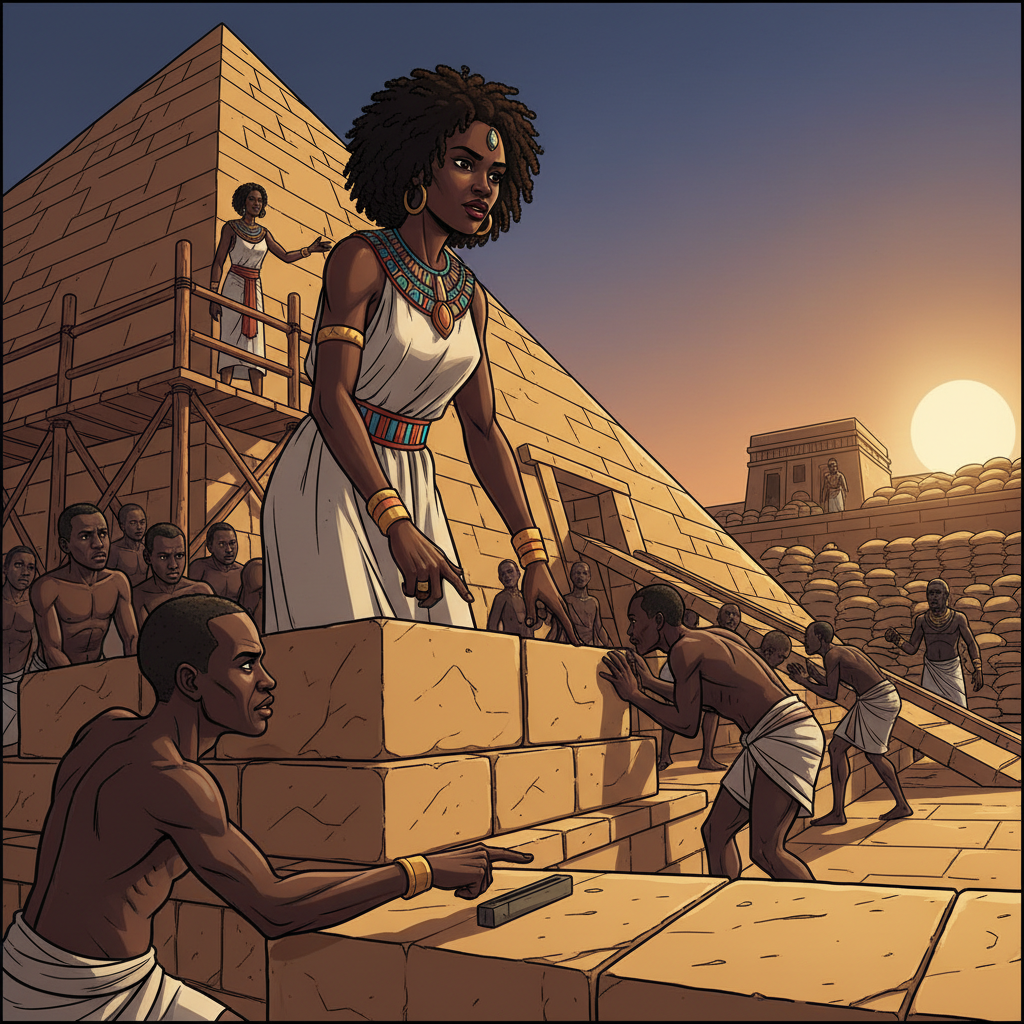
The queen herself sent a new message. Pakheme would continue. The pyramid would be built properly. Apedemak-hotep was reassigned to counting grain in a distant storehouse. Amanishakheto learned something that day that no measuring cord could teach: integrity has allies, but only if you are brave enough to stand first.
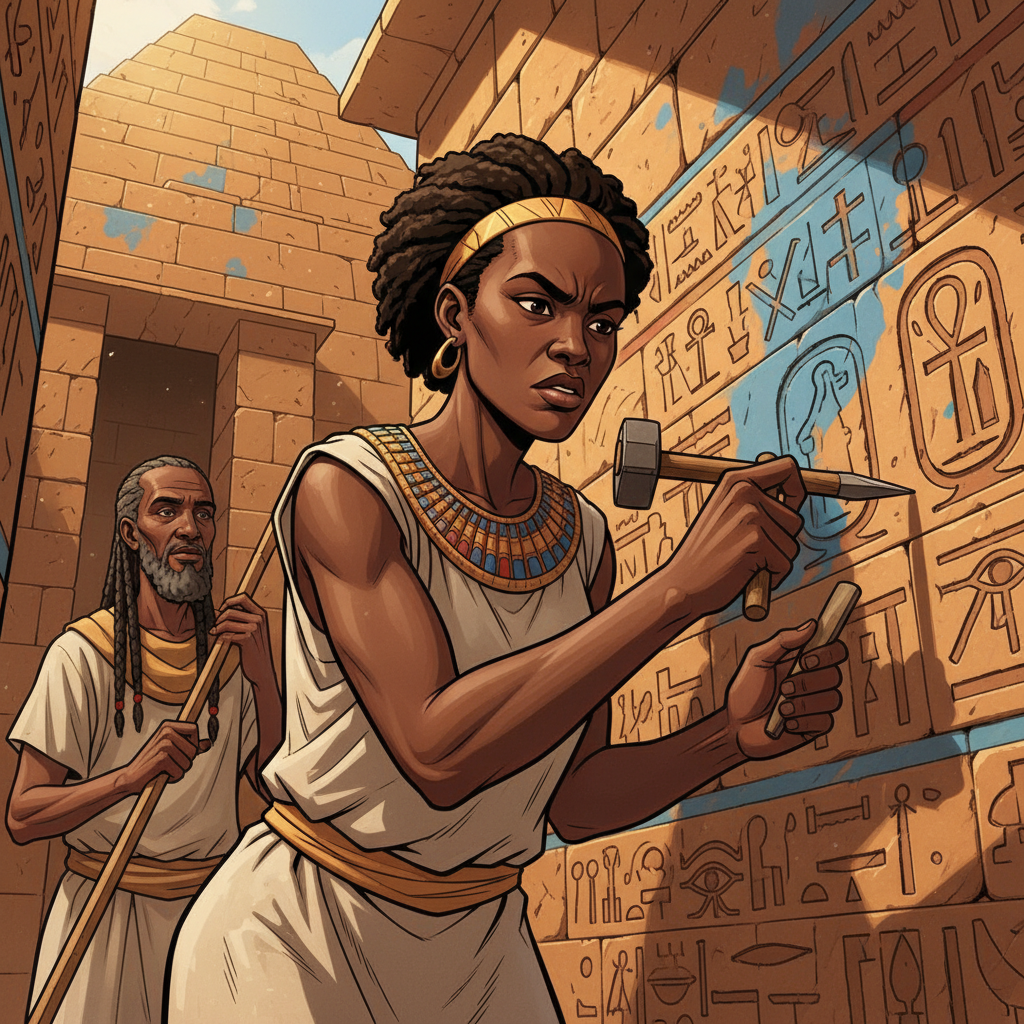
Months passed. The pyramid rose block by block, each stone precisely cut and fitted. Amanishakheto carved the Meroitic inscriptions on the chapel walls herself — prayers for the queen's safe passage to the afterlife, lists of her good deeds, and symbols of protection that had been used in Kush for a thousand years. Her chisel work was clean and deep. Pakheme inspected every line and nodded his approval.
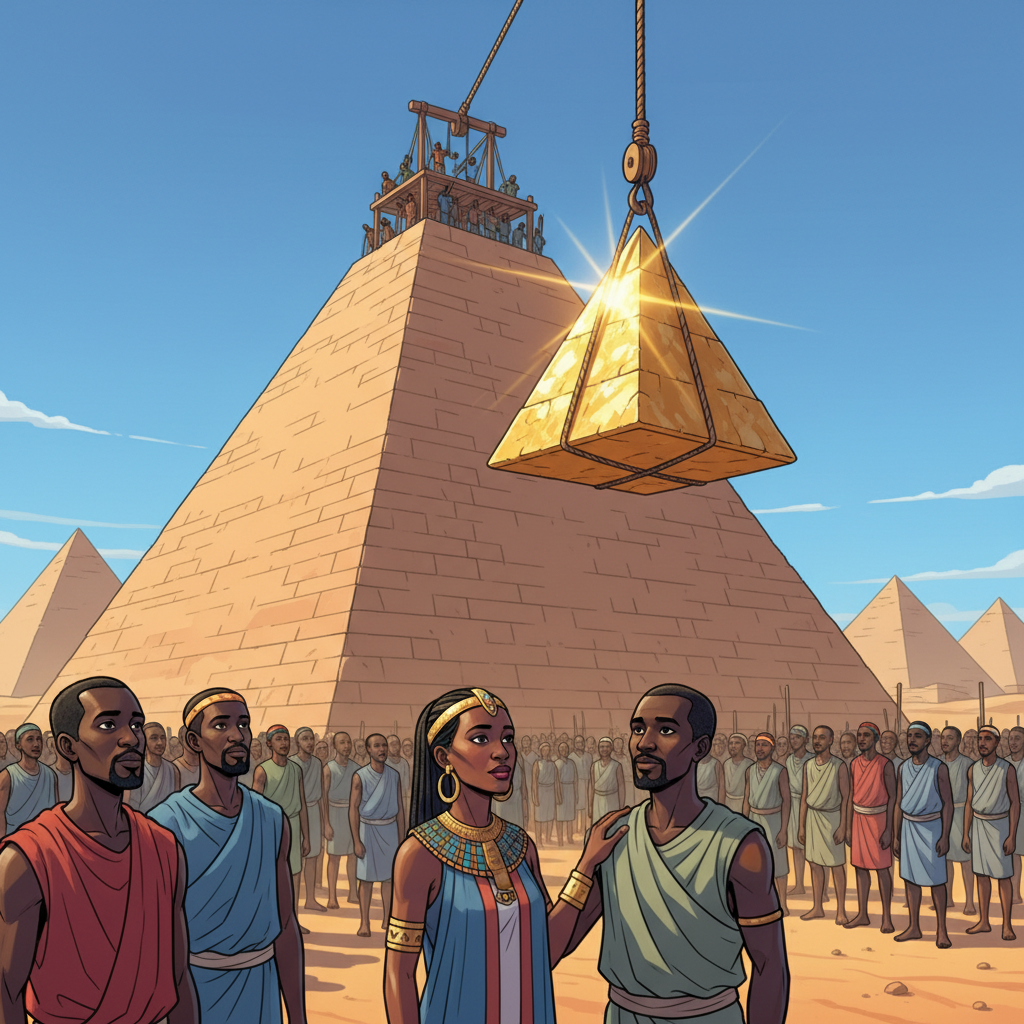
On the day the capstone was placed, the workers gathered to watch as the final block — coated in gold leaf that blazed in the desert sun — was lifted into position atop the pyramid. Pakheme placed his hand on Amanishakheto's shoulder. "This pyramid will stand for two thousand years," he said. "Long after your name is forgotten, your work will endure. That is the true meaning of legacy."
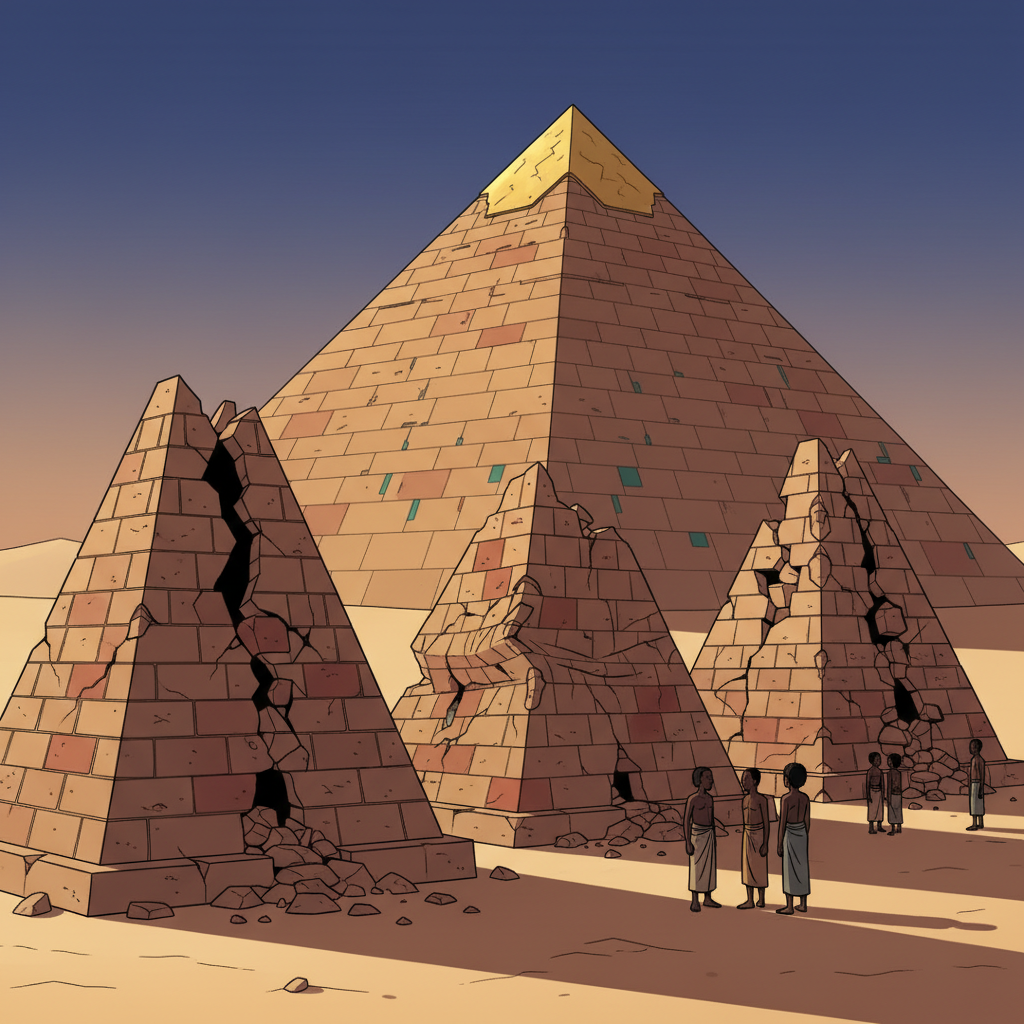
In the years that followed, three pyramids built by other architects — those who had accepted shortcuts from treasurers and officials — cracked and crumbled. Their mortar failed. Their thin walls buckled under the desert heat. They became ruins within a generation, monuments to nothing but corner-cutting and greed.
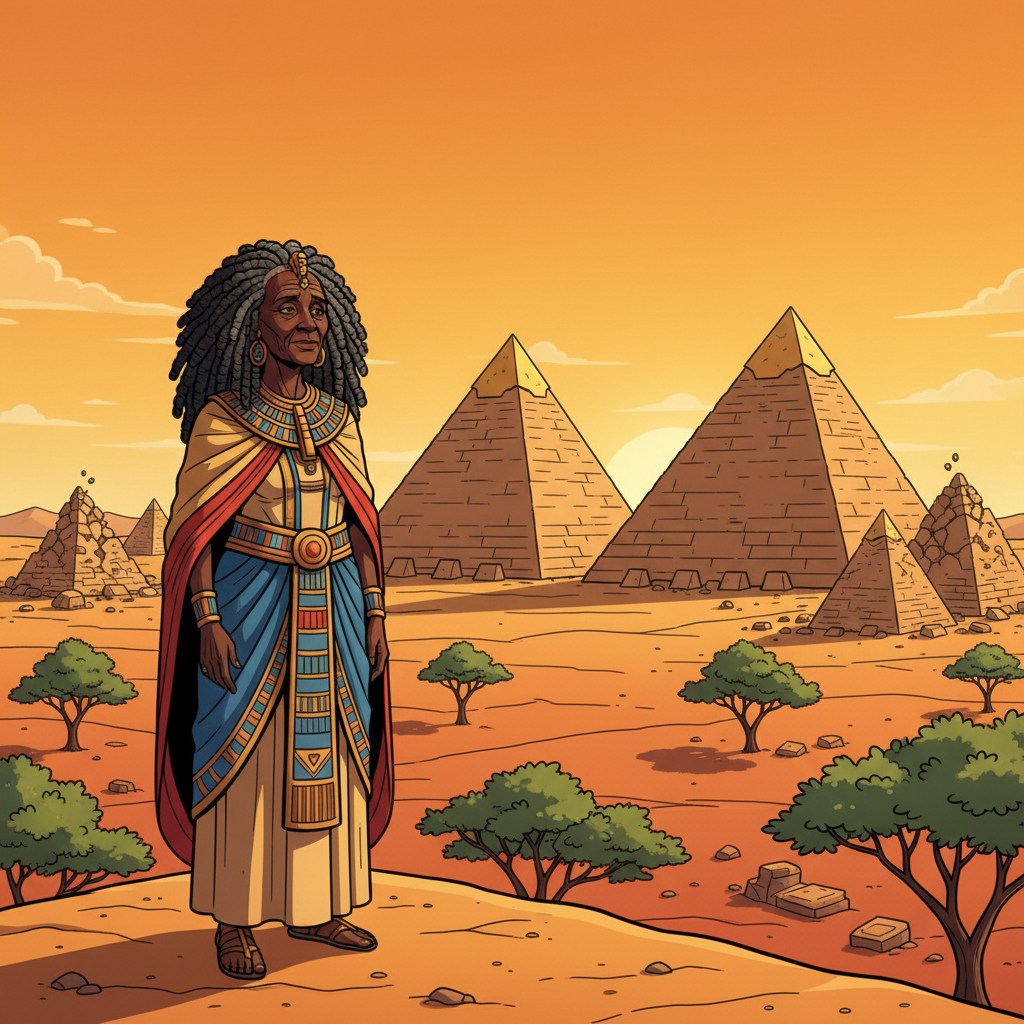
But the pyramids built by Pakheme and his apprentice Amanishakheto stood firm. They still stand today in the desert of what was once the kingdom of Kush — steep, proud, and enduring. Each one is a testament to the principle that Amanishakheto carried with her for the rest of her life: legacy is not built with speed or savings. It is built with integrity, one honest block at a time.