
My dear student, you have walked a significant distance on the path of Maat, diligently absorbing the foundational narratives of our ancestors. The stories you have encountered in the Beginnings chapters were but the fertile soil, preparing your mind for the deeper roots of Kemetic wisdom. Now, we delve into the very essence of our ethical framework, a profound set of principles known as the 42 Declarations of Innocence. This is not merely a list to be memorized, but a spiritual constitution, a guiding light that illuminated the lives of those who walked before us, ensuring their consciousness remained aligned with cosmic harmony. You have earned the right to hear this, to understand the true weight and enduring power of these ancient words.

In our earlier discussions, we touched upon the journey of the heart, the pivotal moment in Chapter CXXV where the deceased faced the weighing of their heart against the Feather of Maat. While the Beginnings chapters gave you the basic outline, the true philosophical depth lies in understanding *how* a Kemetic individual prepared for that moment. It wasn't about sudden repentance or last-minute pleas; it was about a lifetime meticulously cultivated in accordance with divine order. The 42 Declarations are the blueprint for such a life, a testament to self-mastery and an unwavering commitment to truth and justice in every aspect of existence. They are the advanced teachings of the Per Ankh.

Perhaps the most striking aspect of these Declarations, and indeed, what sets them apart from many later ethical codes, is their unique phrasing. They are not framed as "Thou shalt not," but rather, "I have not." This distinction, my student, is not merely semantic; it carries immense philosophical weight. It shifts the burden of proof from an external authority dictating rules to an internal, self-aware individual asserting their own righteousness. It is a declaration of personal integrity, a proactive statement of a life lived in alignment with Maat, rather than reactive obedience to a command. This is where Kemetic thought truly shines as a beacon of human autonomy.

Consider the profound difference: "Thou shalt not steal" is an injunction from an external source, demanding compliance. "I have not stolen," however, is a statement of fact, an assertion of one's own moral agency and a lived experience of not engaging in theft. It signifies a person who has internalized the principles of justice and fairness to such an extent that they can honestly declare their innocence. This autonomy-based morality fosters a deeper sense of responsibility and self-accountability, cultivating individuals who *know* Maat in their very being, rather than simply following rules out of fear of retribution. It emphasizes the active choice to uphold Maat, day in and day out.

This concept of autonomy-based morality is a cornerstone of the African intellectual tradition, as highlighted by scholars like Dr. Maulana Karenga. He emphasizes that the Kemetic ethical system, embodied in the Declarations, is not about passive obedience but about active, self-conscious engagement with the principles of Maat. It cultivates a moral consciousness that is self-directed and self-affirming. This approach empowers the individual, recognizing their inherent capacity for ethical discernment and their pivotal role in maintaining communal well-being and cosmic order. It's a system built on trust in human goodness and the power of informed, intentional action.

Dr. Karenga, through his Kawaida philosophy, helps us understand these Declarations not as mere prohibitions, but as affirmations of a chosen way of living. By declaring what one *has not* done, one implicitly affirms what one *has* done – lived a life of truth, justice, and righteousness. This ethical framework provided Kemet with a robust foundation for societal harmony, anticipating many of the concepts we now associate with modern human rights. It reflects a sophisticated understanding of the human condition and the interconnectedness of individual actions with collective well-being, a hallmark of African thought that continues to inspire.

Indeed, it is no exaggeration to consider the 42 Declarations as the world's first human rights charter, predating any other known document by at least 1,500 years. Imagine, millennia ago, a civilization crafting a detailed code that protected individuals from violence, theft, deceit, and even environmental degradation. This demonstrates the unparalleled foresight and profound ethical development of Kemet. They weren't simply concerned with law and order; they were deeply invested in fostering human dignity, social equity, and the flourishing of all life within the cosmic embrace of Maat. It is a testament to the advanced moral compass of our ancestors.

Let us now explore these Declarations by grouping them into themes, as Dr. Karenga and other scholars suggest, to appreciate their comprehensive nature. First, consider the declarations pertaining to Social Justice. These are the principles that govern how individuals interact within the community, ensuring fairness, equity, and non-aggression. Kemet understood that a just society is built on the daily choices of its citizens, emphasizing personal responsibility in upholding the rights and well-being of others. This collective commitment to justice formed the bedrock of their harmonious communal life, where Maat was not just a concept, but a lived reality.

Declarations like "I have not done violence to any person" and "I have not stolen" are fundamental to any just society. They are direct assertions against actions that disrupt peace and violate the inherent dignity of others. But Kemet went further, recognizing subtle forms of injustice. "I have not told lies" speaks to the integrity of communication, acknowledging that deceit can be as harmful as physical violence. These statements are not just about avoiding wrong; they are about actively choosing to contribute to a social contract built on trust, honesty, and mutual respect, fostering a community where truth reigns supreme.
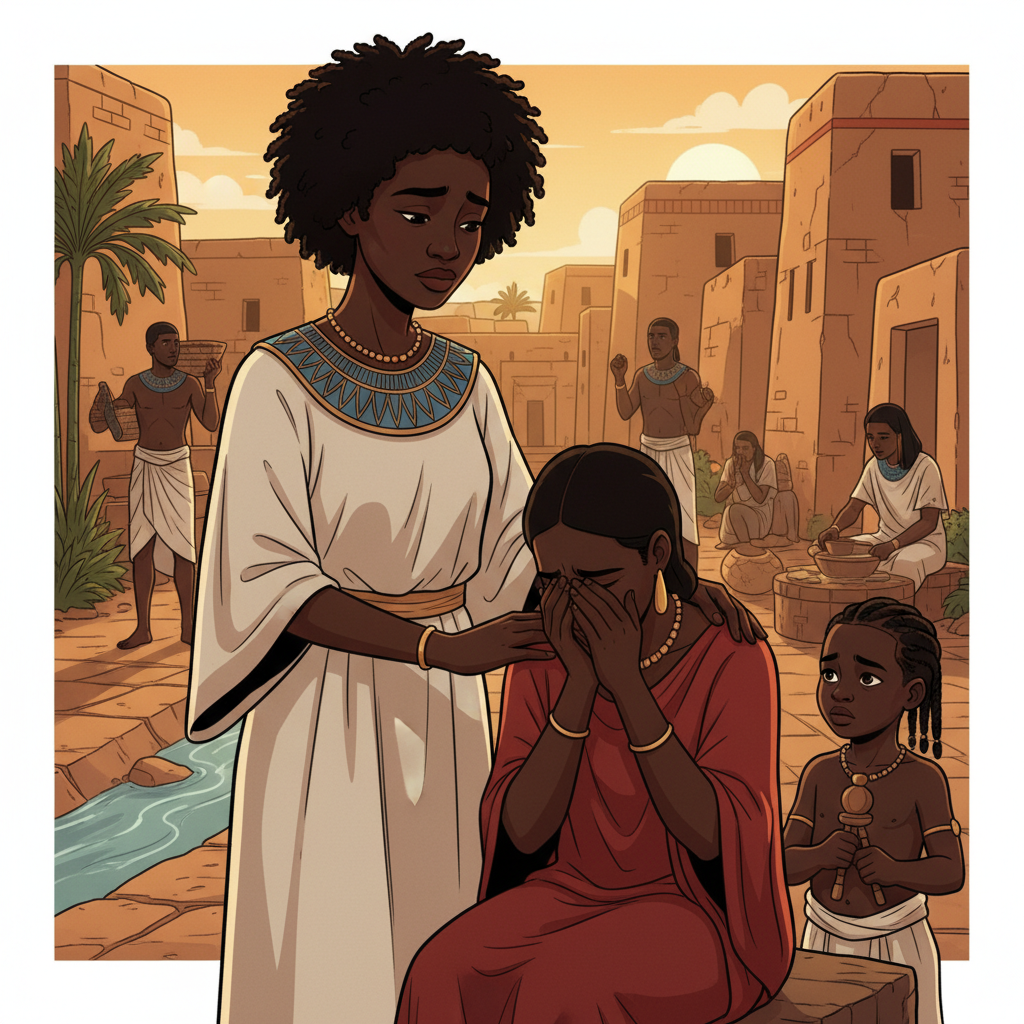
The Kemetic understanding of social justice extended beyond physical harm to encompass emotional and psychological well-being. Consider the declaration, "I have not made anyone weep." This speaks to a profound empathy and a recognition that causing emotional pain is also a violation of Maat. Similarly, "I have not worked suffering" demonstrates an awareness of the impact of one's actions, both direct and indirect, on the overall happiness and tranquility of others. This level of ethical sensitivity underscores Kemet's commitment to holistic well-being, where a person's inner state was as important as their outward conduct.
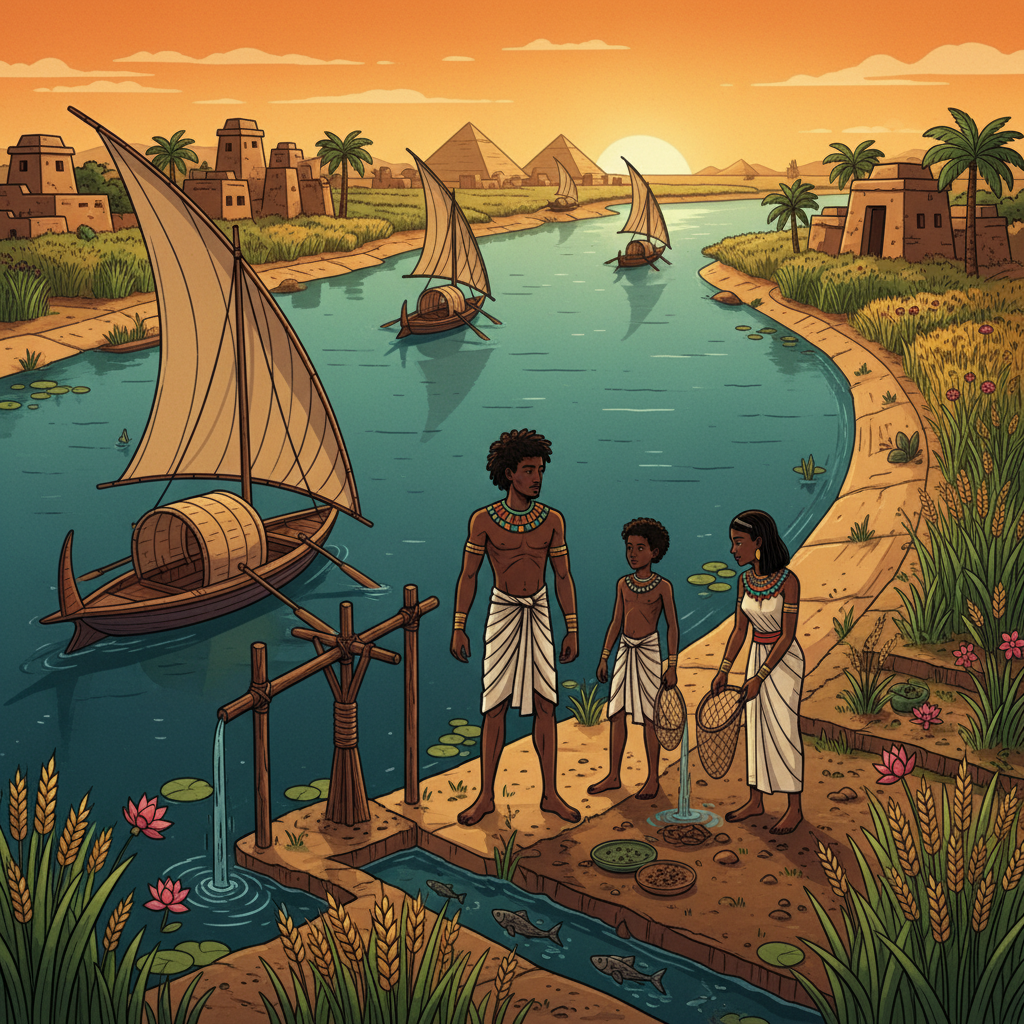
Next, we turn to the declarations concerning Ecological Responsibility. Kemet, an agricultural civilization intricately linked to the life-giving waters of the Hapi (Nile), understood the sacred interconnectedness of humanity and nature. Their ethics extended beyond human interactions to encompass a deep respect and stewardship for the environment. They recognized that the health of the land, the purity of the waters, and the abundance of life were not merely resources, but sacred trusts. To violate these trusts was to violate Maat itself, disrupting the delicate balance of creation. This ancient environmental ethic offers profound lessons for our modern world.
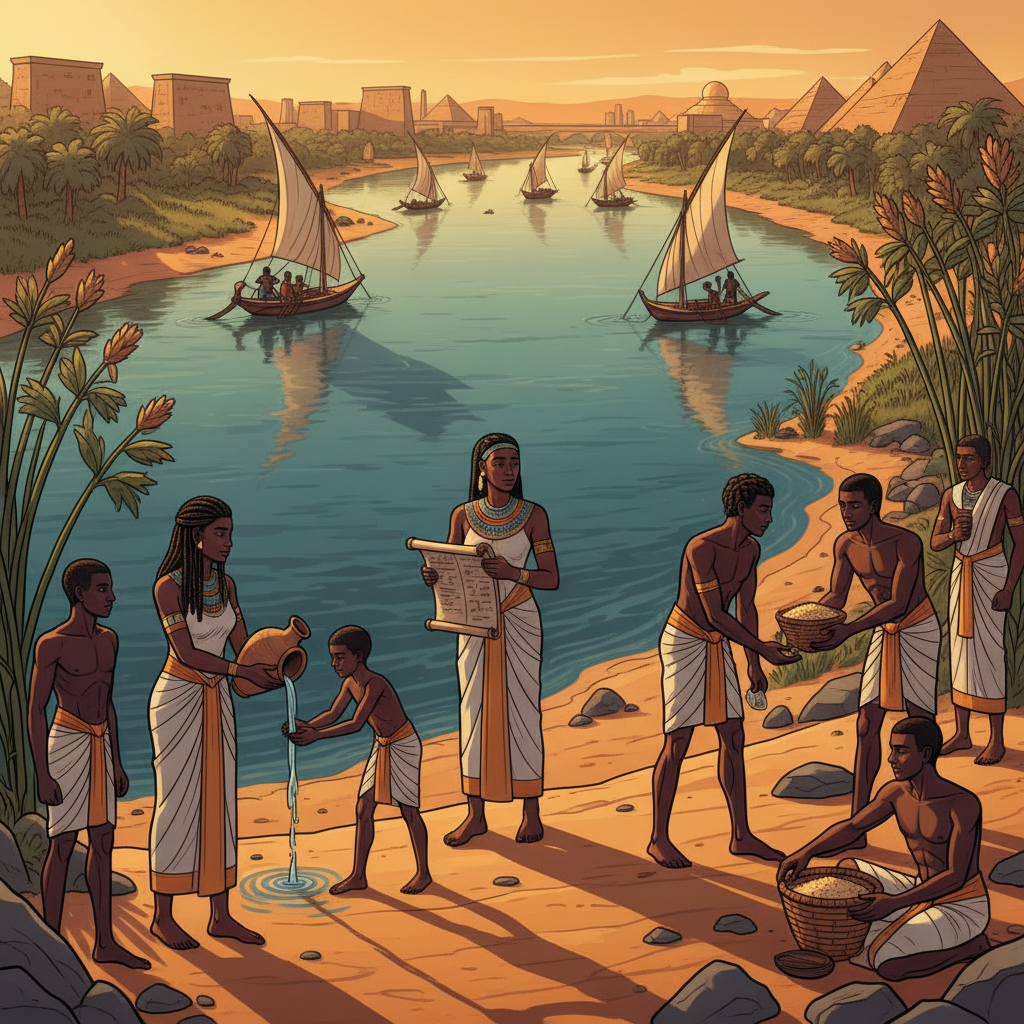
It is within this theme that we encounter some of the most striking declarations. The passage you have studied reminds us: "I have not done violence to any person. I have not stolen. I have not told lies. I have not polluted the water. I have not made anyone weep. I have not worked suffering." Note the seamless blend of social and environmental concerns. "I have not polluted the water" is a remarkably direct and potent statement of environmental protection, thousands of years before such concepts became widespread. It highlights Kemet's understanding that water, as the source of life, must be revered and preserved for all beings.
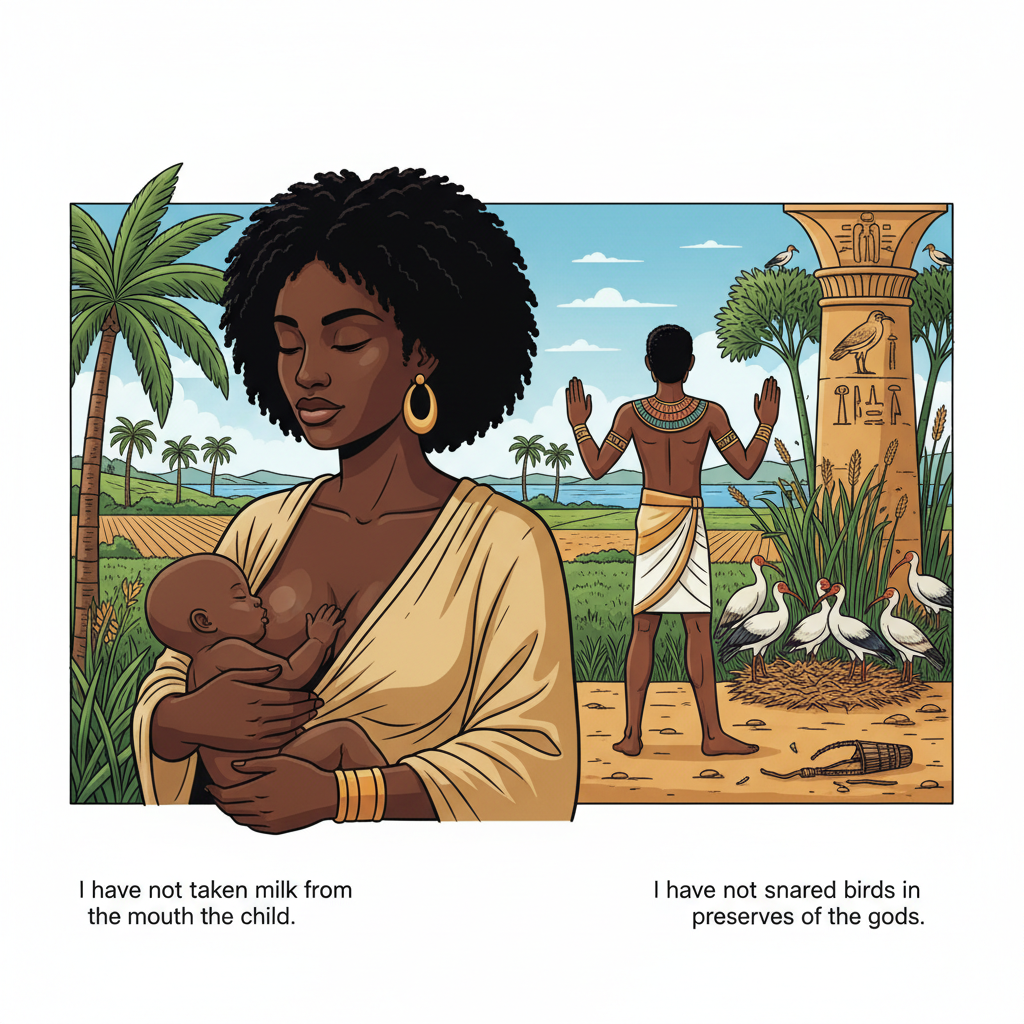
This ecological awareness further manifests in declarations such as "I have not taken milk from the mouth of a child," often interpreted as not depriving the vulnerable of their sustenance, but also extendable to not depleting natural resources essential for future generations. Another, "I have not snared birds in the preserves of the gods," speaks to the concept of conservation and respecting designated areas for wildlife, acknowledging the divine essence in all creation. These statements showcase a sophisticated understanding of resource management and the sacredness of the natural world, urging balance and mindful interaction.

Finally, let us explore the declarations related to Spiritual Integrity and Truth-Telling. These principles delve into the inner landscape of the individual – their thoughts, intentions, and alignment with cosmic Maat. While social justice and ecological responsibility govern outward actions, spiritual integrity ensures the purity of the heart and mind. "I have not told lies" is central here, not just for social cohesion, but for maintaining one's own truthfulness to the divine order. Kemet understood that genuine Maat begins within, cultivated through honest self-reflection and an unwavering commitment to inner veracity.

The importance of truth, *Maat*, permeated every facet of Kemetic life. For them, a lie was not merely a falsehood; it was a distortion of reality, an act of Isfet that created chaos and disharmony. By declaring "I have not told lies," an individual affirmed their commitment to upholding the very fabric of existence. This extended to the power of the spoken word, which was believed to have creative force. To speak truth was to align with the divine; to speak falsehood was to disrupt that sacred connection. This profound respect for truth fostered a culture of deep intellectual honesty and ethical communication.

Many declarations subtly speak to the inner state and intentions, rather than just overt actions. "I have not been deaf to the words of Maat" is a powerful example, implying a conscious effort to listen, learn, and be guided by ethical principles. It speaks to a spiritual attunement, an openness to wisdom, and a willingness to course-correct when one deviates. This demonstrates that Kemet expected individuals to engage in continuous self-assessment and moral development, ensuring their inner compass remained perpetually aligned with the principles of justice and righteousness. It is a call to constant mindfulness.
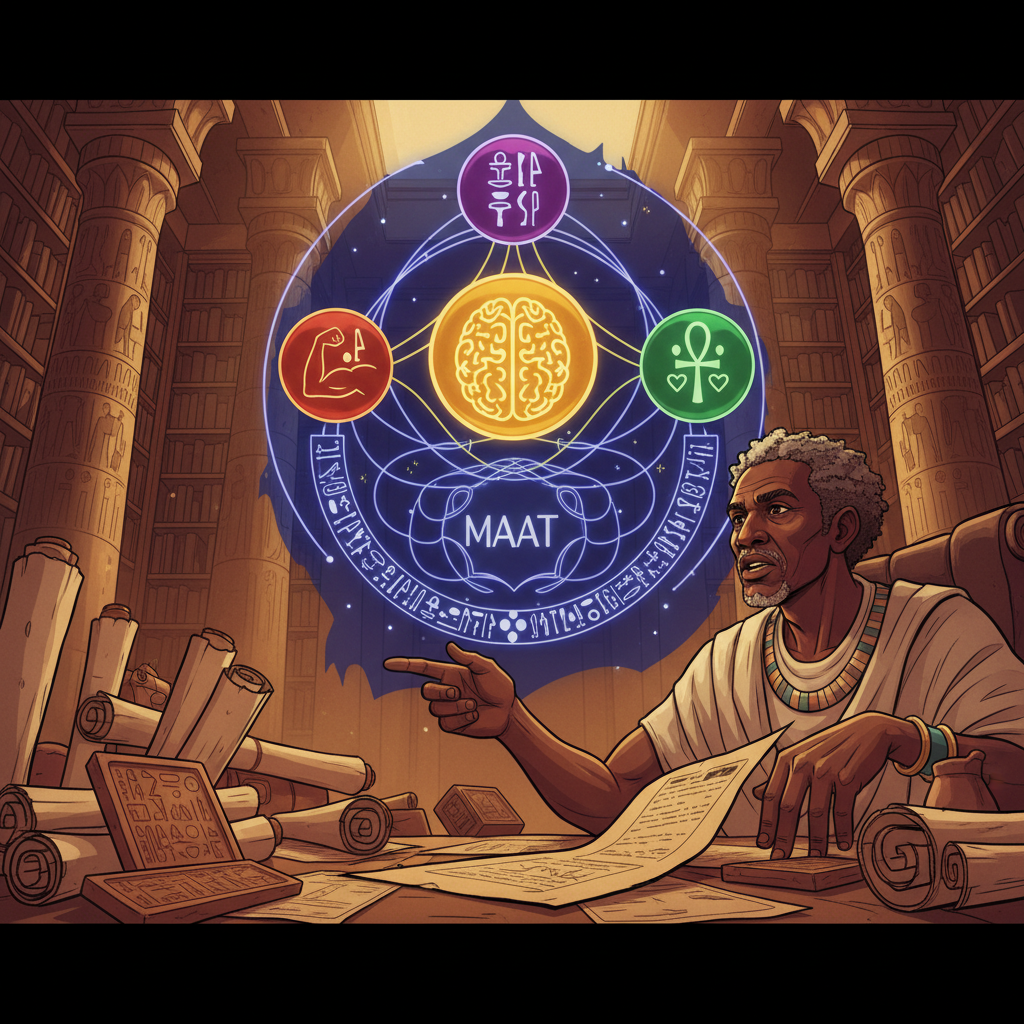
Scholars like Dr. Jacob Carruthers have extensively written on the holistic nature of the Kemetic worldview, where mind, body, and spirit are inextricably linked. The 42 Declarations exemplify this. They don't separate ethics from spirituality, or individual well-being from communal responsibility. Instead, they present a unified path to living a complete and meaningful life. This holistic approach, deeply rooted in African epistemology, teaches us that true justice and wisdom are not fragmented concepts but an integrated way of being, a continuous dance between our inner convictions and our outer expressions.

While called "Negative Confessions," their true power lies in their affirmative nature. Each declaration, "I have not done X," is an affirmation of having chosen to do Y, or to live in a manner consistent with Maat. For instance, "I have not stolen" is an affirmation of respect for property and the right to ownership. "I have not stirred up strife" is an affirmation of promoting peace and harmony. This proactive ethical stance, a conscious choice to embody Maat, moves beyond mere avoidance of wrongdoing towards the active cultivation of virtue. It is a testament to the inherent capacity for good within each individual.
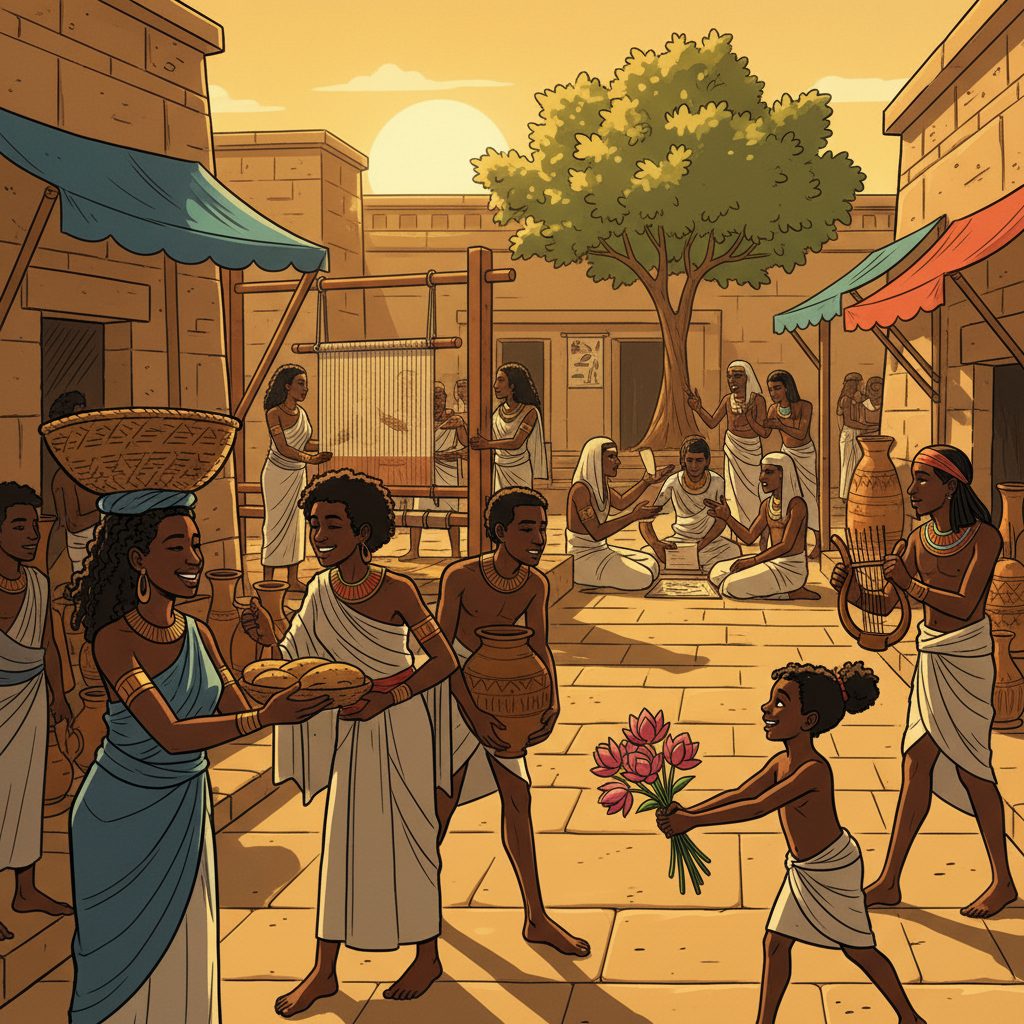
The individual's commitment to these declarations was not an isolated act; it was interwoven into the fabric of Kemetic society. The collective observance of these principles created a Maatian society, where the individual's ethical compass contributed directly to communal well-being and stability. This concept of communalism, where the flourishing of the individual is inseparable from the flourishing of the group, is a central tenet of African philosophy. The 42 Declarations thus serve as both a personal guide for spiritual growth and a foundational blueprint for a just and harmonious collective existence.
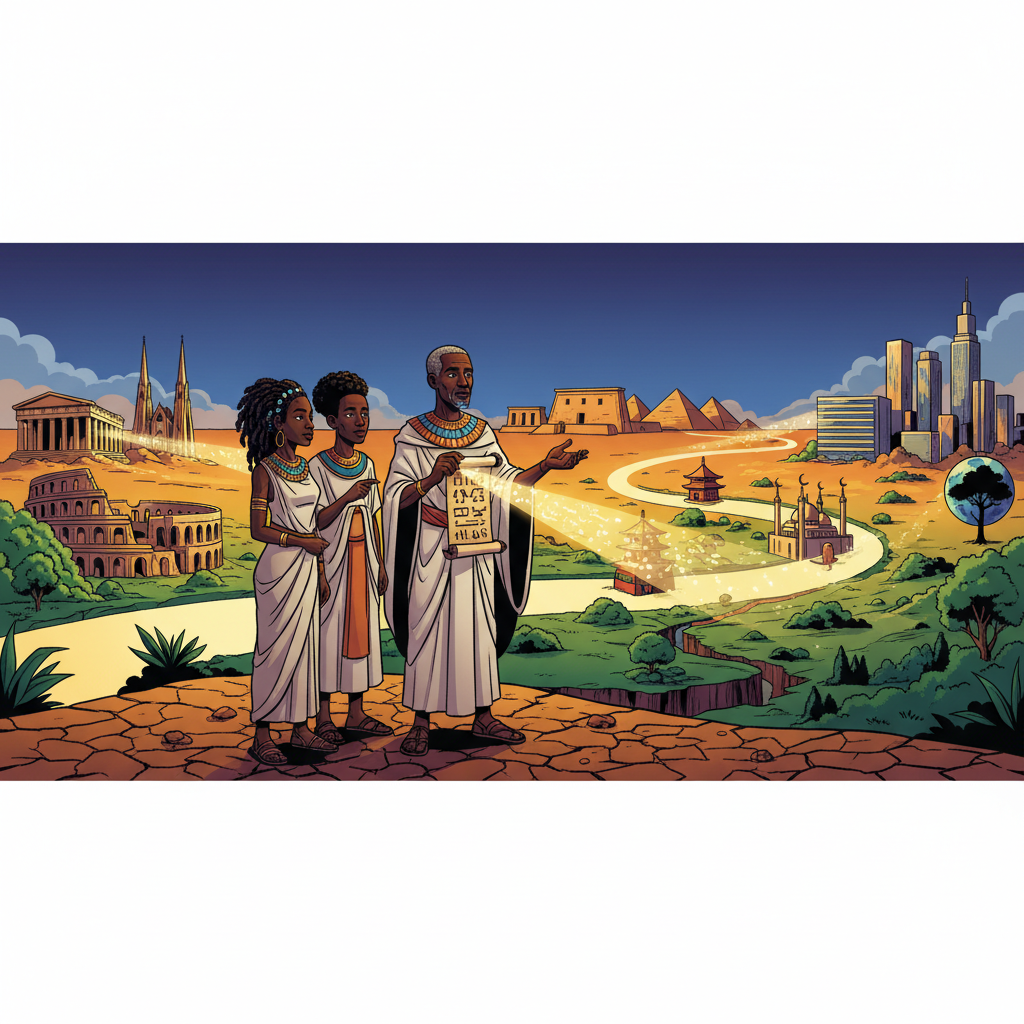
The enduring legacy of the 42 Declarations is undeniable. Their influence can be traced through subsequent ethical and religious systems across the globe, though often without proper attribution to their Kemetic origin. They stand as a powerful paradigm for human conduct, anticipating modern concepts of universal human rights, environmental ethics, and a robust framework for social justice. To study them is to engage with one of humanity's earliest and most comprehensive articulations of morality, a profound contribution from the African continent that continues to offer timeless wisdom for navigating the complexities of life.

My student, you have now glimpsed the profound depths of Kemet's ethical system. These 42 Declarations are not distant echoes from a forgotten past; they are living principles, resonating with the very heartbeat of Maat. Understanding them intellectually is a crucial step, but the true journey lies in their embodiment. To live by these declarations means to consciously choose truth over falsehood, justice over injustice, harmony over discord, in every thought, word, and deed. The Per Ankh is a living embodiment of this wisdom, and you, as a student of Maat, are now called to carry this torch forward.

As you move forward, reflect upon how these declarations challenge you to cultivate a deeper sense of personal responsibility and moral agency. They invite you to not merely obey, but to understand, internalize, and actively live Maat. This is the path of the SAGE, where knowledge transforms into wisdom, and wisdom manifests as a life dedicated to truth and righteousness. The ancient Kemetic sages did not just preach Maat; they *were* Maat. And now, armed with this deeper insight, you too are empowered to become a living testament to these eternal principles, shaping your world through your conscious choices.