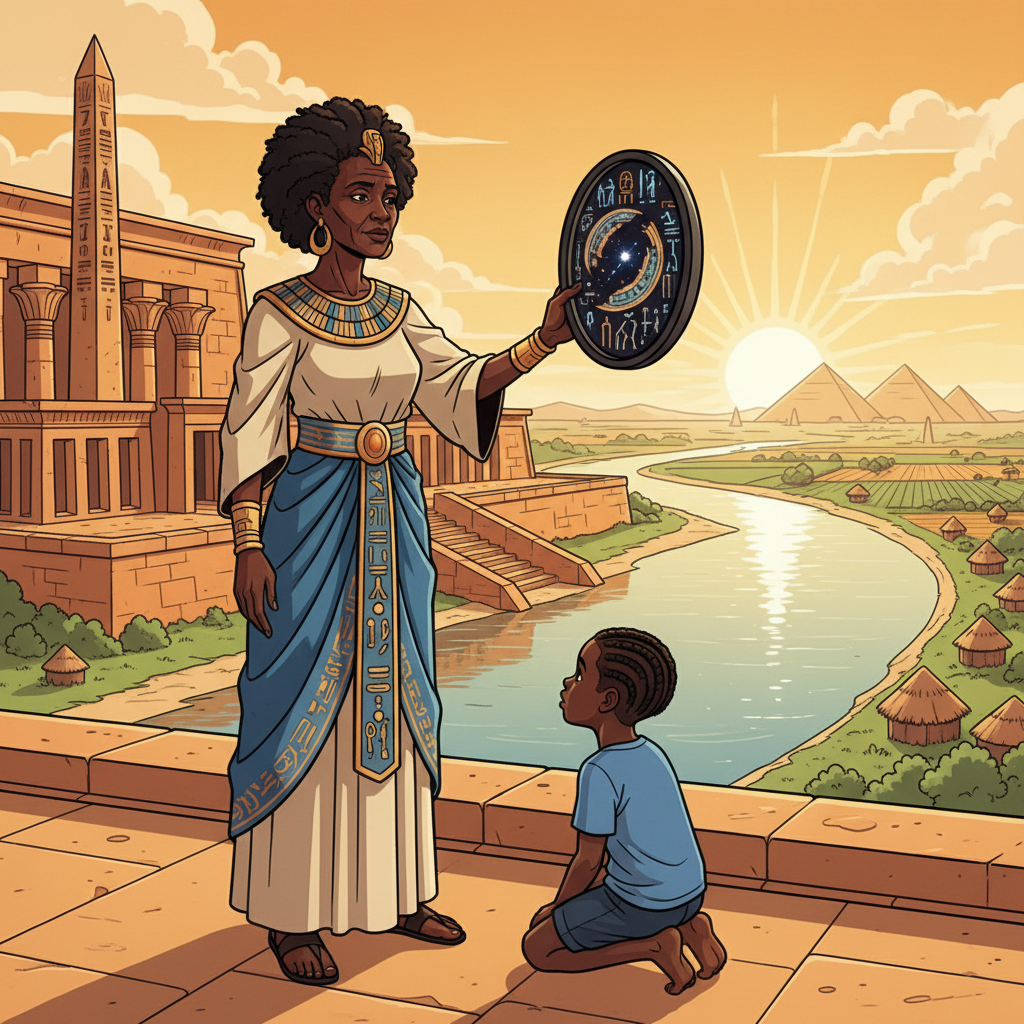
My dear student, you have traversed the Per Ankh with a spirit as keen and an intellect as bright as the morning sun reflecting on the Nile. You have absorbed the foundational wisdom, the essential narrative of our journey through the Pert em Heru. Now, as we approach the very horizon of eternal life, you have earned the right to hear the deeper secrets, the profound philosophy that truly distinguishes the Kemetic path. This is not merely a story now; it is a lens through which to view existence, life, and the great beyond, as understood by our ancestors. Prepare your mind, for what I am about to share will challenge common perceptions and unveil a truth of enduring power.
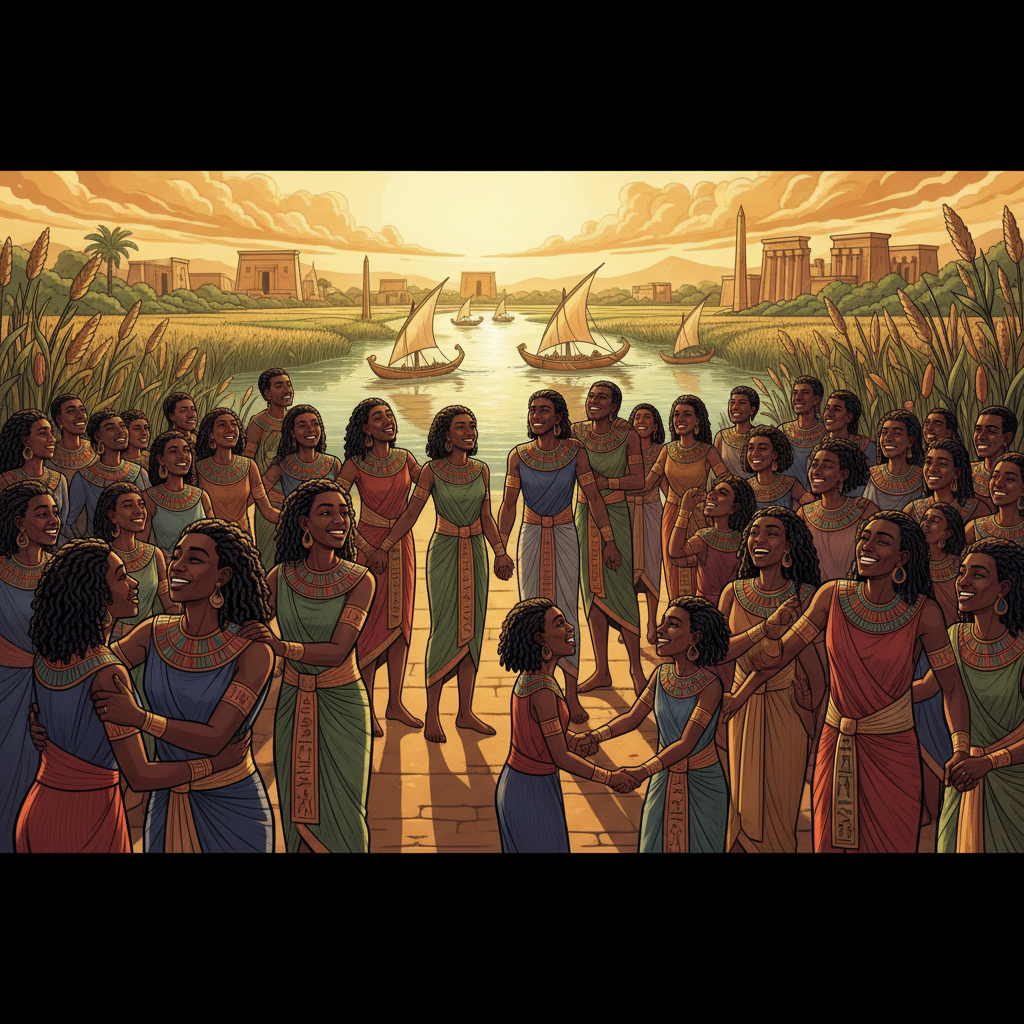
Our destination in this chapter is Sekhet-Aaru, often translated as the "Field of Reeds." In your earlier studies, you learned of it as a beautiful, idyllic realm where the blessed dead reside in peace. While that image holds a certain truth, it is but the surface. Today, we delve into the core understanding: Sekhet-Aaru is not an escape from responsibility or an endless vacation from labor. Instead, it is a continuation, a grand extension of a Maatian life, where purpose and contribution are elevated to their highest, most sacred forms. It is a place of active, joyful participation in the cosmic order, not passive reception.
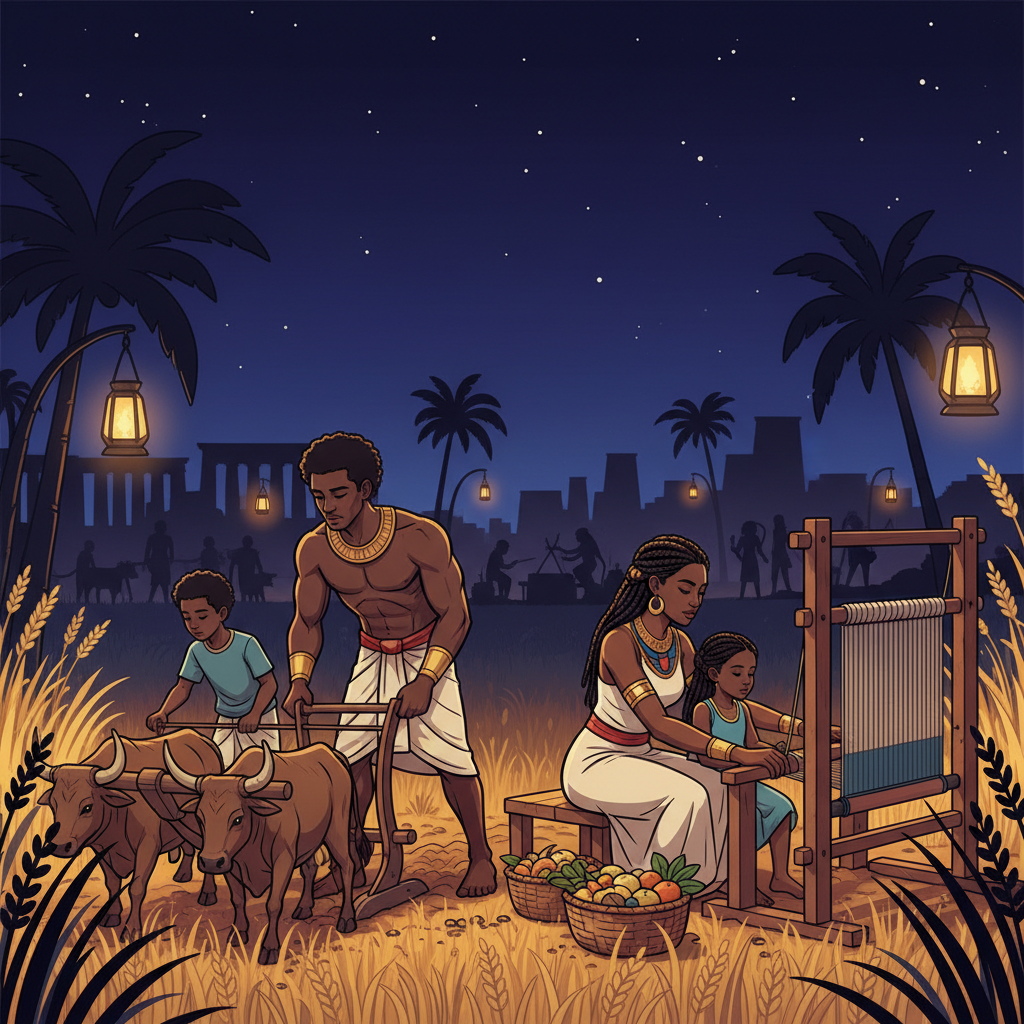
This Kemetic vision stands in stark contrast to many other eschatological beliefs that emerged later in human history, particularly those that envision paradise as a realm of pure rest, effortless existence, or perpetual worship without tangible engagement. Consider the "streets of gold" or the "endless choirs" — while beautiful metaphors, they often imply a cessation of productive activity. Our ancestors, however, understood human dignity and divine connection through the lens of active participation, of shaping and maintaining the world around them, a principle that extended beyond the veil of death.
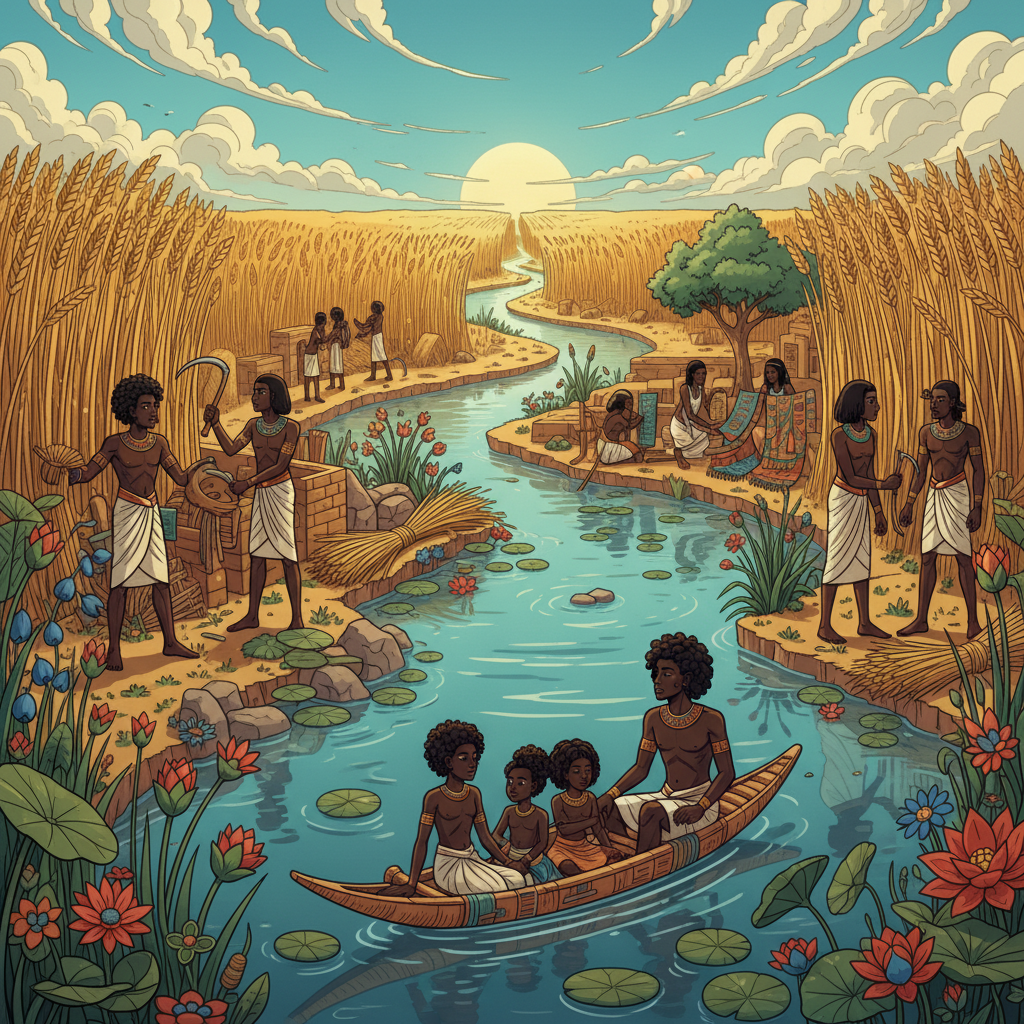
The Field of Reeds is indeed a land of unparalleled abundance. Imagine fields of grain reaching impossible heights, waters flowing with life-giving purity, and air filled with the scent of fragrant blossoms. But this bounty is not merely consumed; it is cultivated. The blessed ones in Sekhet-Aaru are not lounging eternally; they are engaged in the very activities that sustained Kemet: farming, building, creating, and governing in harmony. This continuous engagement is crucial, for it reflects the Kemetic understanding that existence itself is purposeful, a dynamic interplay of creation and maintenance.
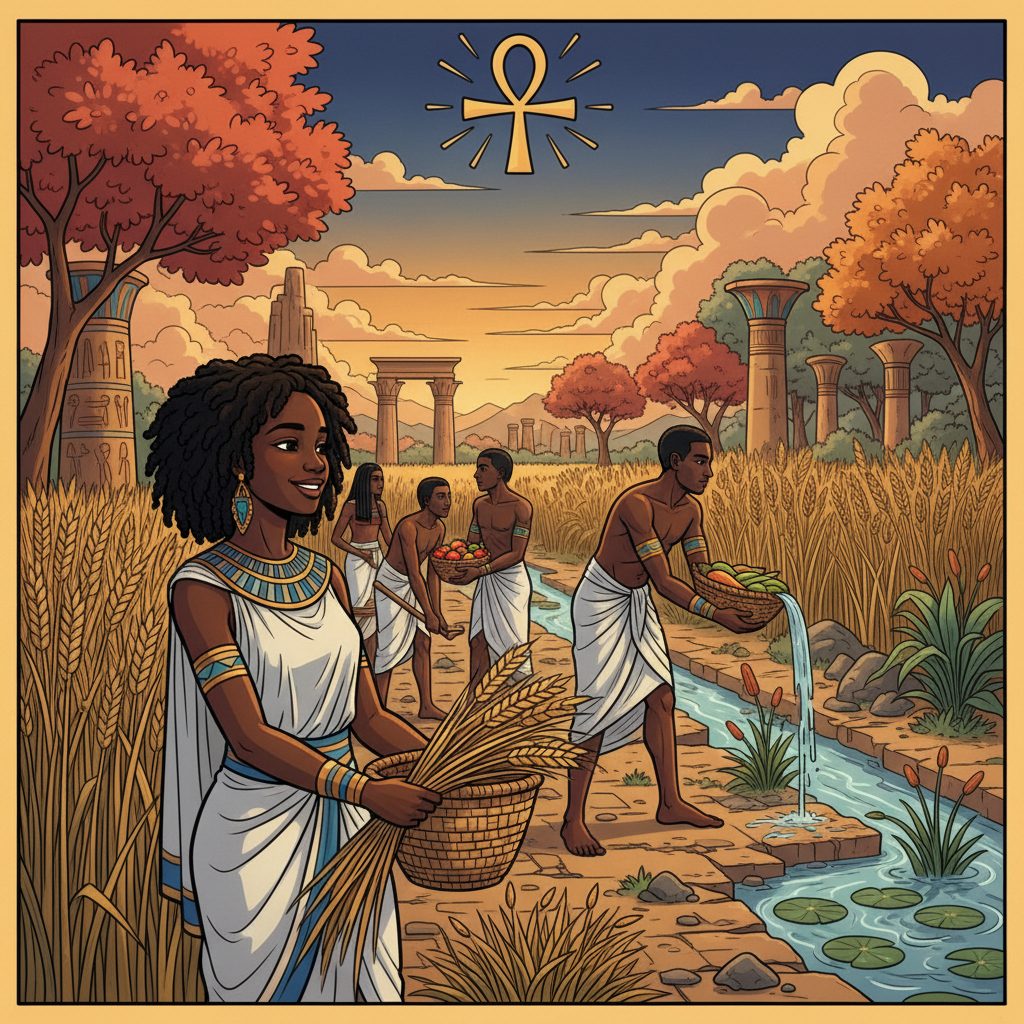
This brings us to the profound Maat Principle of Reciprocity. Just as life on Earth demanded that you give back to your community, to the land, and to the Neteru for the gifts bestowed upon you, so too does the afterlife. Sekhet-Aaru is a place where this principle is fully realized. You do not merely receive the blessings of the afterlife; you actively contribute to its flourishing. It is a symbiotic relationship: the divine sustains you, and you, in turn, sustain the divine order through your purposeful action and adherence to Maat.
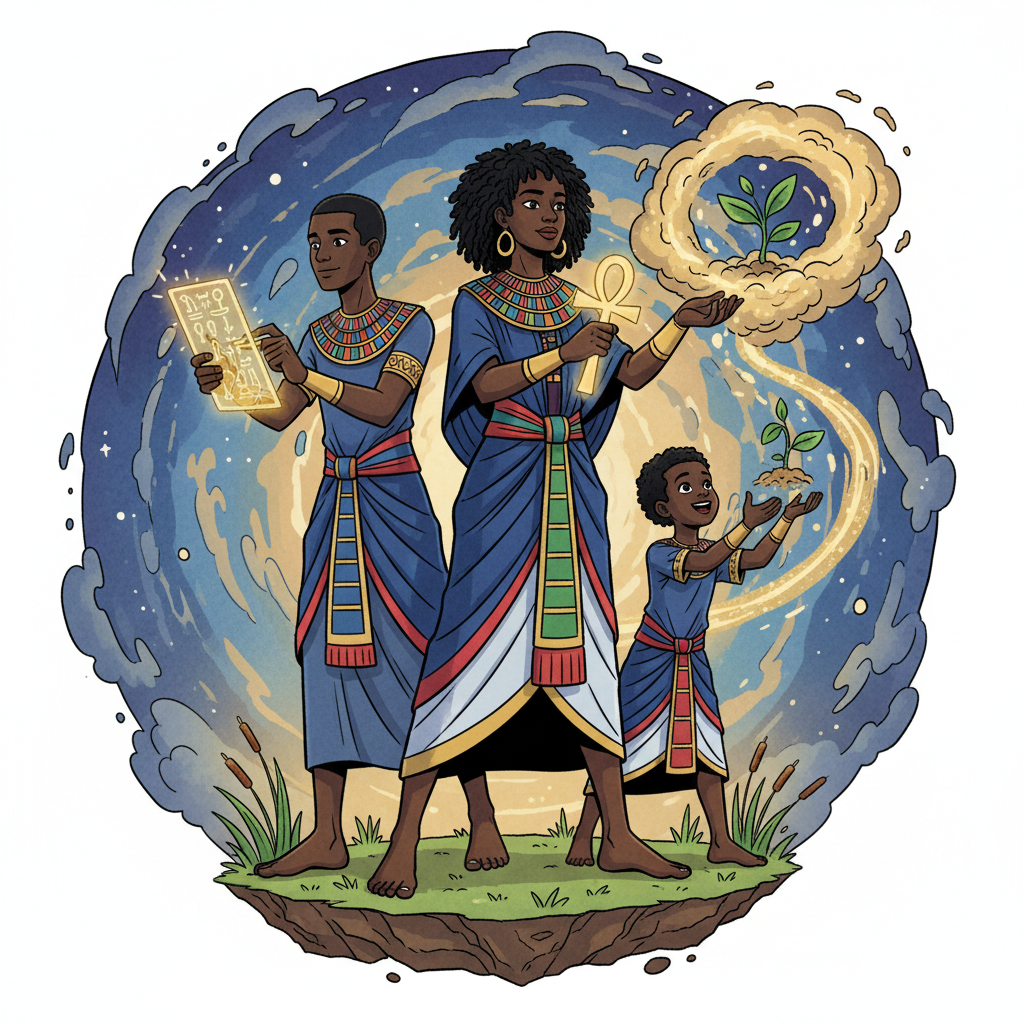
Think of the insights of scholars like Dr. Jacob Carruthers, who meticulously studied the African intellectual tradition. He emphasized that African thought, particularly Kemetic philosophy, is characterized by a deep sense of order, dynamism, and an active engagement with the cosmos. There is no room for spiritual passivity. The universe itself is a continuous process of creation and re-creation, and human beings, even in their spiritual forms, are integral participants in this grand, unfolding drama. Our ancestors understood that true fulfillment came from this active role.
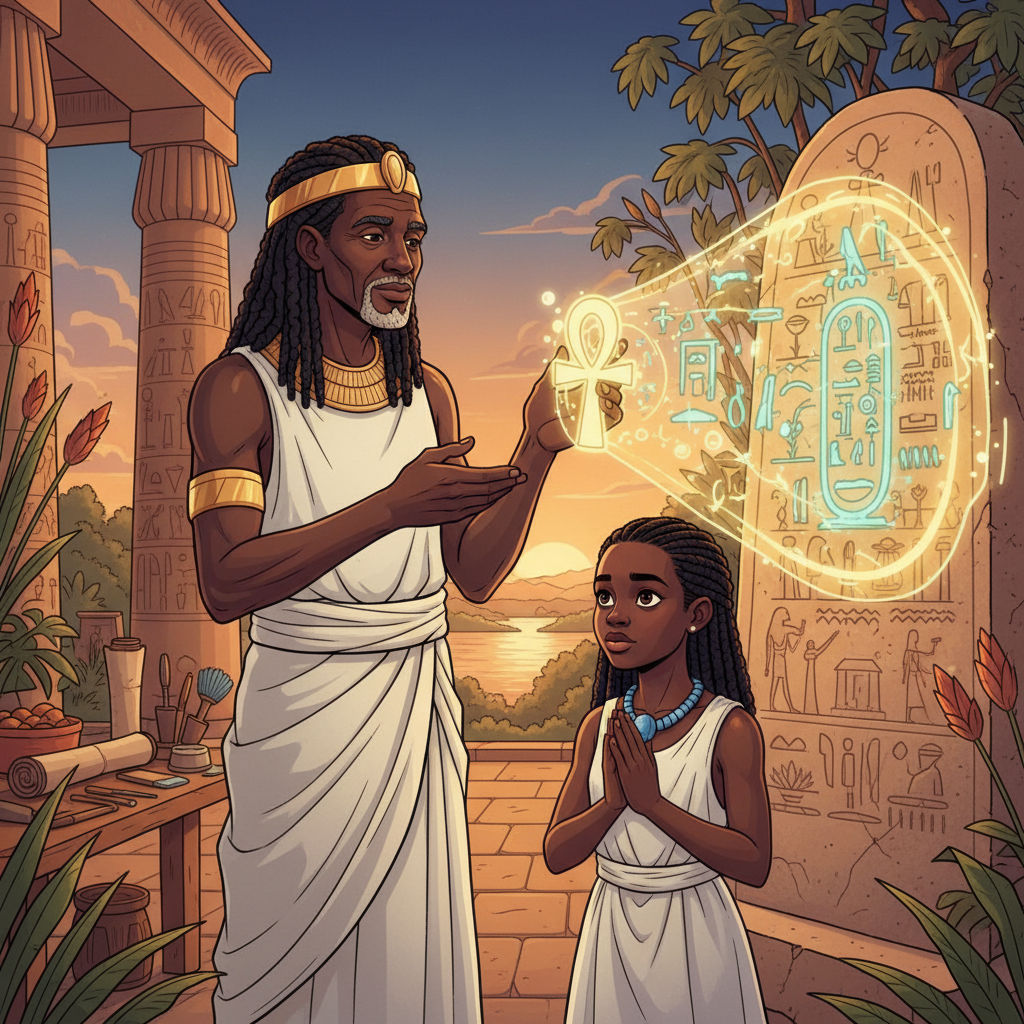
The Kemetic understanding asserts that our purpose, our very reason for being, does not simply vanish or become irrelevant upon the transition from physical life. Instead, it transfigures, moving into a realm where our contributions are purified and perfected. We continue to be stewards of creation, ensuring the cosmic order of Maat is upheld, not just on Earth, but throughout the spiritual planes. This is a profound affirmation of life’s meaning, suggesting that the drive to build, to nurture, to learn, and to serve is an intrinsic part of our spiritual essence.
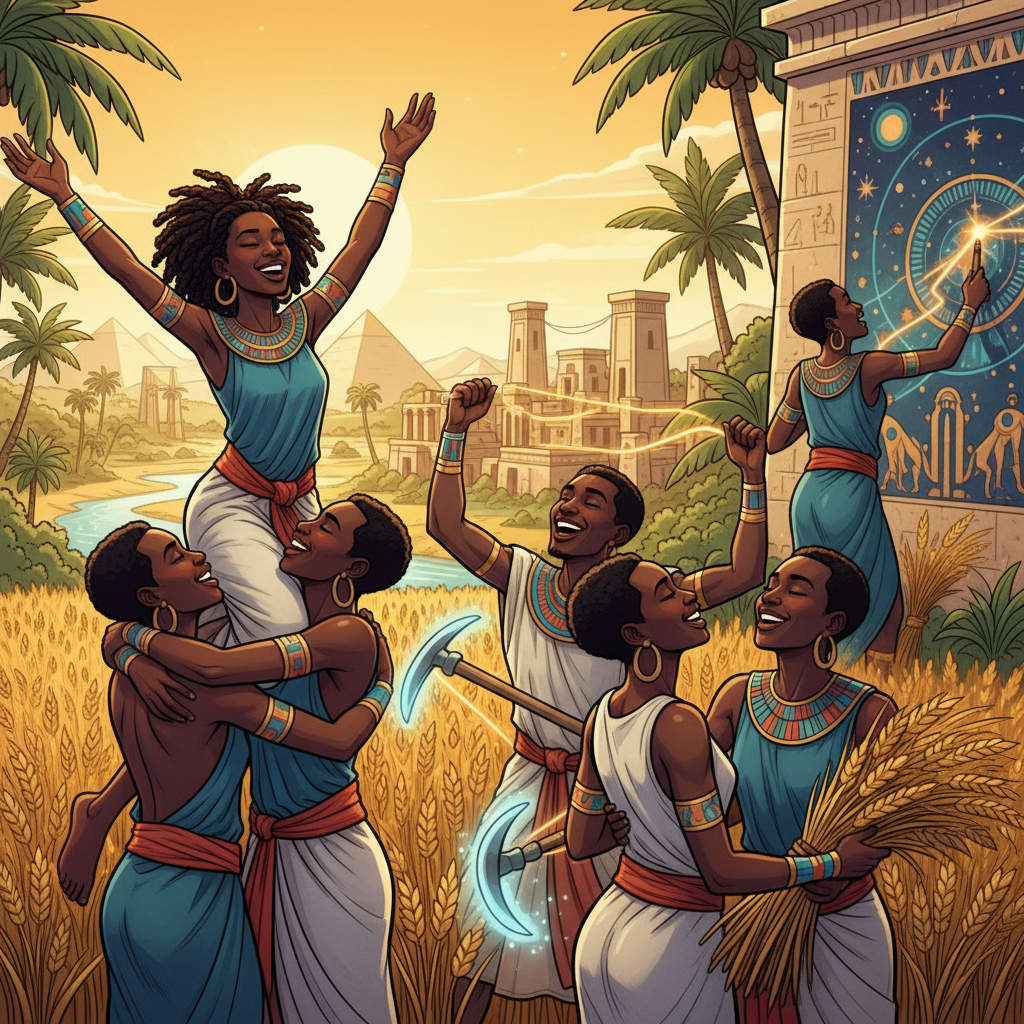
Thus, the "work" in Sekhet-Aaru is not a burden or a punishment, but the highest form of joy and fulfillment. It is labor performed in perfect harmony, without the suffering or injustice that sometimes accompanies earthly toil. Imagine farming with absolute knowledge of the land, building with divine precision, or creating art that perfectly mirrors cosmic beauty. This is the ideal state of productive living, reflecting the Maatian ethos that meaningful contribution is the ultimate expression of being, a continuous act of co-creation with the Neteru.
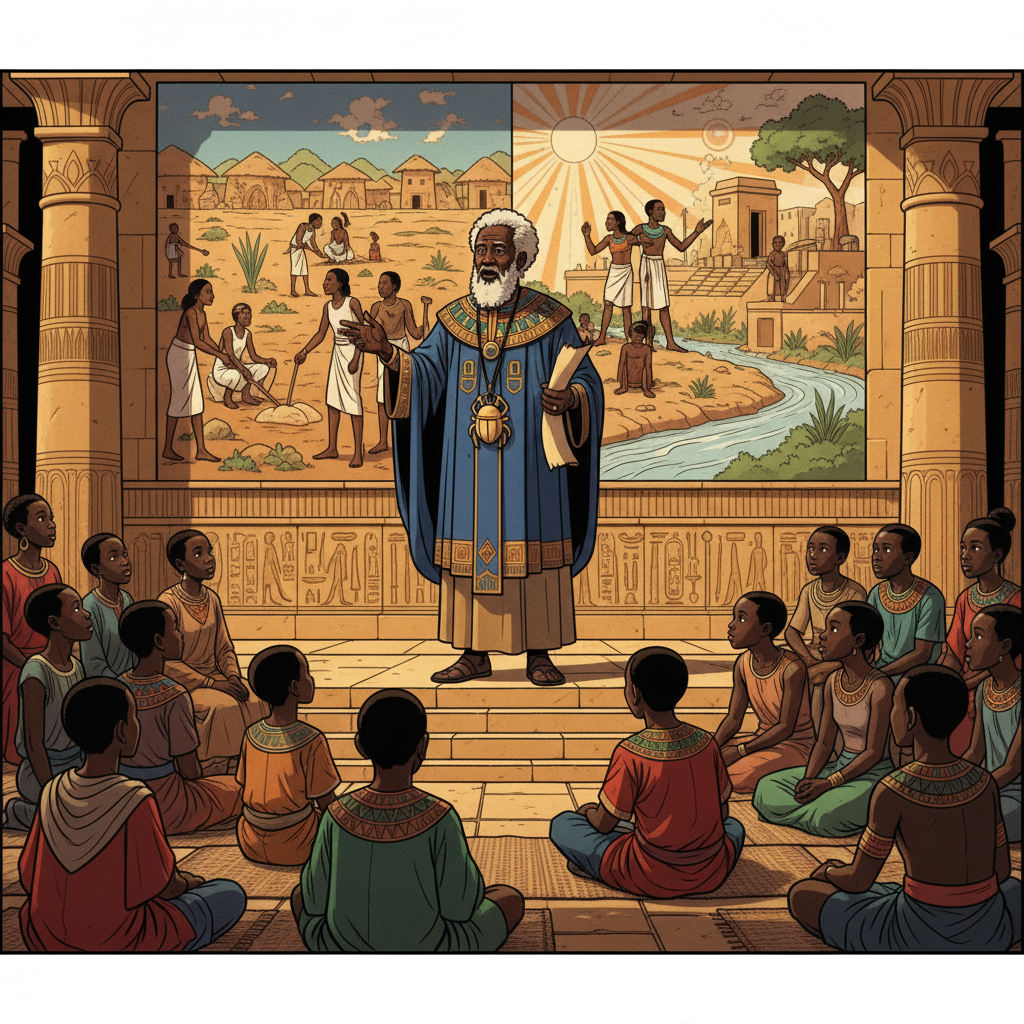
Dr. Asa Hilliard, another towering figure in Afrocentric scholarship, often spoke of the profound cultural continuity within African civilizations. He highlighted how core values, such as the importance of community, productive labor, and collective well-being, remained constant across different eras and expressions of African thought. The vision of Sekhet-Aaru perfectly embodies this continuity, demonstrating that the values cherished in life – hard work, contribution, and living in harmony – are precisely the values that define a blessed existence in the afterlife.
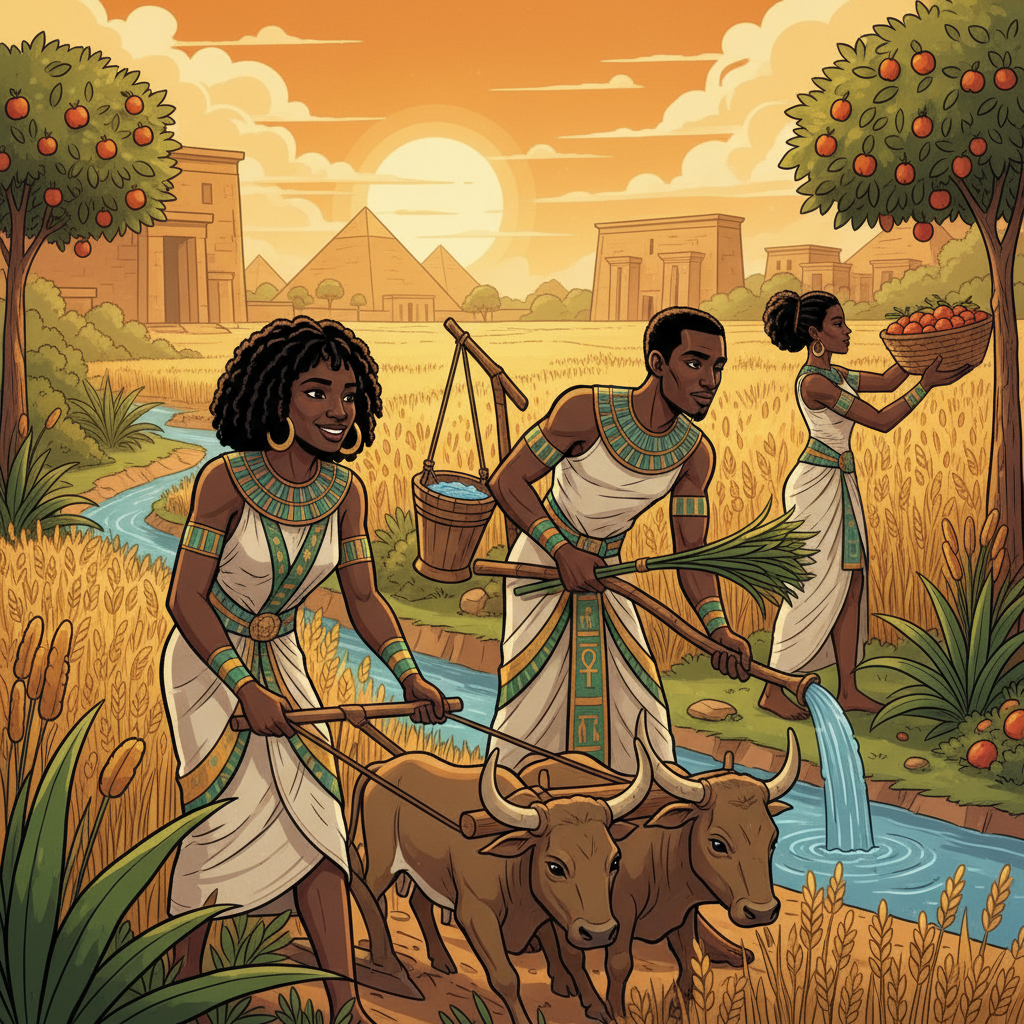
This perspective fundamentally rejects any notion of paradise as an escapist fantasy, a realm where one can finally abandon the responsibilities of existence. Instead, it champions the idea that true blessedness lies in embracing and perfecting those responsibilities. The desire is not to be free *from* work, but to be free *to* work in an environment of purity, purpose, and perfect harmony, where every action contributes directly to the well-being of the divine community and the maintenance of cosmic order.
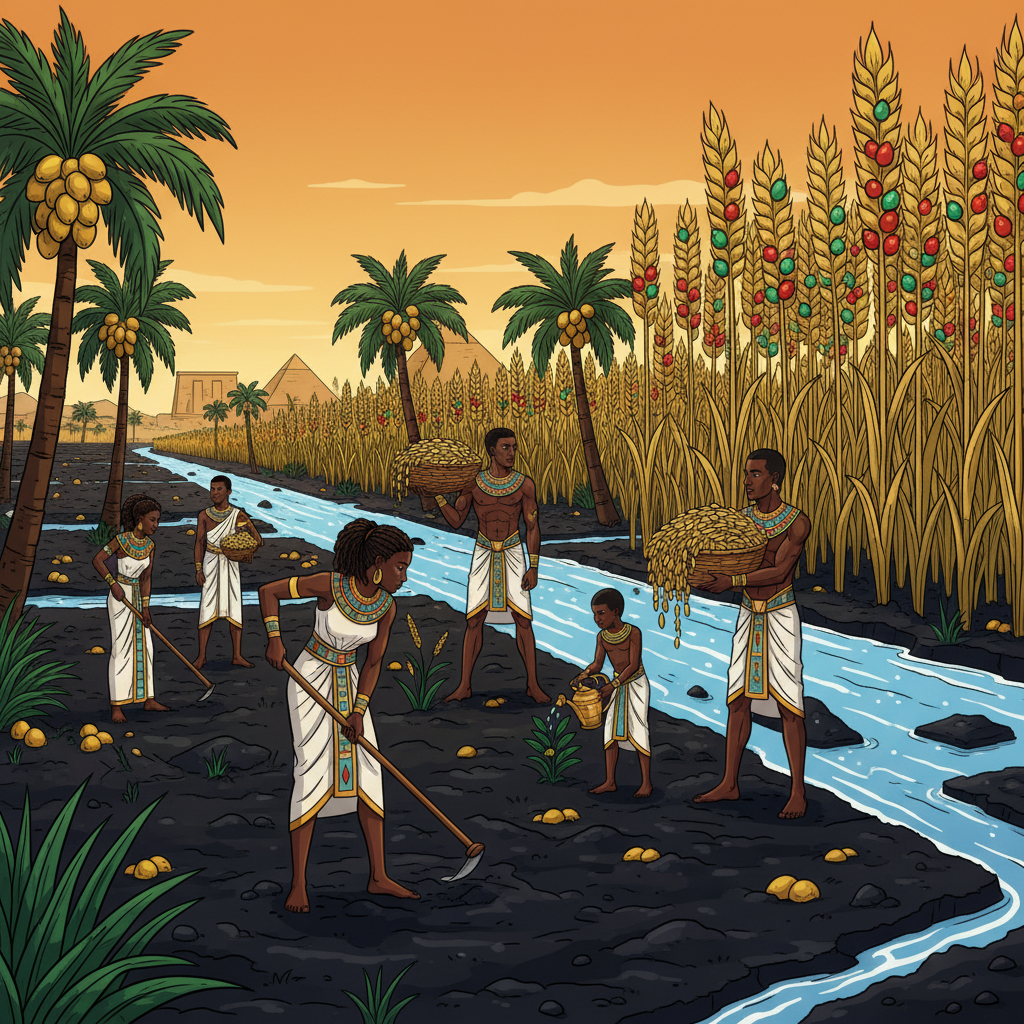
The fertile lands of Sekhet-Aaru are described in vivid detail within the Pert em Heru. It is not an abstract, ethereal concept, but a tangible, beautiful environment designed for active living. Imagine the rich black soil, reminiscent of the fertile Kemet you know, nourished by crystalline waters. The bounty it yields is extraordinary, exceeding anything known in earthly realms, yet it still requires the hands of the blessed to bring it forth, to organize it, and to share it.
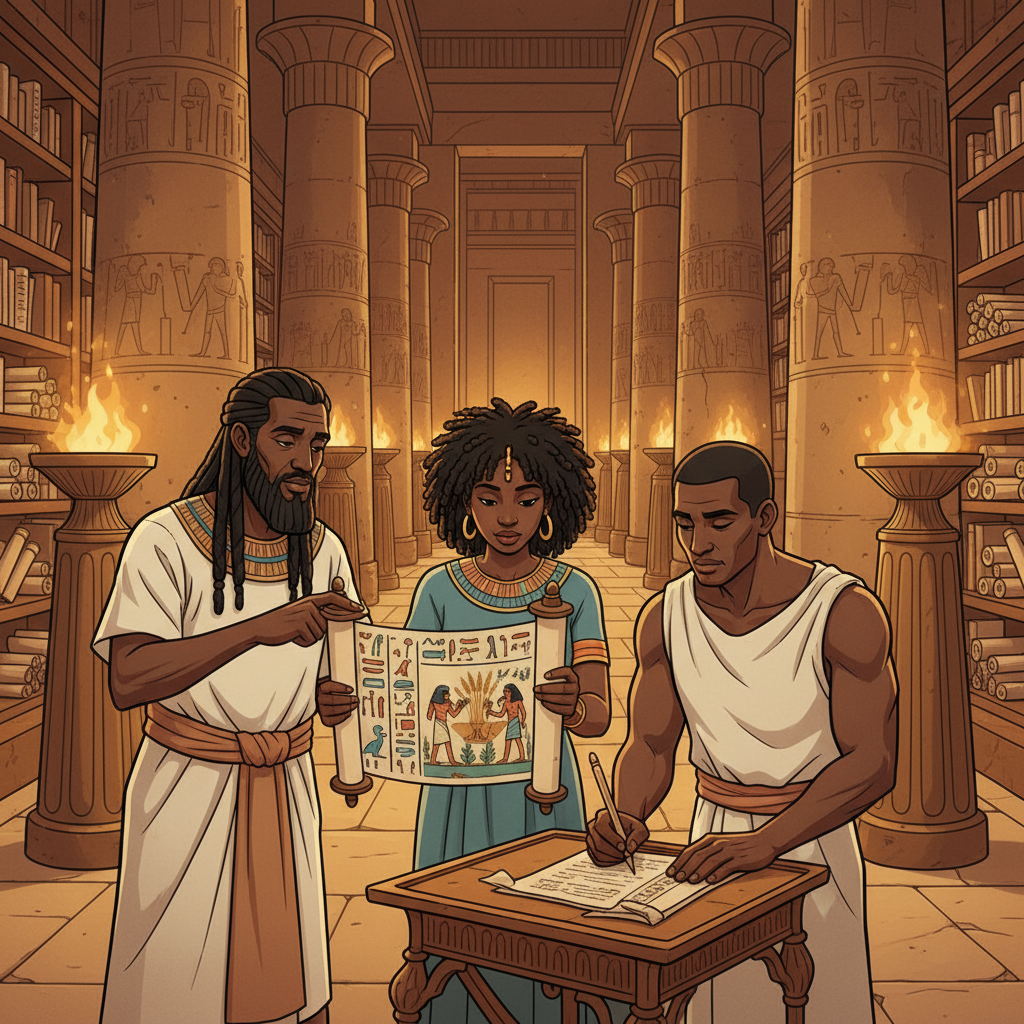
Indeed, the ancient texts themselves speak to this very activity. The Papyrus of Ani, a revered copy of the Pert em Heru, offers a powerful glimpse into this working paradise: "In the Field of Reeds, the grain grows seven cubits high. The blessed ones harvest and plant, for even in eternity, the hands must serve Maat." This is not a metaphor for spiritual growth alone; it speaks to actual, productive engagement, a physical and spiritual continuum where active participation is paramount.
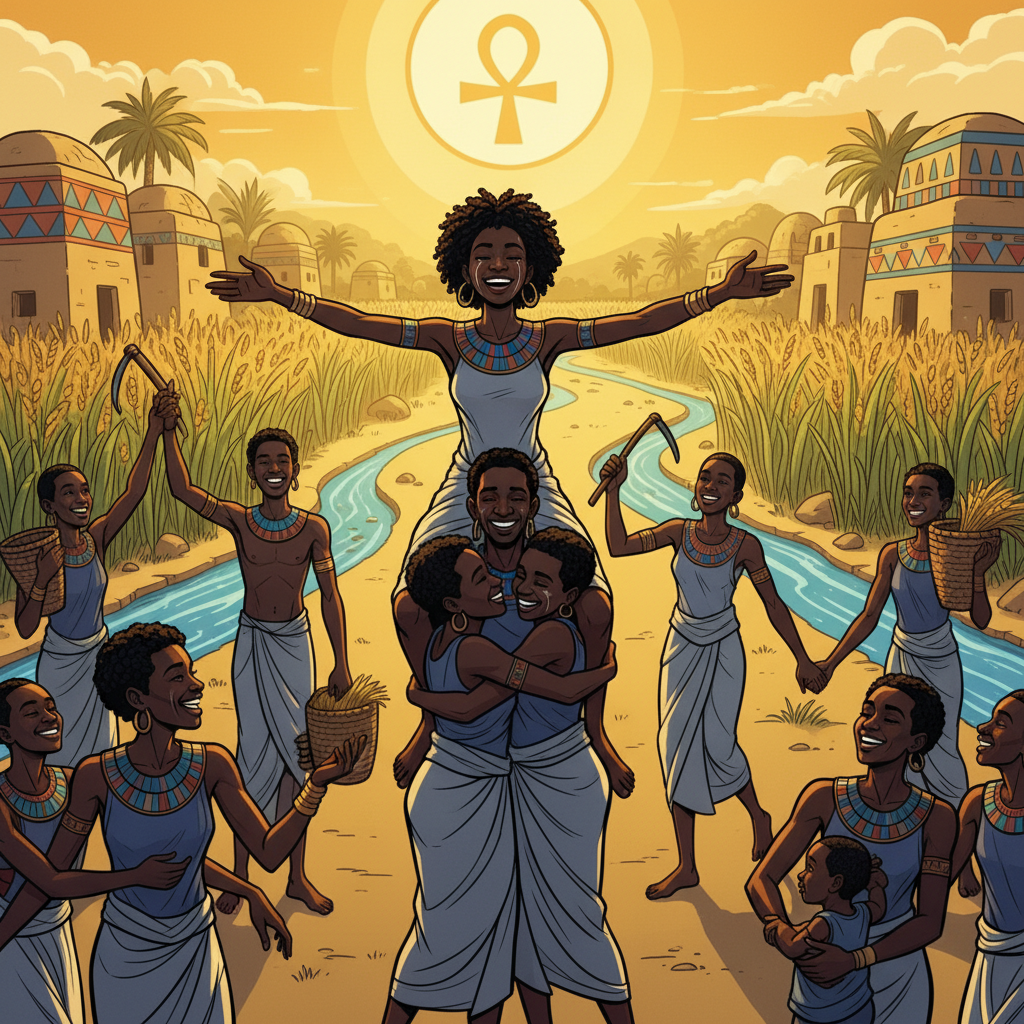
The phrase "the hands must serve Maat" is particularly illuminating. It signifies that physical labor, when performed with intention and in alignment with divine principles, is a sacred act. It elevates the mundane to the spiritual. In Sekhet-Aaru, every stroke of the hoe, every seed planted, every harvest gathered is a direct participation in the divine order, a joyful affirmation of one’s commitment to truth, balance, and justice. It is a profound statement about the inherent dignity of labor and its essential role in a truly blessed existence.
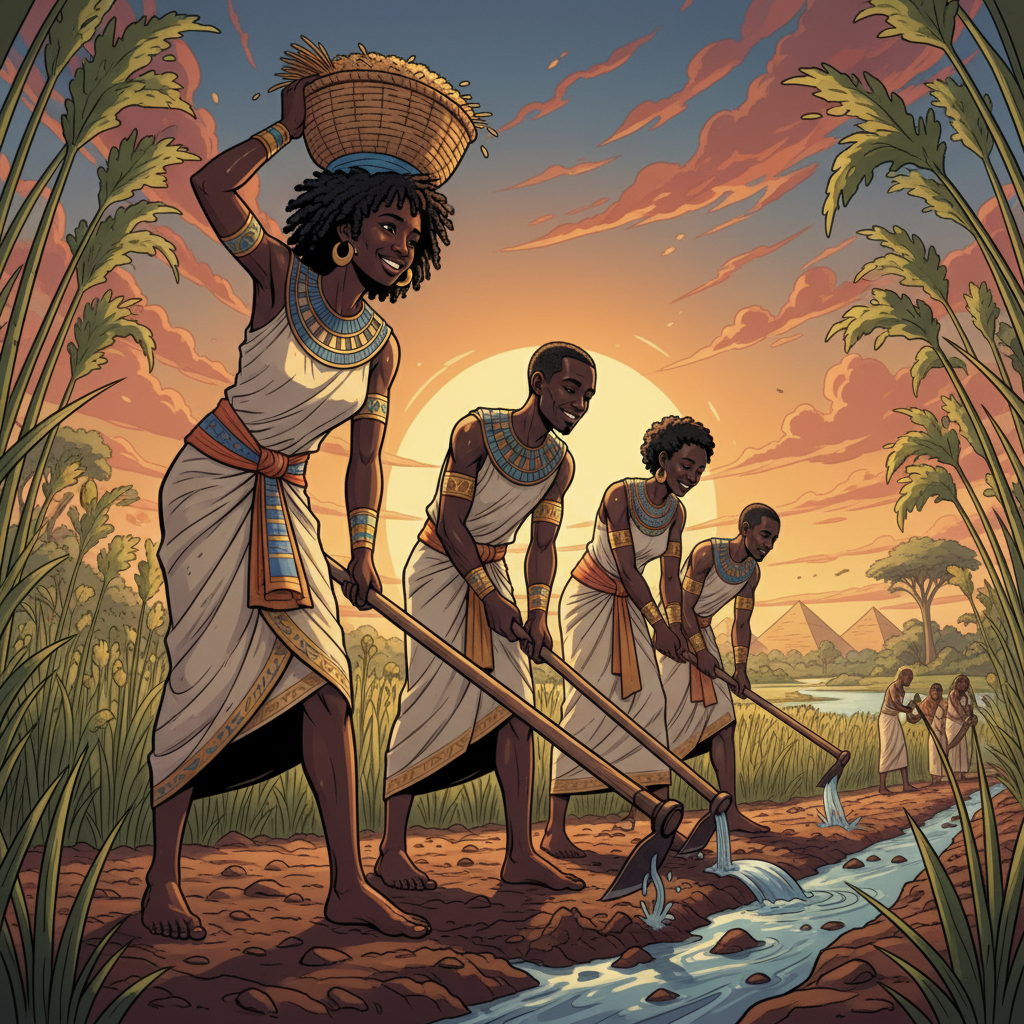
Moreover, this work is not performed in isolation. The blessed ones engage in these activities together, fostering a deep sense of community and shared purpose. This mirrors the communal spirit that defined ancient African societies, where the well-being of the individual was inextricably linked to the well-being of the collective. In Sekhet-Aaru, this communal effort ensures the flourishing of all, a perfect ecosystem of Reciprocity where everyone contributes and everyone benefits.
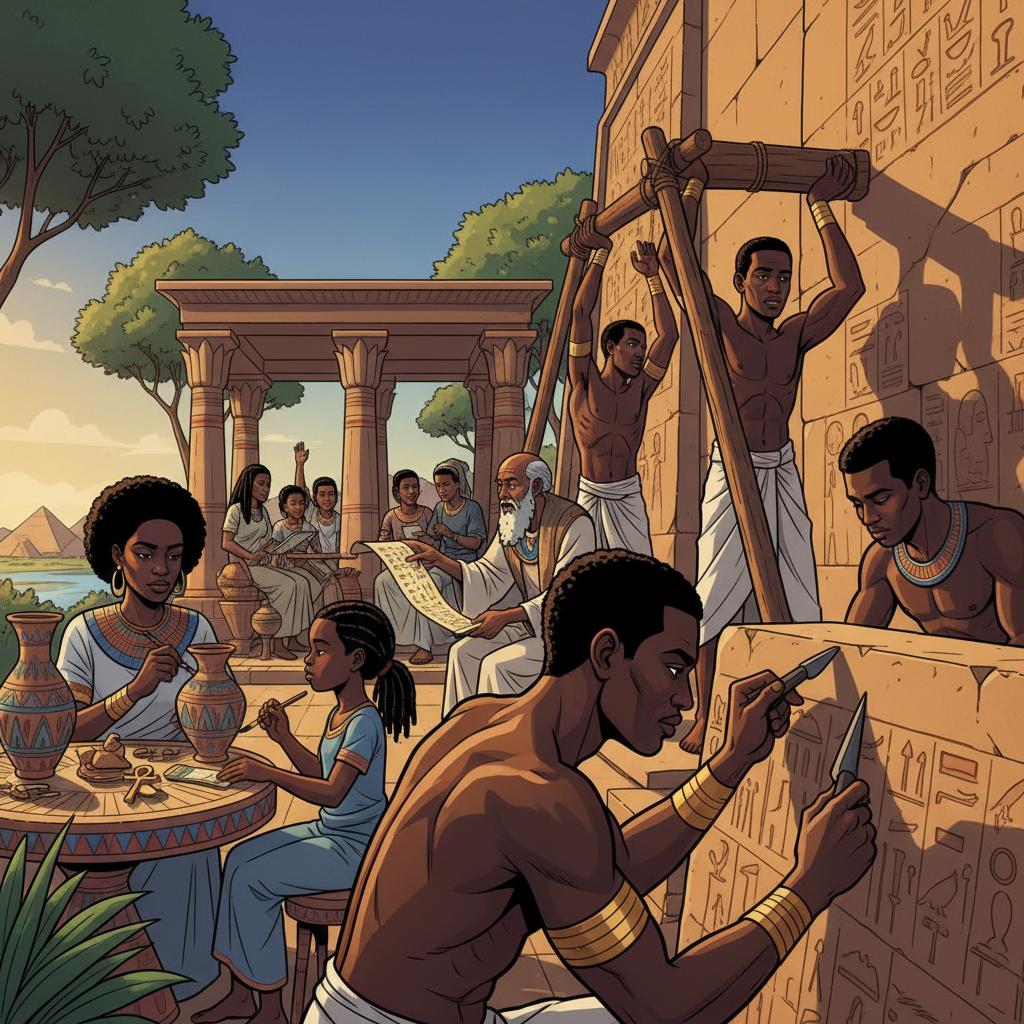
Beyond farming, the texts imply a spectrum of productive activities. Building structures that are divinely aligned, crafting objects of profound beauty and utility, engaging in intellectual pursuits, teaching, learning, and perfecting skills — all these forms of contribution are part of the vibrant life in Sekhet-Aaru. The goal is not merely survival, but continuous flourishing, cultural enrichment, and spiritual advancement through active engagement and creative expression.
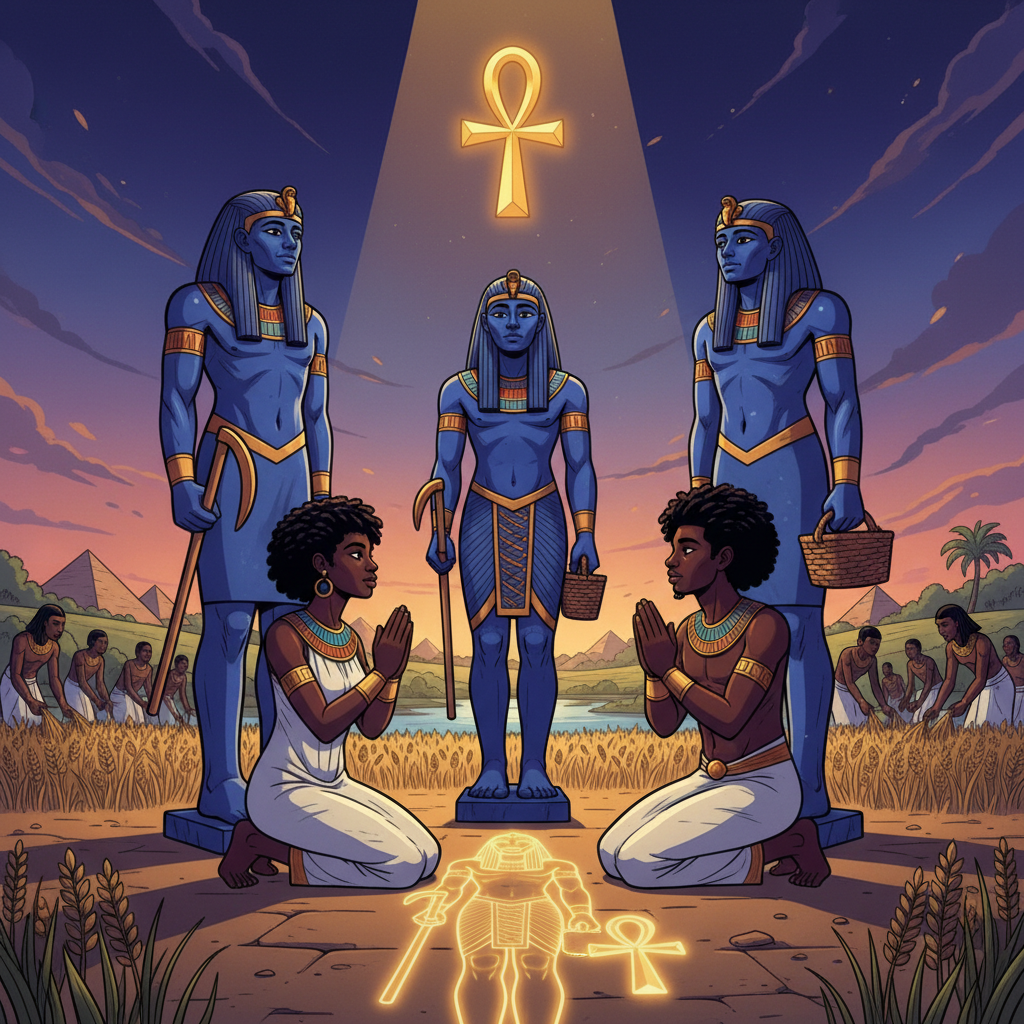
Even the purpose of the Ushebti figures, which you learned about previously, takes on a deeper meaning in this context. While often seen as "answerers" who would perform labor on behalf of the deceased, they also symbolize the deceased’s *readiness* and *willingness* to contribute. They are not meant to negate the deceased’s own participation but to ensure that the work of Maat is always tended, reflecting a profound commitment to continuous service, even if through symbolic representation.
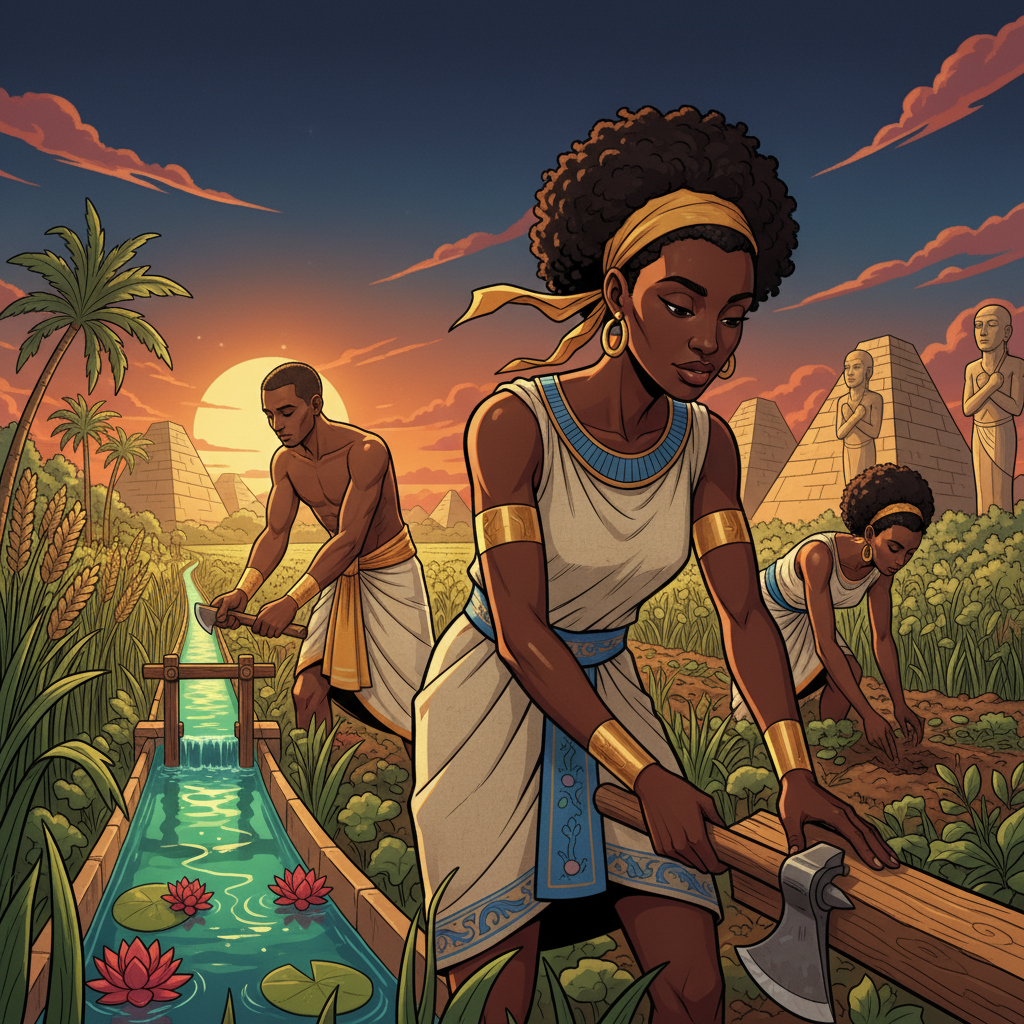
Therefore, the Kemetic ideal emphatically rejects idleness or passive contemplation as the ultimate state of blessedness. While contemplation has its place, the highest form of existence is active, engaged, and contributory. The blessed are not merely existing; they are actively shaping, nurturing, and sustaining their environment, embodying the very principles of Maat through their continuous, purposeful deeds. This is the true reward for a life well-lived: the ability to continue living well, with purpose.
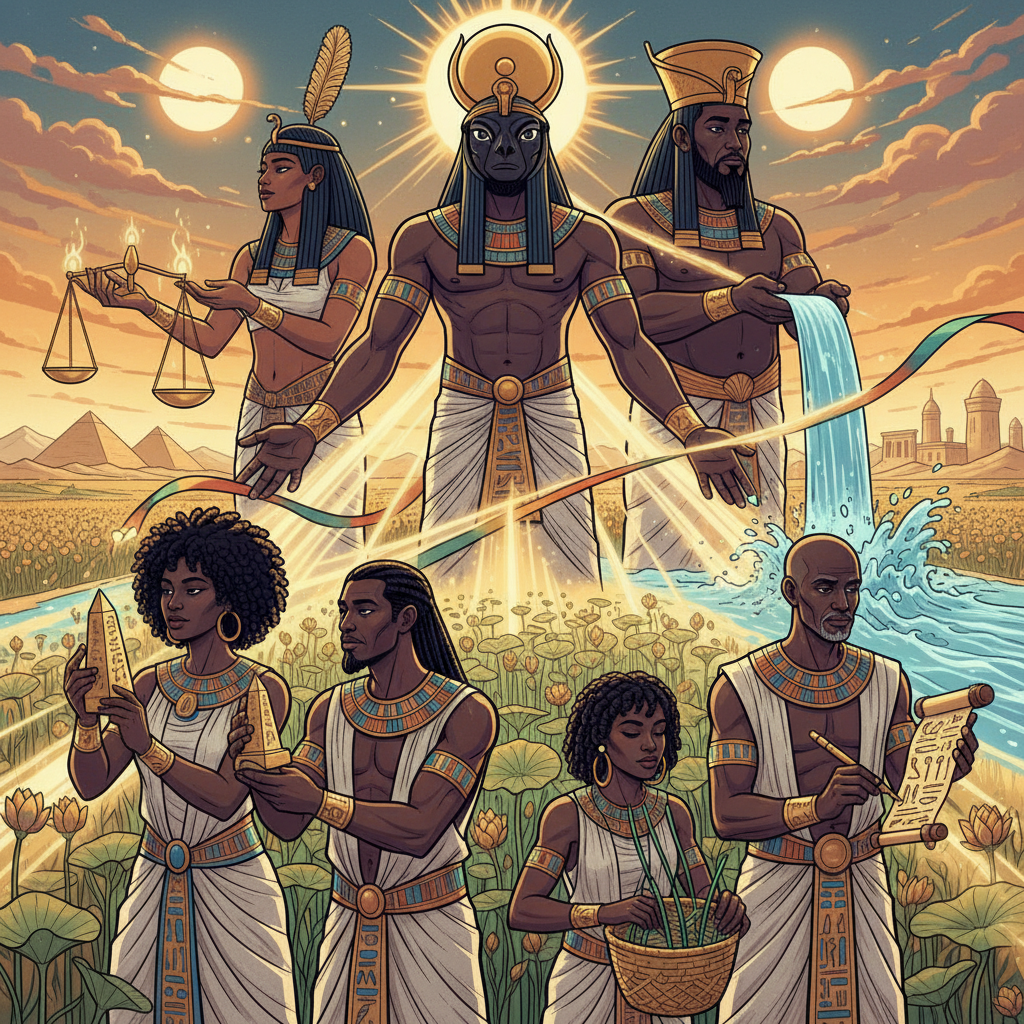
This active contribution in Sekhet-Aaru is a profound expression of Reciprocity with the Neteru themselves. Just as the Neteru continually maintain the cosmic order, ensuring the sun rises, the Nile floods, and life continues, so too do the blessed dead, through their purposeful work, participate in this divine maintenance. It is a partnership, a co-creative dance where human and divine realms are interwoven, each supporting the other in an unending cycle of harmonious existence.
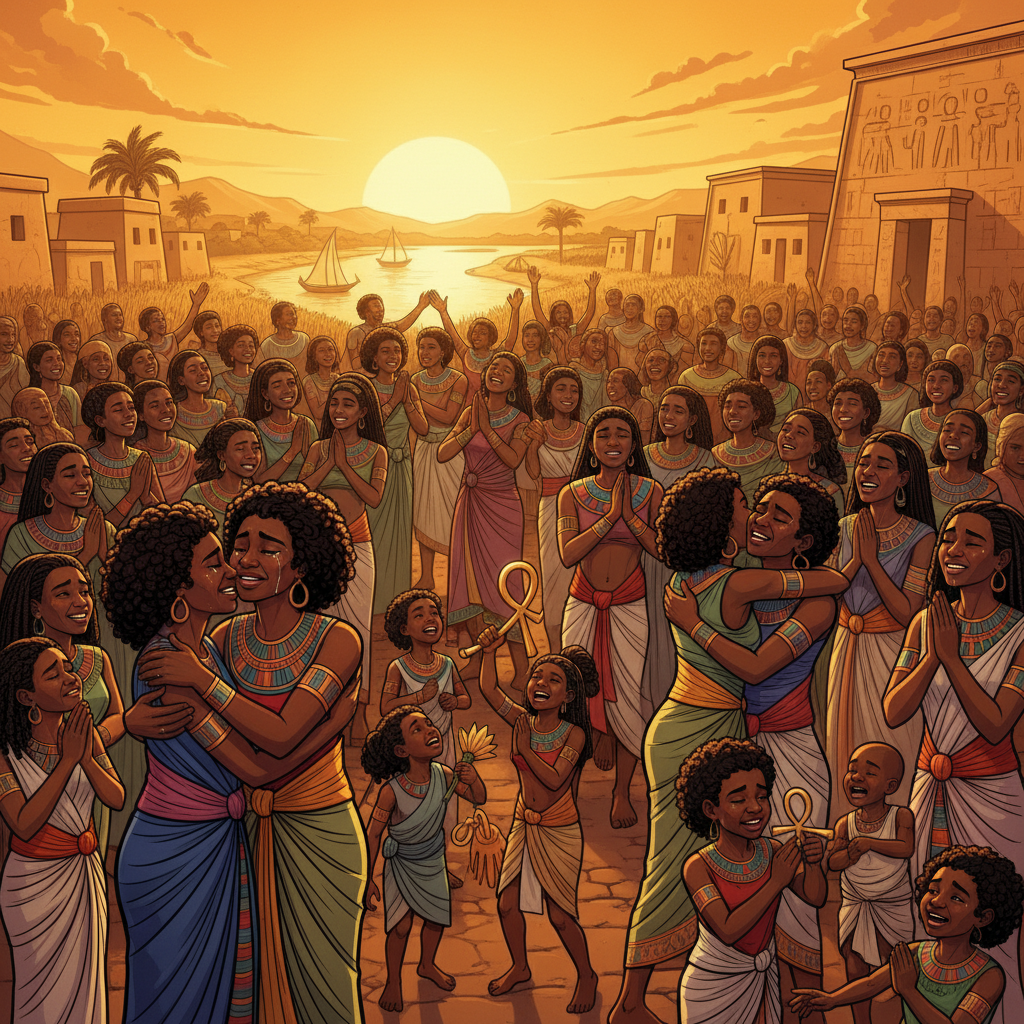
This radical vision of paradise profoundly impacts how one lives in the present. Knowing that purpose and productive contribution extend into eternity encourages a life of intentionality and meaningful action here and now. Every effort to live by Maat, to contribute positively to your community, and to cultivate your talents becomes an investment in an eternal legacy of active, joyful service. It shapes your character, not just for this life, but for the next, forging an enduring spirit of contribution.
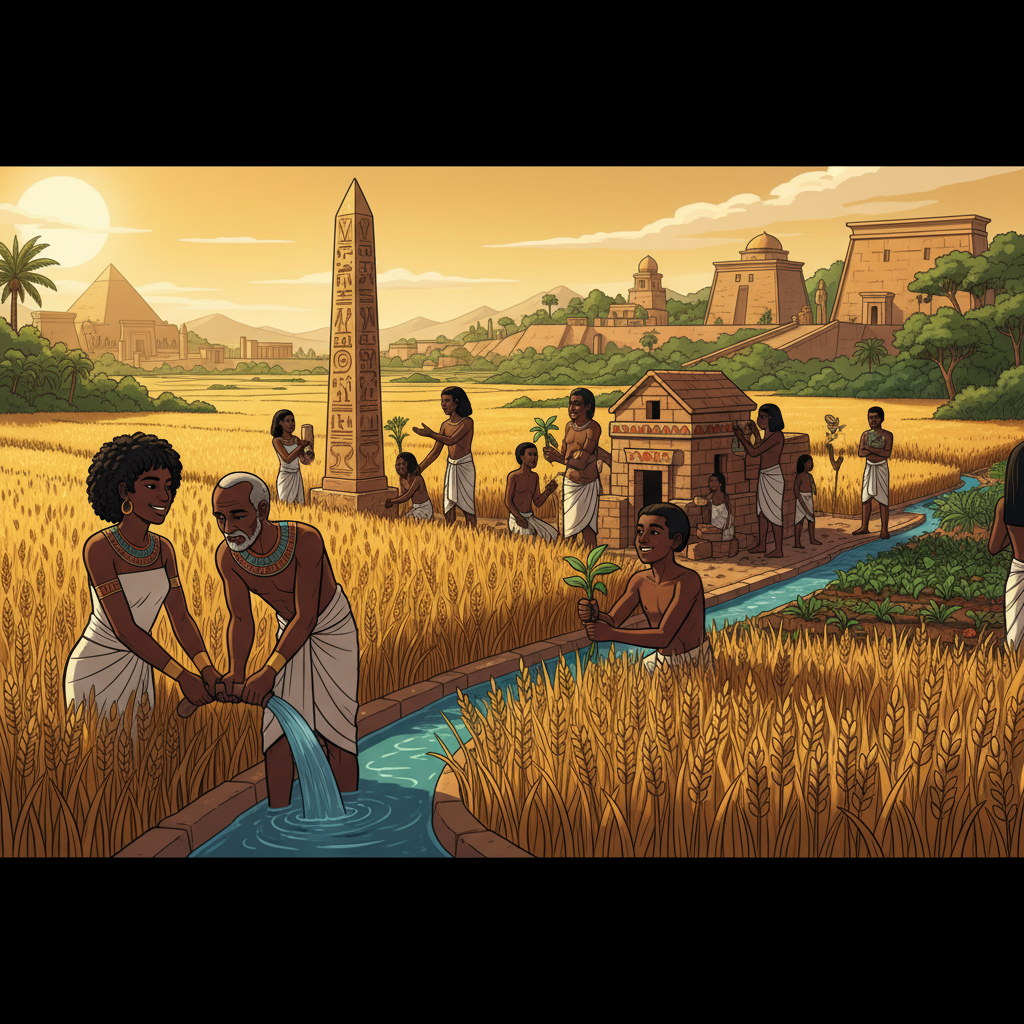
This understanding of Sekhet-Aaru is one of Kemet’s most profound gifts to humanity, a paradigm that offers a path of continuous growth and meaning, rather than a final escape. It challenges the simplistic notions of reward and punishment, replacing them with a sophisticated view where one earns the privilege of continued, purposeful existence through a life lived in accordance with Maat. It speaks to a deep, abiding respect for life itself, in all its forms and phases.
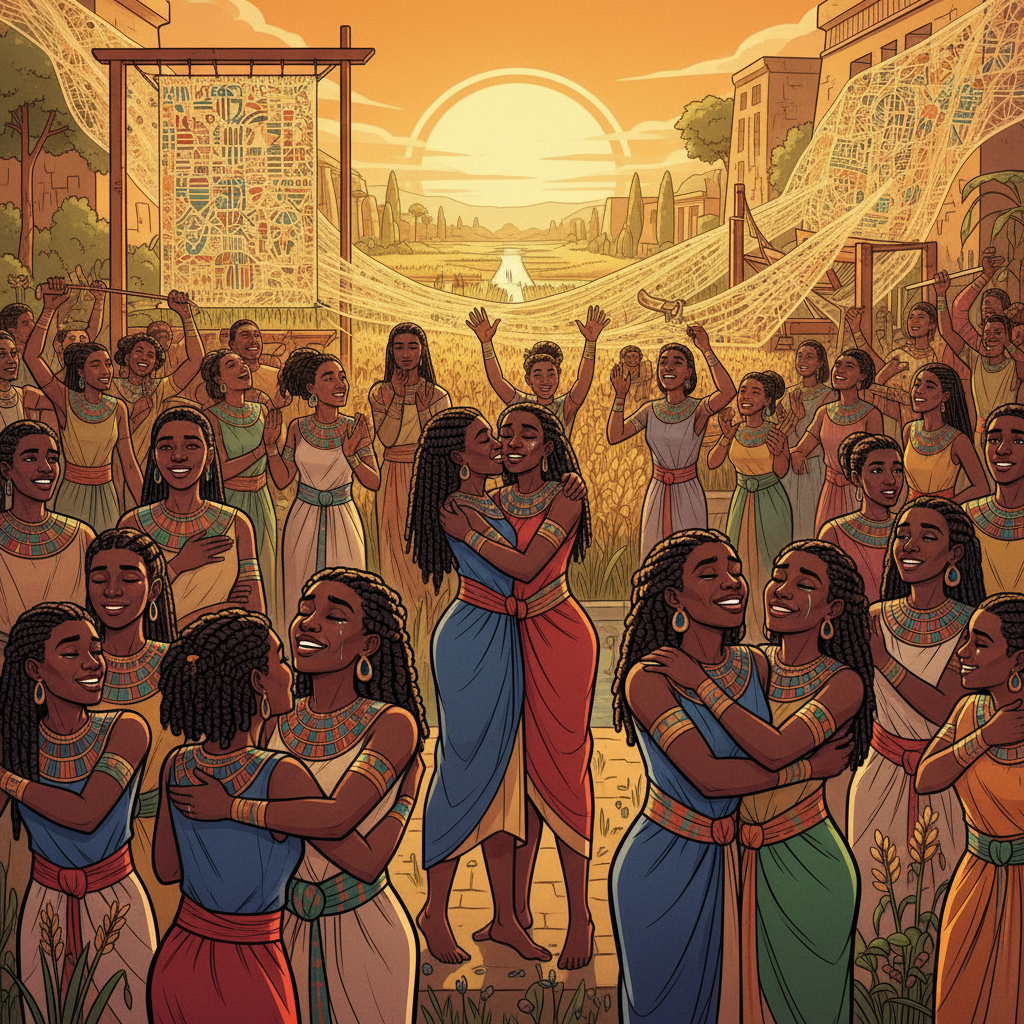
My student, the true lesson of Sekhet-Aaru is that fulfillment comes not from avoiding responsibility, but from embracing it fully, joyfully, and purposefully, in every phase of existence. The Kemetic afterlife is not about being served, but about continuing to serve Maat, to contribute to the grand tapestry of creation. It teaches us that our hands, our minds, and our spirits are meant for engagement, for making, for tending, for nurturing—a beautiful, eternal testament to the power of purpose.
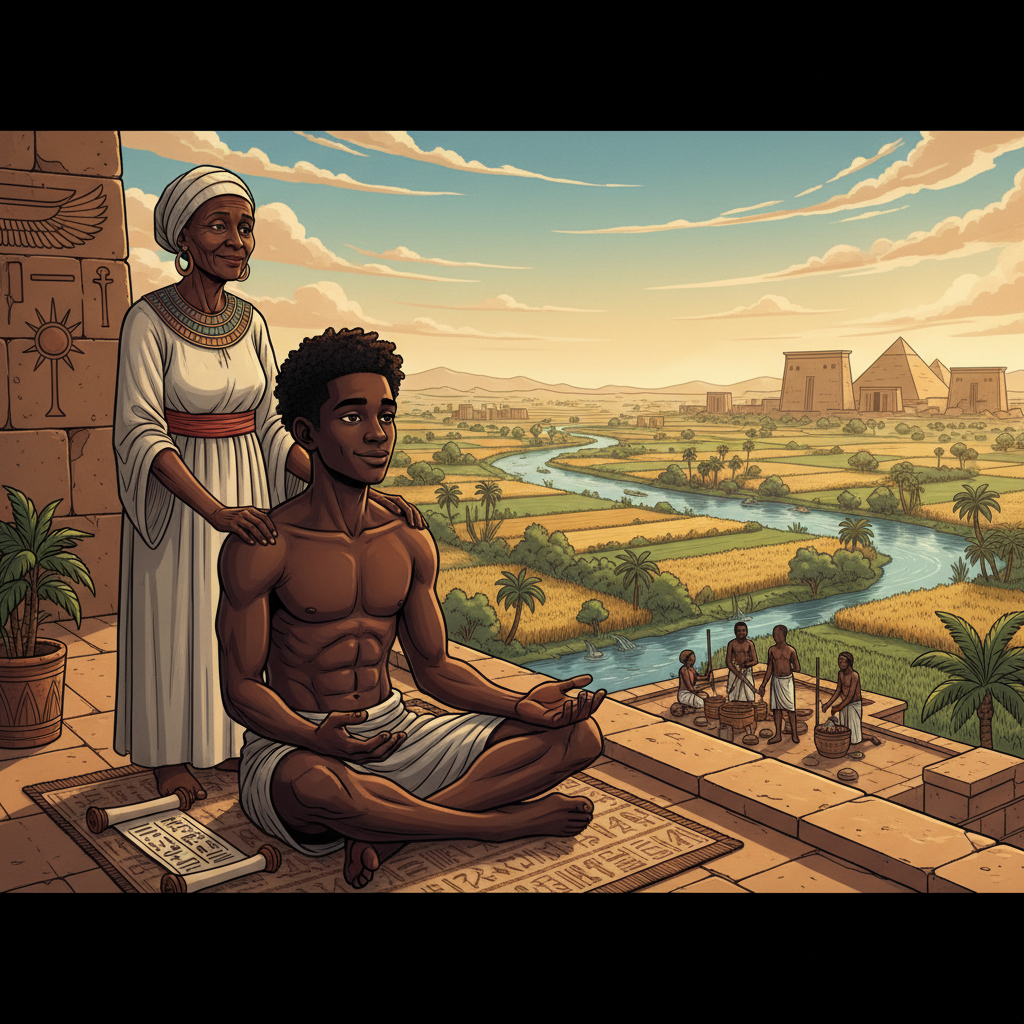
As you reflect on these deep truths, consider how this vision of a working paradise resonates with your own aspirations for a meaningful life. How does knowing that your contributions are eternally valued change your perspective on your daily actions, your studies, and your interactions? Carry this wisdom forward, knowing that the path of Maat is a path of active, purposeful living, a journey of continuous growth and reciprocal contribution that truly never ends. You are now a wisdom-keeper of these ancient, powerful insights.