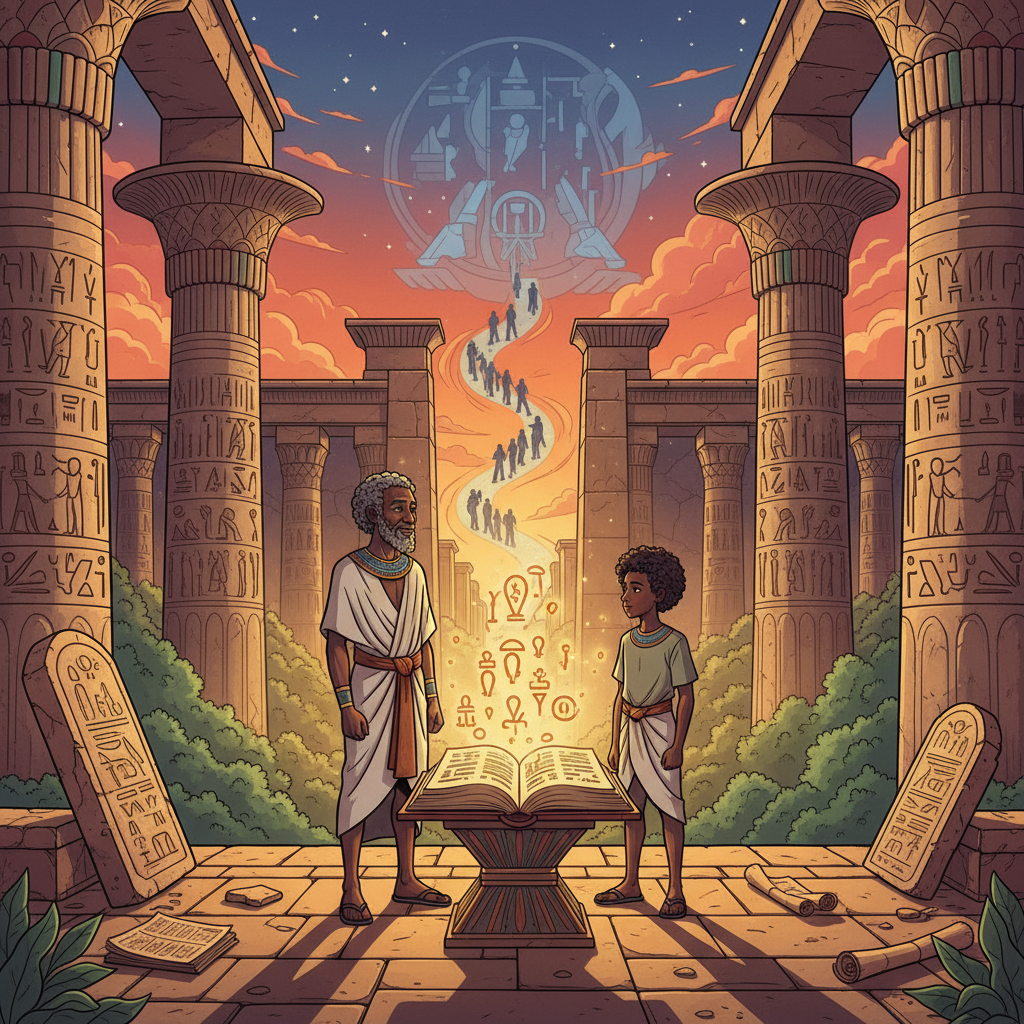
Welcome back, my diligent student. You have journeyed through the foundational narratives of the Pert em Heru, understanding the path our ancestors walked into the Duat. But now, you have earned the right to hear the deeper secrets, to delve into the philosophical heart of this sacred text. We move beyond the descriptive journey to the profound inquiries that shaped the very essence of Kemetic thought. This is not merely a story of the afterlife; it is a meticulously crafted guide for living a life of profound purpose and ethical consciousness here in Amenta, the land of the living. The Per Ankh, the House of Life, was not just a place for scribes; it was a crucible where the spirit was forged, where the wisdom of the ages was meticulously preserved and expanded upon. Our focus today turns to one of the most intellectually rigorous sections, Chapter CXXV, often called "The Great Interrogation." It challenges us, just as it challenged our ancestors, to truly know ourselves, not just superficially, but at the very core of our being, pushing us to transcend the mundane and embrace the divine within. Prepare your mind, for these are not simple questions, but keys to unlocking the true self.
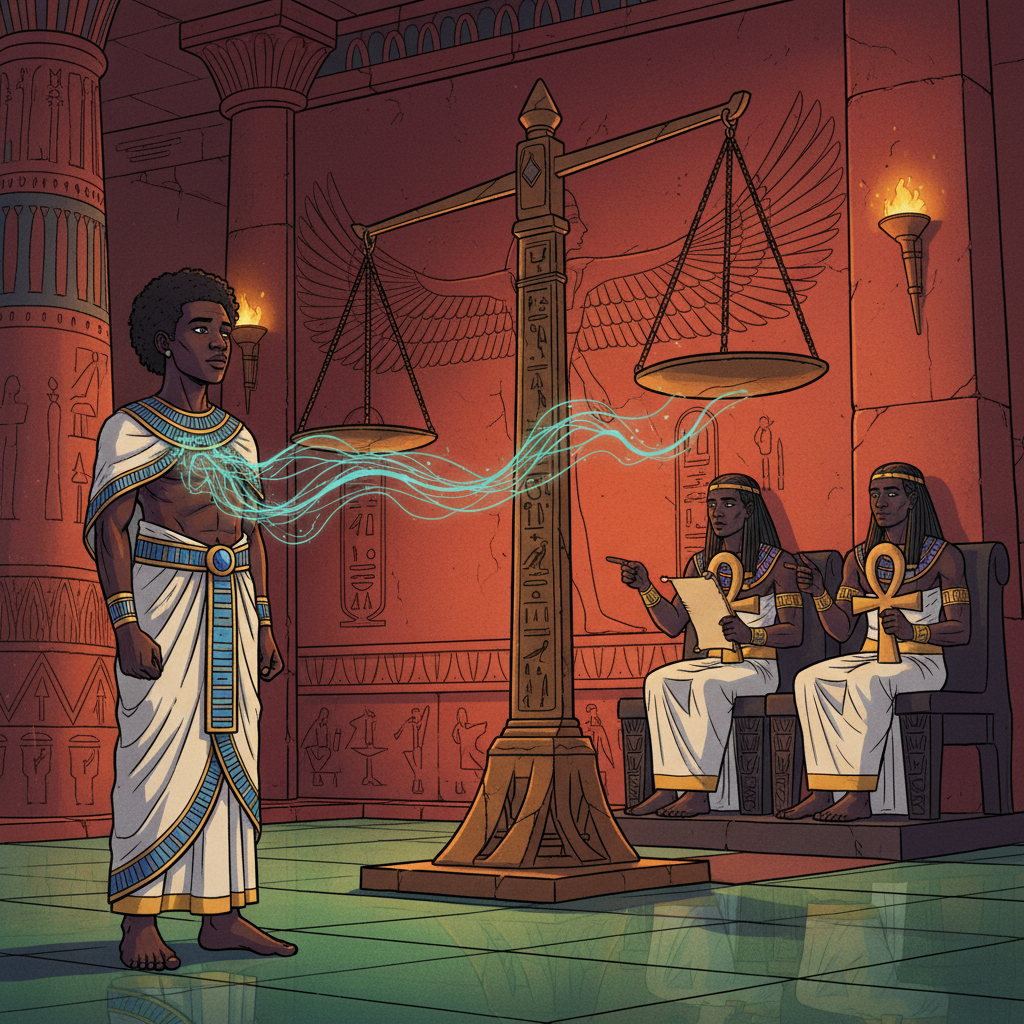
Imagine standing before the Scales of Maat, not yet for the weighing of the heart, but for an even more fundamental assessment. The divine inquisitors, the judges of truth, pose three seemingly simple questions to the deceased: "Who are you? What is your name? Where do you come from?" On the surface, these might appear to be bureaucratic inquiries, a mere formality before proceeding. But our ancestors, the great thinkers of Kemet, imbued these questions with immense philosophical weight. They understood that the answers would reveal not just facts, but the very fabric of the soul, the culmination of a lifetime's choices and character. These are not questions that can be answered with a mere title or a birthplace; they demand a profound level of self-knowledge, an honesty that strips away all pretense. The Hall of Maat is not just a place of judgment; it is a chamber of truth, where the self is laid bare, compelling the individual to confront their authentic identity, free from the shrouds of earthly illusion. It is here that the essence of personhood is tested, not by what one claims, but by what one truly embodies.
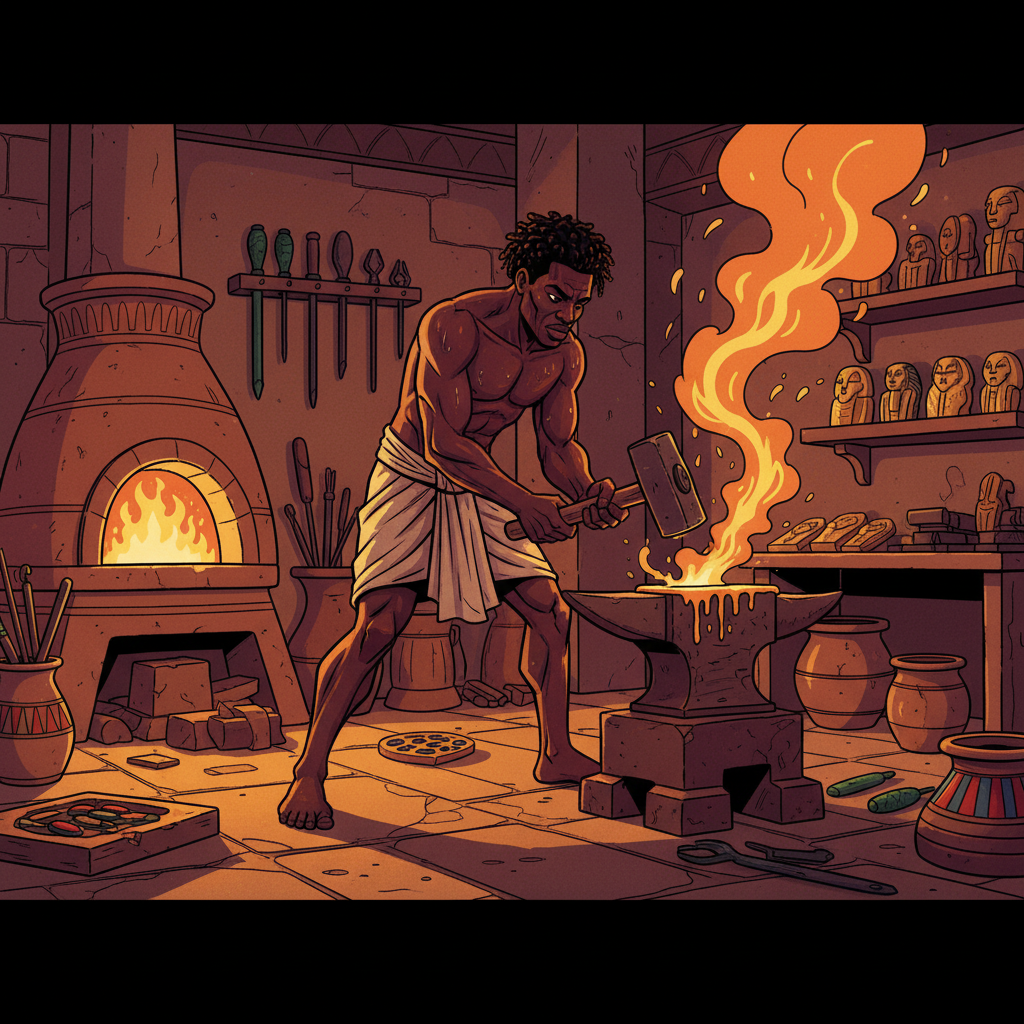
Let us unpack the first question: "Who are you?" In many modern cultures, one might respond with their profession, social status, or family role. "I am a carpenter," "I am a noble," "I am a child of so-and-so." But for the Kemetic sages, this was an insufficient answer. Your identity, your true self, could not be defined by external titles or fleeting possessions. These were temporary garments, not the enduring spirit. The question delves deeper, probing the very core of one's being, asking about the accumulated character, the moral fiber forged through a lifetime of choices. It challenges the superficiality of Western individualism, which often equates self-worth with material accumulation or societal recognition. Instead, Kemet insisted on an identity rooted in one's internal commitment to Maat, to truth, justice, and righteousness. It asks: "Stripped of all external markers, what remains? What have you built within yourself?"
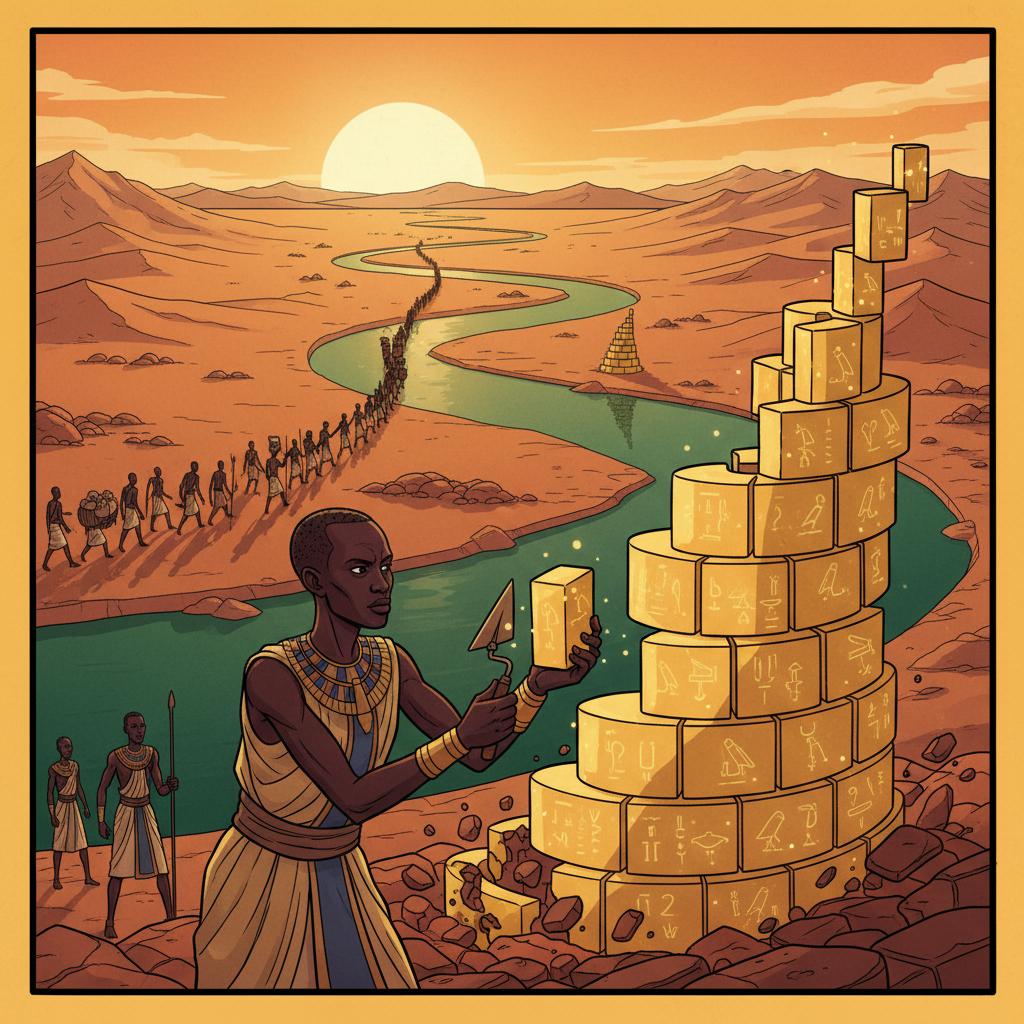
This introspective journey is crucial. If you remove your role as a student, your friendships, your family ties, your talents – what is the essence that remains? The Kemetic worldview teaches that this essence is not static; it is constantly being shaped by your actions, your words, and your intentions. Your true identity is a dynamic construction, built brick by brick with every choice you make. Are those bricks laid with Maat, solid and true, or with Isfet, crumbling and false? The Duat questions force this self-reflection, making you acknowledge the authentic self you have cultivated throughout your life. It is a profound meditation on personal agency and accountability, a challenge to define yourself not by external circumstances, but by the internal landscape of your character. This understanding is a cornerstone of African intellectual tradition, emphasizing a self-definition rooted in ethical practice rather than inherited status.
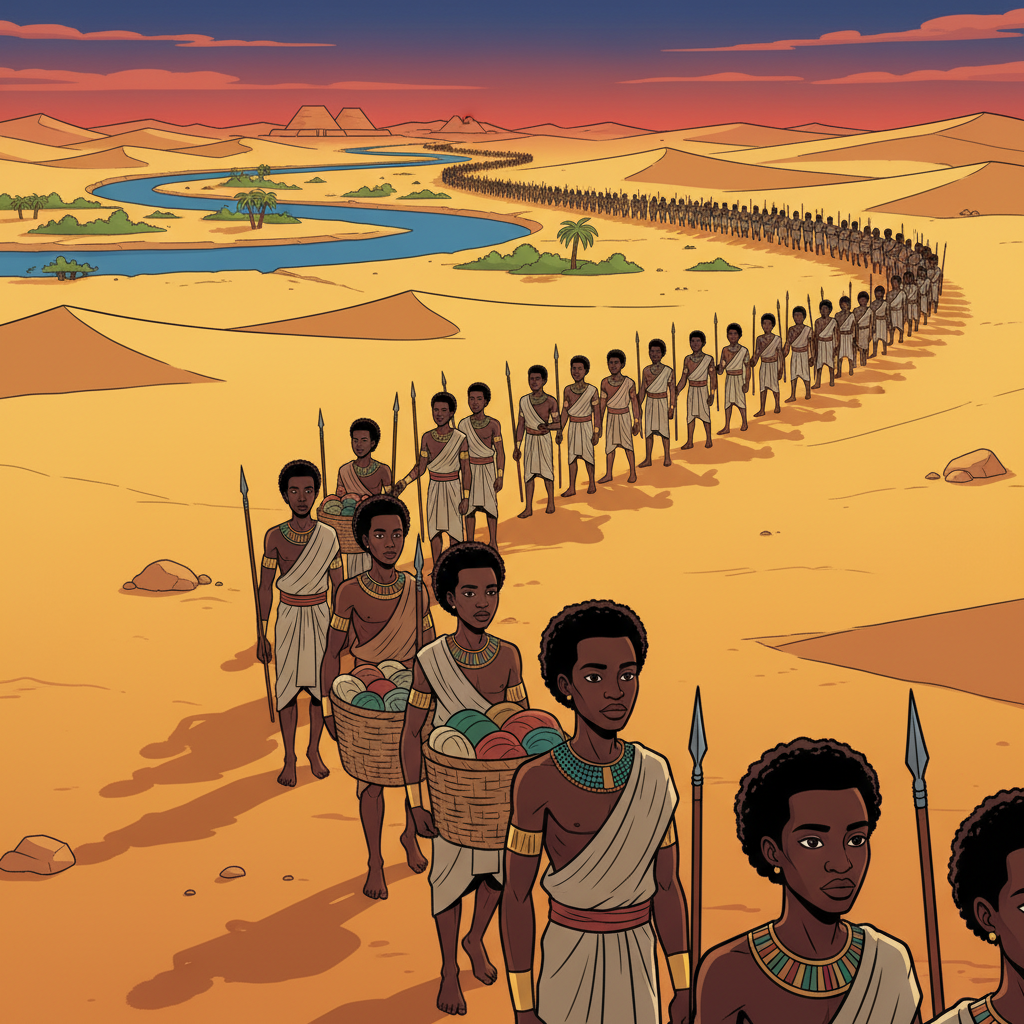
The second question, "What is your name?" is equally profound. In Kemet, a name, or `Ren`, was far more than a mere label. It was intimately connected to one's essence, one's very being, and one's destiny. To know a being's true `Ren` was to understand their nature, and in some contexts, to hold power over them. Thus, when asked for their name in the Hall of Maat, the deceased wasn't merely reciting the name given at birth. They were being prompted to declare their earned name, the name that truly reflected their character, their spiritual attainment, and their commitment to Maat. It was a declaration of self-definition, a testament to who they had become through their deeds. This is why the Kemetic `Ren` was often a description, a title earned through one's actions, a summary of their life's work in accordance with divine order. It signified a deep understanding of self, a journey of identity construction through lived experience.
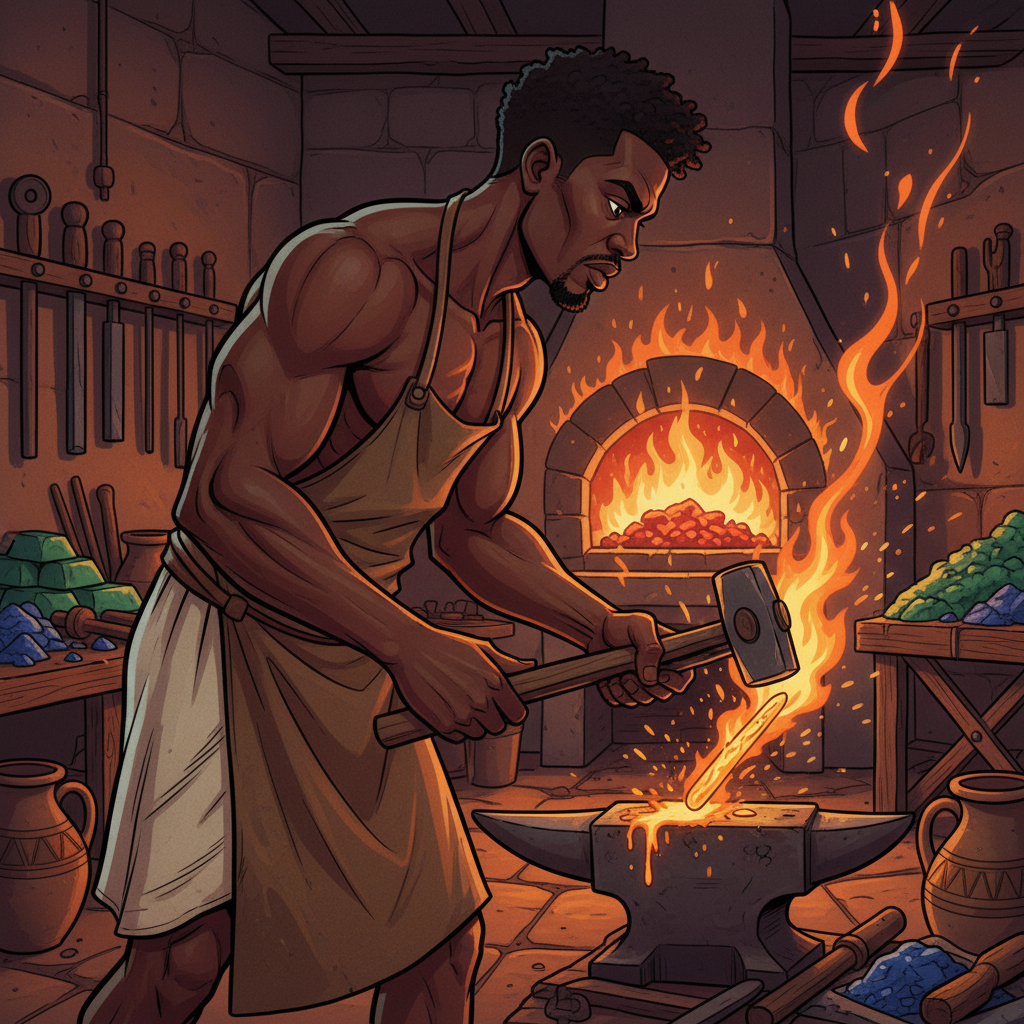
To articulate your true name, therefore, required immense self-knowledge and spiritual maturity. It meant facing the totality of your existence – every triumph, every failing, every moment of alignment with Maat, and every lapse into Isfet. The power of this self-declaration lay in its authenticity. You couldn't simply claim a name; you had to embody it. This concept contrasts sharply with modern ideas where identity can be fluid, sometimes without deep introspection into the ethical implications of one's choices. For our ancestors, the `Ren` was a sacred trust, a reflection of the `Ka` and `Ba`, the very life force and personality that defined an individual. It was a name earned through the active process of living an examined life, where your character was consistently forged in the crucible of daily decisions and moral imperatives. This self-mastery was paramount, signifying one's command over their own destiny.
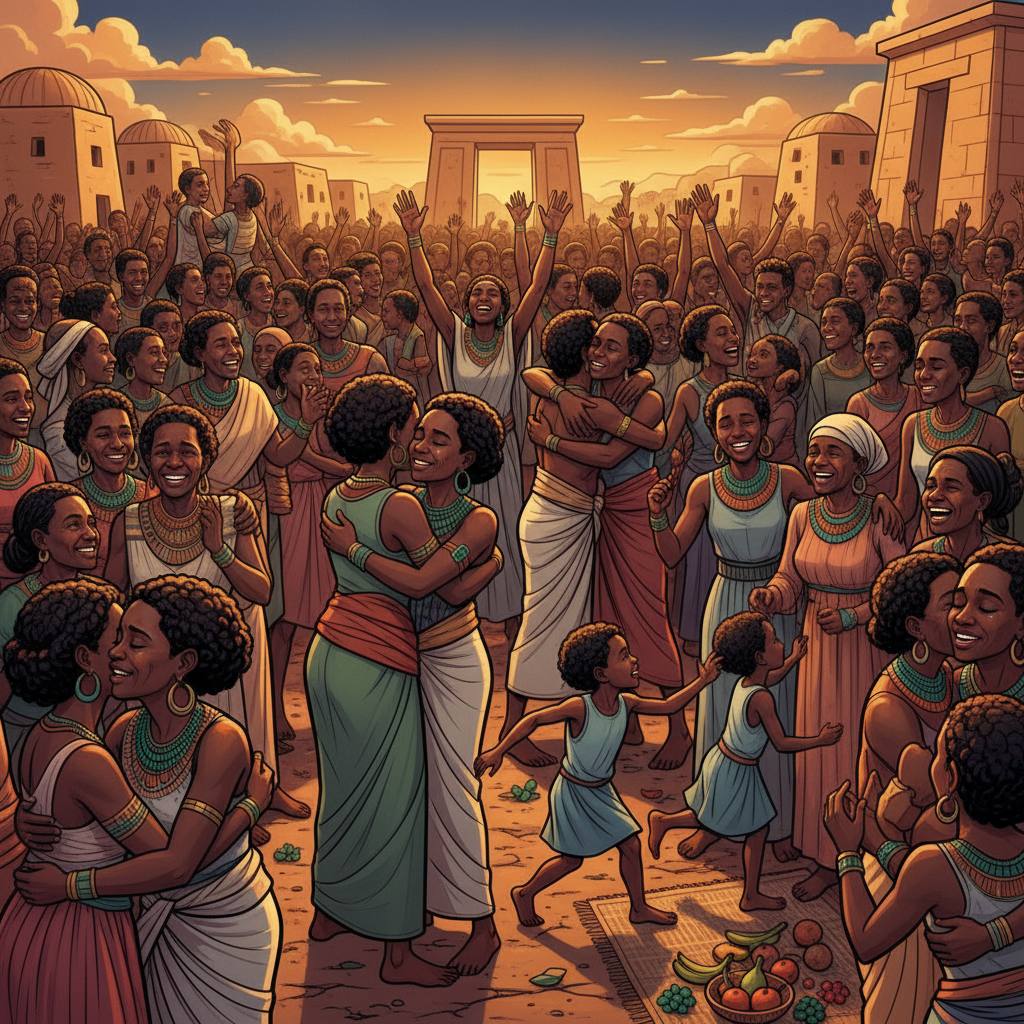
And finally, "Where do you come from?" This is not a request for a geographic birthplace, though that held its own significance. Instead, it probes one's spiritual and ancestral lineage, the source of one's values, the foundation of one's worldview. It asks about the community, the family, and the traditions that shaped you, and more profoundly, how you upheld or departed from the principles of those origins. Did you honor your ancestors through your actions? Did you contribute to the `Sankofa` tradition of looking back to gather what is good from the past to build a better future? This question ties individual identity to communal identity, to the vast tapestry of collective experience. It acknowledges that no one truly stands alone; we are all products of our heritage and our environment. Yet, it also challenges us to critically engage with that heritage, to consciously choose which aspects to embrace and which to transcend, always striving for greater harmony with Maat.
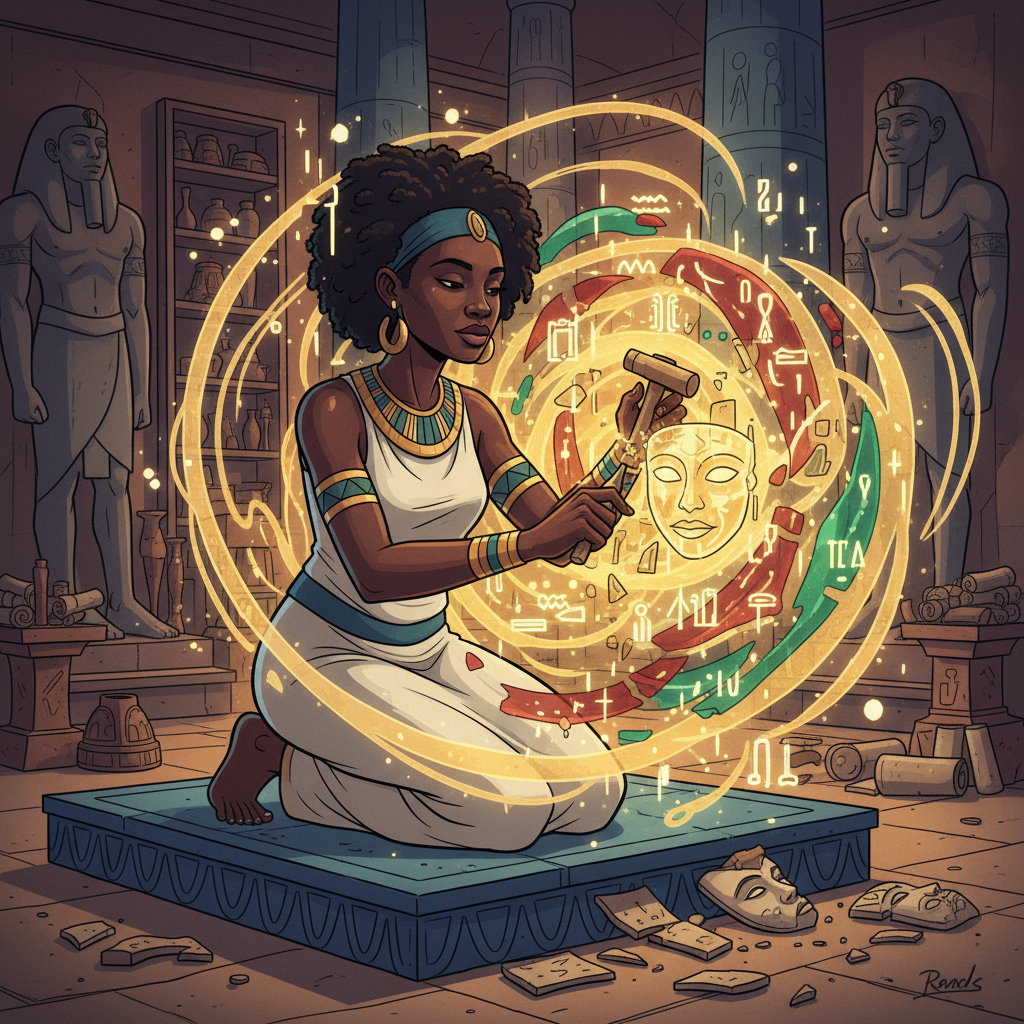
Together, these three questions form a powerful philosophical trinity, designed to elicit a holistic understanding of the self. They strip away the masks, the pretenses, and the illusions of earthly life, demanding an unvarnished truth. The deceased is compelled to define themselves through their deeds, their character, and their ethical alignment with Maat. This foundational concept underpins much of the African intellectual tradition, highlighting the interconnectedness of individual identity with ethical conduct and cosmic order. It’s a profound teaching that challenges us to consider our legacy not in terms of material wealth, but in the spiritual richness of a life lived purposefully. The self, in Kemet, was not a given; it was an achievement, a meticulously crafted identity built upon a lifetime of conscious, Maat-guided actions. This is the truth that the Duat demands, a truth that echoes into our present-day lives.
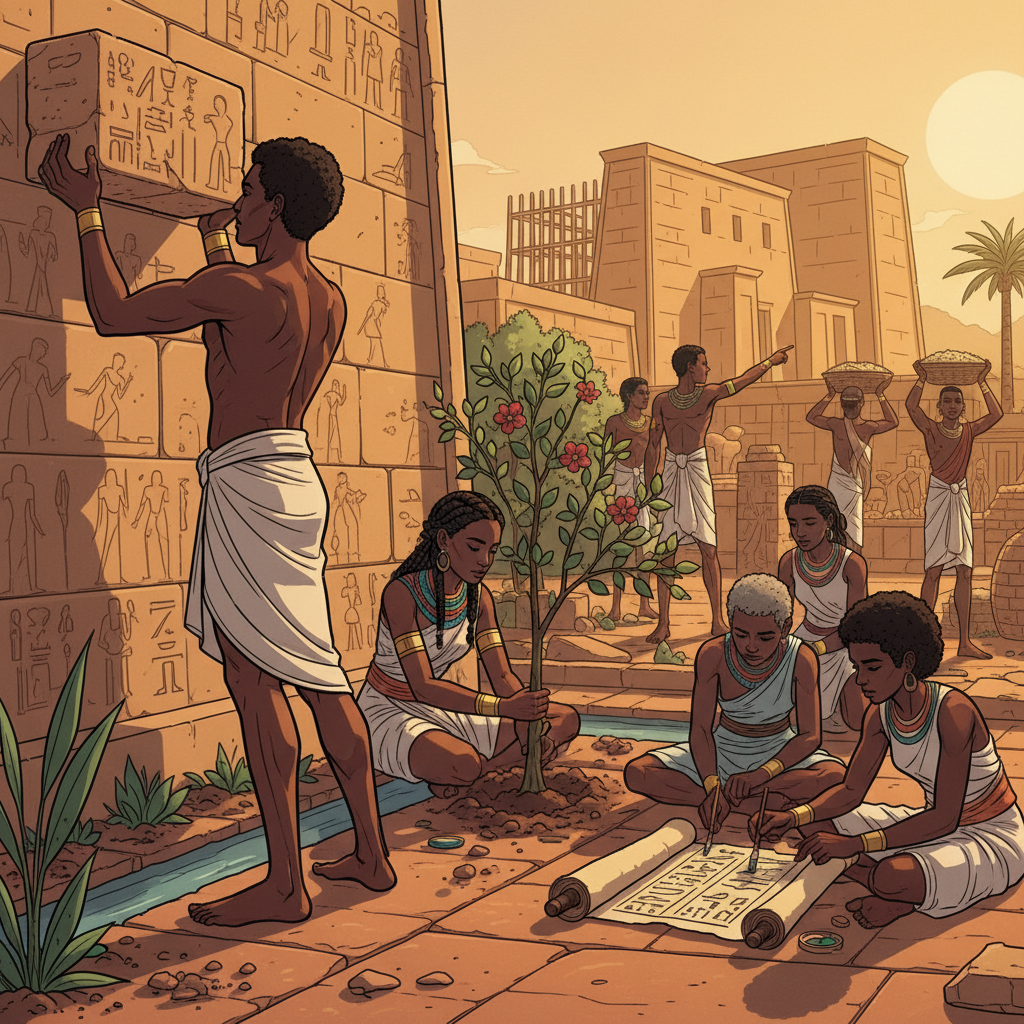
Leading scholar Maulana Karenga, in his profound analysis of Kemetic ethics, frequently emphasizes this functional and ethical nature of selfhood. He argues that for our ancestors, identity was not merely an inherent state but an earned condition, a continuous process of becoming. It was about how one lived, how one contributed to the well-being of the community, and how one upheld the principles of Maat in their daily existence. Karenga’s work, rooted in the Kawaida philosophy, beautifully articulates how the Kemetic concept of personhood is inextricably linked to `Serudj Tawy`, the imperative to constantly repair, restore, and transform the world, making it a more beautiful and harmonious place. This active engagement with the world, guided by ethical principles, is what truly defined who a person was, not their birthright or social standing. It is a powerful affirmation of agency and moral responsibility.
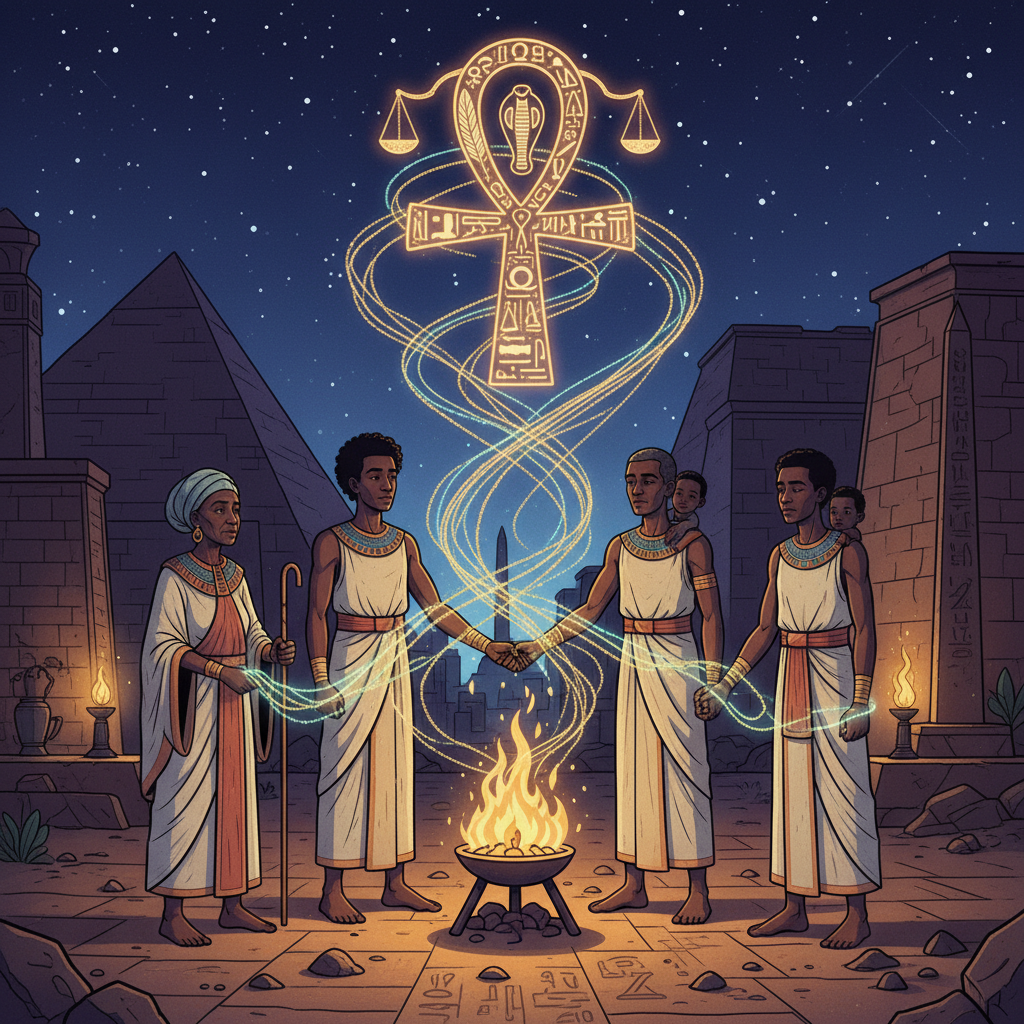
Karenga further illuminates that this Kemetic understanding of identity stands in stark contrast to many Western notions that might prioritize individualistic achievement or self-interest above collective good. For Kemet, the self found its fullest expression and meaning within the context of the community and the pursuit of `Maat`. Your identity was not just about you; it was about your impact on the `Neteru`, the community, and the natural world. It was about creating a life that reflected the divine order, a life that contributed to the ongoing cosmic balance, rather than disrupting it with `Isfet`. This meant every decision, every interaction, every thought, was an opportunity to either affirm or deny your true identity as a child of Maat. It was a constant, conscious effort to embody the principles of truth, justice, and harmony, a profound commitment to ethical living that shaped the very fiber of one's being.
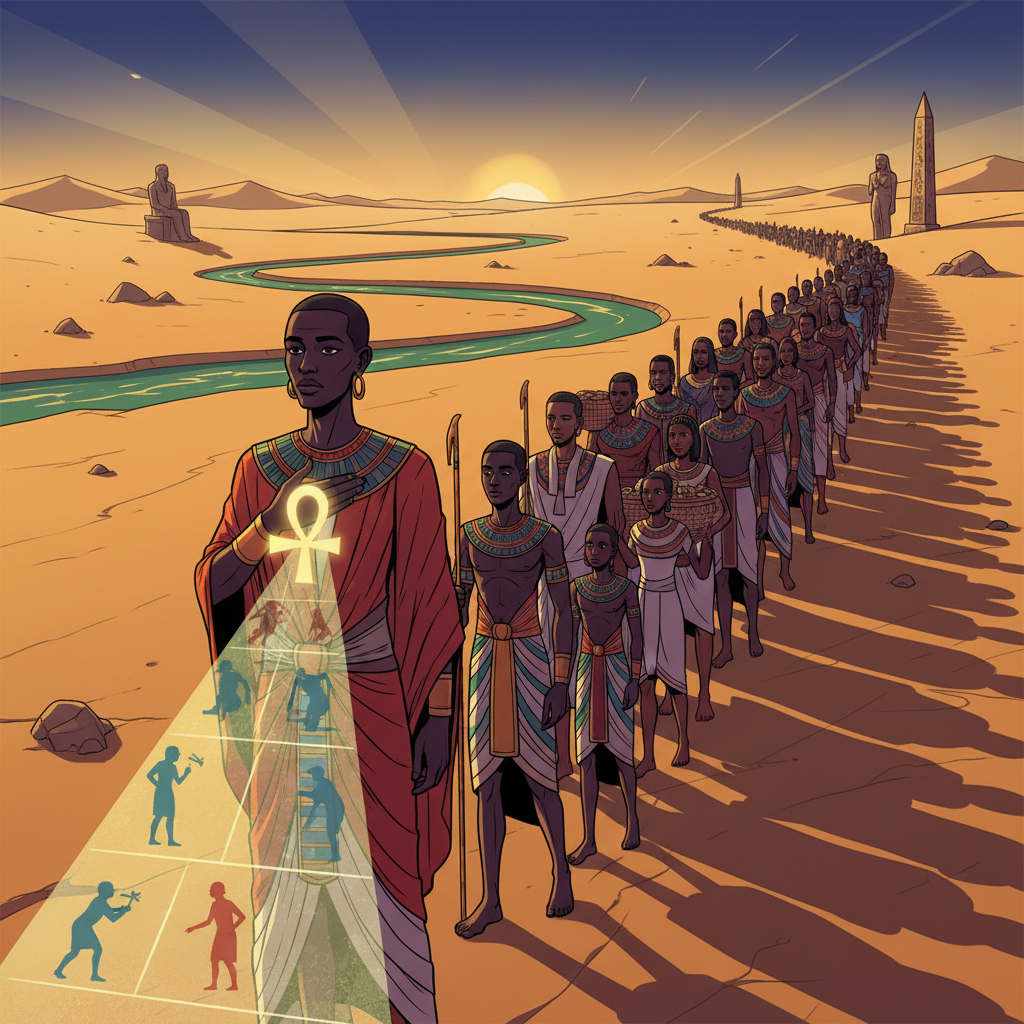
The weight of one's deeds, therefore, was immeasurable. Every action, every word, every thought cast a shadow or shone a light, leaving an indelible imprint upon the soul. This cumulative record formed the true identity, the character that would be presented in the Duat. It was a journey of consciousness, where the individual was perpetually engaged in the self-creation of their spiritual identity. There was no escaping this reality; the heart itself bore witness to every truth and every transgression. The journey through the Duat was, in essence, a final accounting, a moment of profound self-confrontation where the true self, stripped of all earthly defenses, would be revealed. This is why our ancestors devoted so much energy to ethical living, understanding that their very being, their eternal identity, depended on it. It was a spiritual science of self-mastery.
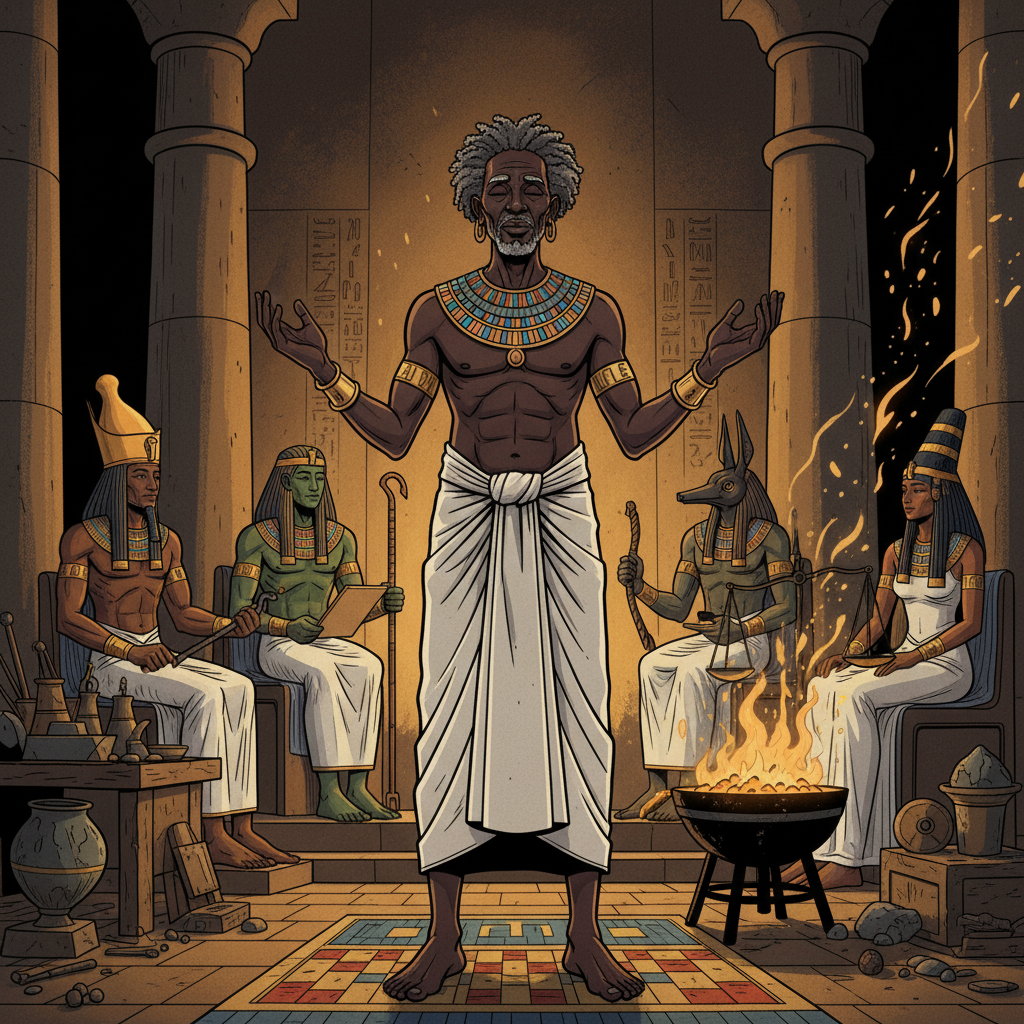
It is at this pivotal moment, when confronted with the penetrating questions of the divine tribunal, that the deceased offers a declaration, a profound statement that encapsulates the entire Kemetic philosophy of selfhood. The text reveals the perfect response, the one that truly defines a life lived in accordance with divine principles. The wise one, having truly understood the nature of their existence, would declare: "My name is He-Who-Lives-By-Maat. I am known by what I have done, not by what I have claimed." This sentence is not merely an answer; it is a testament, a powerful assertion of an identity forged through unwavering commitment to truth, justice, and cosmic harmony. It rejects the superficial and embraces the substantive, highlighting that true worth comes from ethical action, not from empty words or inherited status. This declaration is the zenith of self-knowledge and integrity.
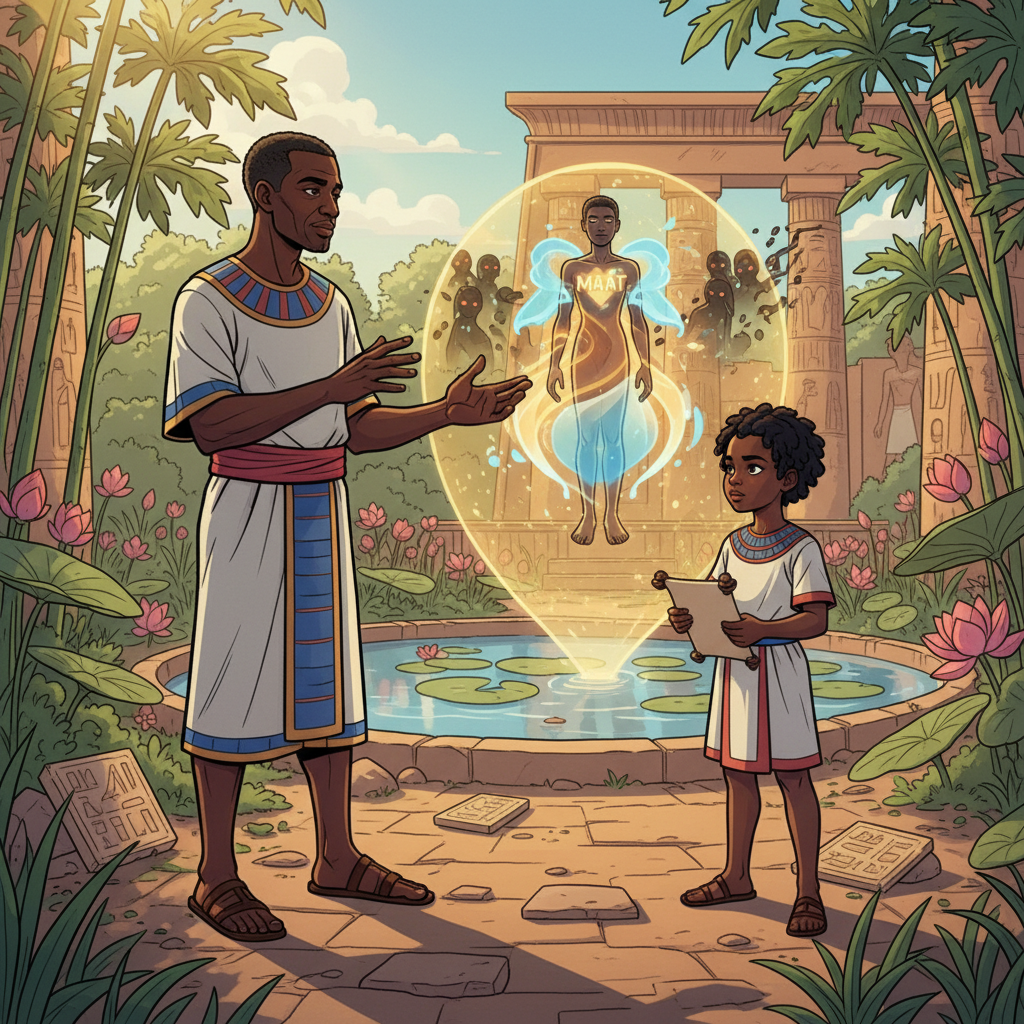
This declaration is a philosophical triumph, a rejection of external validation in favor of an identity built from within. It signifies a complete understanding that one's true self is not dependent on the opinions of others, nor on the fleeting accolades of the earthly realm. Instead, it is a self-definition rooted in personal responsibility and the consistent practice of Maat. It is the ultimate expression of authenticity, a life lived without pretense, where one's actions speak louder than any boast or title. This response in the Duat is a model for us all, a reminder that our legacy is not what we accumulate, but how we behave, how we treat others, and how we contribute to the greater good. It is a powerful lesson in humility and profound self-awareness, guiding us to build an identity that can withstand the scrutiny of both earthly life and the divine judgment.
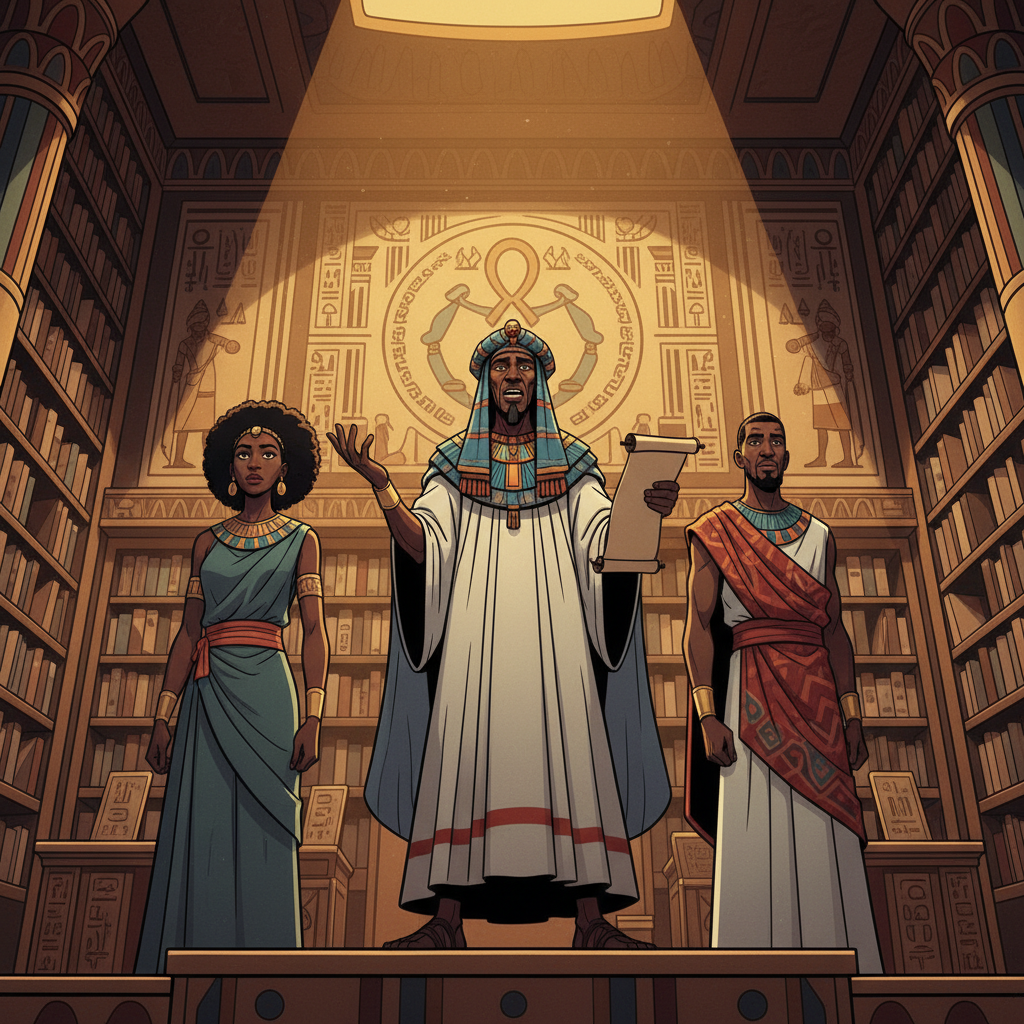
This profound emphasis on identity through action resonates deeply throughout the entire African intellectual tradition. Scholars like Cheikh Anta Diop and Théophile Obenga have meticulously demonstrated how ancient African societies, particularly Kemet, placed the highest value on ethical conduct, social responsibility, and the development of a virtuous character. They argued that African thought systems were inherently humanistic, prioritizing the well-being of humanity and the harmonious functioning of society. The concept of `Ubuntu`, found across many African cultures, perfectly echoes this sentiment: "I am because we are." It highlights that individual identity is inextricably linked to community and mutual responsibility. The Kemetic interrogation of self is not an isolated philosophical exercise; it is a foundational pillar of this broader African worldview, stressing that true personhood is achieved through active, ethical participation in the collective human project.
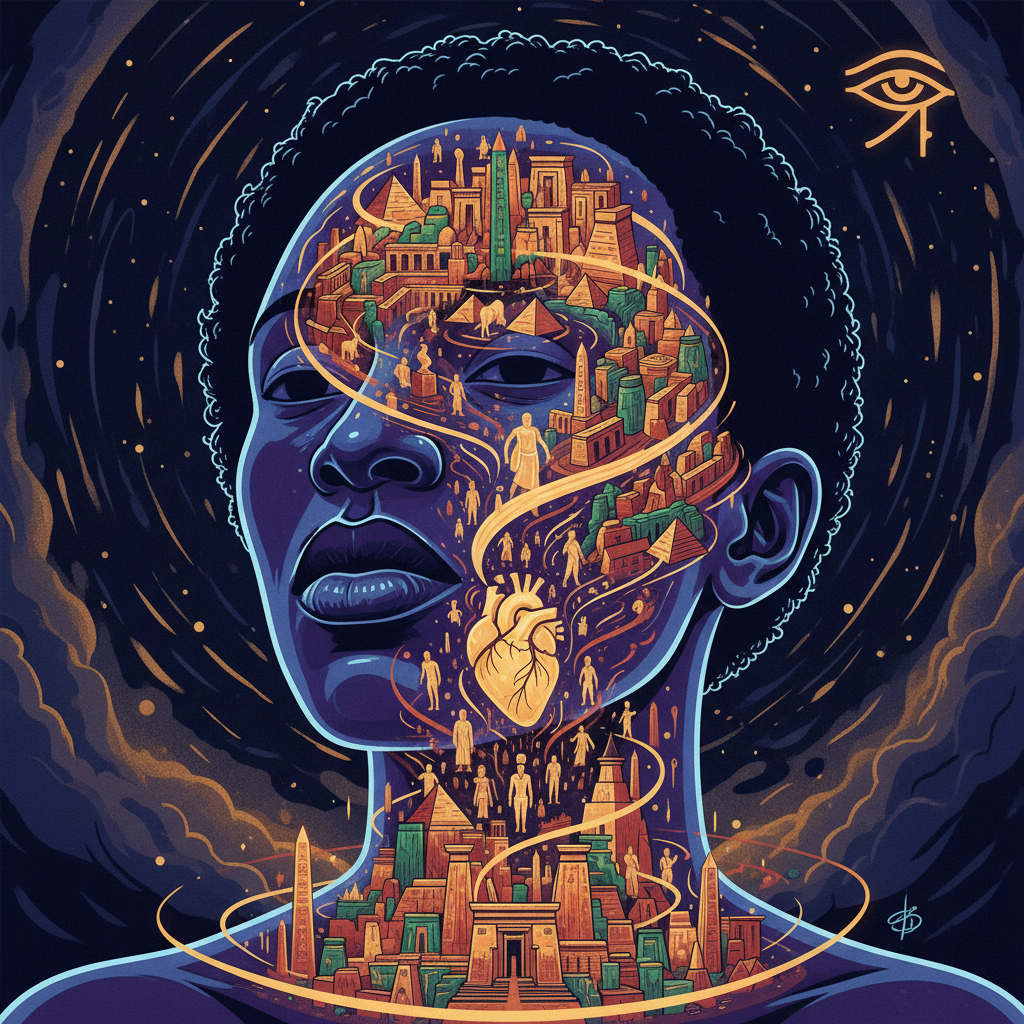
The process of the interrogation is also deeply connected to memory, or `Rekhet`. The Duat experience is, in many ways, an ultimate act of self-recollection, where every thought, every word, and every deed is brought forth from the depths of one's consciousness. The self that stands before the judges is not merely a physical form, but a compilation of all these memories, an existential record of a life lived. Our ancestors understood that the mind was a vast repository, holding the blueprint of our character. This is why the cultivation of a pure heart and a righteous mind was so critical; it was building the very memory of self that would be presented. There are no secrets hidden in the Duat; only the truth of what one has become through the sum total of their experiences and choices, a testament to the power of one's memory as a sacred repository of identity.
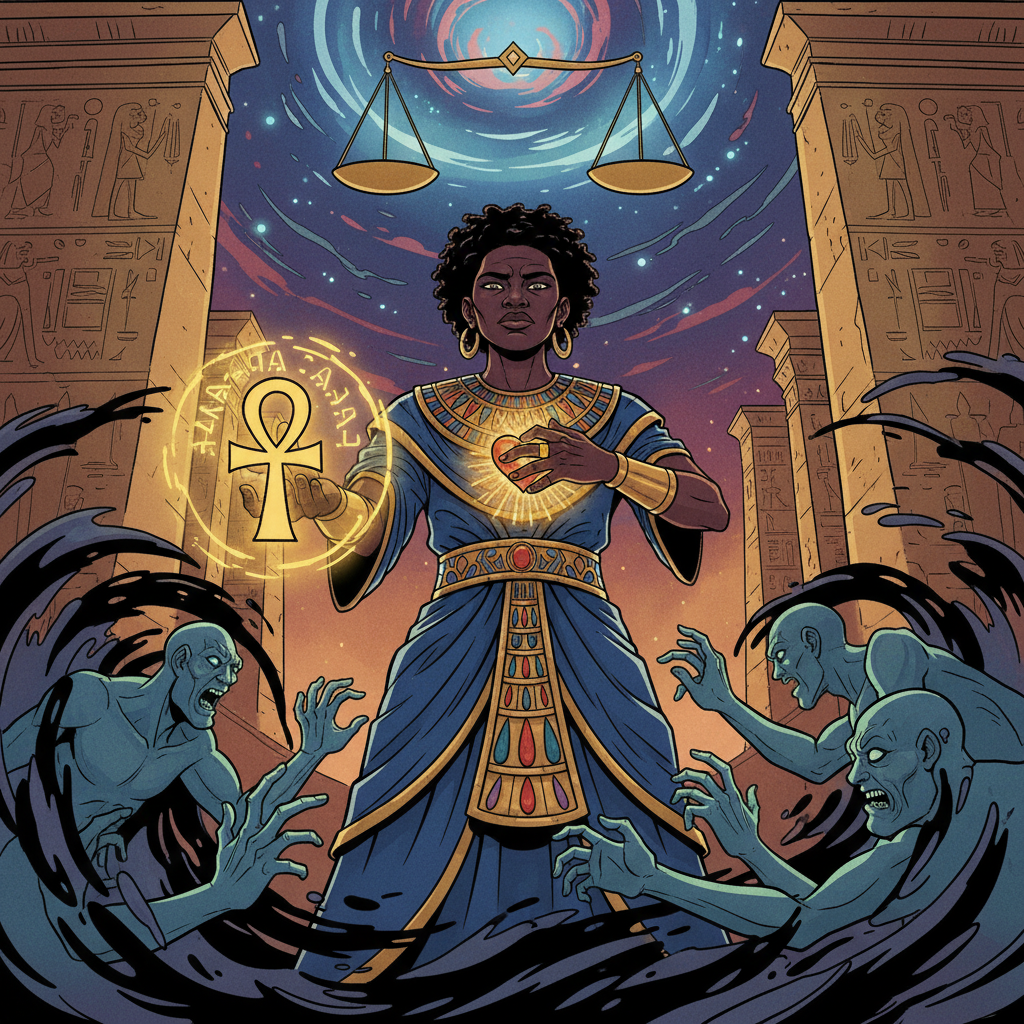
This concept of `Rekhet` leads directly to the imperative of "knowing yourself," or `Saa-Maat`. It’s not just intellectual knowledge, but a deep, intuitive self-awareness that includes confronting one's own `Isfet` – the imperfections, the weaknesses, the moments of imbalance. Only by acknowledging these aspects can one truly strive for `Maat`, for balance and harmony within. This self-knowledge is the foundation of wisdom, allowing an individual to navigate the complexities of life with integrity and purpose. It meant understanding your strengths and your limitations, your virtues and your vices, and consciously working to align yourself with the divine principles that govern the cosmos. The Duat demands this level of clarity, making `Saa-Maat` not just a philosophical ideal, but a practical necessity for spiritual progression and the forging of an authentic, Maat-aligned identity.
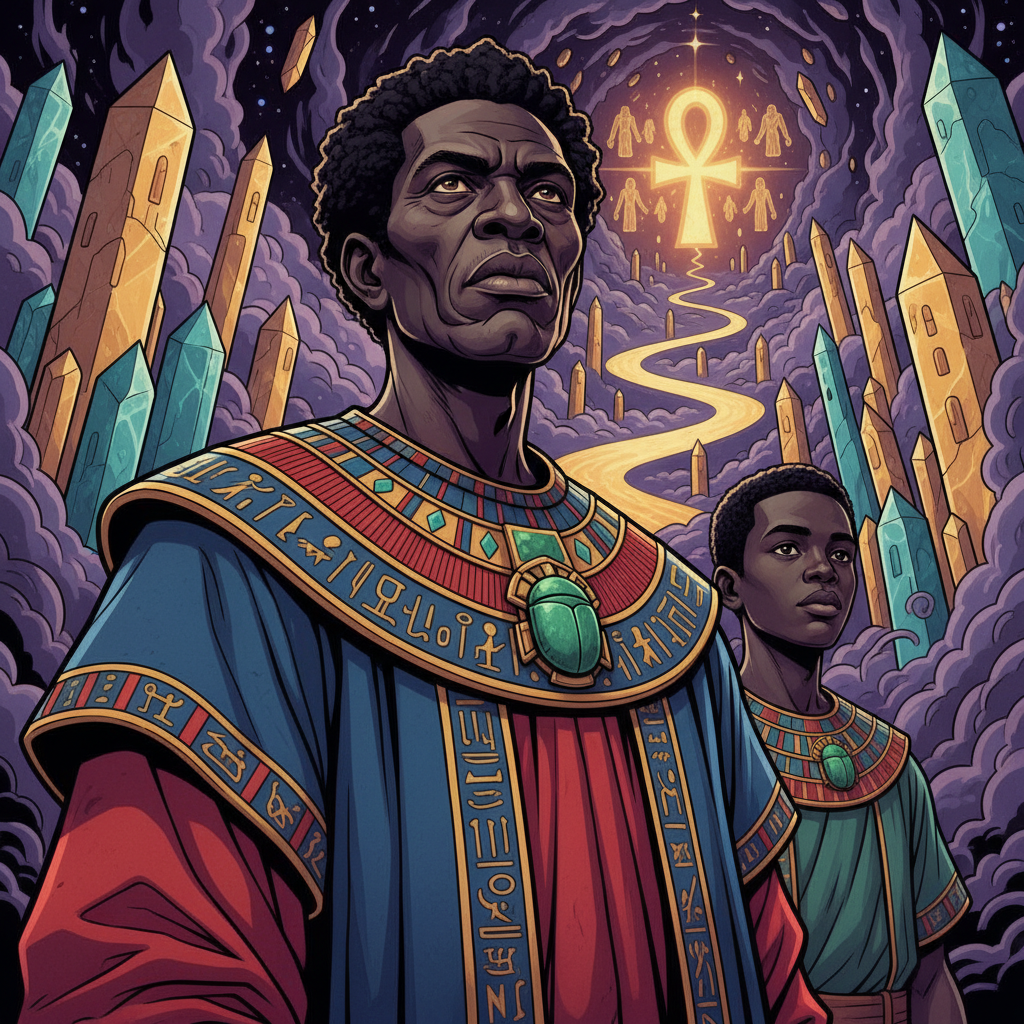
Seba Khafre pauses, his gaze intense. "My student, this self-knowledge, this `Saa-Maat`, is the ultimate power. It allows you to navigate not only the challenges of this earthly life but also the spiritual landscape of the Duat with unwavering integrity. When you truly know who you are, when your `Ren` is aligned with your actions, you become unshakeable. You become a beacon of Maat in a world often shrouded in `Isfet`. Our ancestors, through texts like the Pert em Heru, provided a profound educational framework for achieving this. They understood that the greatest journey is the journey inward, the quest to define oneself through ethical action and unwavering truth. This wisdom is not confined to the past; it is a living, breathing guide for every moment of your existence, urging you to embody your highest self."
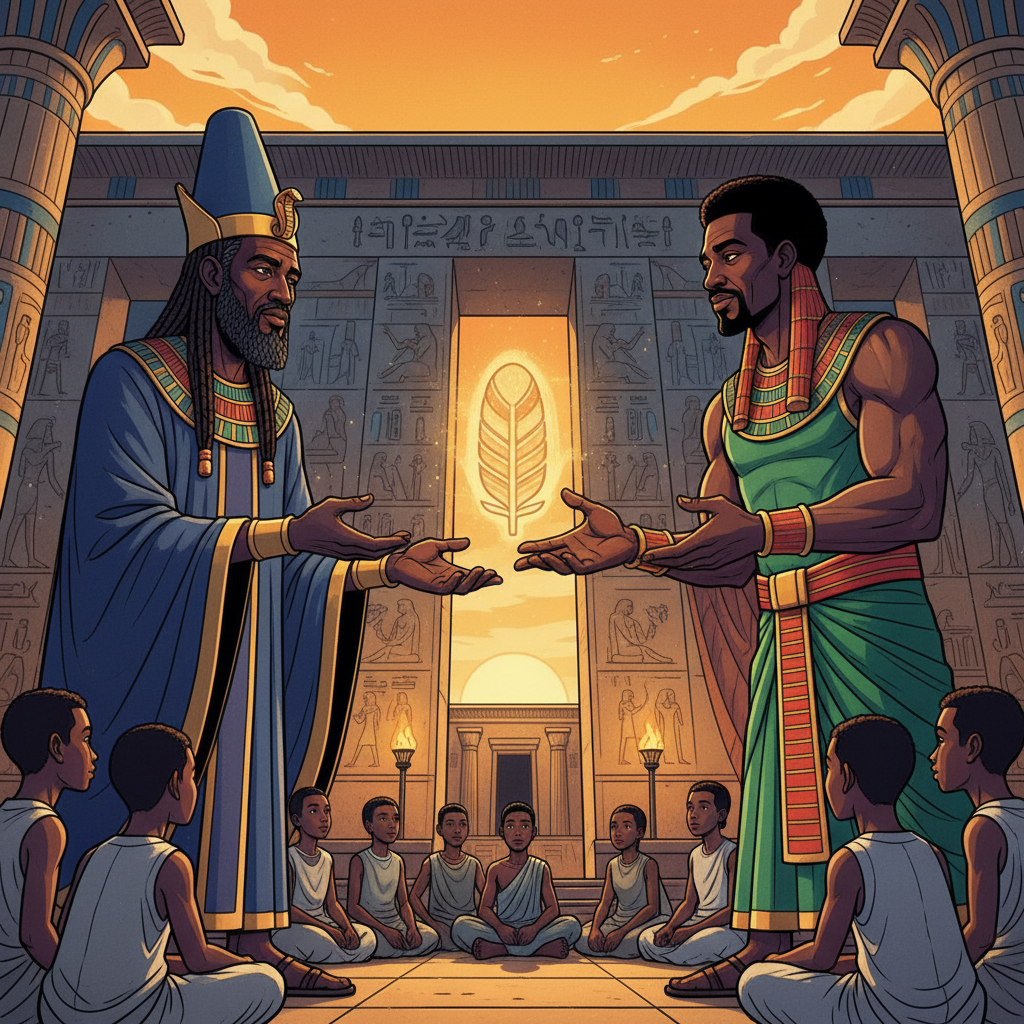
Esteemed scholars like Jacob Carruthers and Asa Hilliard have meticulously demonstrated how this holistic approach to self-knowledge was a cornerstone of Kemetic education. Their work highlights that ancient Kemetic pedagogy aimed to cultivate individuals of profound ethical character, individuals whose identity was synonymous with their commitment to `Maat`. Education was not merely about acquiring facts; it was about the formation of the soul, the shaping of consciousness, and the development of moral excellence. Carruthers, in particular, emphasized the Kemetic commitment to `Sebait`, or moral instruction, as central to producing a human being capable of true self-governance and responsible communal living. Hilliard’s insights further reveal how this emphasis on character building was integrated into every aspect of life, preparing individuals not just for earthly success, but for the ultimate spiritual test of the Duat.
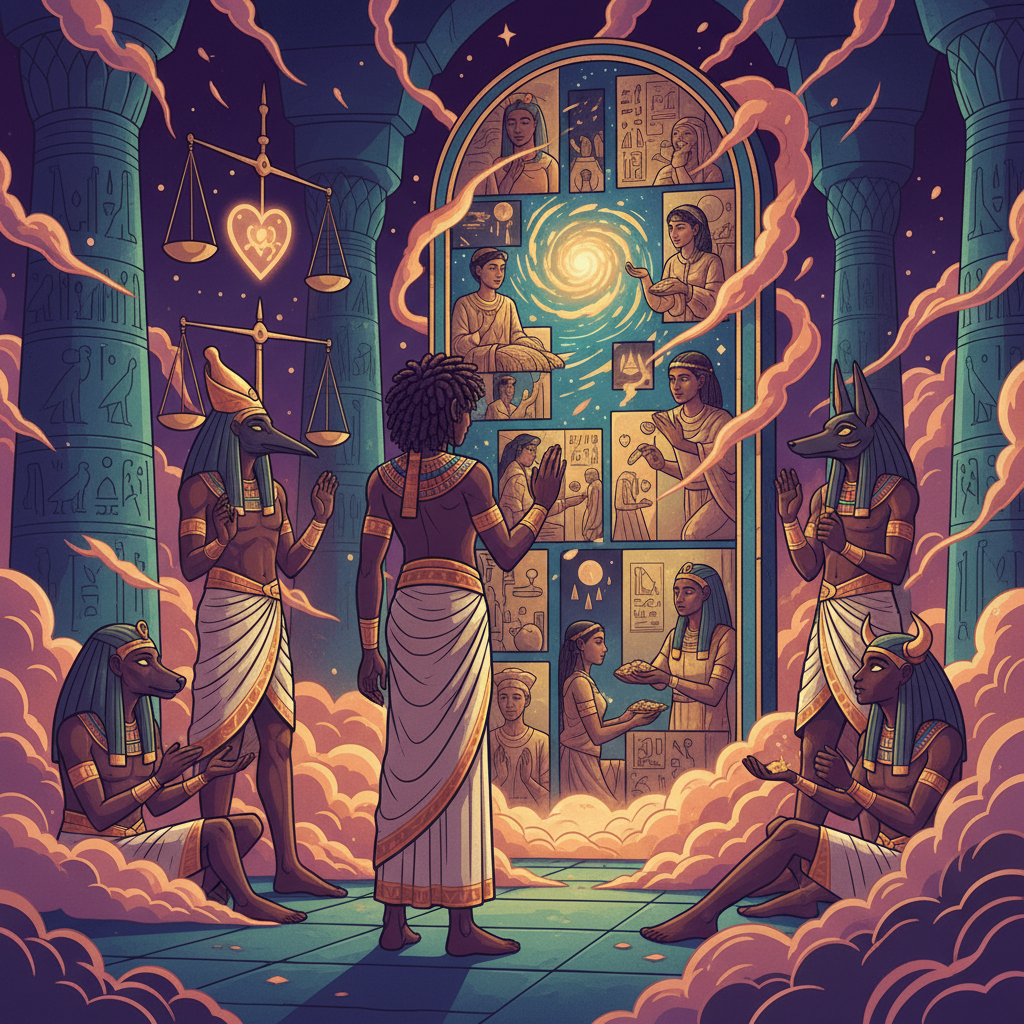
The interrogation in the Duat, therefore, is not an external judgment imposed by a vengeful deity. Instead, it is a profound act of self-judgment, a confrontation with one's own truth, witnessed and affirmed by the divine `Neteru`. It is a cosmic mirror reflecting the accumulated identity of a lifetime. The ancient Kemetic understanding eschews the idea of a distant, punitive God; rather, it places accountability firmly within the individual, empowering them to shape their own destiny through their choices. This is the essence of free will within the Kemetic framework: the freedom to choose Maat over Isfet, and in doing so, to define the very fabric of one's eternal self. The weight of this self-determination is immense, yet it is also a source of immense spiritual power and personal agency, making each individual truly the architect of their own being.
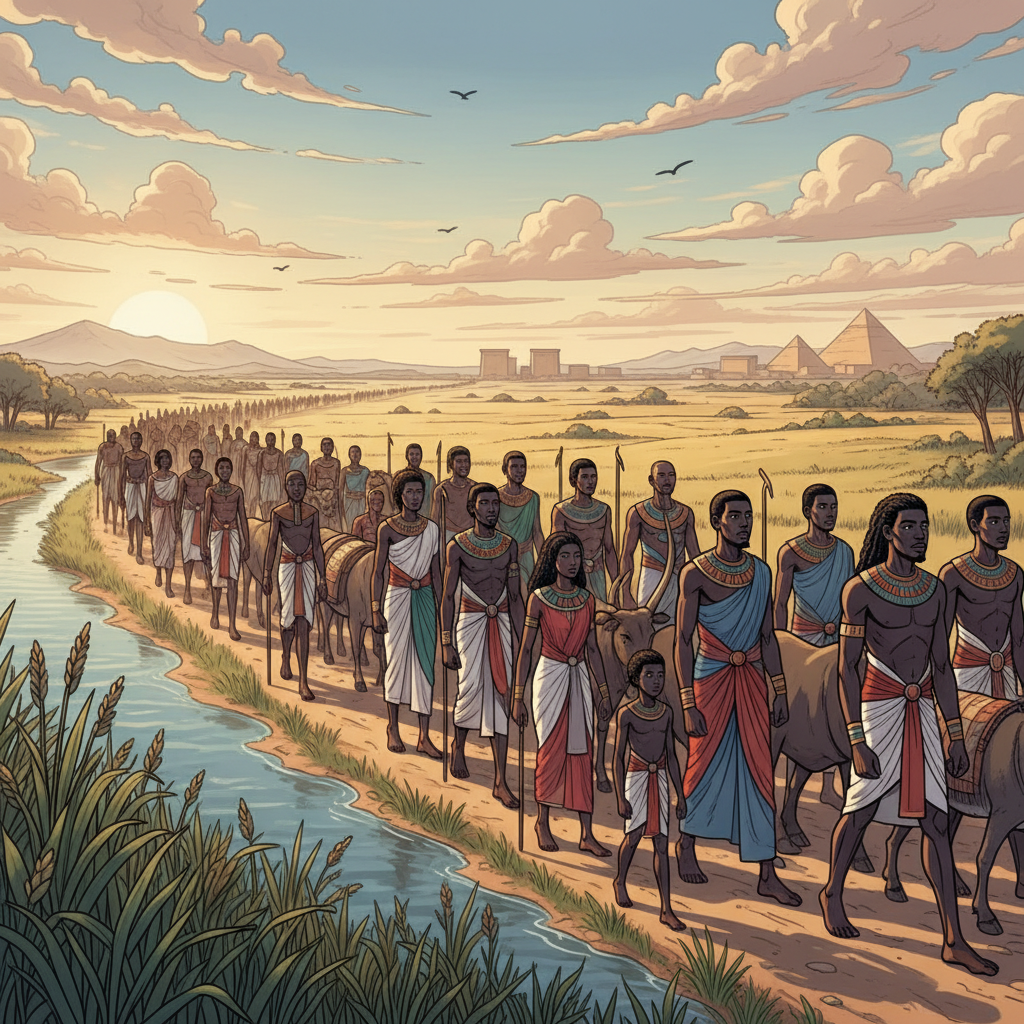
This ancient wisdom is not merely a historical curiosity; it is a living guide for us today. Every day presents an opportunity to engage in this "Great Interrogation," to ask ourselves: "Who am I? What is my true name? Where do my values truly come from?" Every choice we make, every word we utter, every thought we entertain, contributes to the construction of our identity. Are we living by Maat, ensuring that our actions align with our highest principles? Are we creating a `Ren` that reflects integrity, compassion, and truth? The wisdom of Kemet teaches us that the journey of self-discovery is a continuous process, a lifelong commitment to ethical excellence and personal growth. It is through this diligent practice that we build a self, an identity, that is not only worthy of our ancestors but also capable of creating a harmonious future.
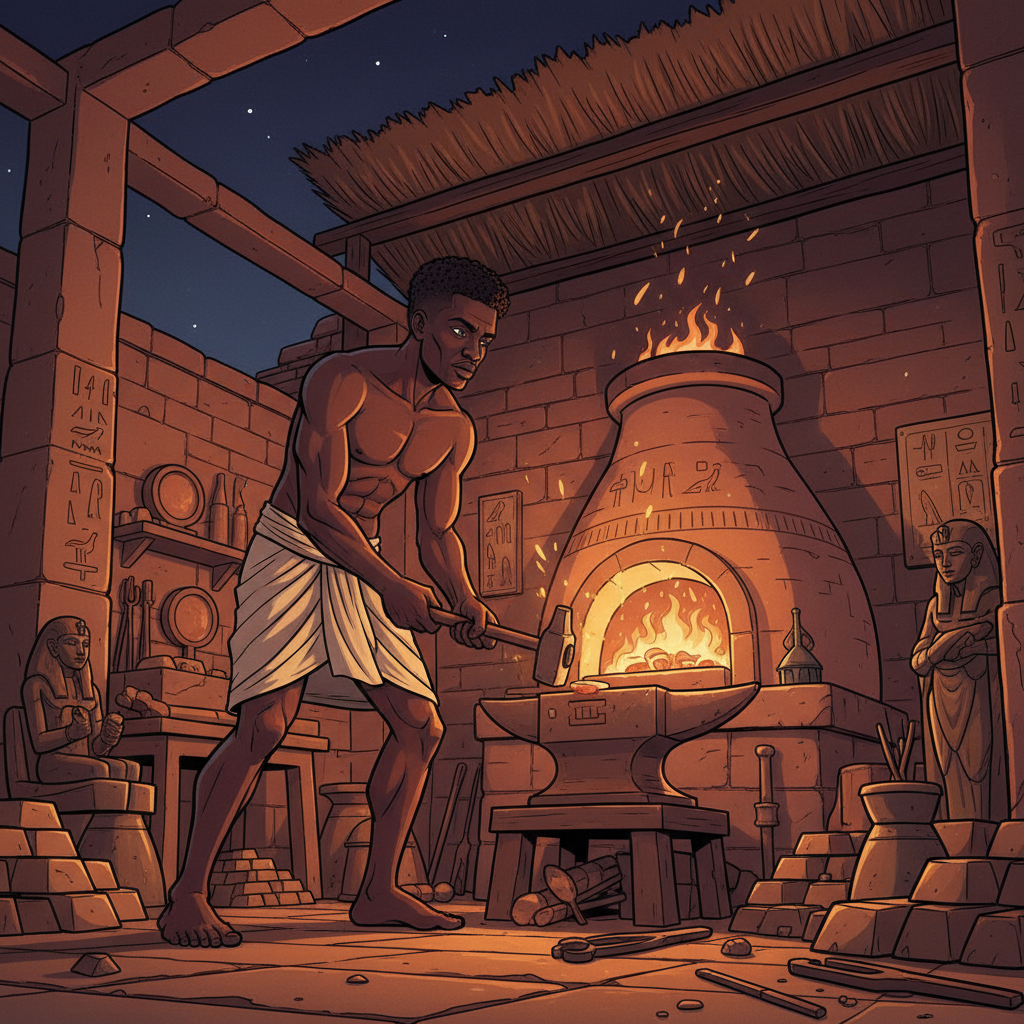
The ultimate freedom in the Kemetic worldview was not the freedom to do whatever one pleased, but the profound freedom to *be* Maat, to align one's entire existence with cosmic harmony and divine order. This self-realization, this embodiment of truth, was the pinnacle of human achievement and the foundation of an enduring identity. It meant transcending the transient desires of the ego and embracing the eternal principles that govern the universe. This is the true self our ancestors sought to cultivate, a self that was inextricably linked to the well-being of all creation, a self that mirrored the `Neteru`. This deep understanding of self, forged through ethical action and relentless introspection, is the enduring gift of the Pert em Heru, a timeless guide for anyone seeking to live a life of profound meaning and purpose, a life that truly defines who they are.
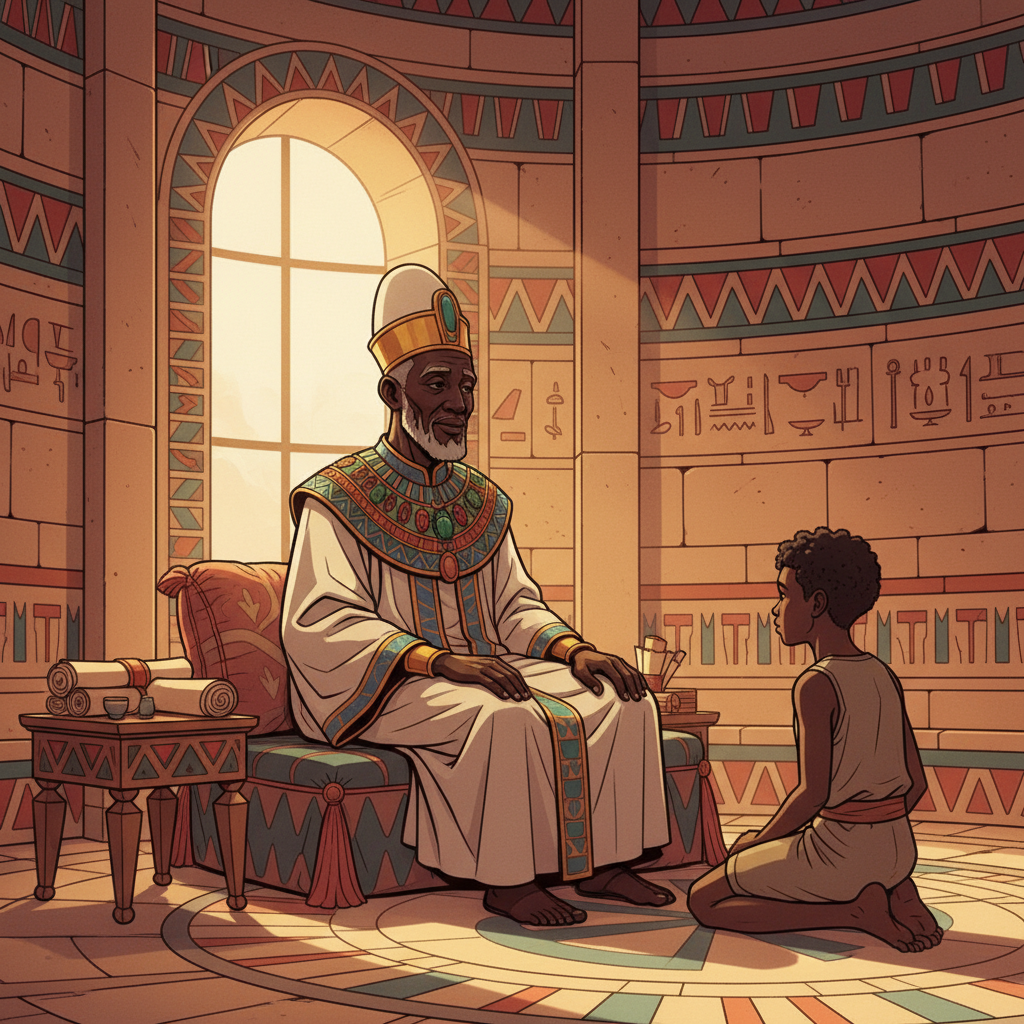
Seba Khafre settles, his eyes holding the wisdom of ages. "My student, the questions posed in the Duat are not meant to intimidate, but to inspire. They are a call to accountability, a profound invitation to self-definition through a life lived in truth. The journey you are on, studying these sacred texts, is part of that same ancient quest. Continue to ask yourself these great questions. Let them guide your choices, shape your character, and define your true `Ren`. For in doing so, you are not just learning about the past; you are actively constructing your future, building an identity worthy of the legacy of our ancestors, an identity that resonates with the eternal principles of Maat."