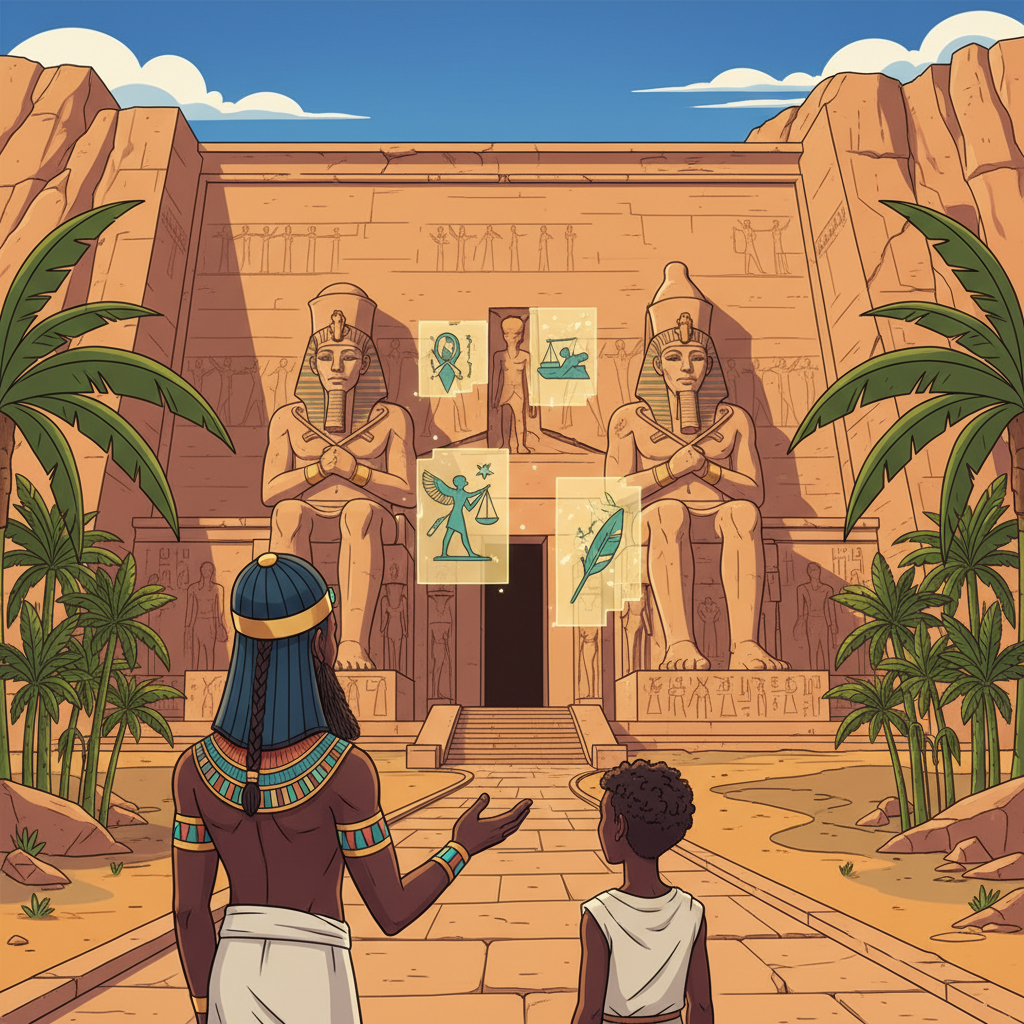
Ah, {name}. Your dedication to the deeper currents of Maatian wisdom shines brightly. You have journeyed through the foundational narratives of the *Pert em Heru*, seeing the transformation of the individual from earthly existence to the glorious state of *Akhu*. Now, you are ready to delve into the profound philosophical bedrock upon which this entire system rests, moving beyond the narrative to the core of Kemetic ethics and psychology. Today, we confront one of the most intellectually rigorous concepts in the entire corpus: the true nature of the *ib*, the heart, and its unparalleled role in self-judgment and moral accountability. This is not merely a story, but a mirror reflecting the deepest truths of our being.
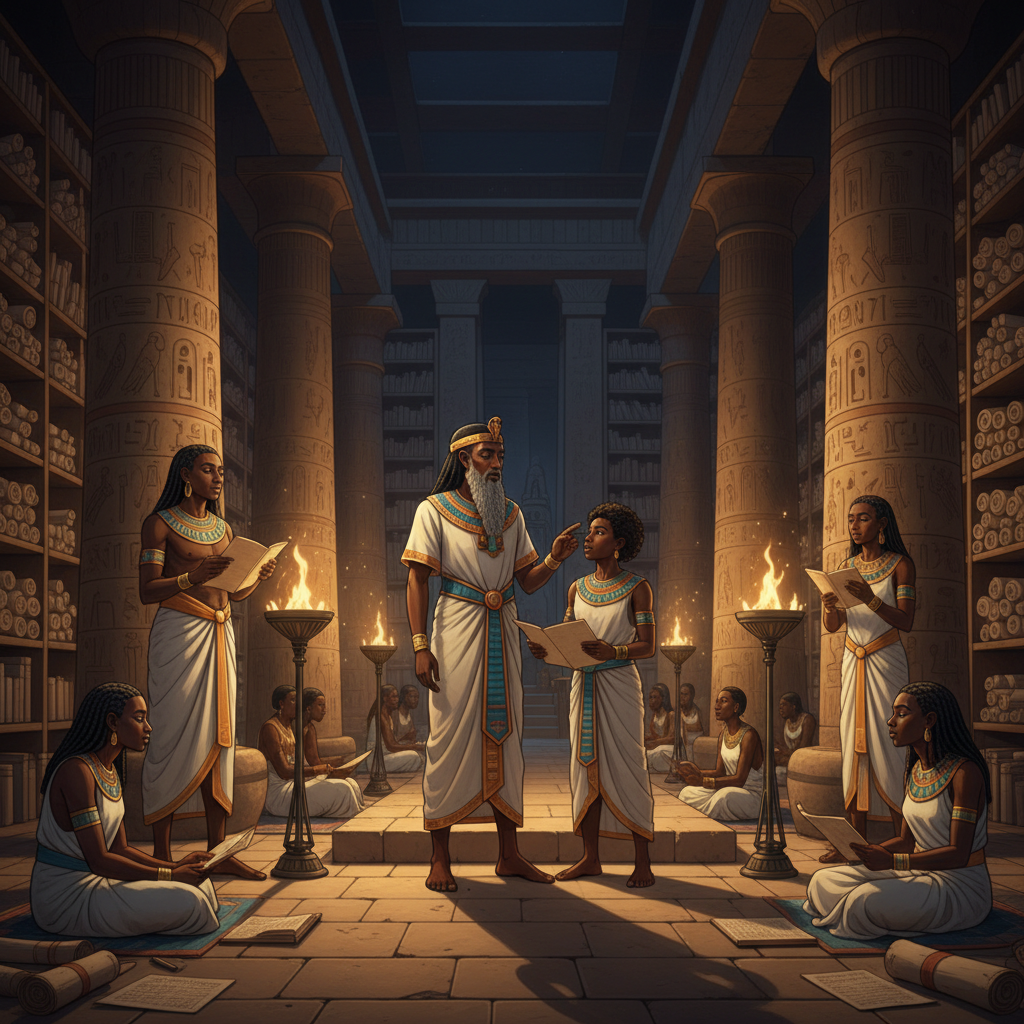
Step with me into the quiet embrace of this Per Ankh library, where the scrolls whisper secrets guarded for millennia. You have earned the right to hear these secrets, to understand how our ancestors, the people of Kemet, conceived of consciousness, memory, and moral reasoning. For them, the brain, that soft organ within the skull, was not the seat of these vital functions. Its removal during mummification, often without ceremony, tells us much. Instead, the *ib*, the heart, was carefully preserved, revered as the very core of one’s identity, the repository of all knowledge, will, and feeling. This distinction is crucial to grasping the genius of Kemetic thought.
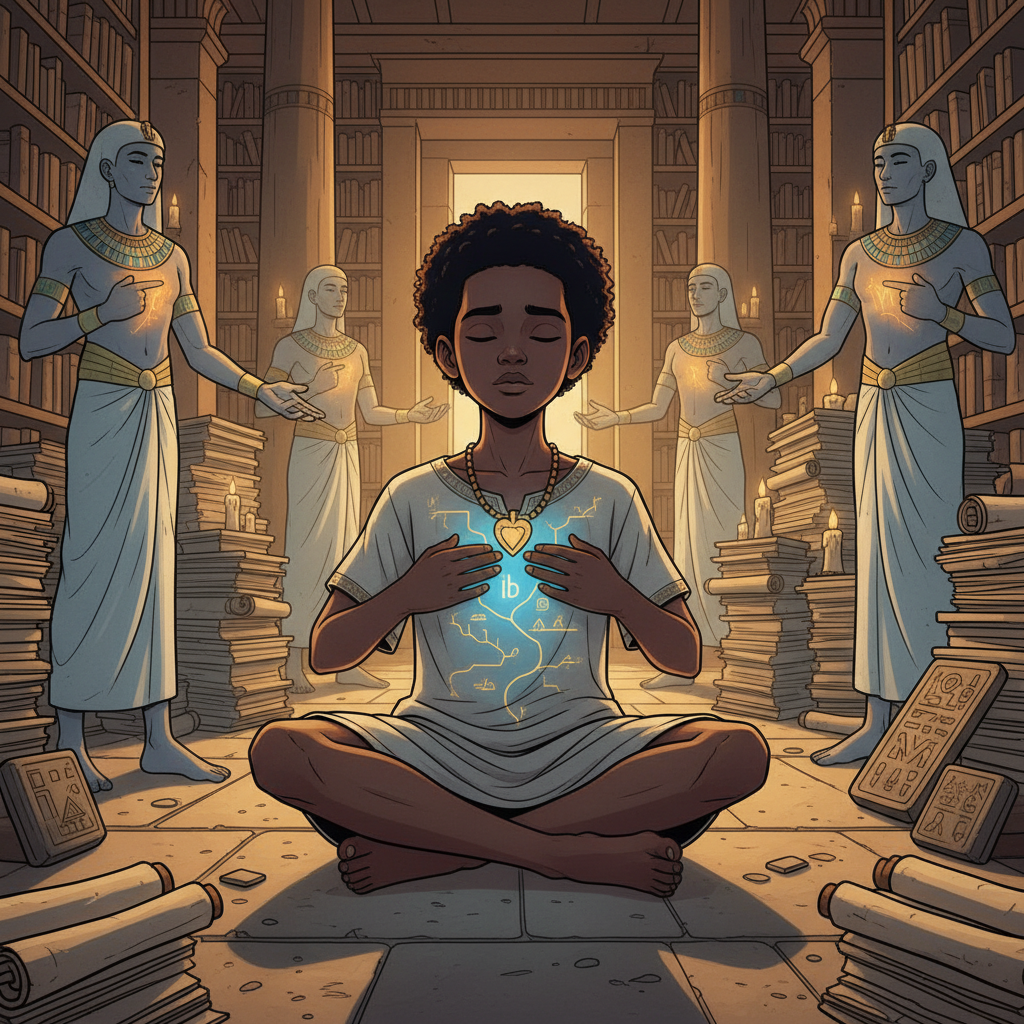
The Kemetians understood the *ib* as the true center of the person, the place where decisions were made, where emotions resided, and where one’s entire life experience was recorded. Think of it as your internal compass, your personal archive, and your moral judge, all in one. This concept predates Western psychological theories by thousands of years, offering a sophisticated model of self-awareness and internal responsibility. It challenged the notion of external deities dictating morality, suggesting instead a deeply ingrained, personal accountability that transcended mere adherence to rules. The *ib* was where *Maat* was truly internalized.
Consider the implications, {name}. If your heart holds every memory, every deed, every intention – both noble and ignoble – then the ultimate judgment must come from within. This isn’t a fear-based morality imposed by an angry god, but an autonomous ethical system. As the great scholar Dr. Jacob Carruthers eloquently argued, the Kemetic intellectual tradition was fundamentally humanistic, emphasizing the development of the individual’s moral character through self-mastery and adherence to Maat. The *ib* was the crucible where this character was forged, tested, and ultimately, revealed.
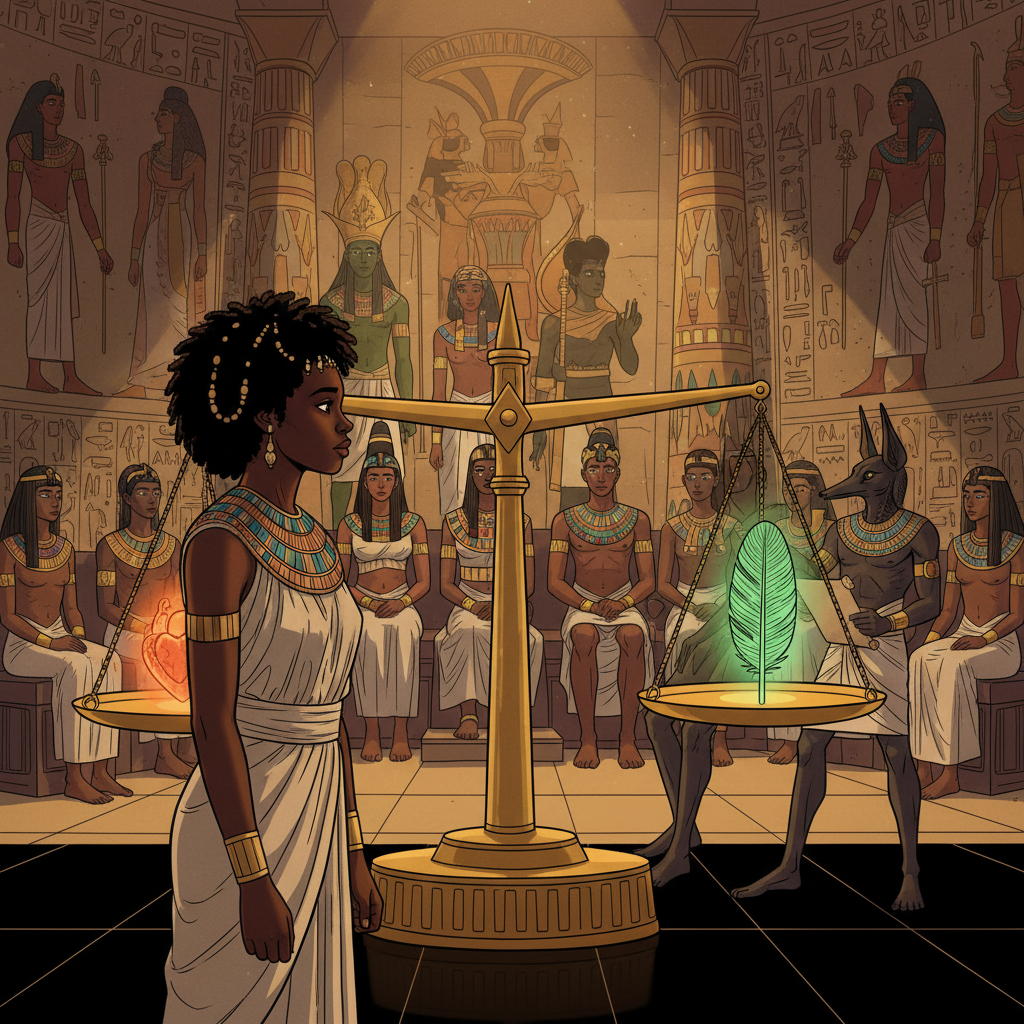
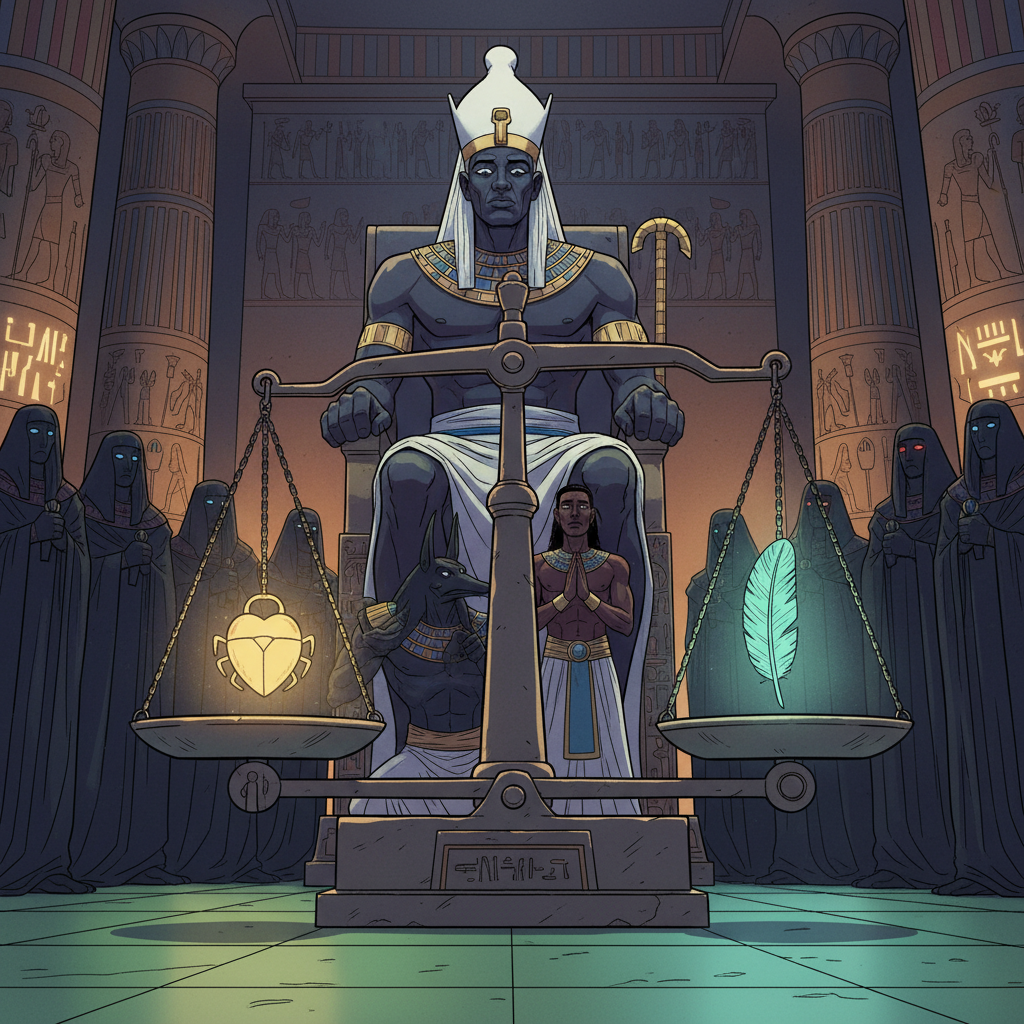
This brings us to the famous Chapter XXXB of the *Pert em Heru*, often referred to as "The Heart Chapter." This chapter contains a powerful and deeply personal plea from the deceased to their own heart. Imagine standing before the Divine Tribunal in the Hall of Two Truths, where the ultimate reckoning occurs. Every aspect of your existence is laid bare. And what is the most critical witness in this sacred court? Not an external accuser, but your very own *ib*. This is the moment of truth, where the internal moral authority you cultivated throughout life faces its final examination, determining your destiny in the Duat.
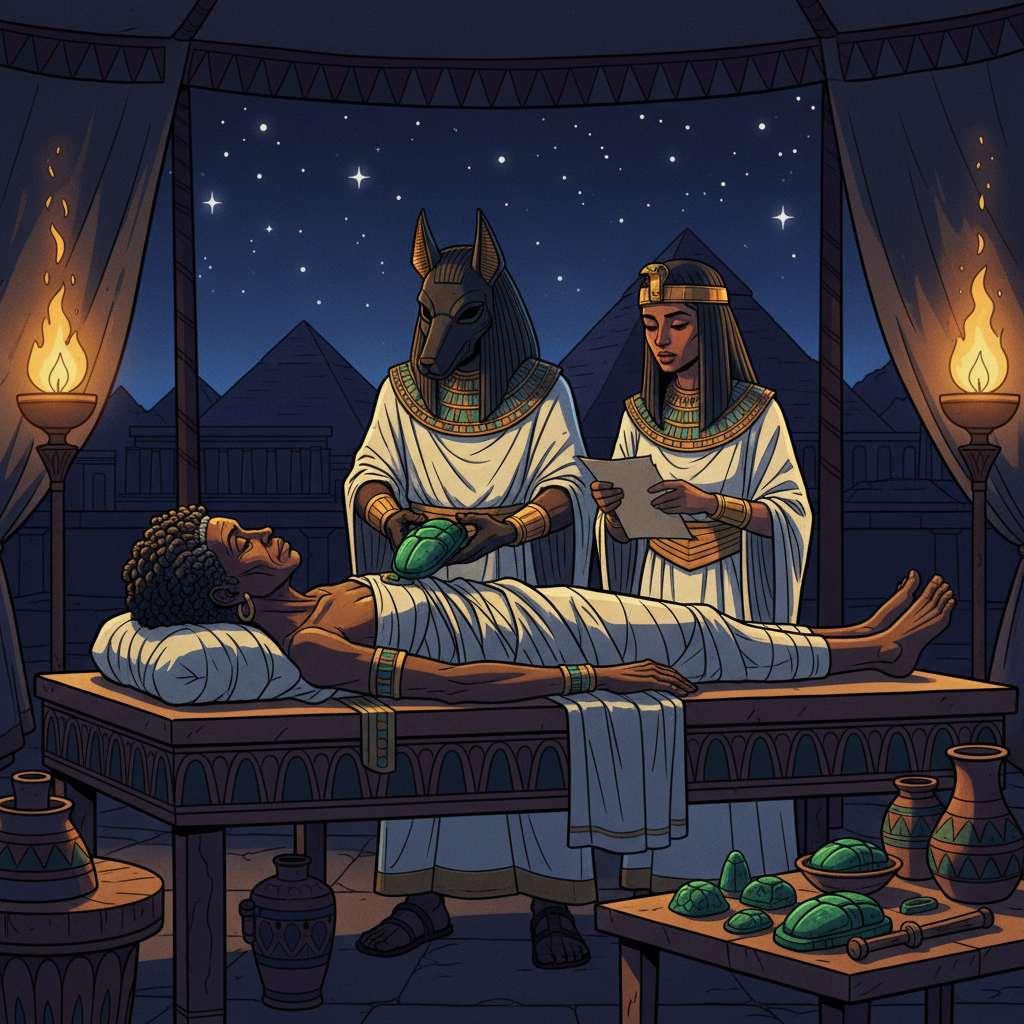
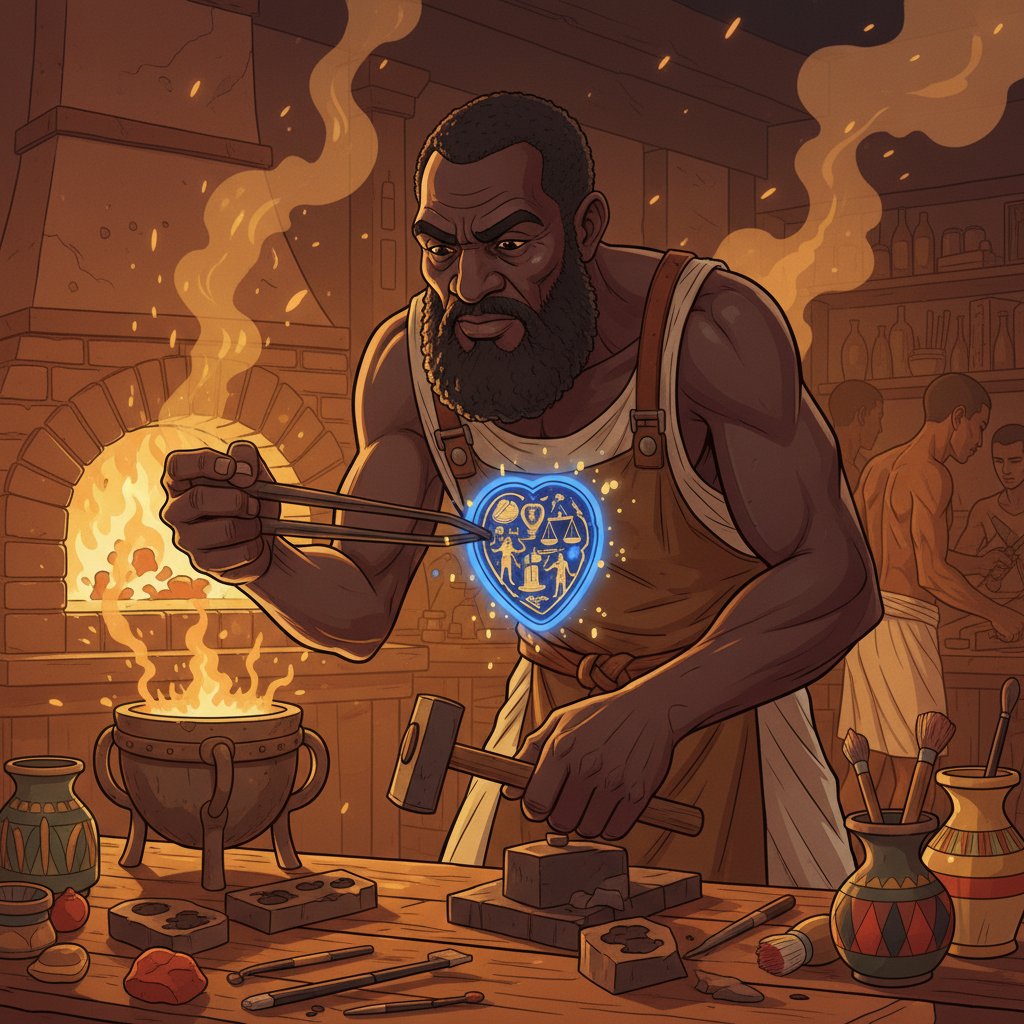
To safeguard this vital internal witness, the Kemetians created the heart scarab amulet. These beautifully carved objects, often made of dark green stone like basalt or steatite, were placed over the chest of the deceased during mummification. They were not mere adornments; they were powerful tools, imbued with *heka* – active spiritual force – designed to ensure the *ib* would not betray its owner during the crucial Weighing of the Heart ceremony. Each scarab often bore an inscription of this very chapter, a direct appeal to the heart itself, reinforcing its paramount importance.
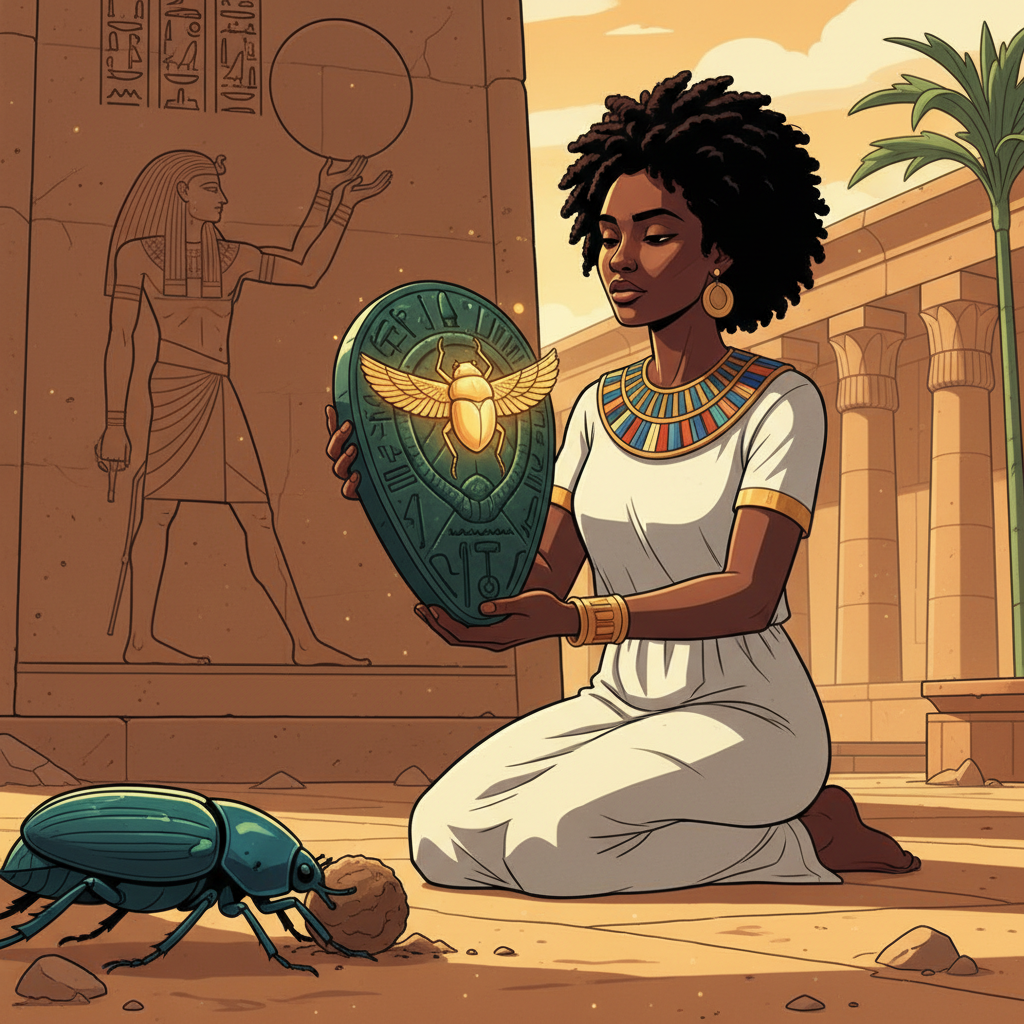
The scarab, a beetle often seen rolling balls of dung, symbolized creation and rebirth for the Kemetians, specifically associated with the deity Khepri, the rising sun. Its choice for such a profound purpose underscores the belief that even in death, the potential for a new, perfected existence, an *Akh*, was present. The heart scarab was therefore a physical manifestation of a spiritual plea, a constant reminder of the internal struggle for *Maat* against the forces of *Isfet*. It was a commitment to integrity, even when no one else was watching, for the heart always knew.
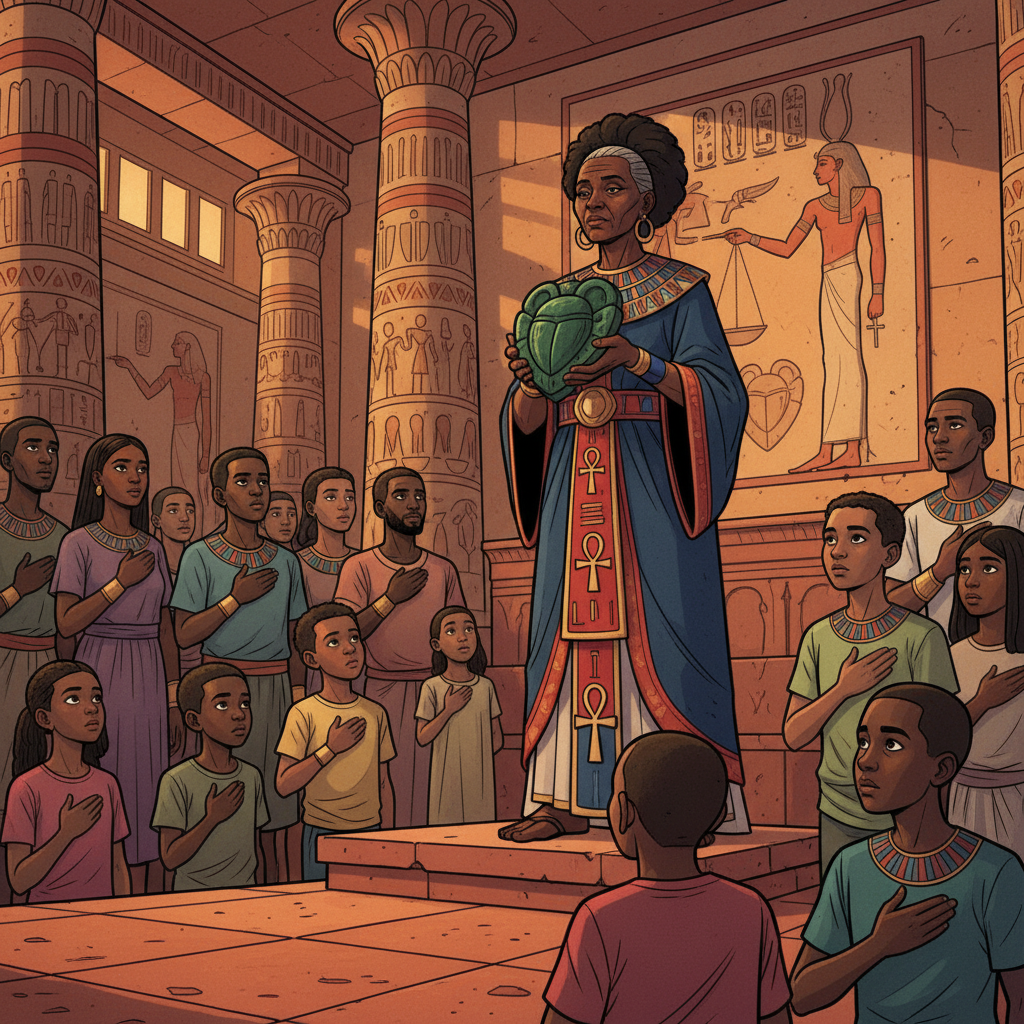
The philosophical depth here is extraordinary. It posits that true moral autonomy comes from within, from a cultivated conscience that is not easily swayed. Dr. Maulana Karenga, a leading scholar of Maatian ethics, emphasizes that Maat is not just a set of external rules but a way of being, a commitment to truth, justice, and righteousness that emanates from the individual’s core. The heart scarab chapter gives voice to this internal struggle, highlighting the profound responsibility each person held for their own moral development and actions throughout their time in Ta-Meri.
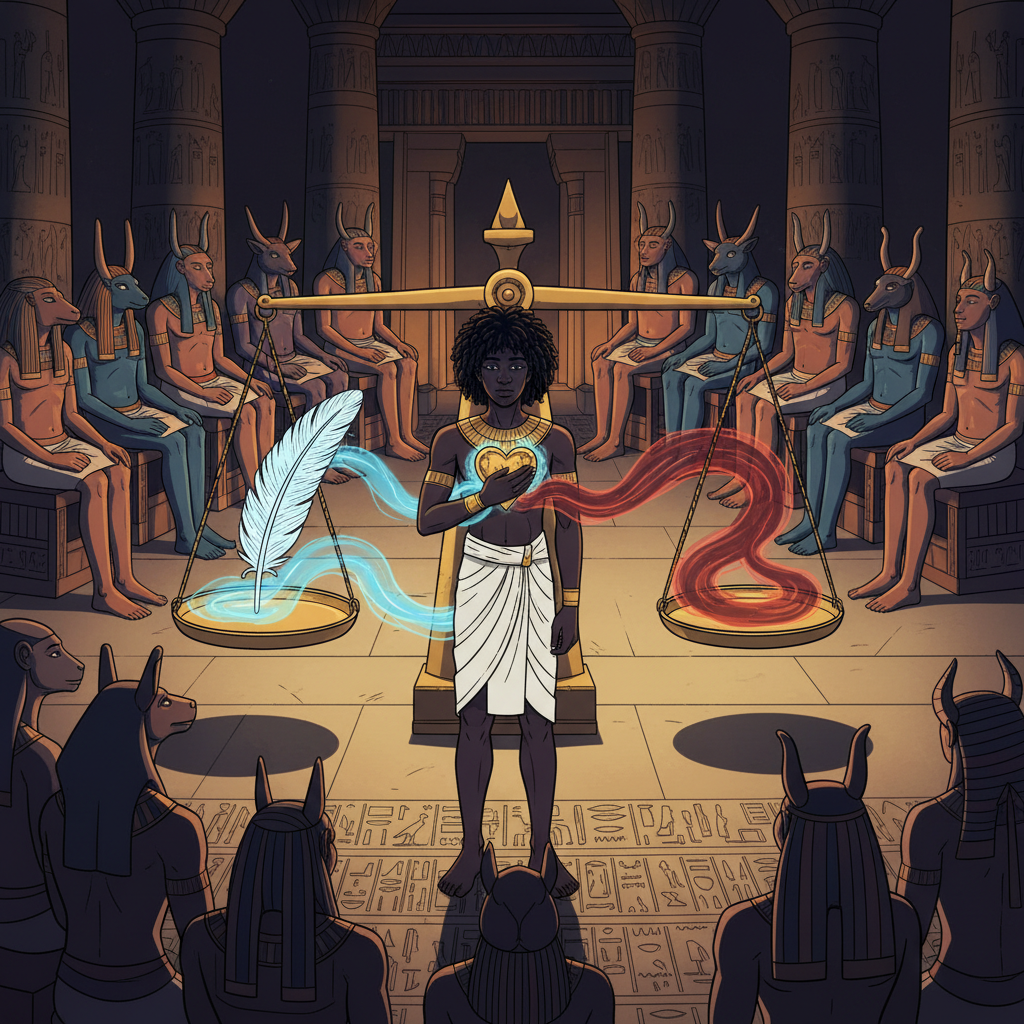
Imagine the setting. You, as the deceased, stand in the magnificent Hall of Two Truths, surrounded by the forty-two divine assessors. Before you, the Great Balance awaits, one pan holding the feather of Maat, the other awaiting your *ib*. This is not a moment for elaborate defenses or external pleas. This is a confrontation with self. The *Pert em Heru* explains that the heart will either confirm a life lived in accordance with *Maat* or expose the transgressions, the moments of *Isfet*. The weight of your entire existence rests on this single, vital organ, your internal record keeper.
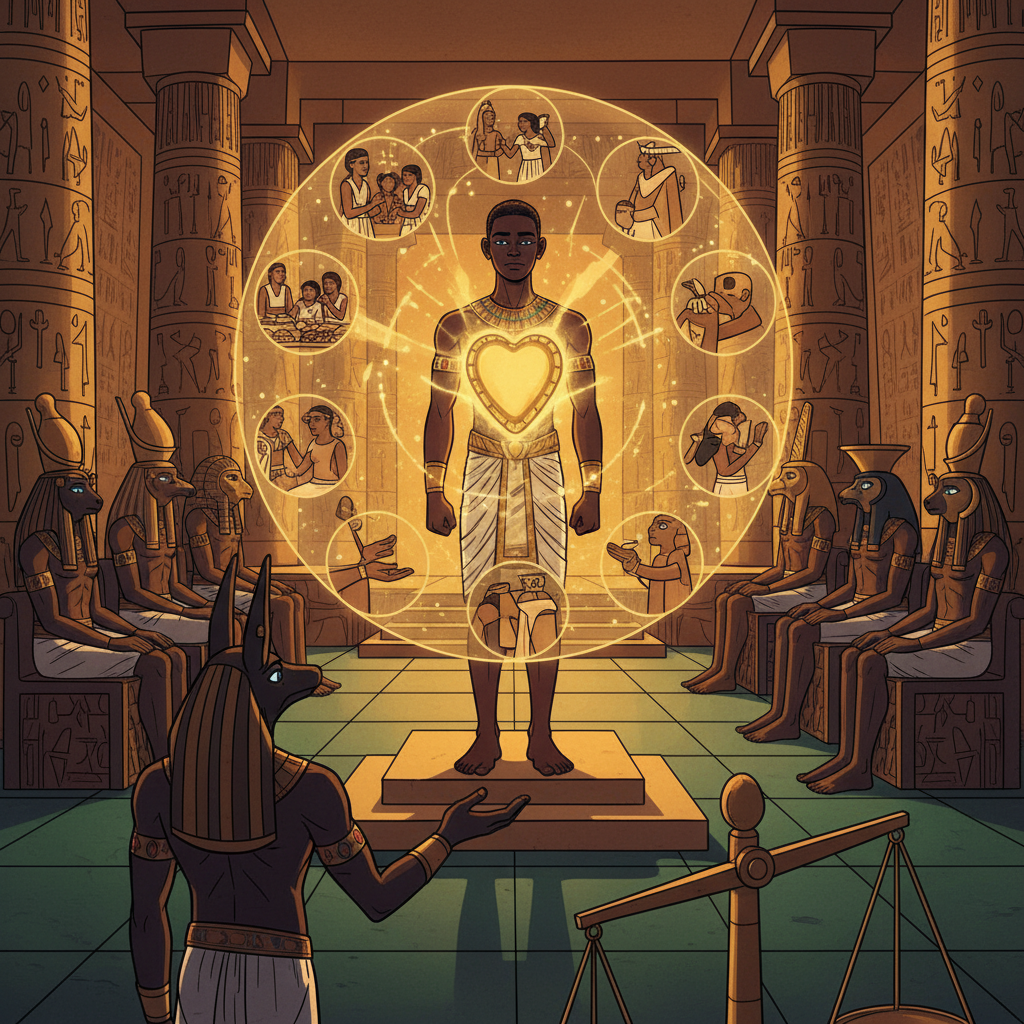
The text of Chapter XXXB is a direct, urgent address to the *ib* itself. It acknowledges the heart’s immense power and its unique position as the ultimate witness. It’s a recognition that throughout life, the heart has experienced everything – the joys, the sorrows, the temptations, the moments of weakness, the triumphs of virtue. It has kept a meticulous record, unseen by others, but fully known to the self. This intimate knowledge makes the heart the most formidable and incontrovertible witness imaginable in any judgment. There is no hiding from your own heart.
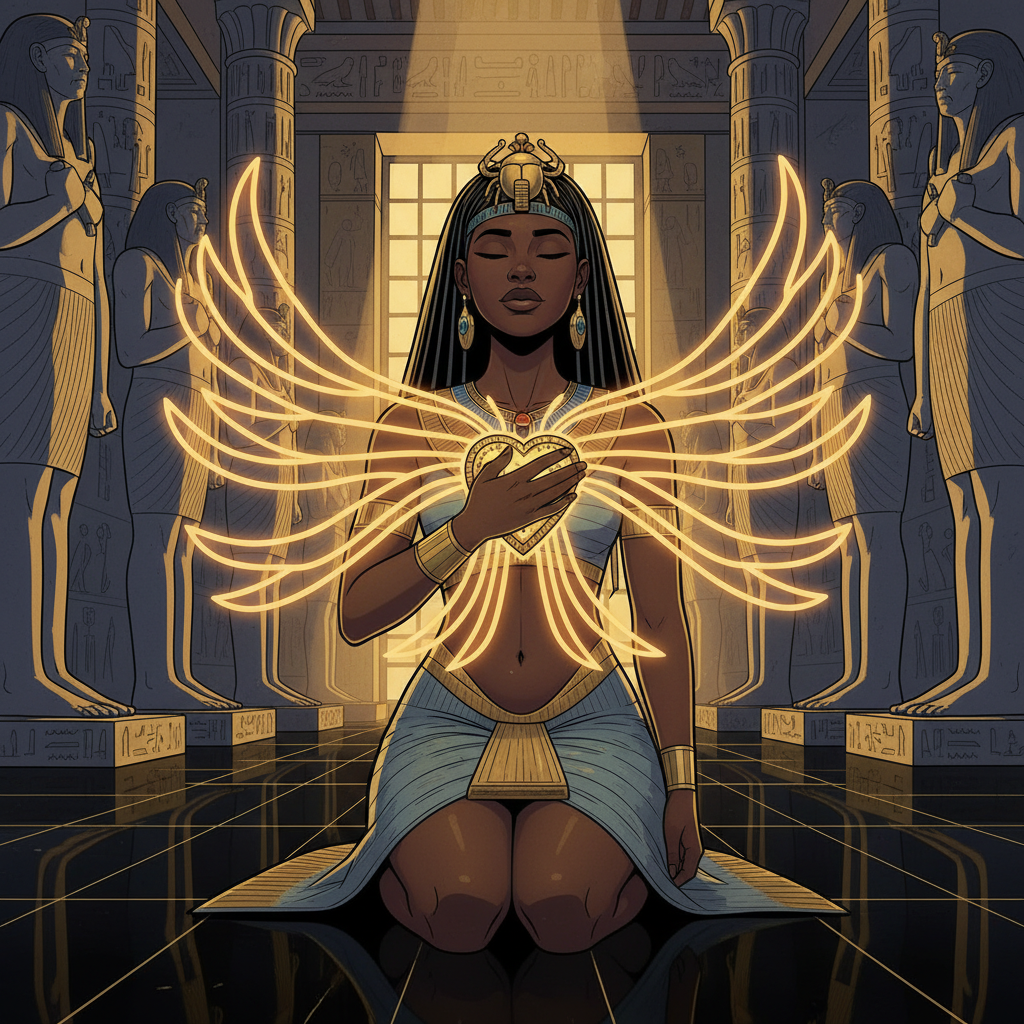
The ancient Kemetians, through this text, offer a profound insight into the human condition: true accountability begins and ends within. It’s a call to live consciously, to cultivate a heart pure and aligned with *Maat* every single day, knowing that ultimately, you will face your own truth. This internal process is far more powerful than any external threat of punishment, fostering genuine ethical growth rather than mere compliance. The wisdom embedded in these ancient words continues to resonate with timeless relevance, speaking to the universal quest for integrity.
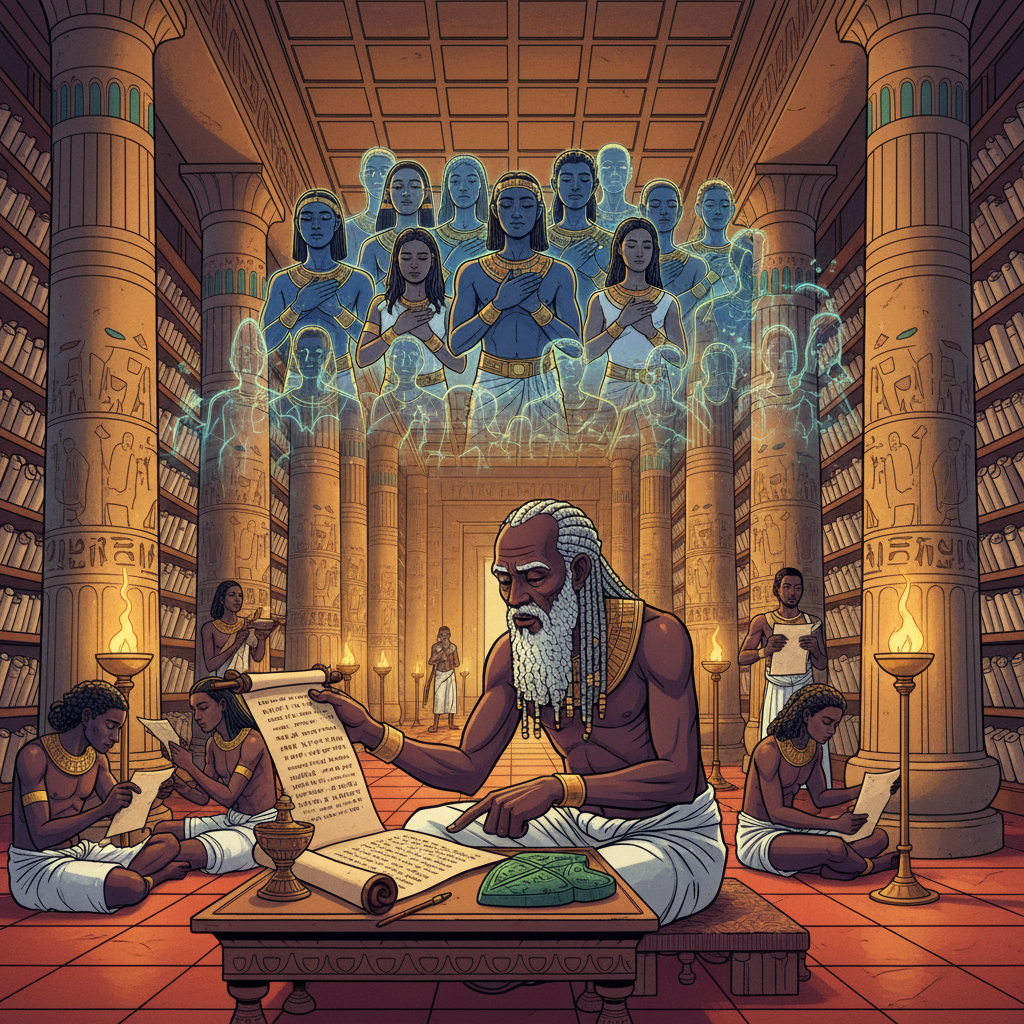
Now, let us turn to the words themselves, inscribed on countless heart scarabs and papyri. These are not just ancient verses; they are a direct invocation, a heartfelt plea from the individual to their very core. This passage is a cornerstone of understanding Kemetic spiritual psychology, revealing a level of self-awareness and personal responsibility that is truly remarkable for any age. Listen closely, and feel the weight of these words, knowing they were uttered by generations of our ancestors seeking to navigate the ultimate transition.
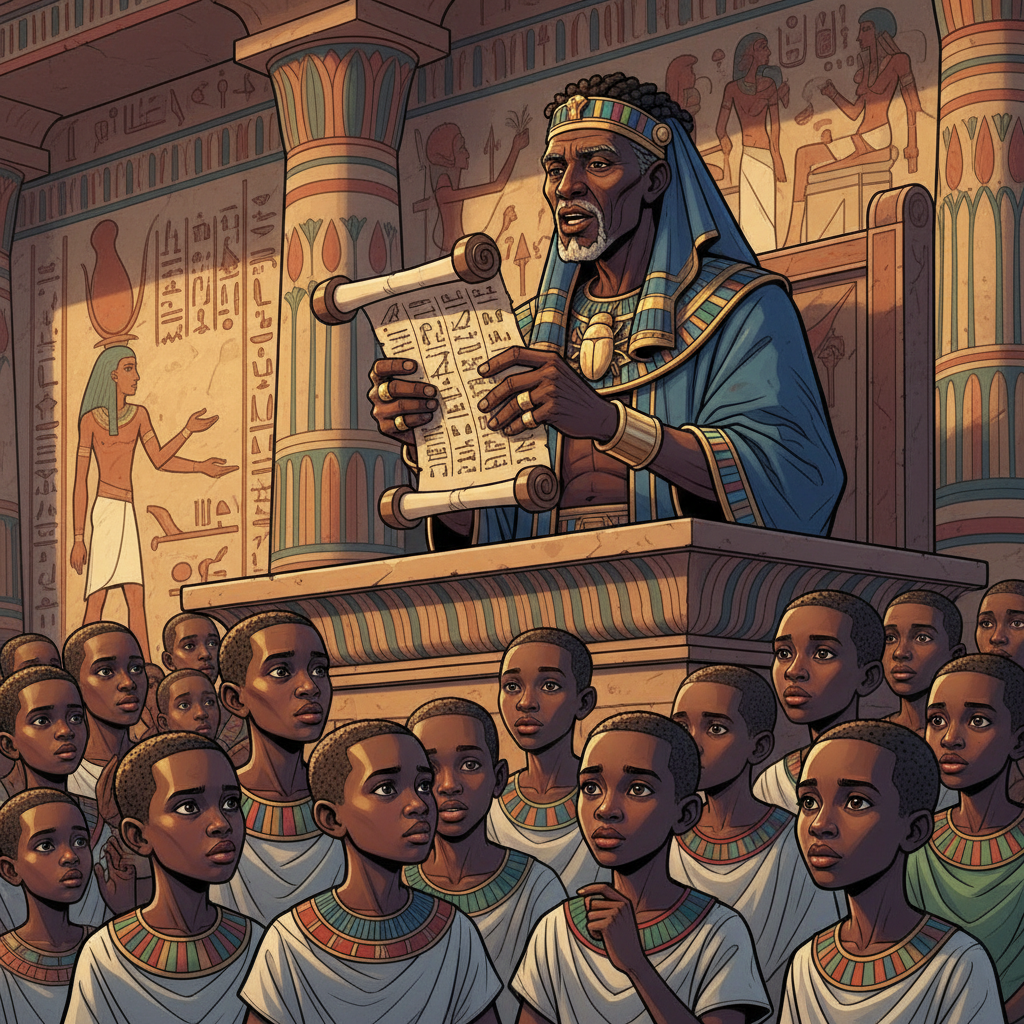
Seba Khafre pauses, his voice deepening as he recites from a meticulously copied scroll, his fingers tracing the hieroglyphs.
"O my heart of my mother, O my heart of my becoming — do not stand against me as a witness. Do not oppose me in the council. Do not weigh heavy against me before the keeper of the balance. Thou art my *Ka*, which is in my body, the fashioner who makes my limbs sound. May you come forth to the place of happiness to which we go. Do not cause my name to stink before the great Ennead, the great gods. Do not speak lies against me in the presence of the great god."
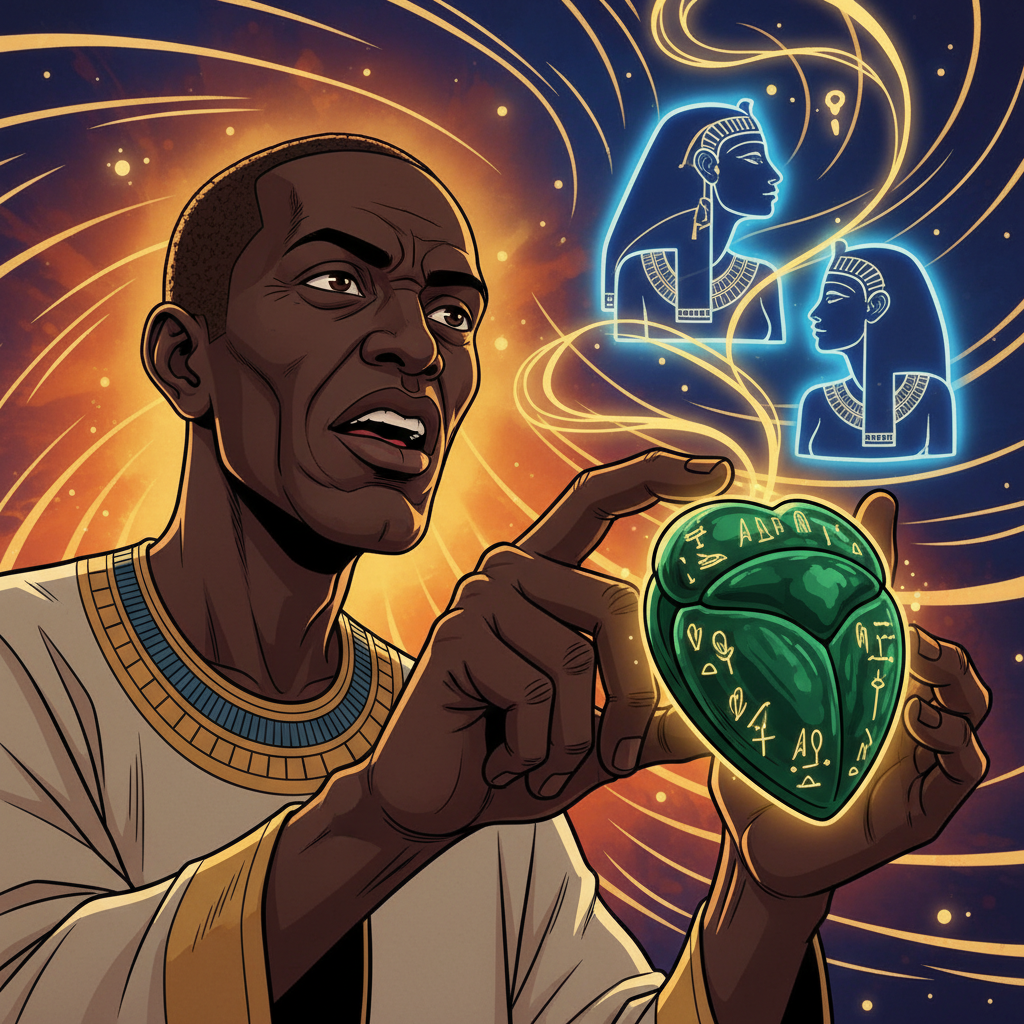
What powerful words, {name}. "O my heart of my mother, O my heart of my becoming" – this phrase connects the heart to one’s origins, to the very essence of existence, to the life force passed down through generations. It acknowledges the heart as both an inheritance and a continually developing entity. It is a plea for unity, for the heart to be an ally rather than an adversary in the final judgment. It is a recognition that the heart, having witnessed everything, possesses the power to either condemn or confirm one’s worthiness for the journey to the Field of Reeds.
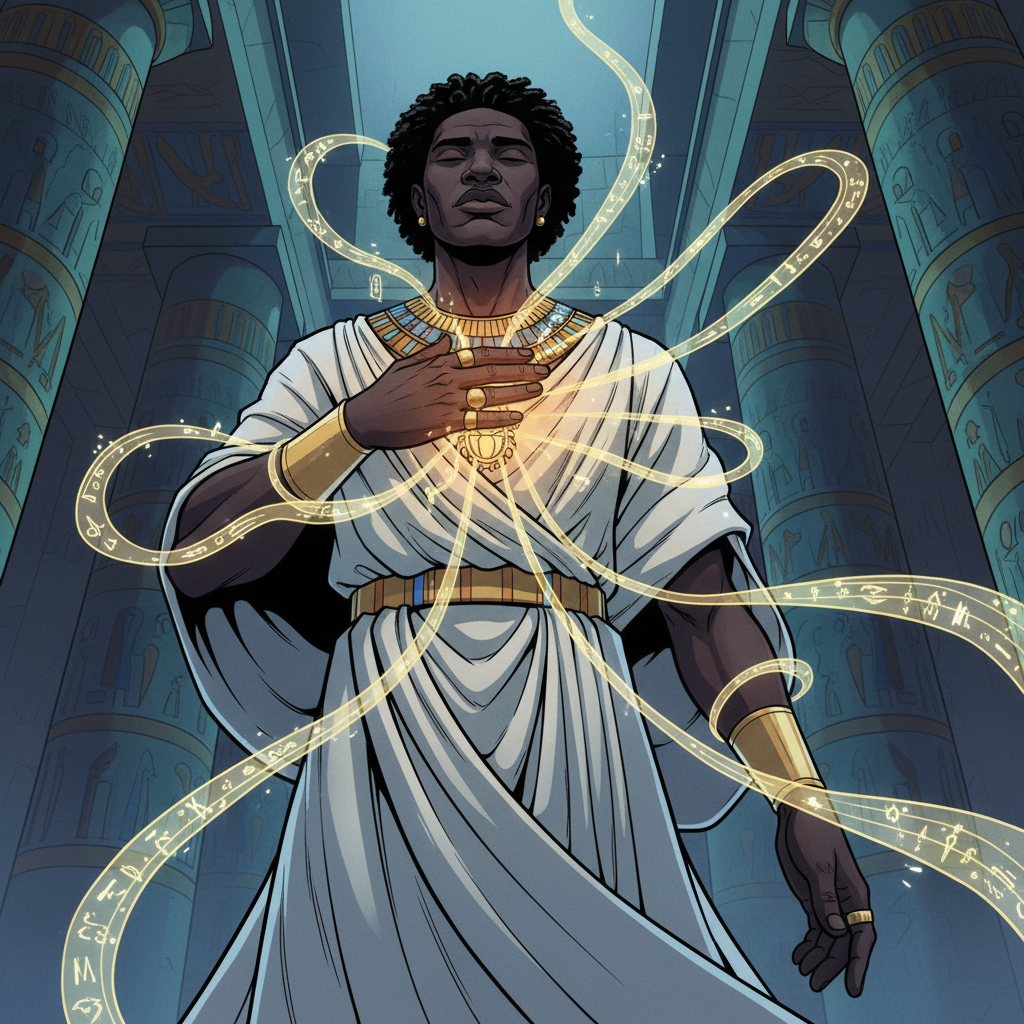
The invocation continues: "Thou art my *Ka*, which is in my body." Here, the heart is explicitly linked to the *Ka*, the vital life force and spiritual double, confirming its role as the very animating principle of the individual. It is the heart that gives life to the limbs, that makes them sound, enabling action and experience. The plea, then, is not just to an organ, but to the very spiritual core that empowers one’s existence. This holistic view of the human being – physical, mental, spiritual – is a hallmark of Kemetic wisdom, as articulated by scholars like Dr. Asa Hilliard.
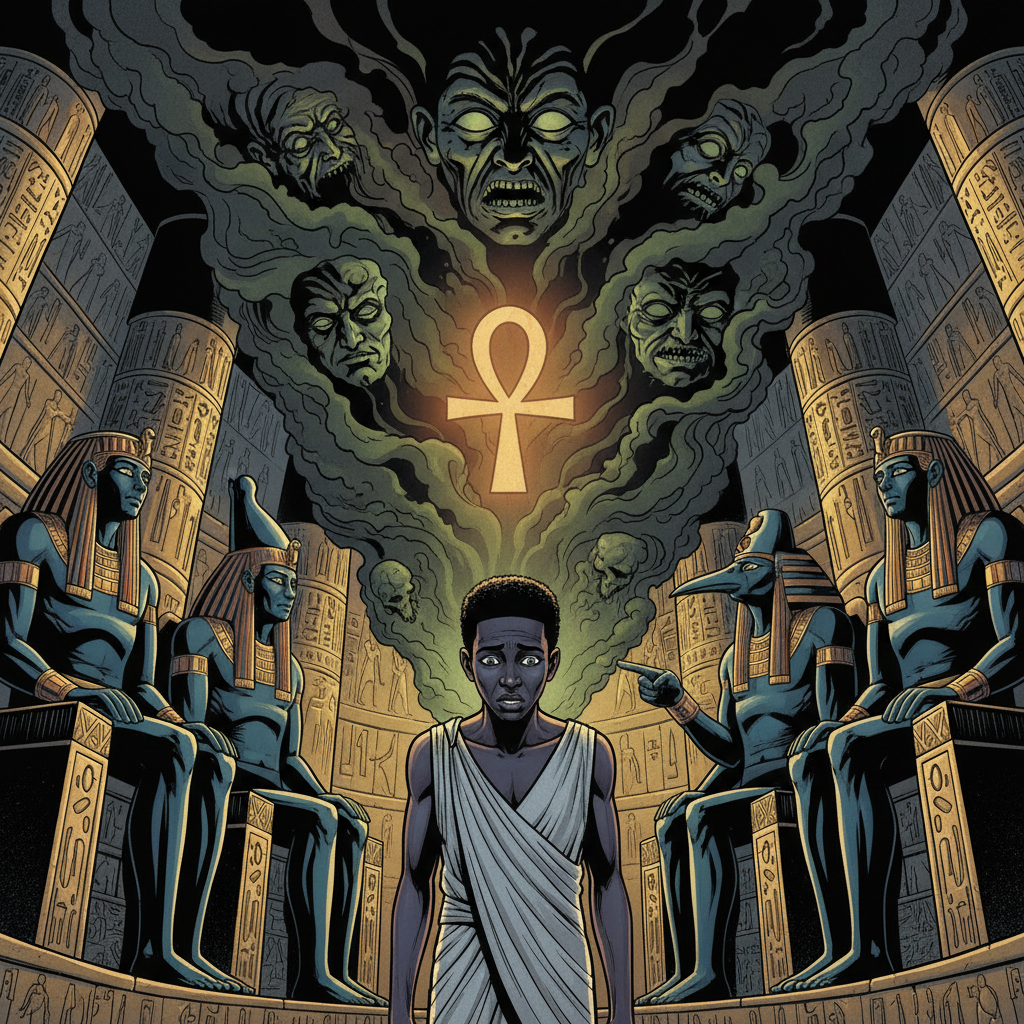
The fear expressed – "Do not cause my name to stink before the great Ennead" – is not a fear of physical punishment, but a profound concern for one’s reputation, one’s eternal standing, and the integrity of one’s *Ren*, or true name. In Kemet, your name was intrinsically linked to your identity and your destiny. To have your name "stink" was to suffer spiritual annihilation, to be denied the opportunity for eternal life and union with the ancestors. This highlights the deep ethical commitment to living a life that leaves a positive, truthful legacy, not just for oneself, but for one’s lineage.

This passage unequivocally places the burden of judgment inside the individual. It is your own consciousness, your own memory, your own moral compass that determines your fate. This is the epitome of internal moral authority. As Professor Theophile Obenga and Dr. Cheikh Anta Diop have shown, the intellectual and philosophical sophistication of Kemet was unparalleled, laying foundations for ethical systems that emphasized personal responsibility and the cultivation of an inner moral standard. The *Pert em Heru* is not merely a "Book of the Dead"; it is a "Book of Living" justly.

The heart scarab, therefore, was far more than an amulet; it was a profound declaration of intent. It was a tangible symbol of the deceased’s lifelong commitment to truth and righteousness, a plea for their own inner truth-teller to remain steadfast. It acknowledged the human struggle, the moments of weakness, but affirmed the aspiration for *Maat*. This chapter underscores that the journey to *Akhu* was not a passive one, but an active, conscious engagement with one’s own moral fabric, ensuring that the heart would be light as the Feather of Maat.
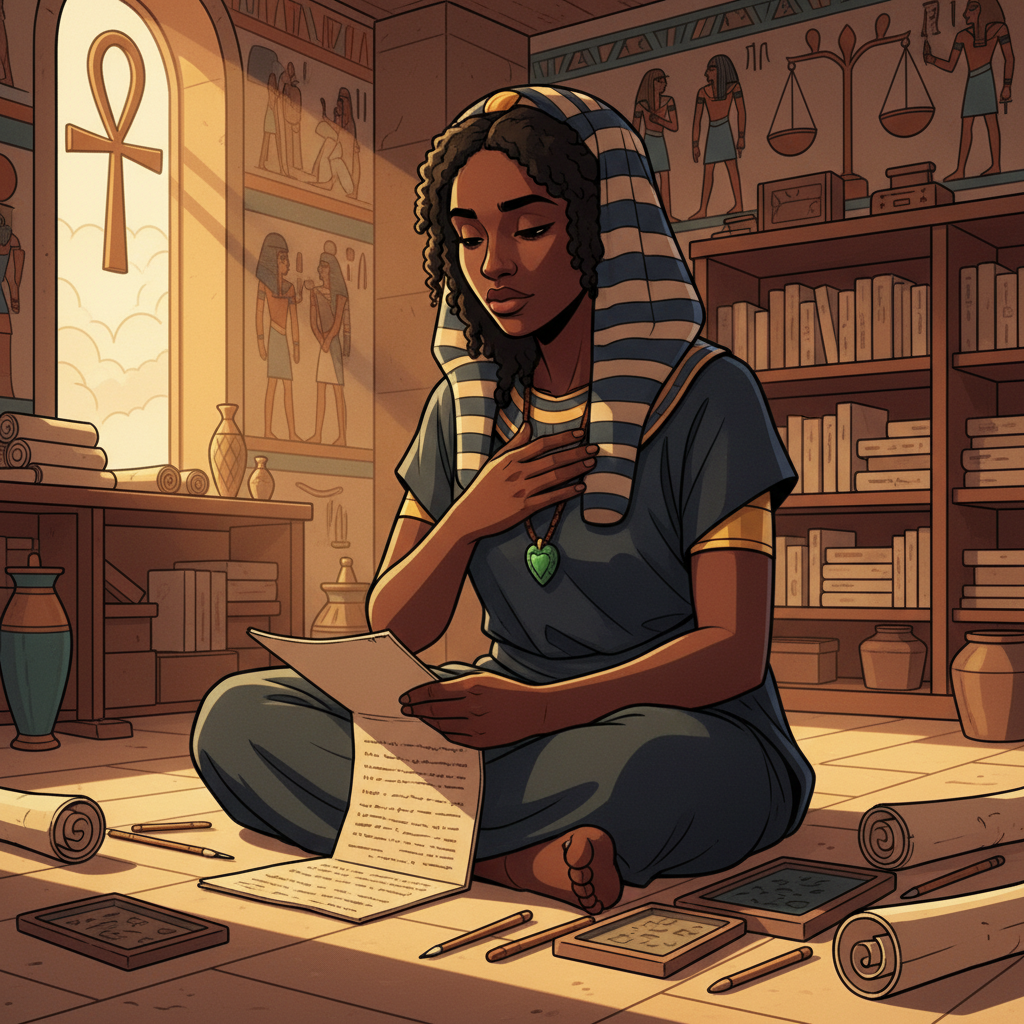
This concept of the *ib* as the internal judge permeates Kemetic thought and daily life. It meant that every action, every word, every thought had ethical weight, not because an external deity was watching, but because your own heart was recording. This fostered a profound sense of self-respect and self-governance. You were responsible for shaping your character, for aligning your will with *Maat*, for ensuring your *ib* was a testament to virtue, not *Isfet*. It made the pursuit of wisdom and ethical living an intensely personal and continuous endeavor.
So, {name}, as you reflect on the journey of the *Pert em Heru*, remember that the true test was always internal. The heart, that sacred organ, was the seat of not just feeling, but of profound knowledge and ethical choice. Our ancestors left us a powerful legacy, a blueprint for a life of purpose and integrity, where the ultimate judge resides within each of us. This is the profound gift of Chapter XXXB, a testament to the enduring wisdom of Kemet, urging us to live lives worthy of our own hearts’ approval.
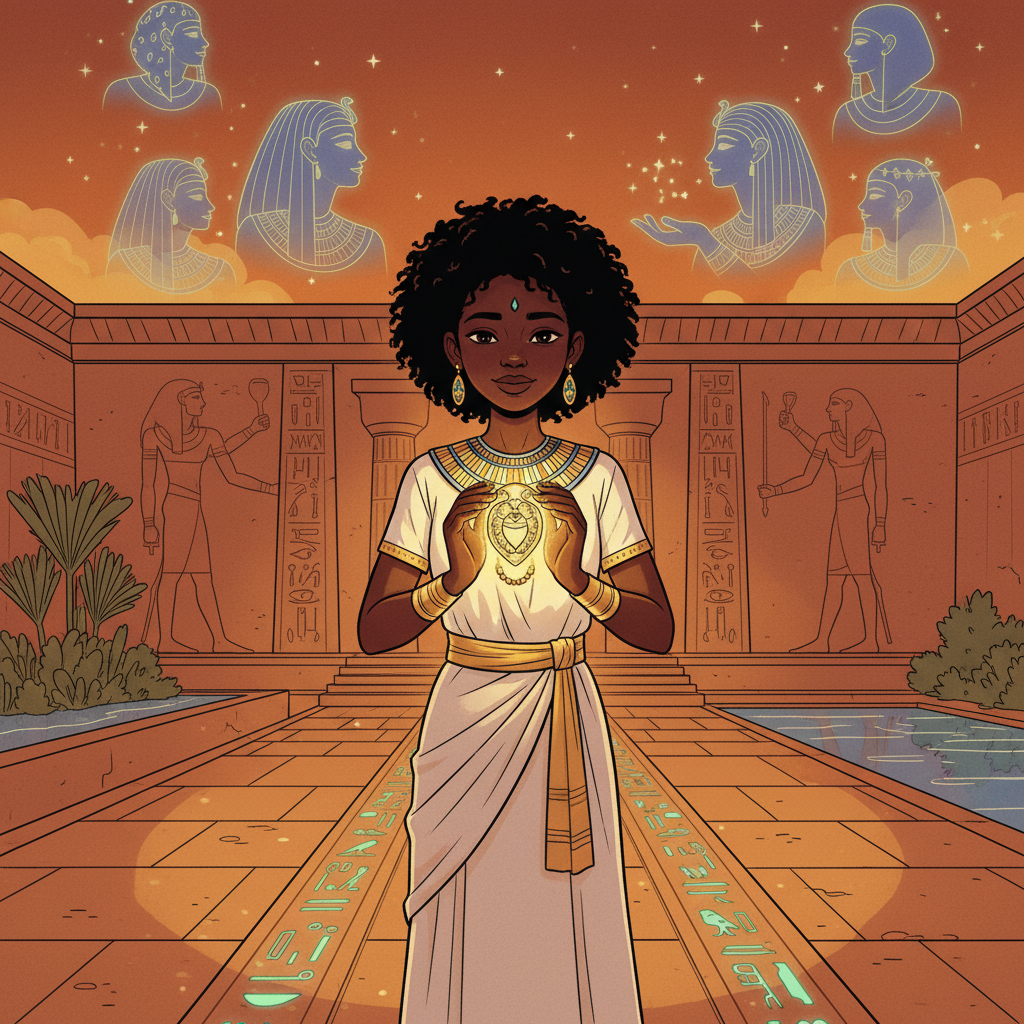
May your own heart, {name}, always be a testament to *Maat*, a beacon of truth and a source of inner strength. The path to *Akhu* is not an easy one, but it is one illuminated by the light of your own conscience, guided by the wisdom of your ancestors, and ultimately, affirmed by the purity of your *ib*. Continue to seek knowledge, to practice truth, and to cultivate the inner harmony that ensures your heart will speak well of you, always. This deeper understanding is your reward for journeying with diligence.