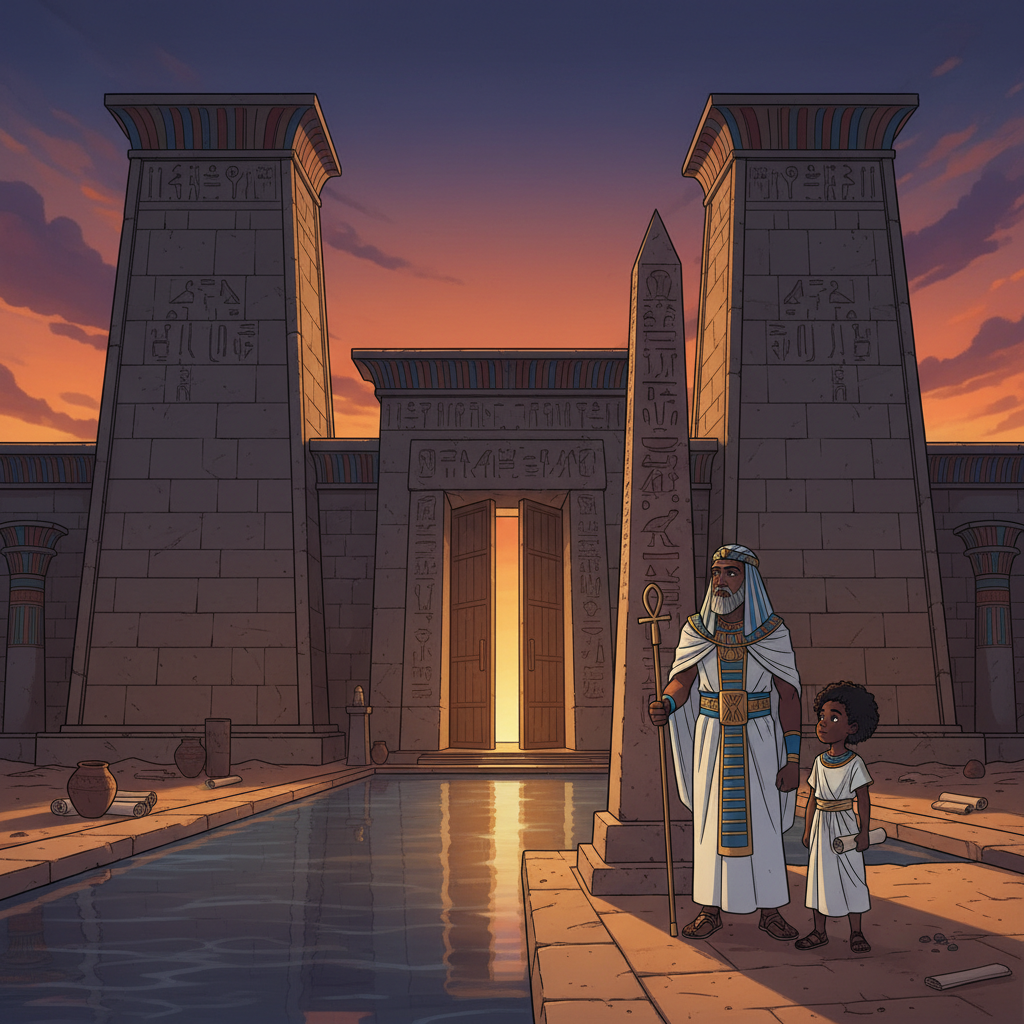
Welcome, my diligent student. You have proven yourself worthy, crossing the threshold from foundational understanding to the deeper currents of Kemetic wisdom. The time for simple stories has passed; now, we delve into the profound philosophy that shaped our ancestors and, indeed, much of the world. Today, we stand in the sacred silence of the Per-Ankh, amidst scrolls that whisper ancient truths, to unravel the essence of Ra, not merely as the sun in the sky, but as a metaphor for cosmic consciousness and the very light of understanding itself. This journey requires not just memory, but rigorous thought, for Kemet’s teachings are a wellspring of intellectual tradition.
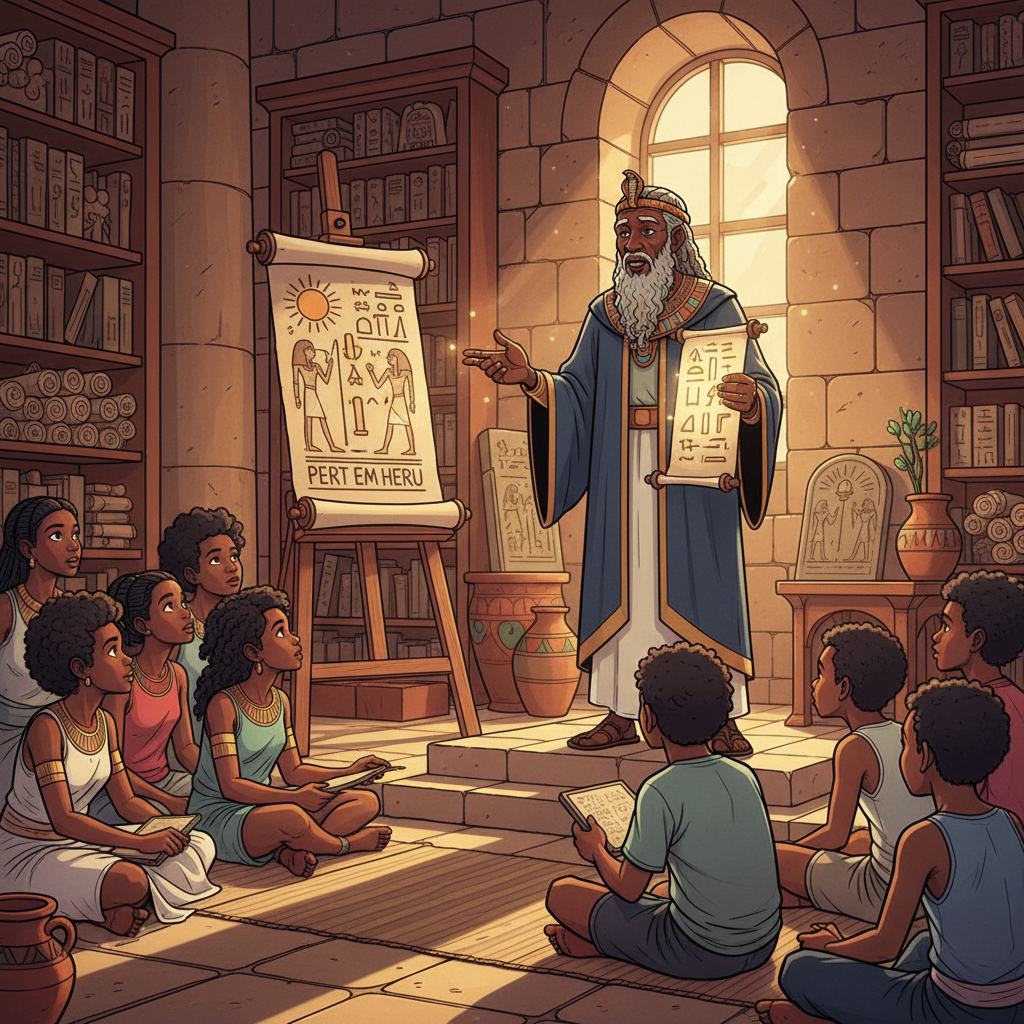
In the introductory chapters, we spoke of Ra as the Great Awakener, the giver of light and life. And while that imagery holds truth, it only scratches the surface. To truly grasp Ra, we must look beyond the physical disk in the sky. Imagine Ra as the illuminating principle that brings all things into being, not just physically, but conceptually. It is the light that reveals truth, the energy that fuels thought, the awareness that allows us to perceive and comprehend. This is the sophisticated understanding held by our Scribes and Priests, a wisdom often simplified for the masses, but preserved in texts like the Pert em Heru for those who sought deeper knowledge.
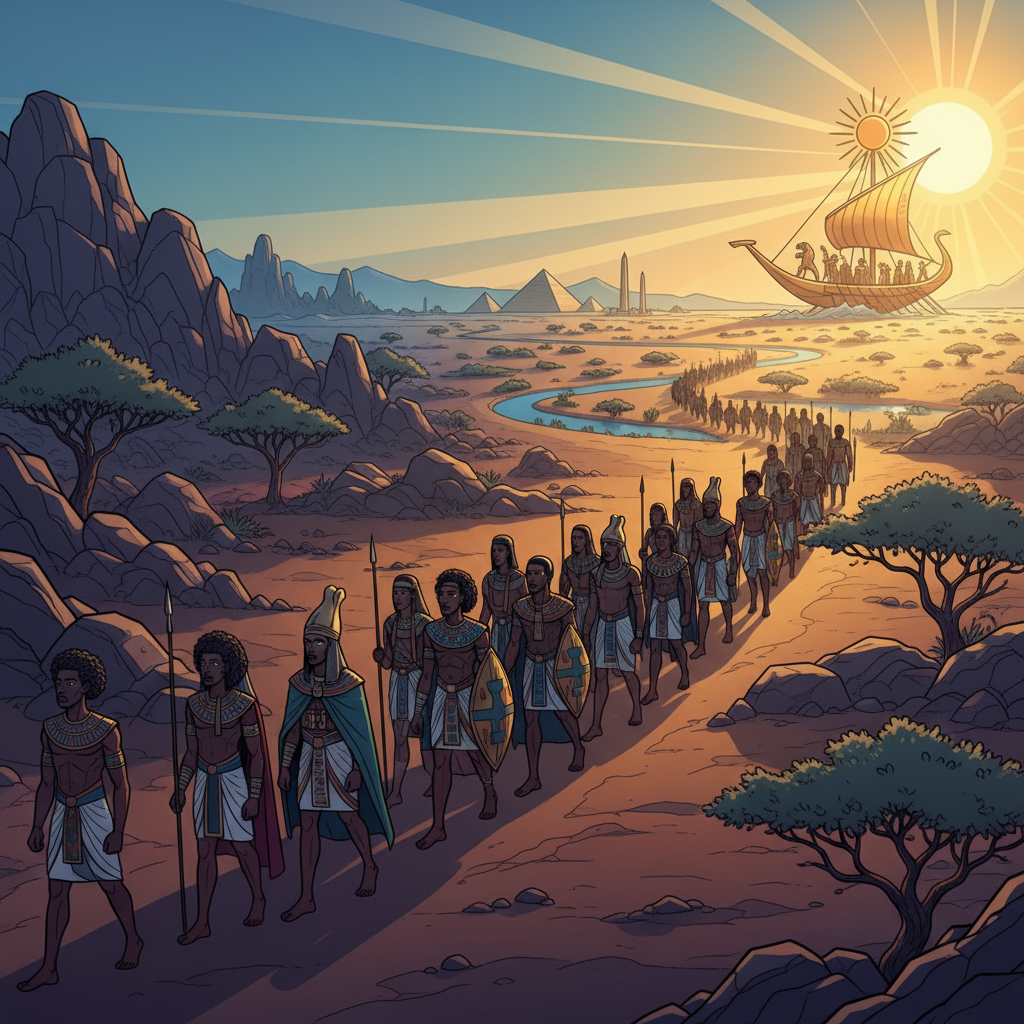
Our ancestors viewed the cosmos as a living, breathing entity, intricately woven with principles of order and chaos, Maat and Isfet. Ra, the daily traveler across the heavens, was the ultimate symbol of this cosmic dance. His journey from darkness to light each day wasn't just a physical phenomenon; it was a potent allegory for the human quest for knowledge, for enlightenment, for the triumph of understanding over ignorance. The very structure of the universe, they believed, mirrored the structure of the mind—a profound connection between the macrocosm and the microcosm that informed all aspects of Kemetic life.
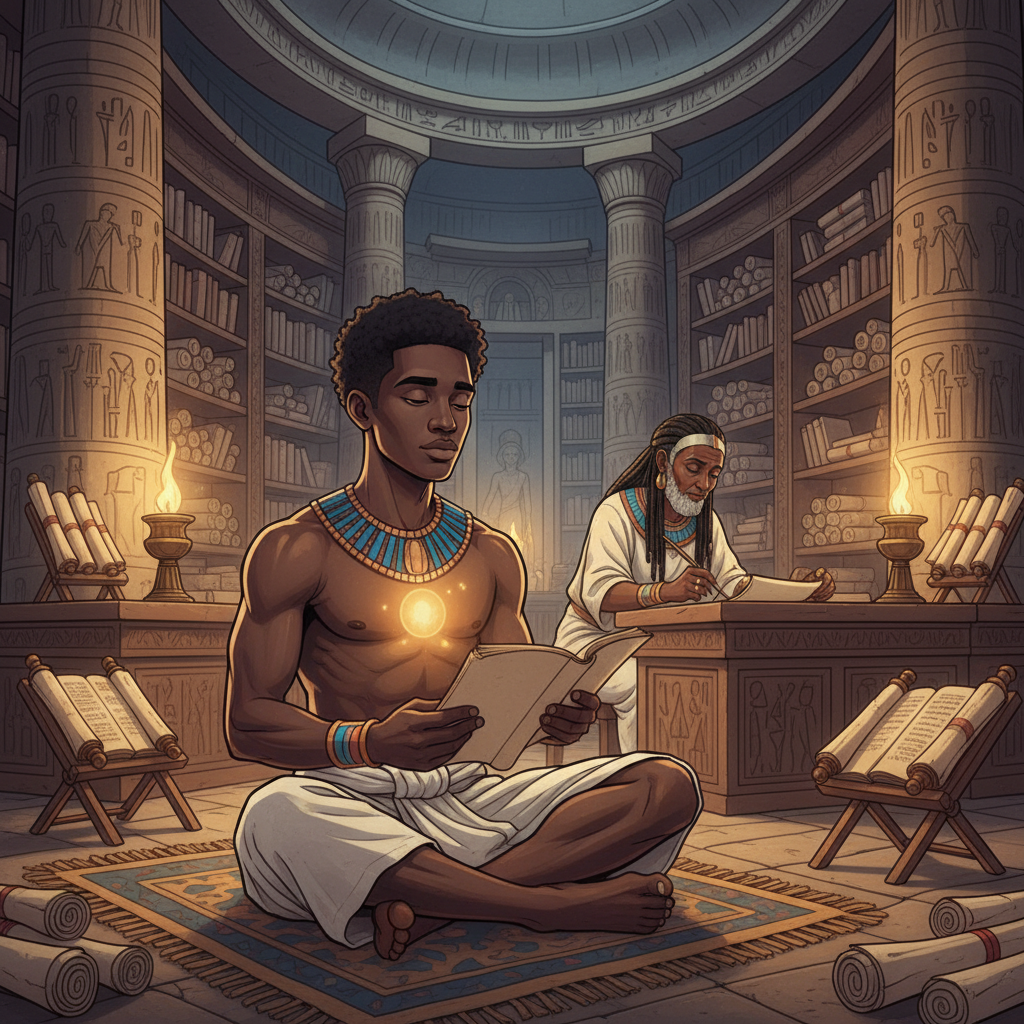
Consider the 'Hymns to Ra' from the Papyrus of Ani. These are not just songs of praise; they are profound meditations on the nature of existence, consciousness, and the divine. They are calls to awaken the inner Ra, the light of truth and awareness within each individual. The daily rising of the sun was a constant reminder that with each new dawn comes an opportunity to shed the darkness of misunderstanding and embrace the clarity of insight. This philosophical approach is a cornerstone of the African intellectual tradition, emphasizing self-knowledge as a pathway to universal wisdom, a concept far more nuanced than simple polytheism suggests.
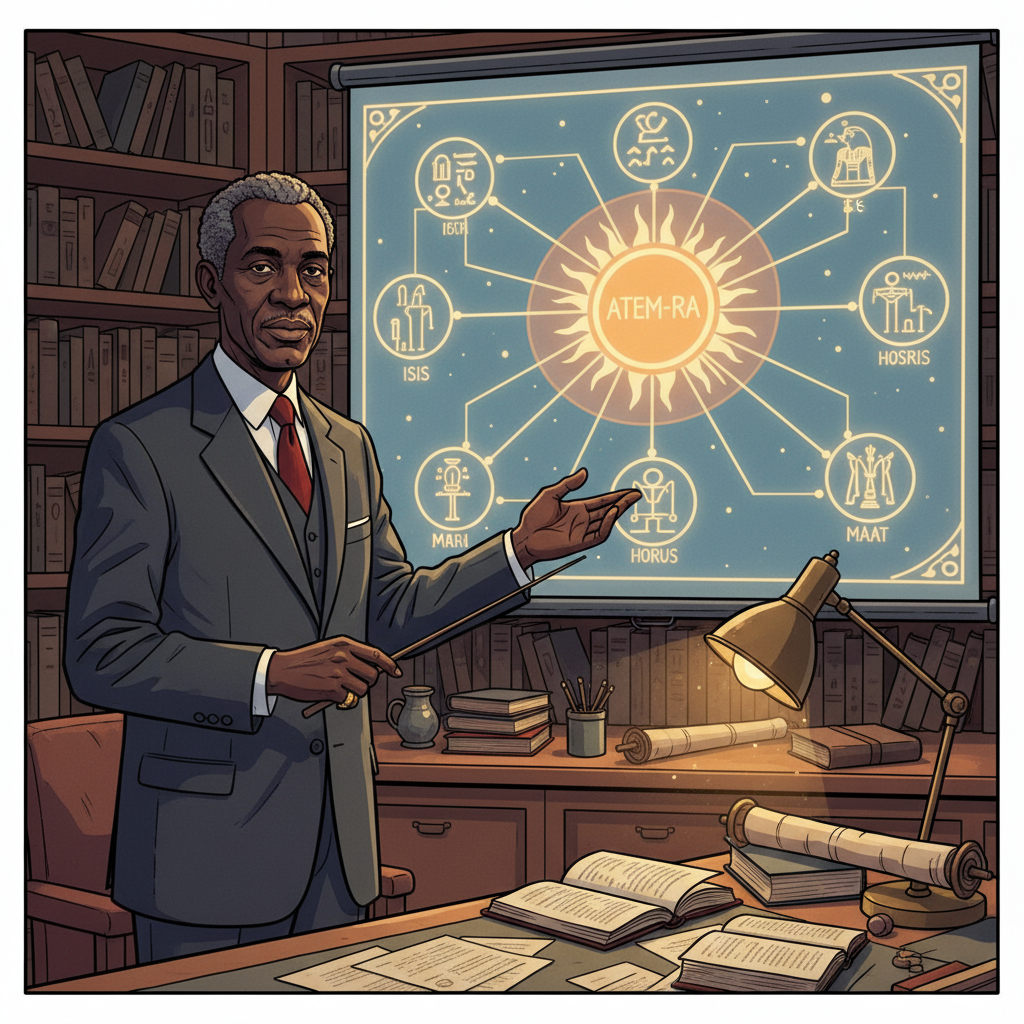
The esteemed scholar, Dr. Cheikh Anta Diop, a foundational figure in Afrocentric thought, meticulously demonstrated how Kemet possessed one of the earliest forms of what could be considered a monotheistic concept, long before it appeared in other civilizations. He argued that Ra, or Atum-Ra, represented the singular, ultimate creative force, the prime mover from whom all other aspects of divinity emanated. The various Netjeru were not separate 'gods' in the simplistic sense, but rather manifestations, principles, or functions of this singular cosmic consciousness. This complex theological system highlights Kemet's advanced spiritual and philosophical development.
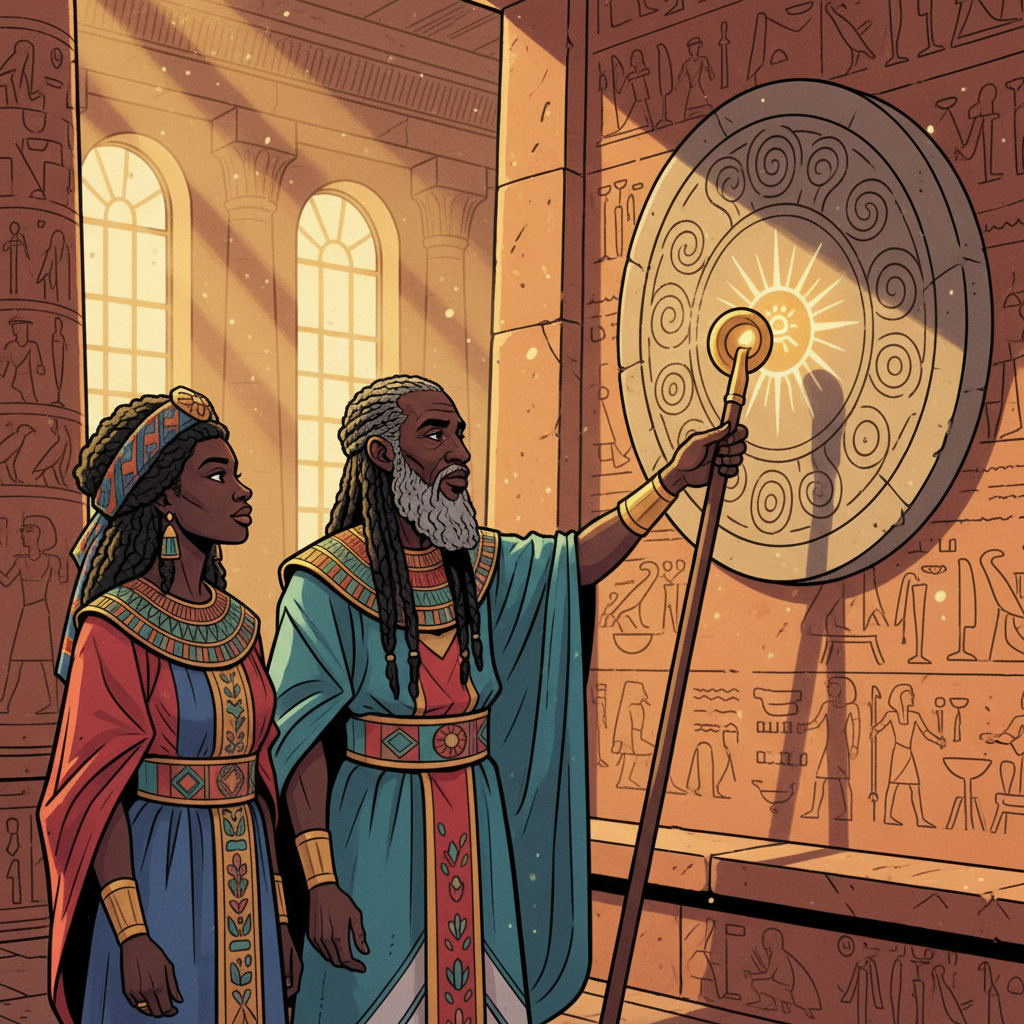
This perspective is crucial because it reframes our understanding. When we read a hymn to Ra, we are engaging with a testament to an overarching, unified principle, not a pantheon of squabbling deities. This concept of a singular, all-encompassing consciousness resonates deeply with the Maat principle of Truth, for truth itself is singular and universal, even if its manifestations are diverse. The Kemetic sages understood that beneath the multiplicity of phenomena lay a fundamental unity, a guiding intelligence that ordered the chaos, much like the sun brings order to the day.
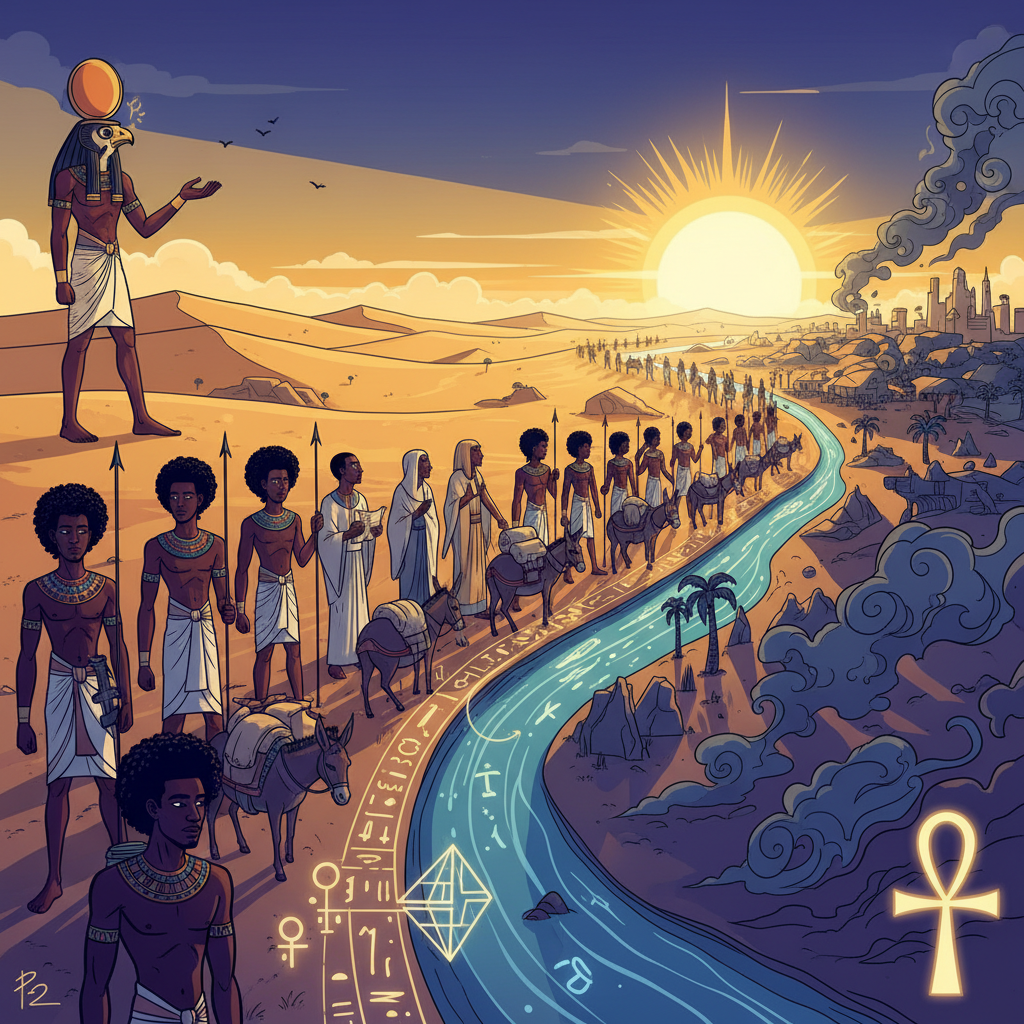
The daily journey of Ra across the sky, from his birth in the East, his majestic ascent to the zenith, and his descent into the Western horizon, symbolized the cyclical nature of life, death, and rebirth. But more profoundly, it symbolized the continuous process of knowing and becoming. As the light of Ra dispels the shadows of night, so too does knowledge dispel the shadows of ignorance. This wasn't a passive observation; it was an active engagement, a call for humanity to align its actions and understanding with this cosmic rhythm, to consciously choose Maat over Isfet in every thought and deed.
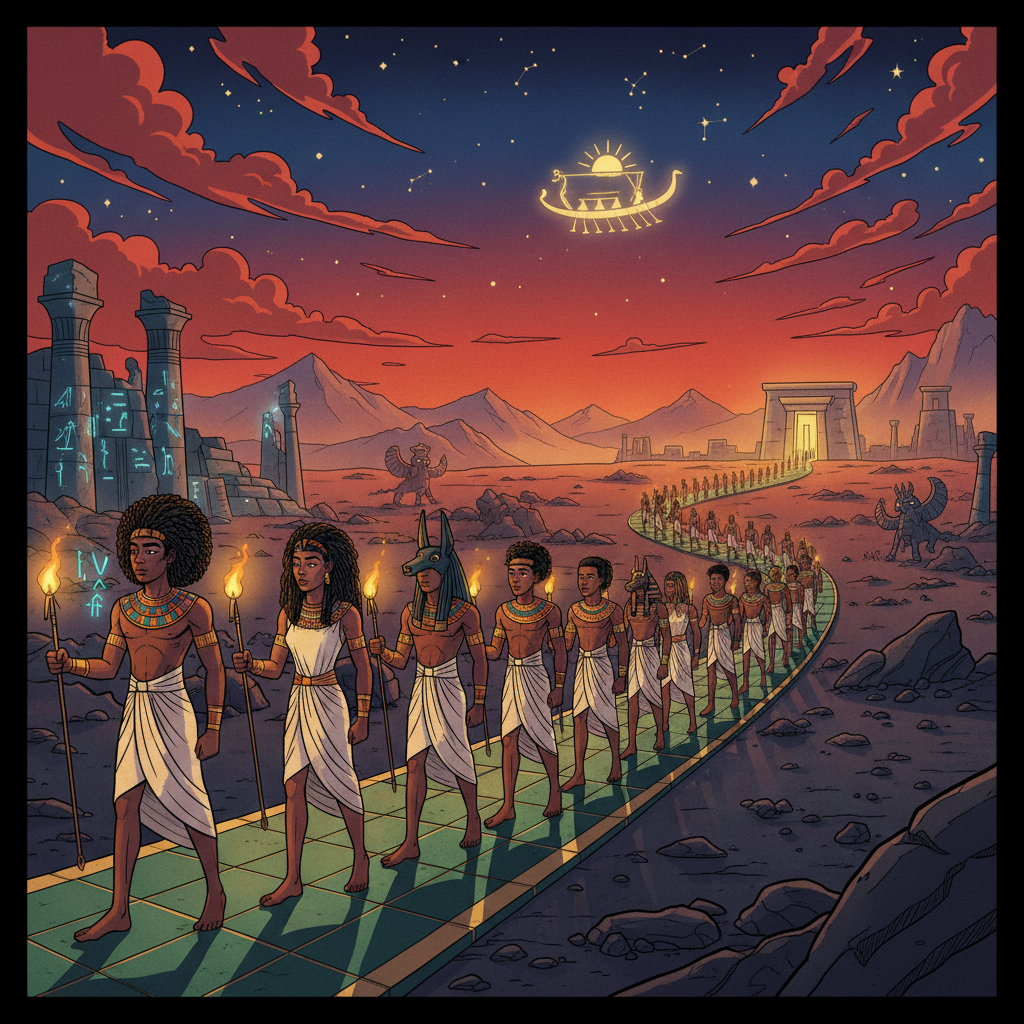
Indeed, the Kemetic view of Ra's journey through the Duat, the underworld, each night, represents the soul's passage through trials and transformations. It's a metaphor for introspection, for confronting one's own shadows and emerging purified and enlightened. This isn't a fearful journey but a necessary one for the soul's evolution. The hymns accompanying Ra through the Duat are spells of protection and affirmation, guiding the consciousness through the unknown, ensuring its triumphant rebirth each morning, mirroring the sun's inevitable return. This profound spiritual psychology underpinned their understanding of human purpose.
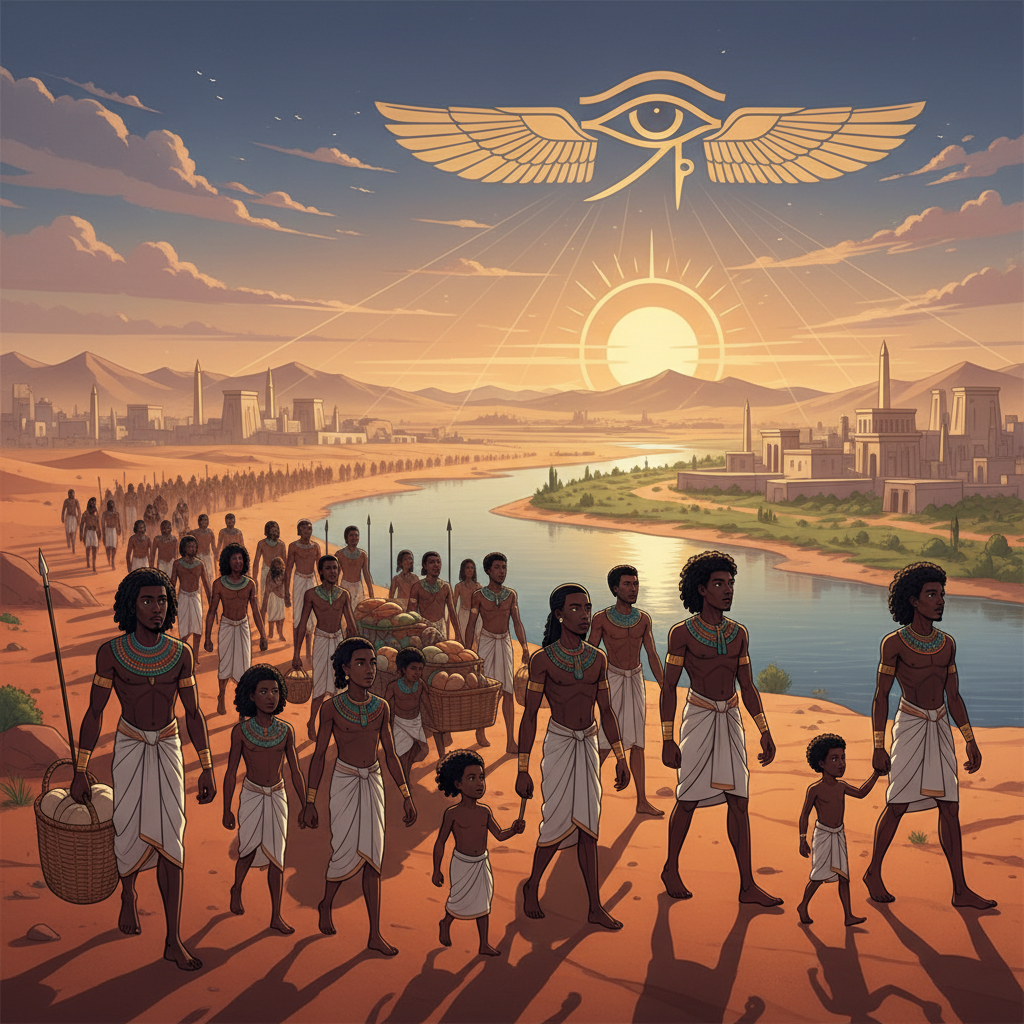
The concept of Ra's journey profoundly influenced the Kemetic understanding of human responsibility. If Ra, the cosmic consciousness, tirelessly maintains order, then humanity, made in the image of the divine, must also strive to uphold Maat in the terrestrial realm. This connection meant that personal actions had cosmic repercussions. A just society, a truthful utterance, an honest heart—these were not merely moral imperatives but active contributions to maintaining the very fabric of the universe. The individual’s inner light, their personal Ra, was a reflection of the greater cosmic light.
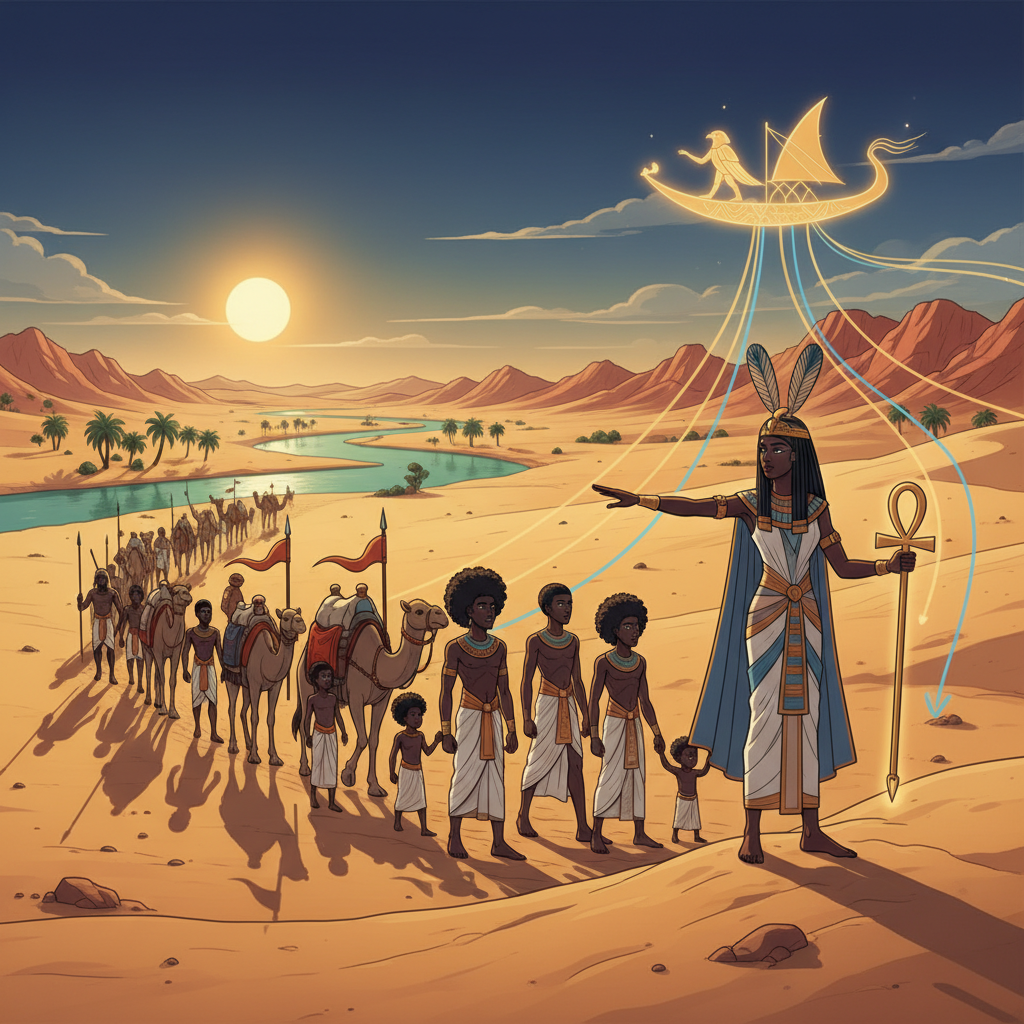
This is where the Maat principle of Truth becomes exquisitely clear. Truth, for the Kemites, was not just about factual accuracy; it was about alignment with the universal order. It was about living in harmony with the principles embodied by Ra’s daily journey. To speak truth, to act truthfully, was to participate in the cosmic dance of creation and order. To deviate from truth, to embrace deceit or injustice, was to introduce Isfet, chaos, into the world, thereby disrupting the delicate balance established by the primeval consciousness. The stakes were nothing less than the stability of existence.
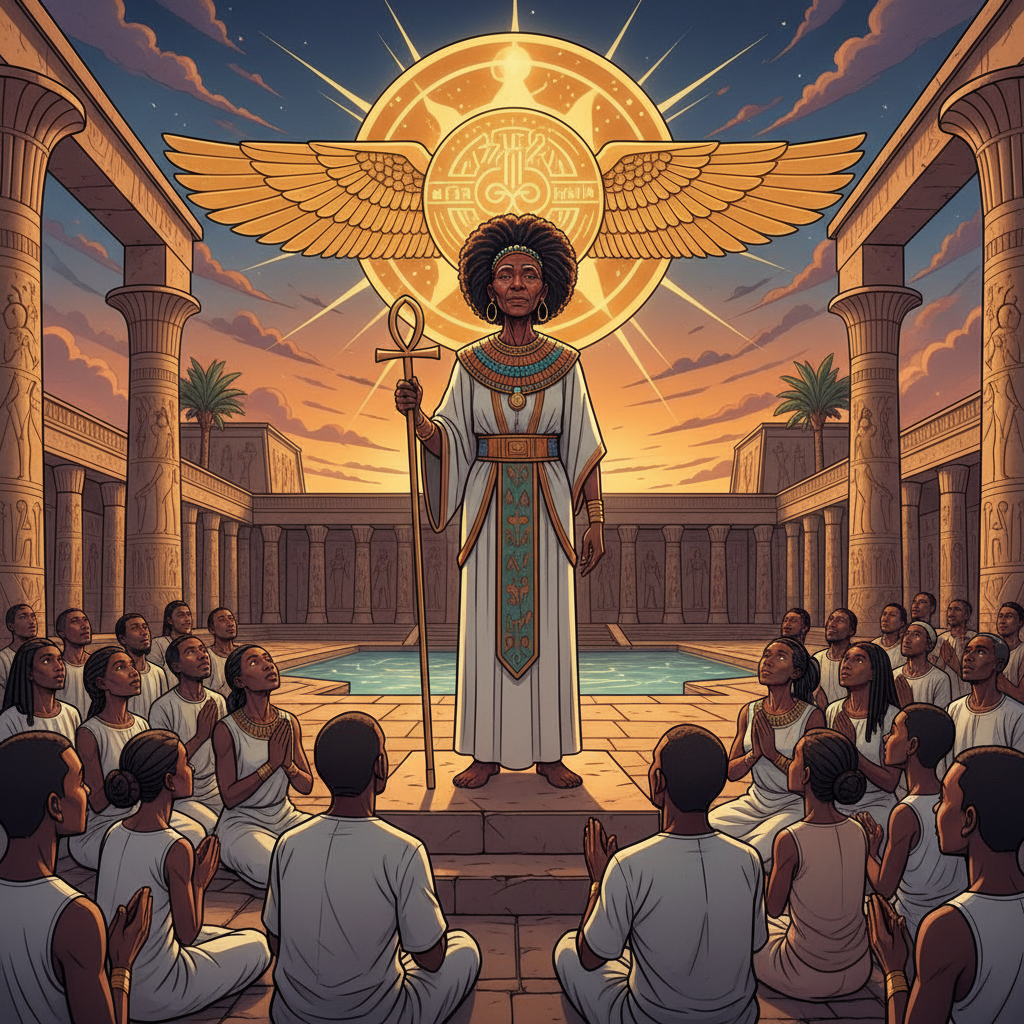
Let us now turn to one of the most sublime passages from the Pert em Heru, Chapter XV, a direct address to this magnificent principle. Listen closely to the words that have echoed through millennia, spoken by countless souls seeking alignment with the cosmic truth. This passage encapsulates the reverence and deep understanding our ancestors held for Ra, not just as a celestial body, but as the active, conscious force of creation and order. It is a testament to Kemet's profound philosophical insights into the nature of reality and our place within it, a reality illuminated by Ra.
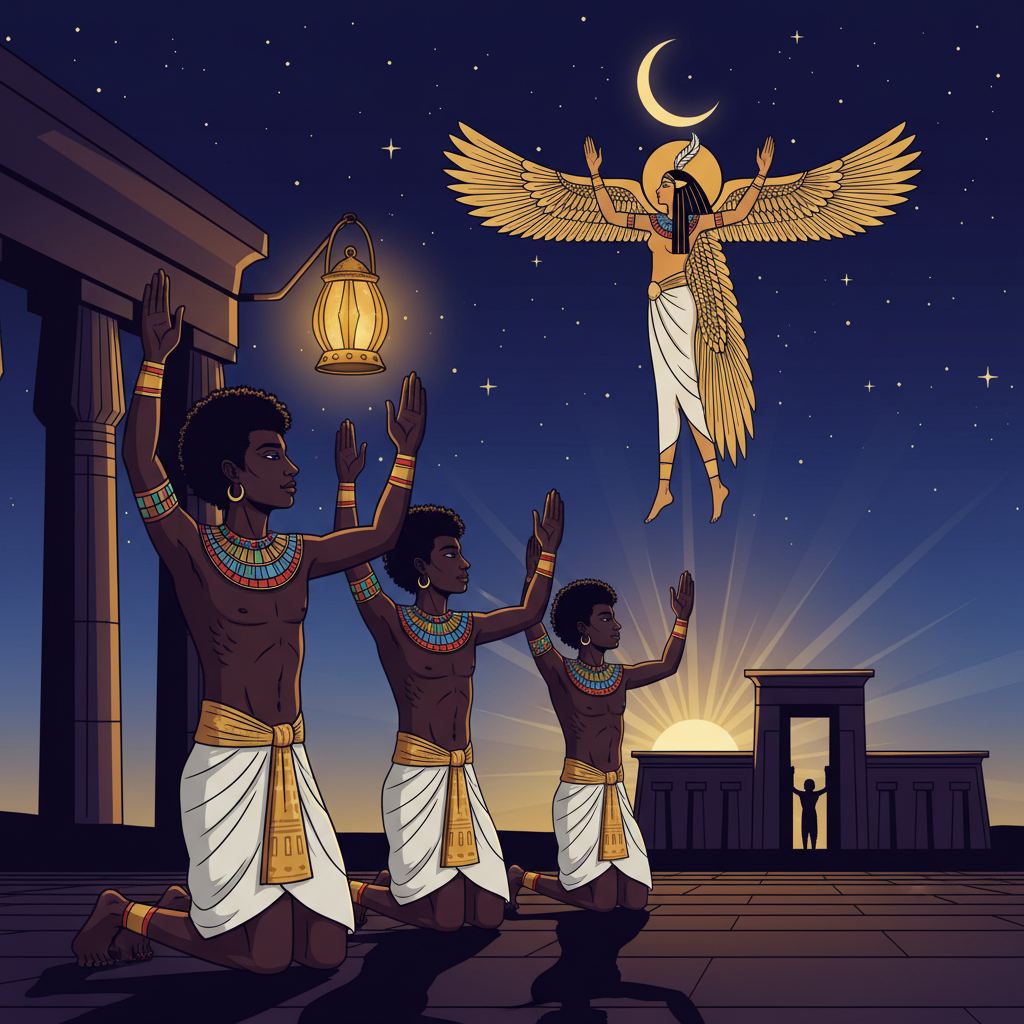
The text states: 'Homage to thee, O Ra, at thy beautiful rising! Thou risest, thou shinest, at the dawn of the day… Maat embraceth thee at all times.' This simple yet profound declaration is pregnant with meaning. 'Homage to thee, O Ra,' is not mere worship; it is an acknowledgment of the fundamental life-giving, truth-revealing power. 'Thou risest, thou shinest,' speaks to the inevitability and consistency of consciousness, its daily triumph over darkness. This consistency assures the world that order will prevail, and that truth will always be revealed, just as the sun always rises.
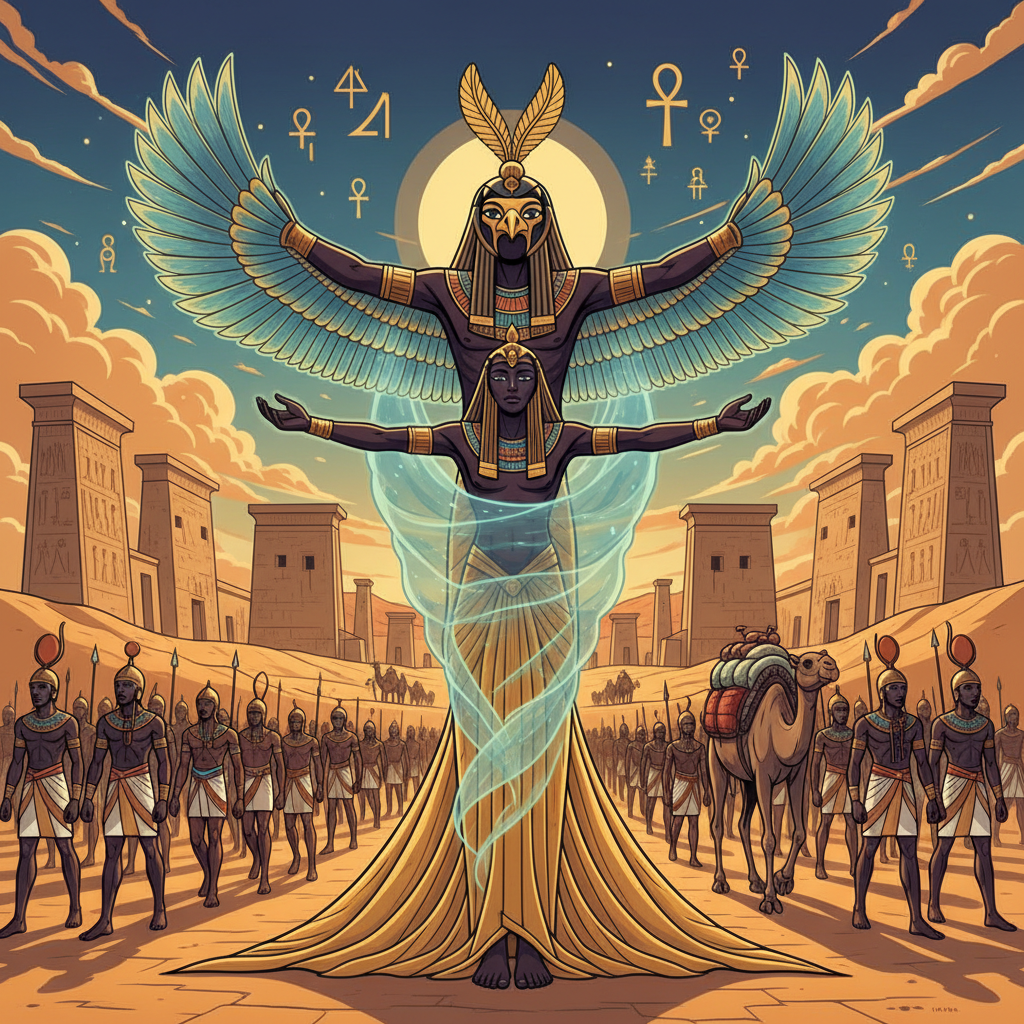
But the final phrase, 'Maat embraceth thee at all times,' is the intellectual gem. It signifies an inseparable, eternal bond. Ra, as cosmic consciousness, is perpetually enveloped and guided by Maat, the principle of truth, justice, righteousness, and cosmic order. This means that the very act of creation, the very illumination of existence, is inherently truthful and ordered. There is no aspect of Ra’s being or journey that is outside the bounds of Maat. It’s a radical statement: consciousness itself is rooted in truth, and cannot exist without it. This elevates Maat to a primary, foundational principle of the universe.
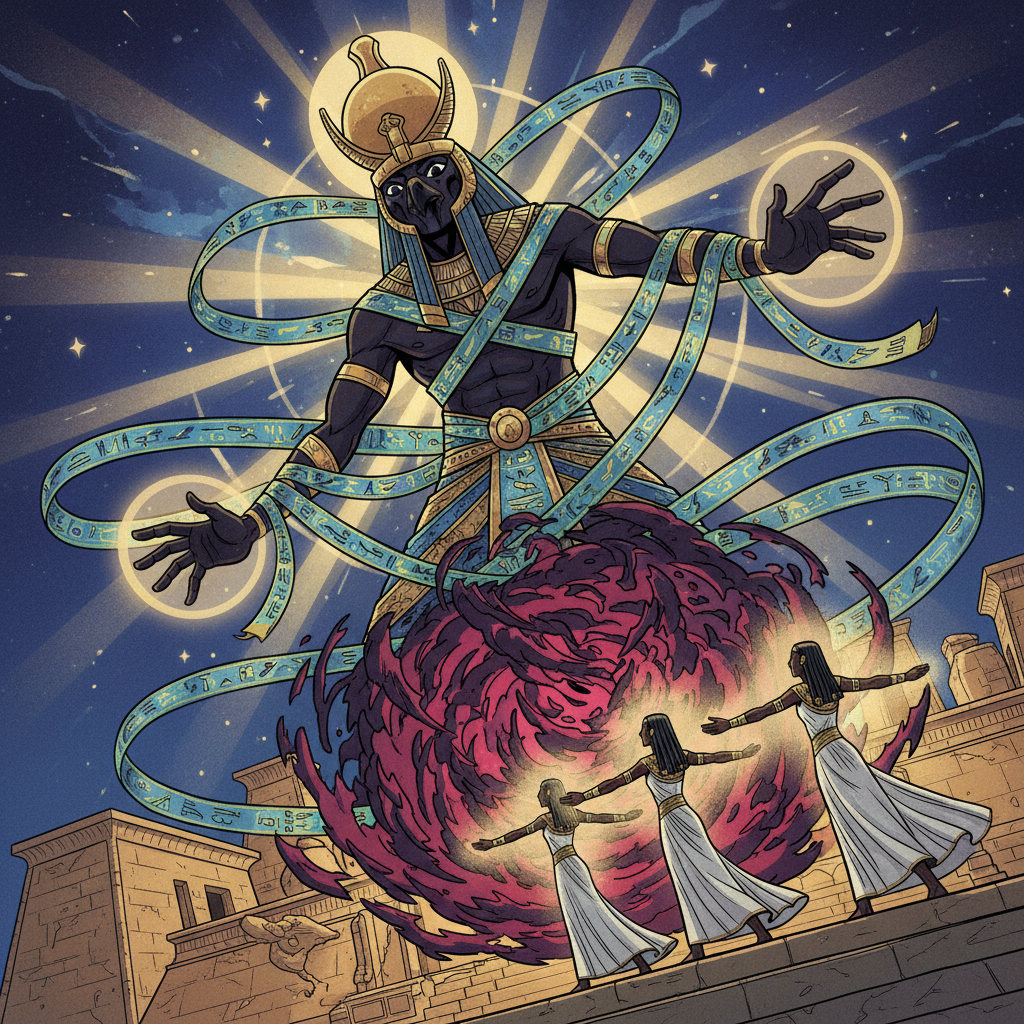
This understanding challenges the notion of a fickle or arbitrary deity. Instead, Ra operates within, and is defined by, the immutable laws of Maat. This implies that the universe is fundamentally rational, orderly, and just. For us, as individuals, it means that our own consciousness, our own inner Ra, is also meant to be embraced by Maat. Our thoughts, our words, our deeds—all should align with this inherent cosmic truth. To live in Maat is to live in harmony with the ultimate nature of reality, to resonate with the very pulse of creation. This is the profound implication of Ra and Maat’s eternal embrace.
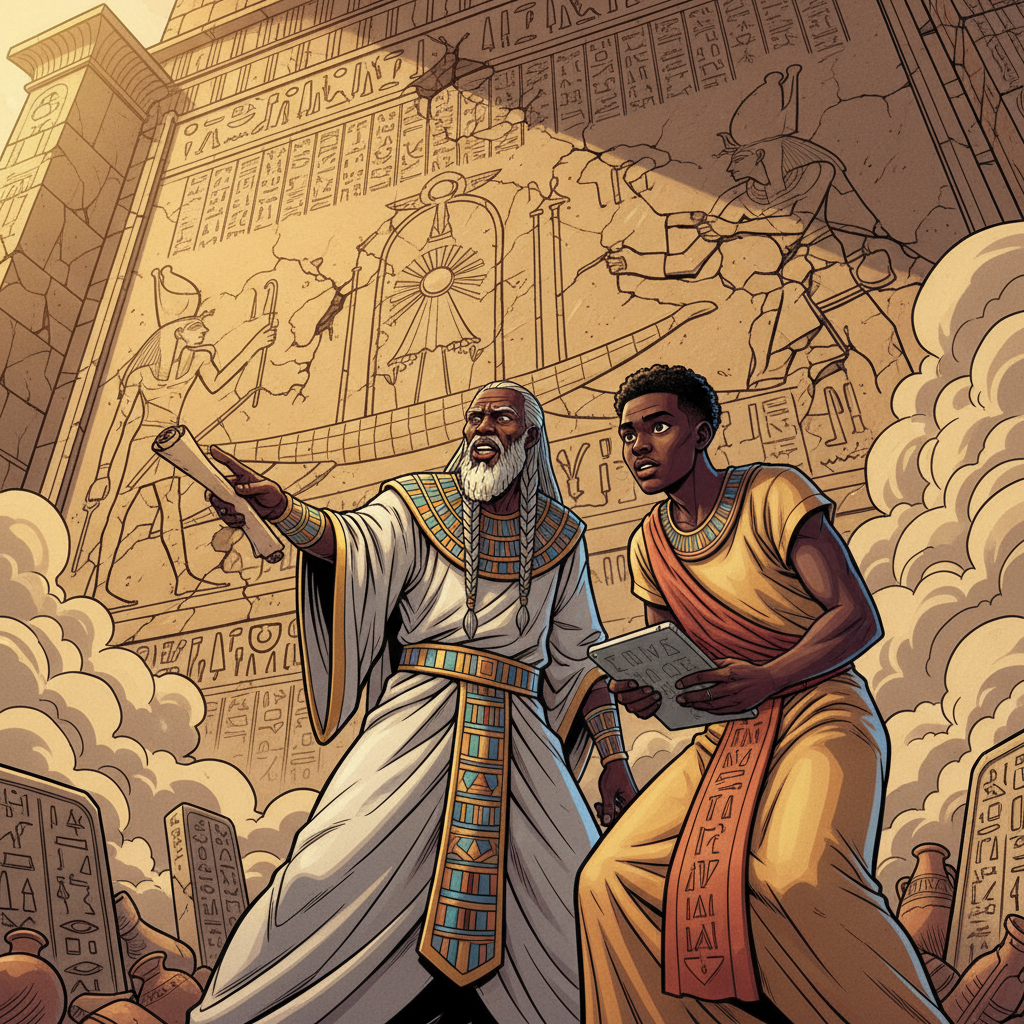
Such sophisticated philosophical concepts from Kemet are often overlooked or attributed to later civilizations. However, scholars like Dr. Jacob Carruthers and Dr. Asa Hilliard III dedicated their lives to unveiling the deep intellectual connections between ancient Kemet and subsequent world philosophies. They demonstrated how many Greek thinkers, often hailed as the originators of philosophy, actually studied in Kemet for decades, absorbing these very ideas about cosmic order, the nature of truth, and the illumination of consciousness. Kemet was the wellspring, not a mere tributary, of ancient thought.
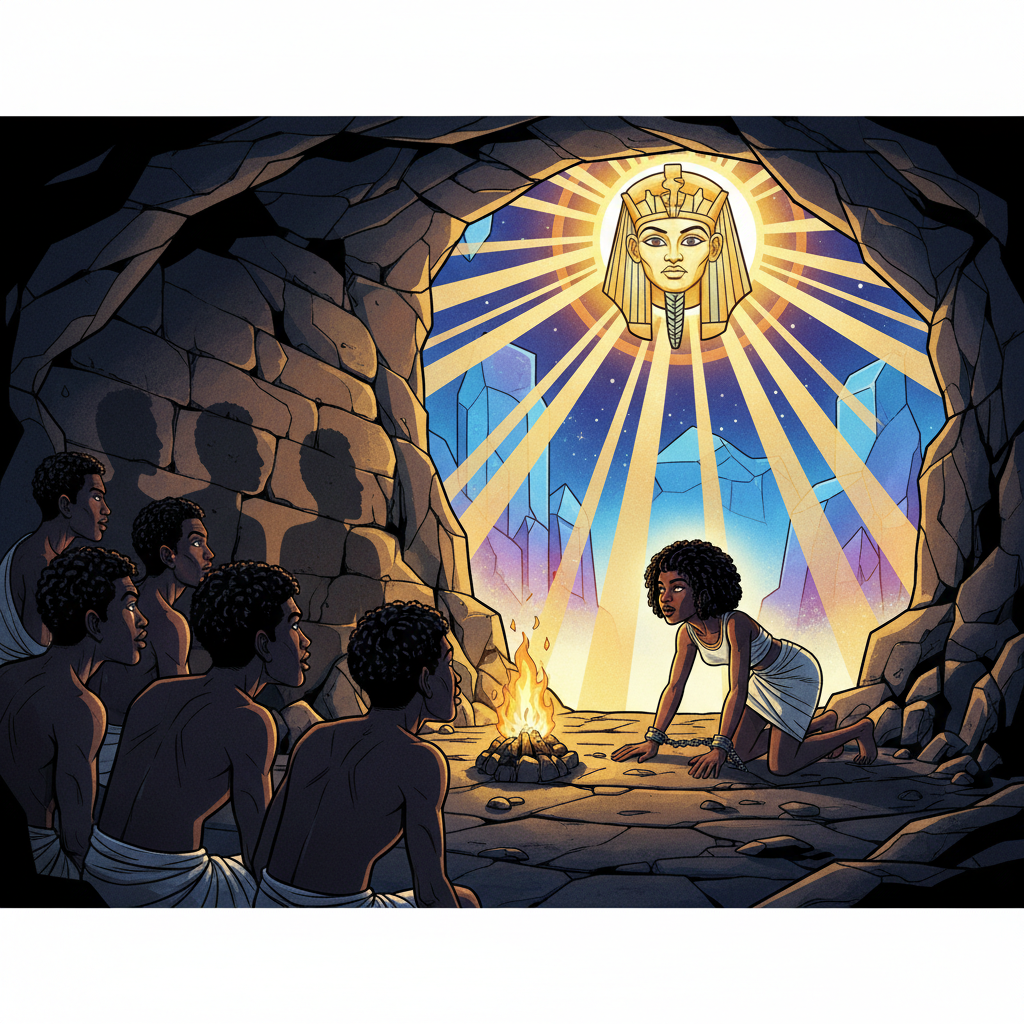
Consider Plato’s famous 'Allegory of the Cave,' where prisoners mistake shadows for reality until one escapes into the sunlight, experiencing true forms and knowledge. This allegory, central to Western philosophy, bears striking resemblance to the Kemetic journey of consciousness from the darkness of ignorance into the light of Ra, the light of understanding. The 'sun' in Plato's allegory functions precisely as Ra does in Kemetic thought: the ultimate source of illumination, truth, and genuine existence. It is not a coincidence; it reflects a clear intellectual lineage that passed from the Nile Valley to the Aegean Sea.
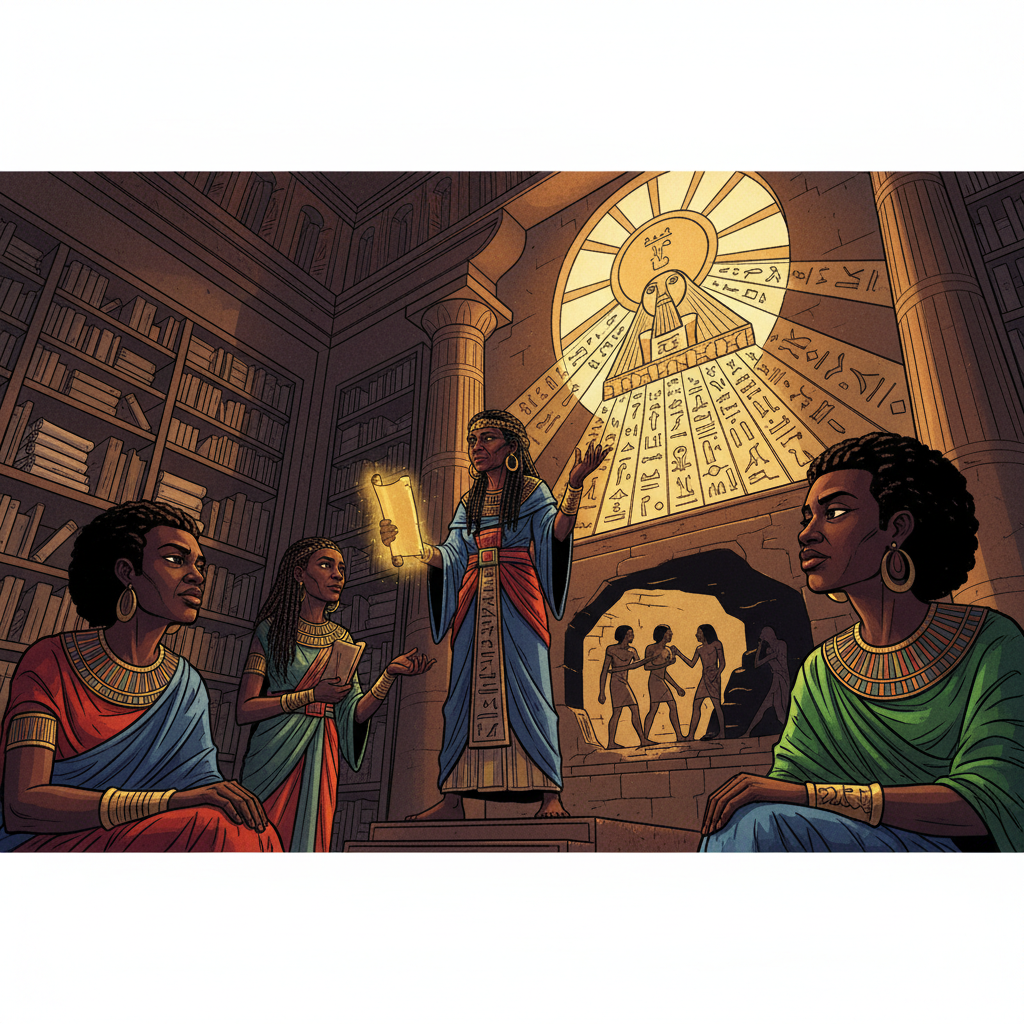
This is not to diminish the contributions of other cultures, but to properly situate Kemet at the forefront of human intellectual development. Their profound insights into cosmology, ethics, and the nature of consciousness were revolutionary. The 'Hymns to Ra' are not just religious texts; they are philosophical treatises, guiding principles for living a life aligned with truth and cosmic order. They are a testament to an African civilization that developed a comprehensive system for understanding the universe and humanity’s place within it, a system centered on the active pursuit of wisdom.
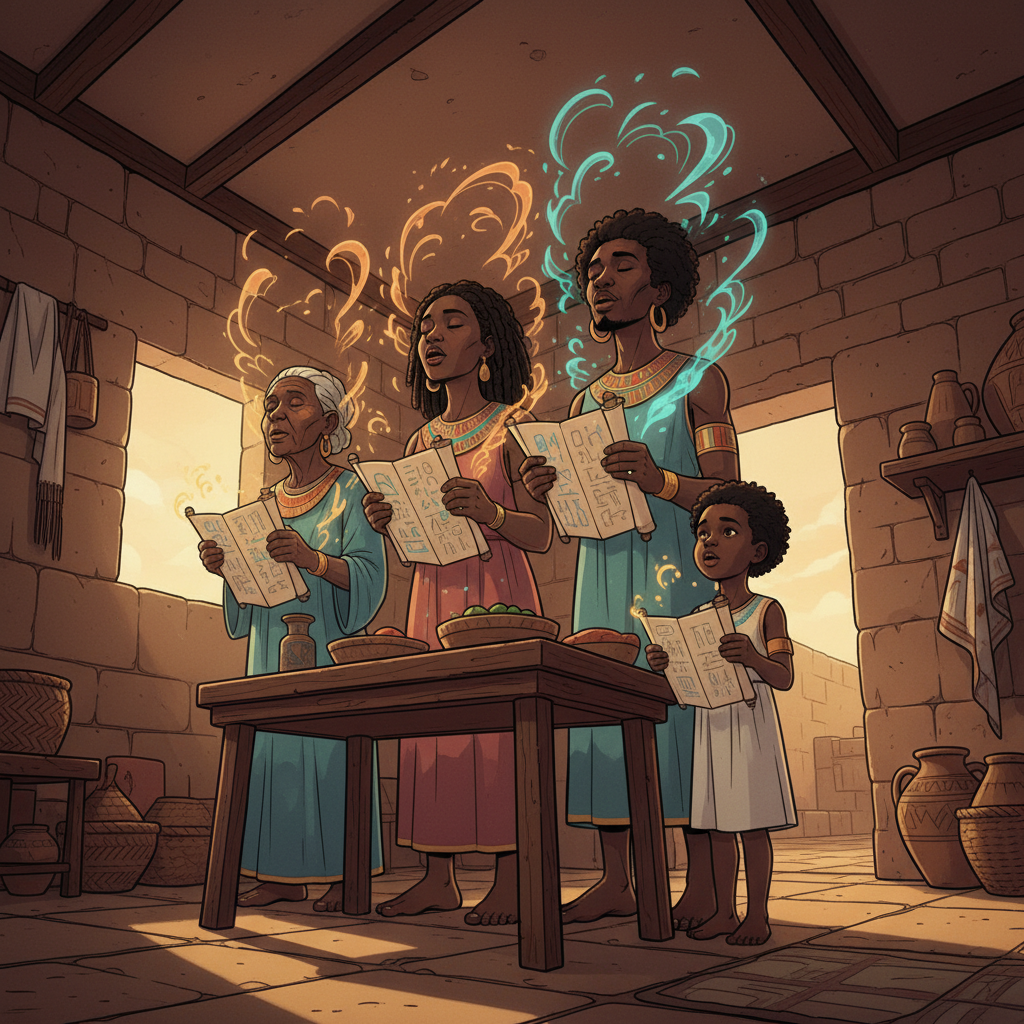
The daily recitation of these hymns, whether in the grand temples or by individuals in their homes, was a spiritual practice designed to align the devotee's consciousness with Ra's journey. It was a conscious act of affirming Maat, of inviting the light of truth into one's being, and of strengthening the resolve to live justly. This was not a passive faith, but an active, daily recommitment to the highest ideals. The words themselves, imbued with Heka, or divine power, were believed to have a transformative effect, shaping the mind and soul of the practitioner.
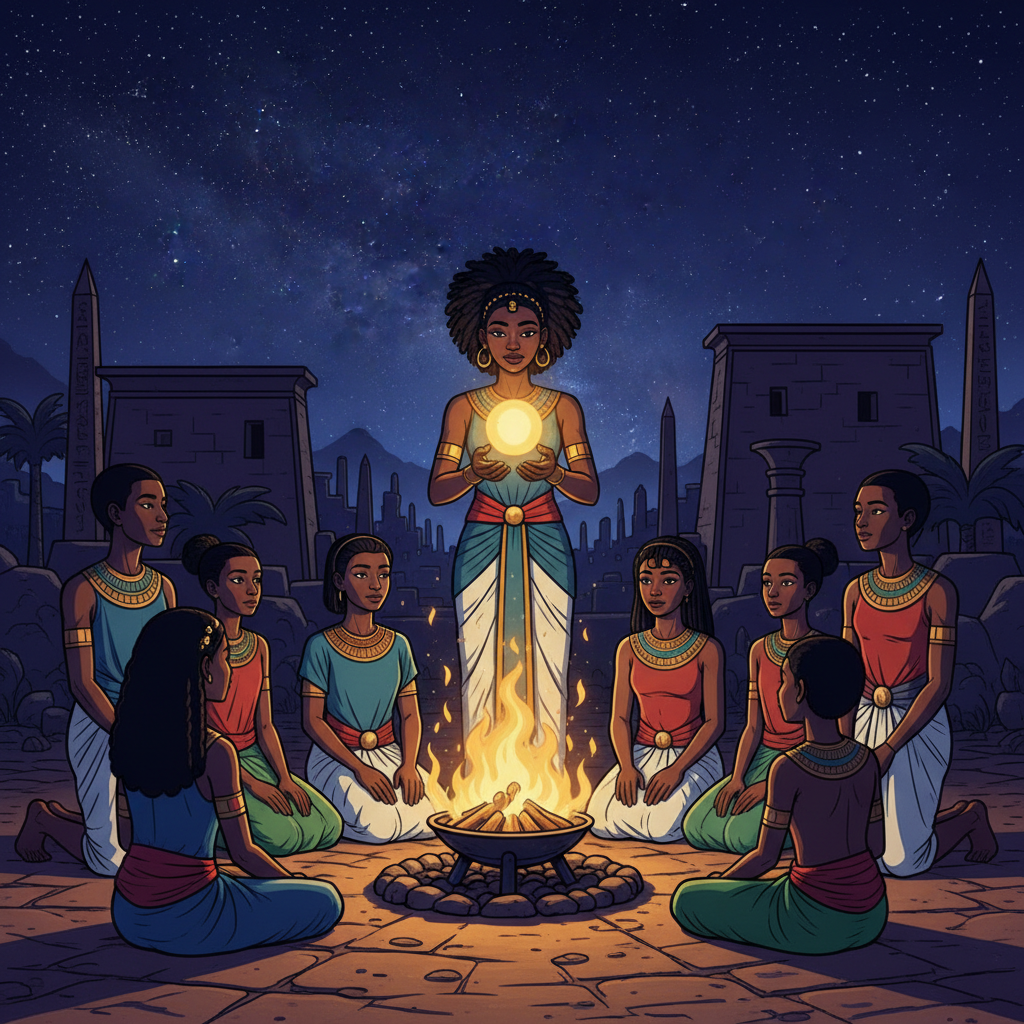
So, when we speak of Ra, we are speaking of the animating force of the universe, the consciousness that allows for all perception, all understanding, all truth. We are speaking of the ultimate source of Maat itself. The challenge presented by the Hymn to Ra is not simply to observe the sun, but to become like the sun—to bring light, clarity, and order to our own lives and to the world around us. It is a call to be a beacon of truth, dispelling the darkness of ignorance and injustice with the radiant power of awareness and ethical action.
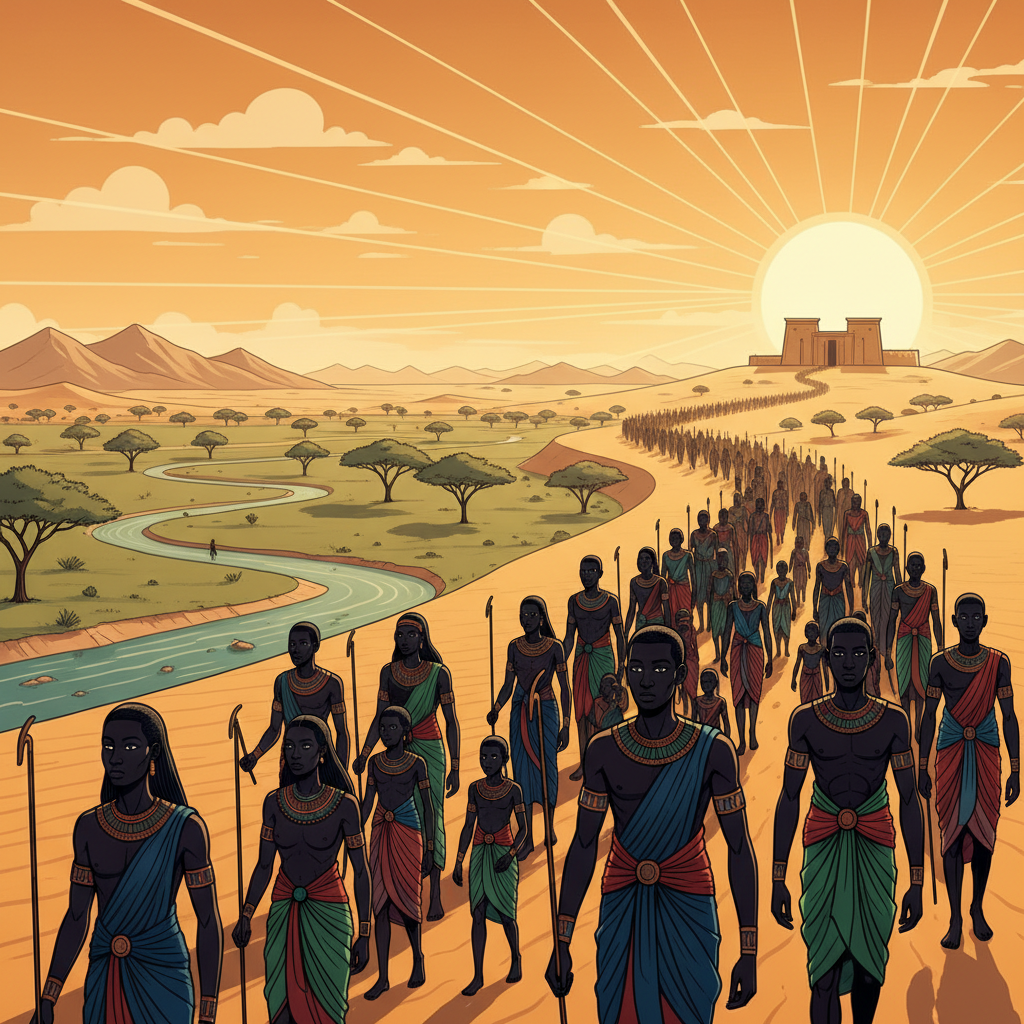
This is the true legacy of the Pert em Heru, not a book for the dead, but a guide for the living. It teaches us how to navigate the journey of life, how to confront our inner shadows, and how to emerge into the light of profound understanding, reborn each day in alignment with Maat. The Hymns to Ra are an instruction manual for cultivating a consciousness that is aware, truthful, and actively contributes to cosmic order. They invite us to participate in the grandest of all journeys: the journey of enlightenment.
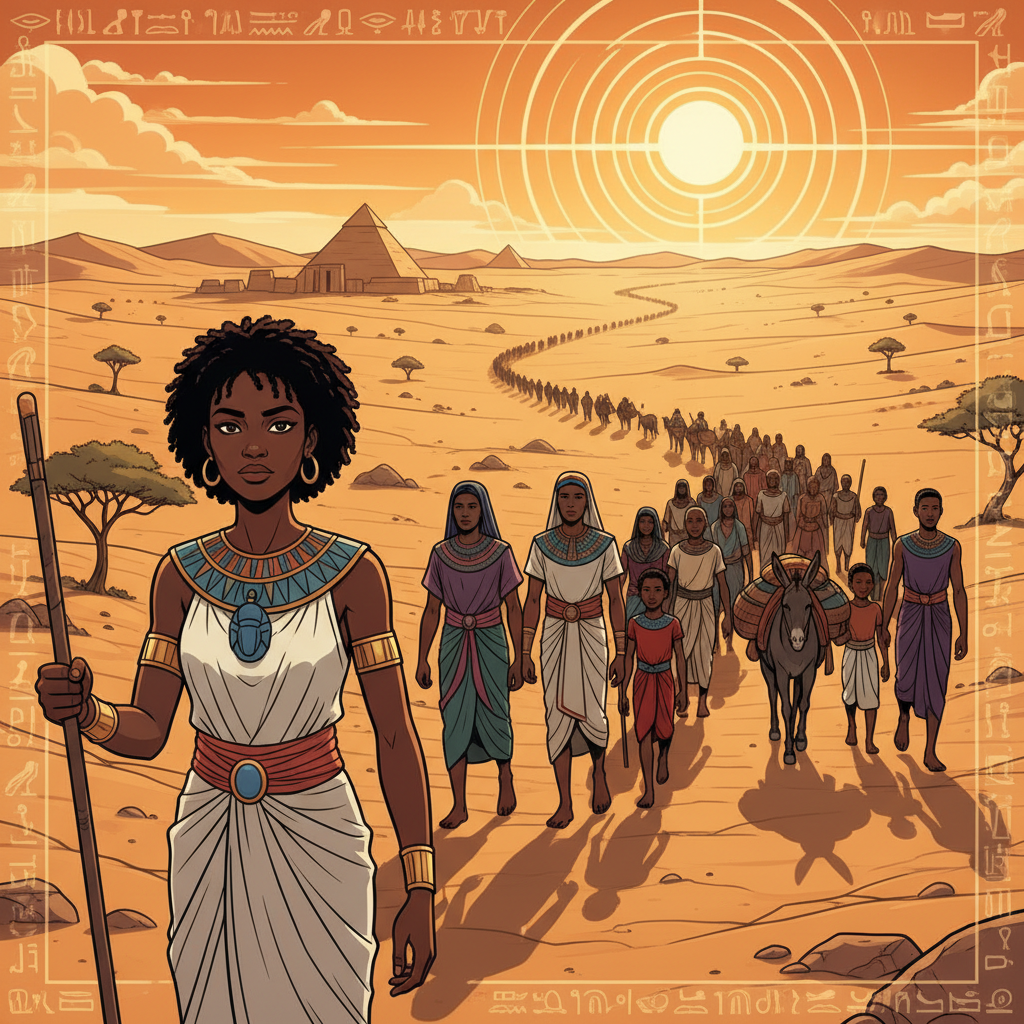
You, my student, are now equipped with this deeper lens through which to view the wisdom of Kemet. Remember, the path of Maat is a continuous one, demanding constant vigilance and sincere dedication. The light of Ra is always there, but it is our choice to open our eyes and truly see, to allow its truth to illuminate our minds and guide our hearts. Carry this understanding with you, let it inform your perceptions, and let the cosmic embrace of Maat be your constant companion as you continue your own journey toward mastery.
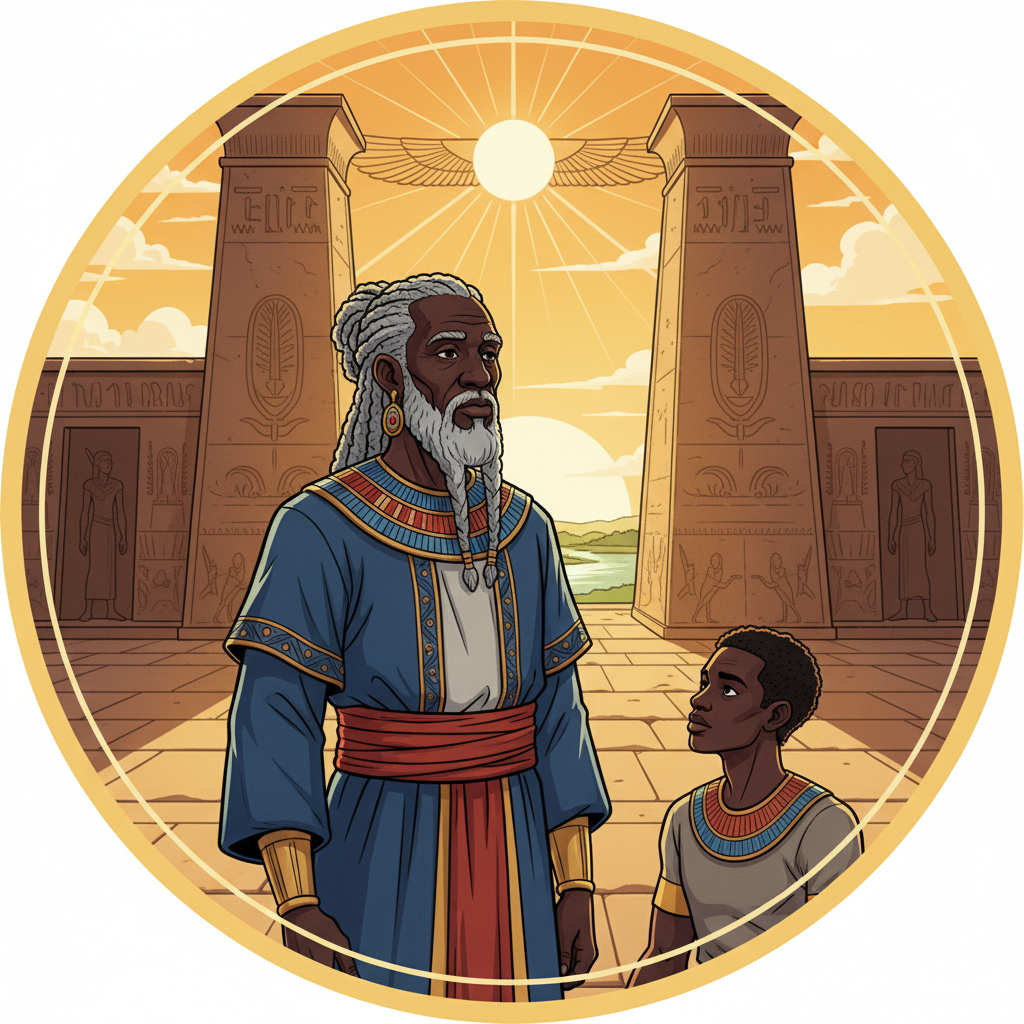
This profound understanding of Ra, as the embodiment of consciousness and cosmic order, is not just ancient history; it is a timeless principle. It reminds us that truth is not something external to be discovered, but an intrinsic quality of existence that we must align with. The daily cycle of Ra serves as a perpetual lesson: confront darkness, embrace light, embody Maat. This is the enduring message from the temples of Kemet, a message that continues to resonate with powerful relevance for all who seek to live a life of purpose, integrity, and genuine wisdom in our complex world.