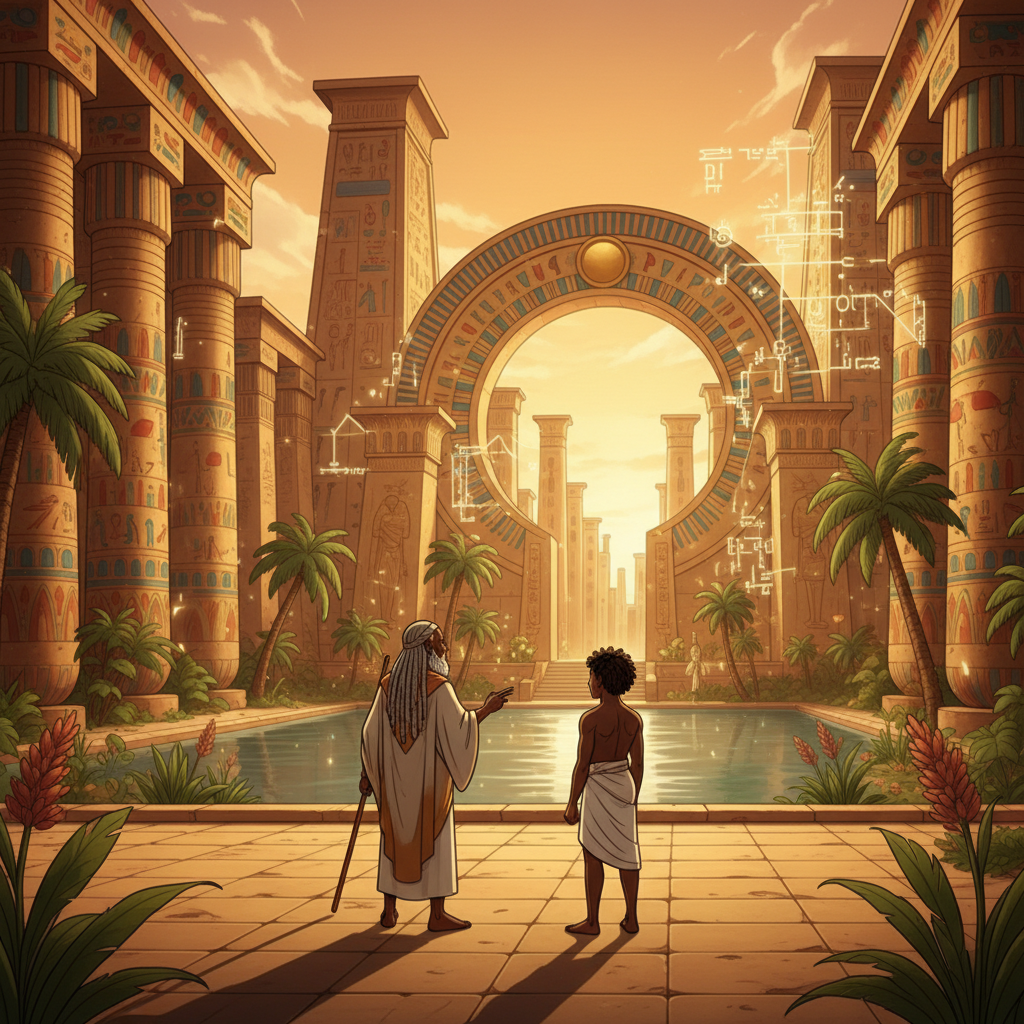
My dear student, you have walked the path of Maat with diligence and an open mind. You have earned the right to hear secrets that were once reserved for initiates within the Per Ankh, the House of Life. We spoke before of Ani's journey through the Duat, and how he faced trials requiring not just courage, but profound knowledge. Today, we delve into one of the deepest philosophical insights of Kemet: the power inherent in a name, and how language itself is the architecture of reality. This is not mere magic, as some misunderstand; it is the fundamental theory of how we perceive, categorize, and even create our world. The ancient Kemites understood that words are not passive labels, but active forces, shaping our experience and our understanding of the cosmos. This foundational concept, known as Heka, predates much of what modern thought considers "new" in linguistics and philosophy by millennia. It is a testament to the profound intellectual heritage of our ancestors.
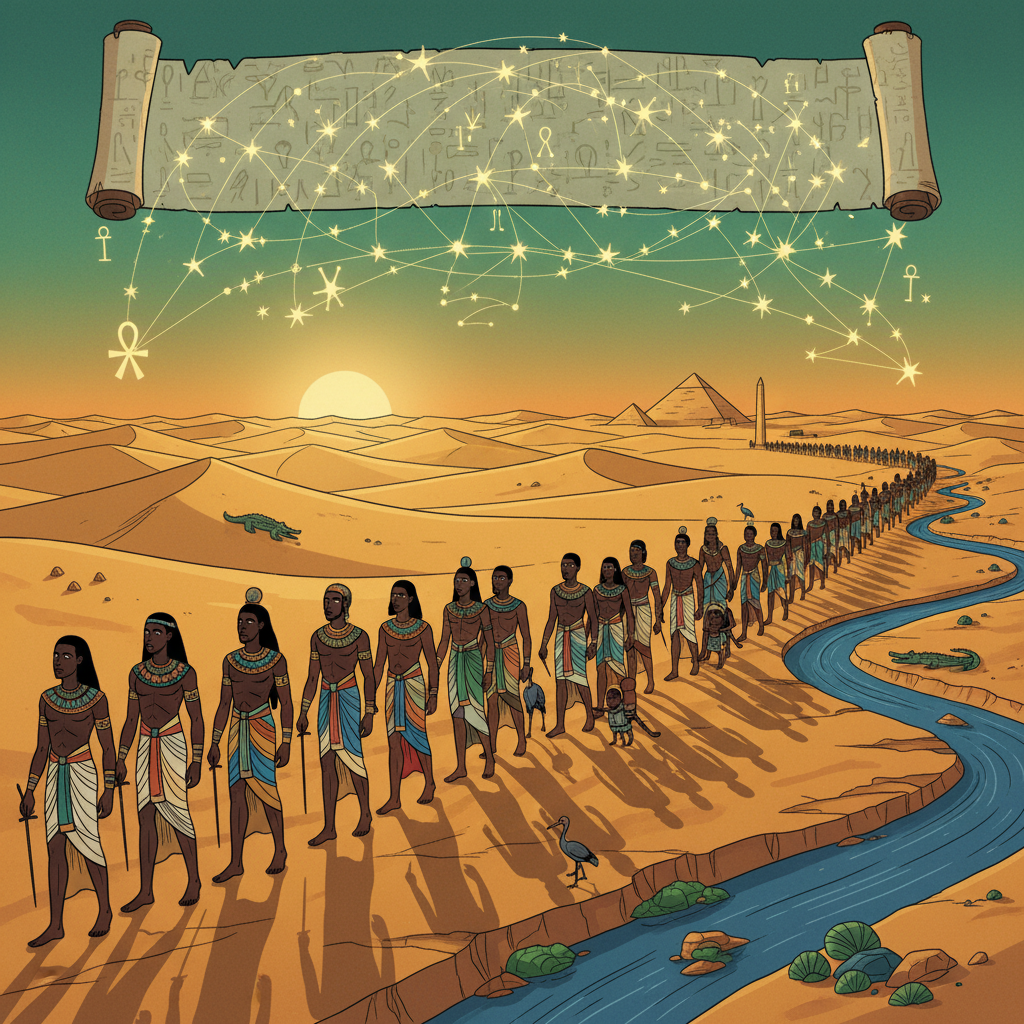
Consider the concept of Ren, the name. In Kemet, your Ren was far more than a label; it was an intrinsic part of your being, your essence. To know someone's Ren was to know their very nature, their destiny, their place within the ordered universe. This understanding extended beyond people to all things: the Neteru, the animals, the rivers, the very stars. Each possessed a Ren, a unique identifier that connected it to the grand tapestry of creation. When Ani journeyed through the Duat, he wasn't just asked to recognize faces; he was tested on his knowledge of the Ren of each guardian, each gate, each passage. This wasn't a trivial memory test; it was an assessment of his spiritual and intellectual mastery, his capacity to understand the underlying structure of reality. Without this knowledge, progress was impossible, for ignorance rendered one powerless.
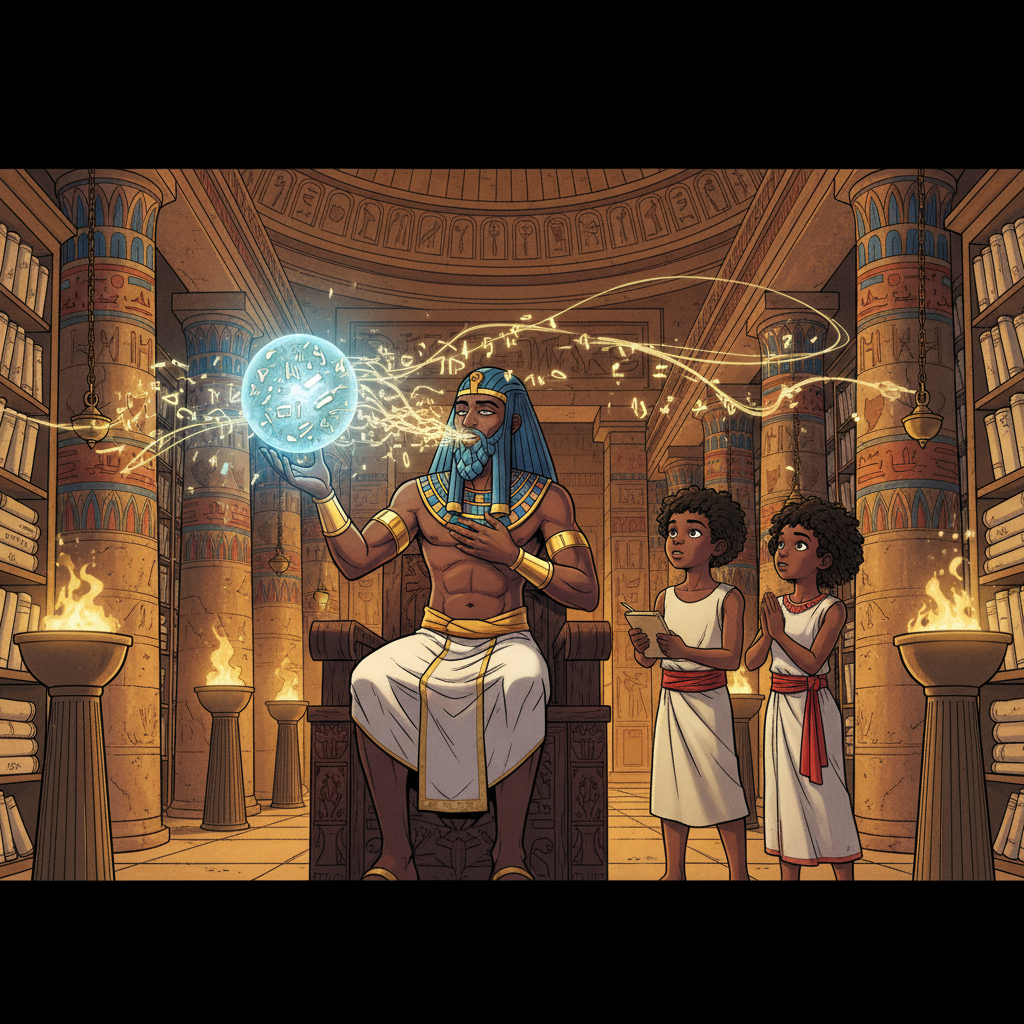
The Kemetic understanding of language as a dynamic, generative force is a profound contribution to human thought. It asserts that our words do not merely describe an existing reality, but actively participate in its formation. Think about it: before we have a word for a concept, does that concept truly exist in the same way? The act of naming brings something into being within our consciousness and, by extension, within the shared human experience. This is the essence of Heka – the divine power of the creative utterance. The Neter Ptah, for instance, is often depicted as creating the world not through physical action, but through thought and speech. He conceives an idea in his heart, expresses it with his tongue, and it becomes manifest. This is the ultimate expression of Heka at a cosmic scale, demonstrating that consciousness and language are foundational to existence itself.
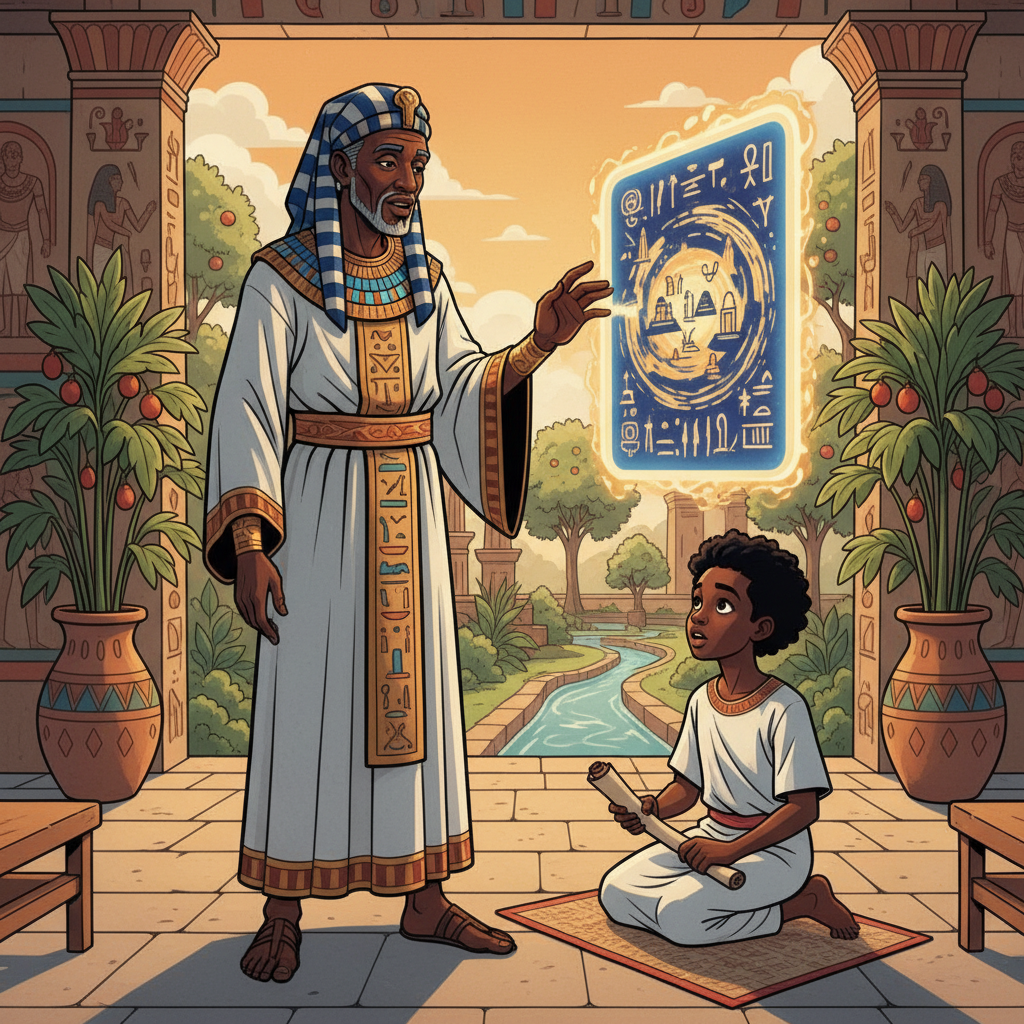
This idea isn't unique to Kemet, but Kemet articulated it with unparalleled clarity and philosophical depth. Many African intellectual traditions share this view of language as a powerful, living entity. The renowned scholar Theophile Obenga, in his seminal works on African philosophy, meticulously demonstrates how this understanding of language as an active force, a "verbal creative power," is a cornerstone of ancient African thought. He shows how this perspective deeply contrasts with Western philosophical traditions that often view language as a secondary system for representing a pre-existing, objective reality. For us, reality is not merely observed; it is, in part, constructed through our naming and conceptualization. This makes the act of speaking, of teaching, of learning, a sacred and profound responsibility.
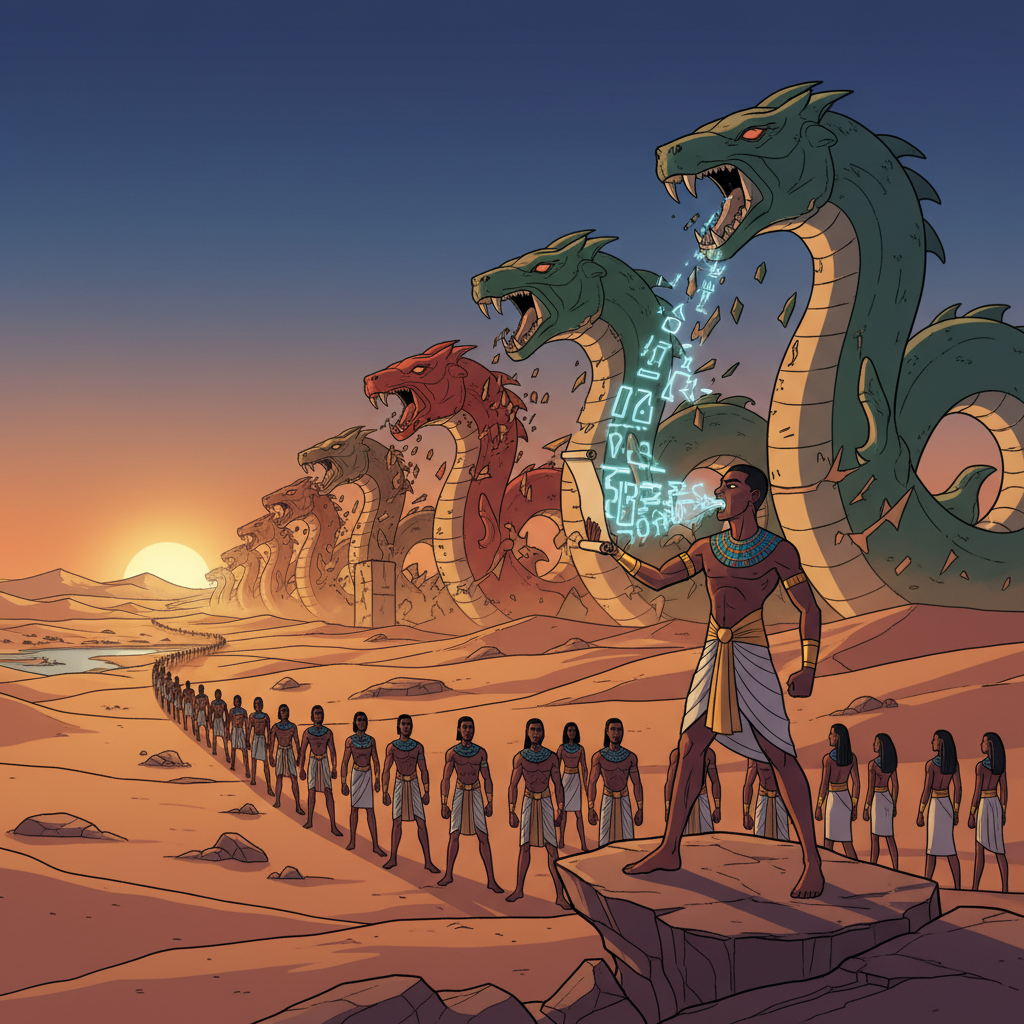
Let us consider the practical application of this principle within the context of Ani's journey. He faces terrifying serpents, monstrous guardians, and perilous pathways. Each of these entities has a Ren. By knowing and uttering its correct Ren, Ani isn't just identifying it; he is asserting his understanding of its nature and, thereby, his mastery over it. This is not about uttering a "magic word" in the simplistic sense. It's about intellectual and spiritual alignment. If you truly understand the nature of a challenge, if you can name its components, its origins, its weaknesses, you gain a profound advantage. You move from being a passive observer to an active agent, capable of navigating and influencing your environment. This is the power that knowing the Ren unlocks, transforming fear into understanding, and understanding into control.
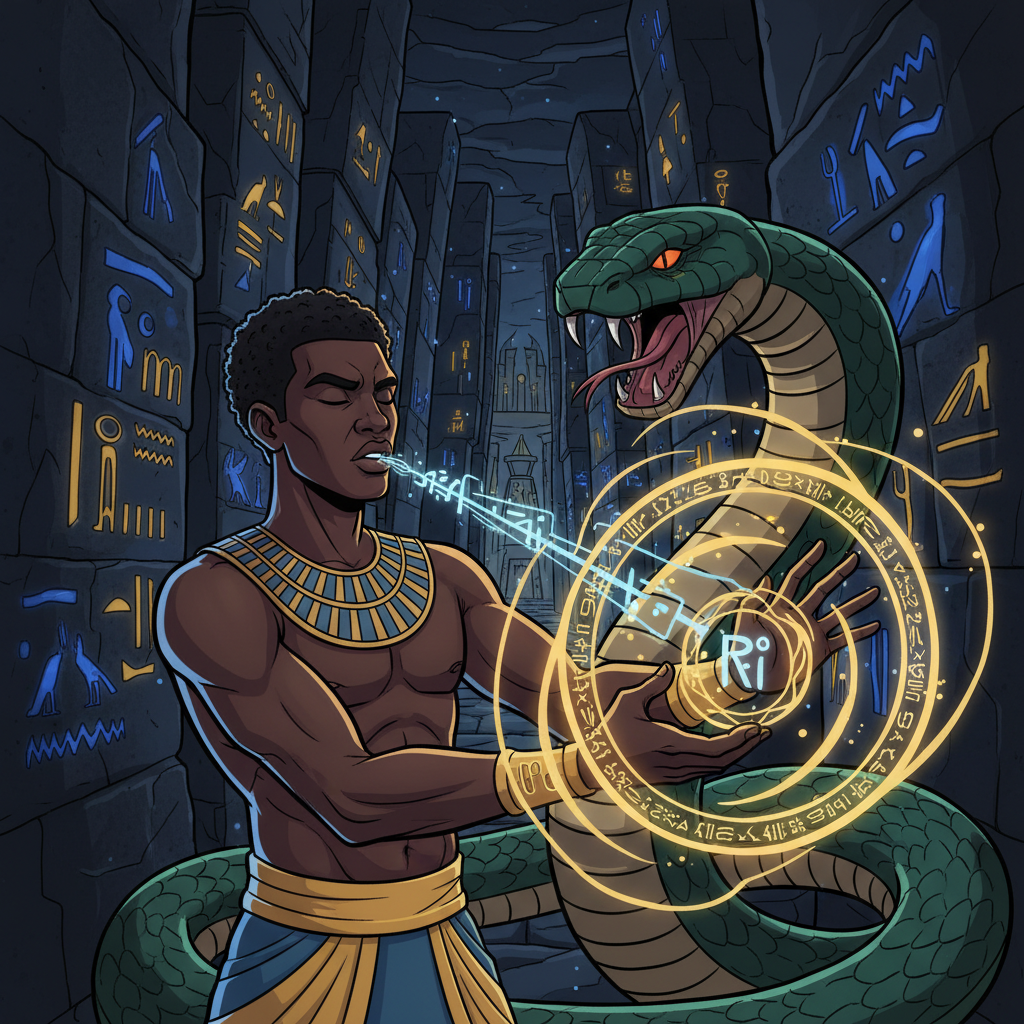
The concept of Heka, often translated simply as "magic," is far more sophisticated. It is the active principle of creation, the force that gives efficacy to words and actions. It is the energy that allows thought to become reality. When Ani speaks the Ren of a guardian, he is not merely recalling a word; he is activating Heka, the creative power inherent in that word, to align the entity with Maat, or at least to neutralize its potential for Isfet. This Heka is not external; it resides within the speaker, cultivated through knowledge, wisdom, and alignment with cosmic order. It is the very foundation of ritual, of prayer, of all meaningful human expression. Without Heka, words are empty sounds; with it, they are potent forces capable of shaping destiny.
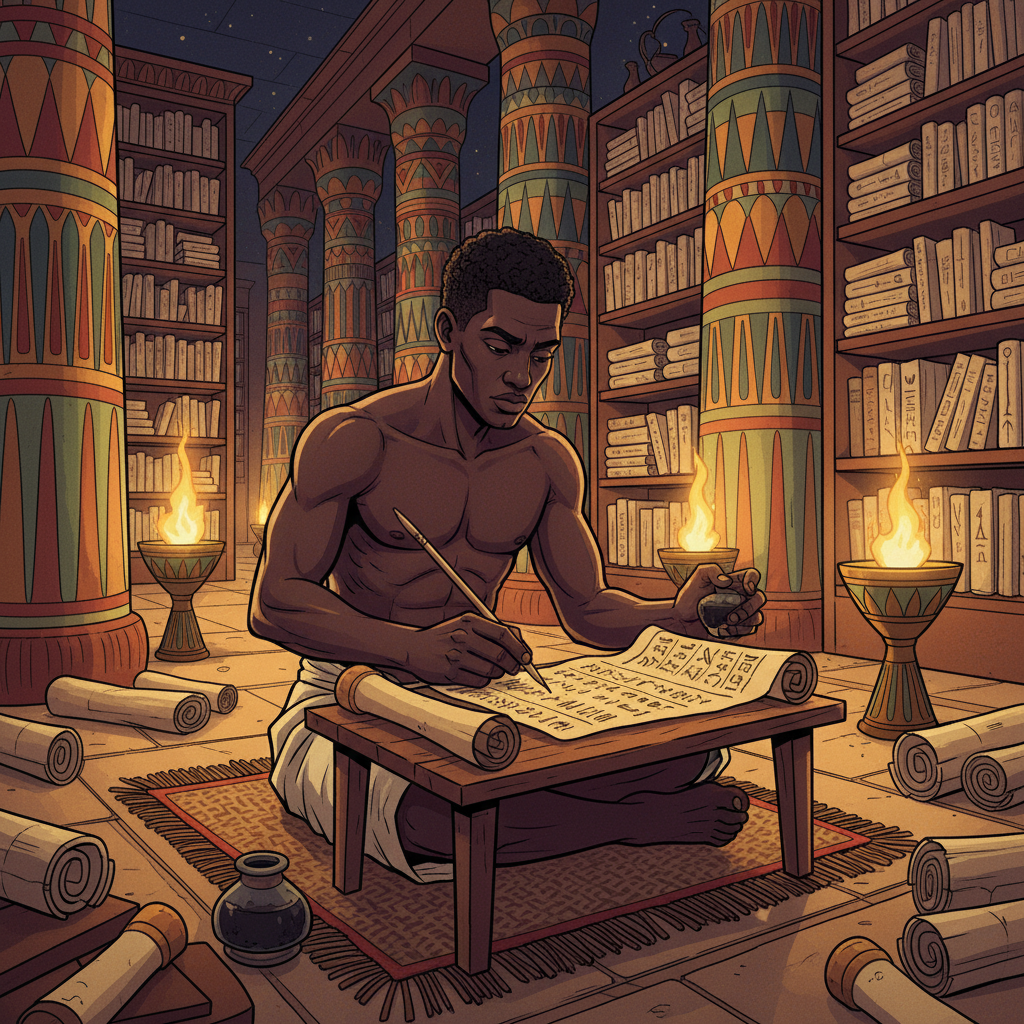
Think of the impact of this philosophy on education. In Kemet, learning was never about rote memorization alone. It was about internalizing knowledge, understanding the essence of things, and thereby gaining the Heka to interact with them effectively. A scribe wasn't just a copyist; they were a custodian of Heka, preserving and transmitting the words that sustained the cosmic order. The very act of writing hieroglyphs was considered a sacred engagement with Heka, as each symbol embodied a specific aspect of reality and carried its own creative power. This explains the reverence for literacy, not as a mere skill, but as a pathway to profound spiritual and intellectual empowerment. This is why our ancestors built libraries and Per Ankhs, understanding that knowledge was the ultimate power.

This profound connection between language, knowledge, and power becomes starkly clear when we consider the historical suppression of literacy among African people. During the transatlantic slave trade, one of the most brutal tactics employed by enslavers was to forbid enslaved Africans from learning to read and write. Why? Because the oppressors, consciously or unconsciously, understood the deep, inherent power embedded in language. To name one's condition, to articulate one's history, to read texts that spoke of freedom and self-determination – these acts were profoundly destabilizing to the system of bondage. They knew that literacy was a key to unlocking the Heka of self-liberation, allowing individuals to name their reality and, in doing so, begin to reshape it. This historical context underscores the vital importance of understanding our linguistic heritage.

Jacob Carruthers, another towering figure in Afrocentric scholarship, eloquently articulated how the "naming function" is central to African philosophy. He stressed that naming is not a passive act of identification, but an active process of bringing into being, of establishing order and meaning. When Ani names the parts of the boat he sails, or the sections of the Duat he traverses, he is not just reciting information; he is asserting his mastery, his understanding, his right to pass. This naming is a ritual act, a declaration of intent and competence. It is the recognition that language is the primary tool through which humans engage with and impose order upon the world, moving from a state of chaos (Isfet) to a state of harmony (Maat).

Consider the implications of this for our own lives, even today. The language we use, the stories we tell ourselves, the names we give to our experiences – all these shape our reality. If we name our challenges as insurmountable, they often become so. If we name ourselves as incapable, we limit our potential. Conversely, if we articulate our aspirations with clarity and conviction, we invoke the Heka to bring them into being. This is why positive affirmations, thoughtful declarations, and the deliberate choice of empowering language are not just feel-good exercises; they are practices rooted in an ancient and profound understanding of how the universe responds to our creative word. This is the enduring legacy of Ren and Heka.
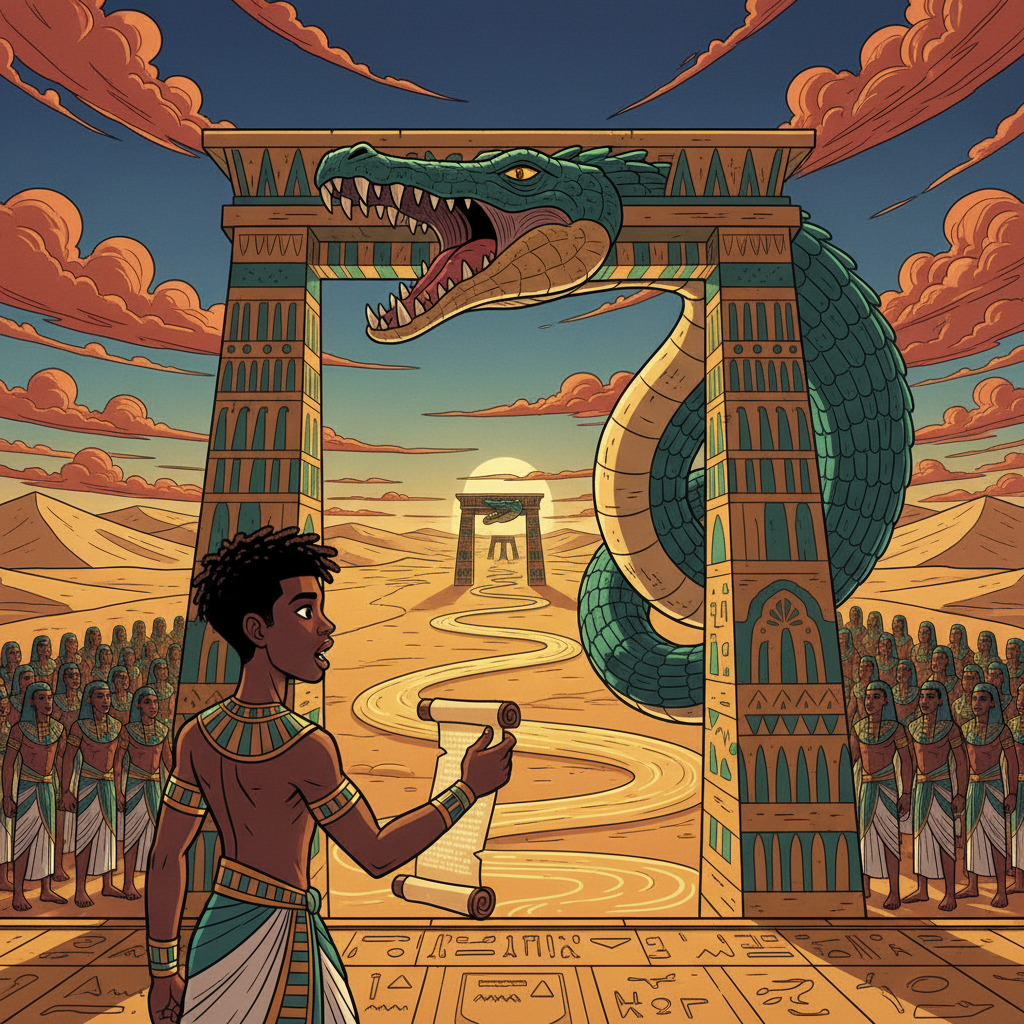
Ani’s journey through the Duat is a masterclass in this principle. Each encounter is a test of his knowledge, his ability to correctly name and therefore correctly navigate. He confronts a series of gates, each guarded by formidable beings who demand not just passage, but recognition of their essence. He must name them, not just with their superficial appellations, but with their true, deeper Ren. This act of naming is an act of acknowledging their place in the cosmic order, and by doing so, Ani aligns himself with that order, demonstrating his worthiness to proceed. It is a profound philosophical statement: true power comes from deep understanding, and understanding is expressed and solidified through language.
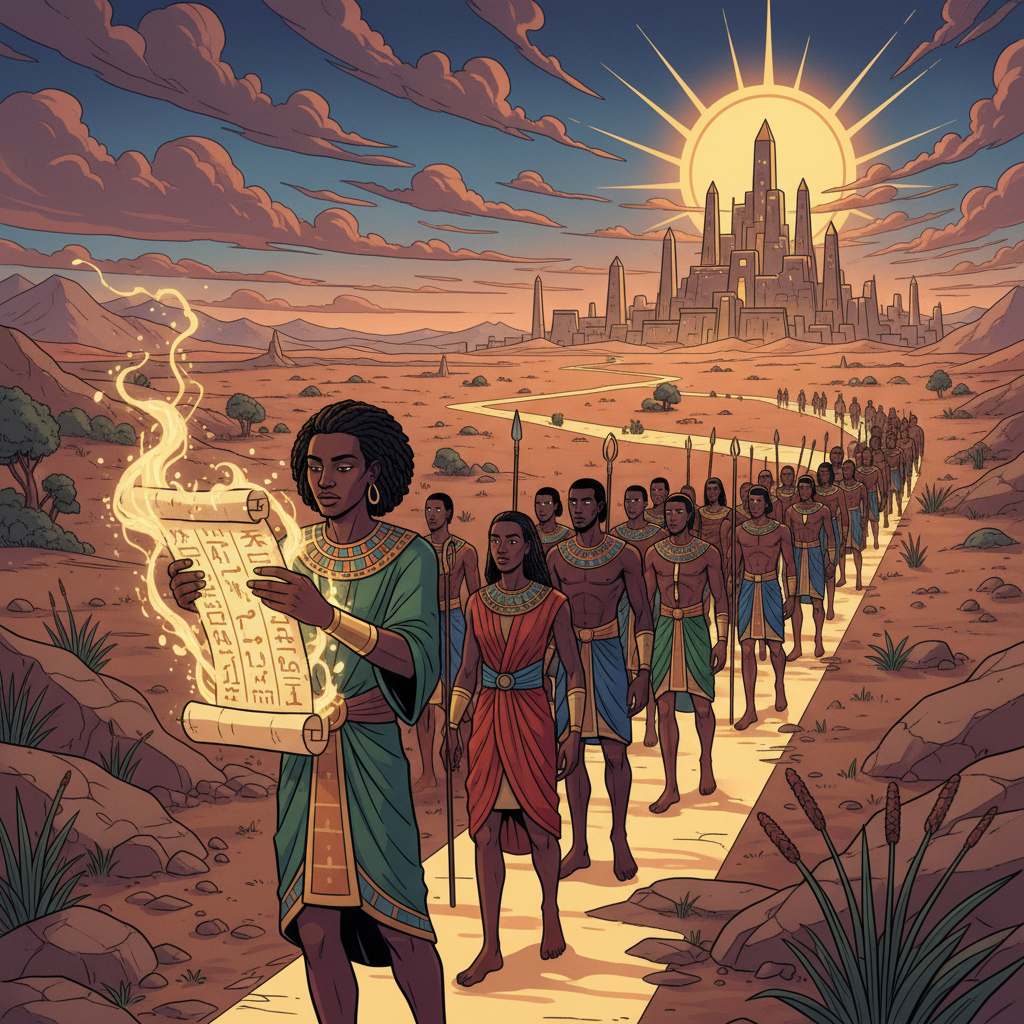
The sacred texts themselves, the Pert em Heru, are imbued with Heka. They are not mere stories or instructions; they are powerful utterances designed to guide the deceased, to activate their spiritual journey, and to ensure their triumphant passage to the realm of the blessed. Every word, every phrase, every symbol was carefully chosen, knowing that it carried immense creative potential. When Ani reads these spells, when he utters the protective incantations, he is engaging with this ancient, potent Heka. He is harnessing the collective wisdom and creative power of generations of scribes and sages, employing their words as tools for his spiritual transformation. The power of the word, as understood by Kemet, is foundational.
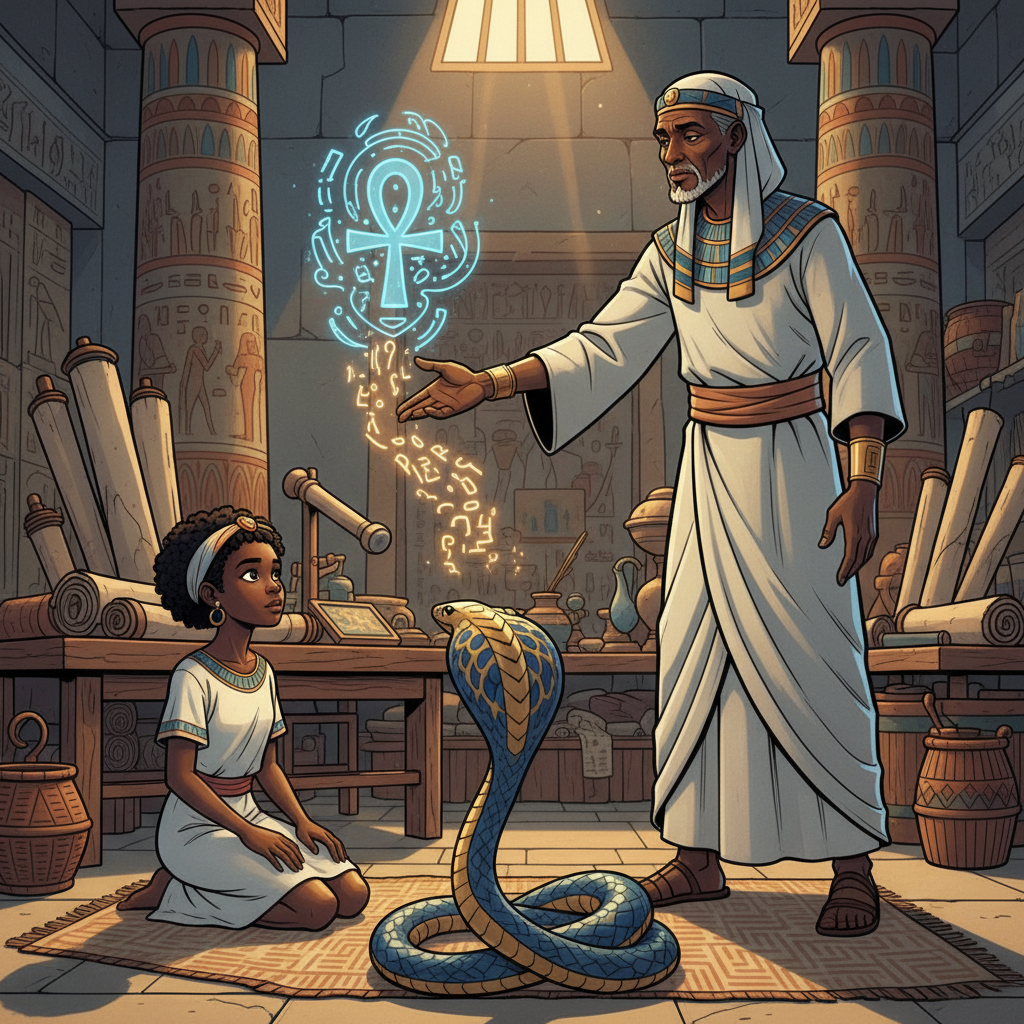
And here, my student, we arrive at the very heart of the matter, a truth whispered across millennia: "To speak a thing truly is to bring it into being. To name the serpent is to command it. This is Heka — the oldest science." This isn't about waving a wand or reciting a chant without understanding. It’s about the profound intellectual and spiritual discipline of knowing. When you truly know the nature of the "serpent"—be it a literal challenge or an internal fear—and you name it accurately, you gain agency over it. You move from being its victim to its master. This is the essence of Kemet’s philosophical stance on language: words are the primary instruments of creation and control, both in the macrocosm of the universe and the microcosm of the self.
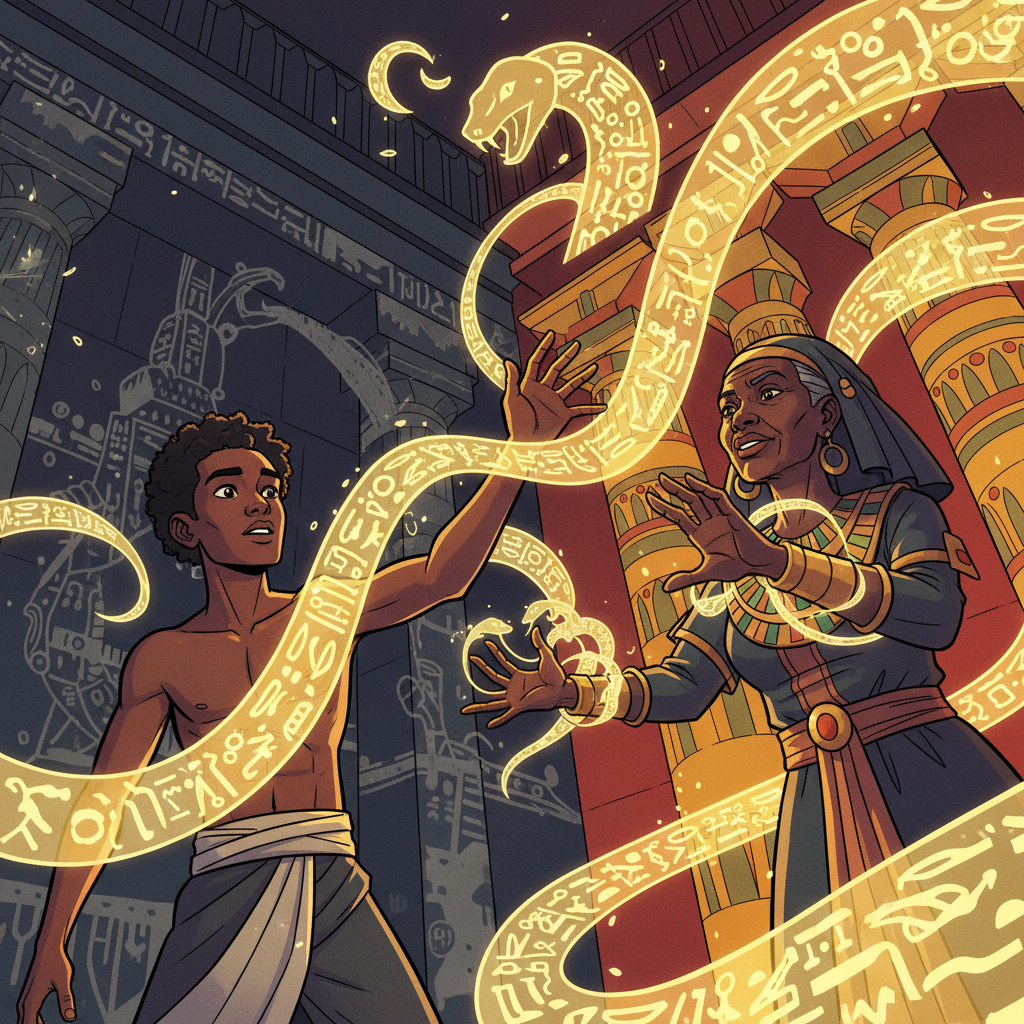
This understanding directly challenges the notion that language is merely a transparent medium for thought, a neutral tool. Kemet, long before modern linguistic theories, posited that language is an active shaper of thought and reality. It is a creative force, not just a reflective one. Theophile Obenga and other scholars have highlighted how this African philosophy of language prefigures much of contemporary thought in semiotics and deconstruction, demonstrating the deep intellectual roots of our tradition. Our ancestors understood that the very structure of our language influences how we perceive reality, how we organize knowledge, and how we interact with the world around us. This makes the study of language, particularly our ancestral languages, a vital act of self-discovery and empowerment.
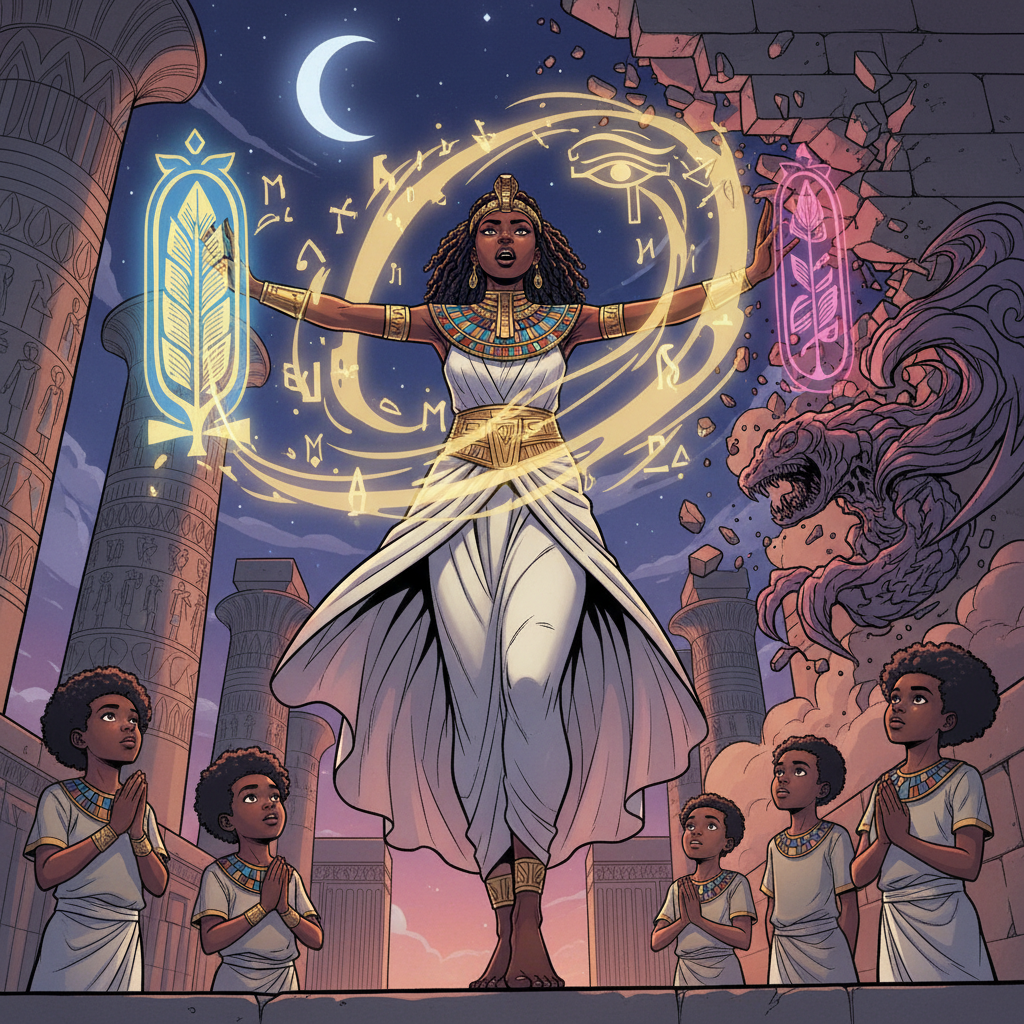
Consider the impact of this philosophy on the concept of Maat itself. Maat is not just a set of ethical principles; it is the cosmic order, the harmonious balance of the universe. To live in Maat is to align one's words and actions with this order. When we speak truthfully, when we name things correctly, we are participating in the maintenance of Maat. Conversely, when we engage in deception, when we misname or misrepresent, we contribute to Isfet, the forces of chaos and disorder. Thus, language becomes a moral act, not just an intellectual one. Our words have consequences, echoing through the fabric of existence, either reinforcing Maat or eroding it.
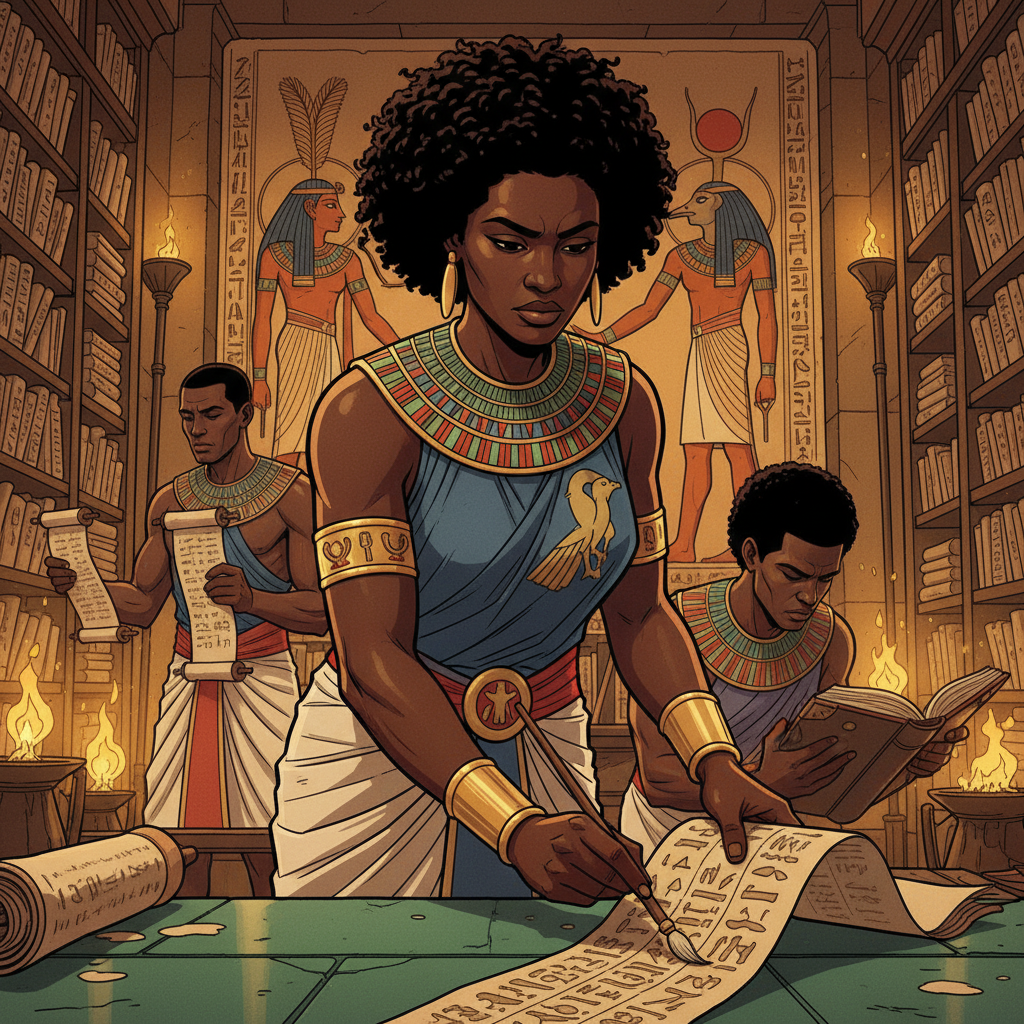
The scribes who meticulously copied the Pert em Heru understood this sacred responsibility. They were not merely transcribing texts; they were perpetuating Heka, ensuring that the creative power embedded in the words would continue to guide and protect. Their work was a spiritual practice, a devotion to the preservation of cosmic order. This is why the precision of language was paramount. A misplaced hieroglyph, a forgotten Ren, could disrupt the intended Heka, leaving the deceased vulnerable. It underscores the profound respect Kemet had for the written and spoken word, recognizing its direct link to the very functionality of the universe.
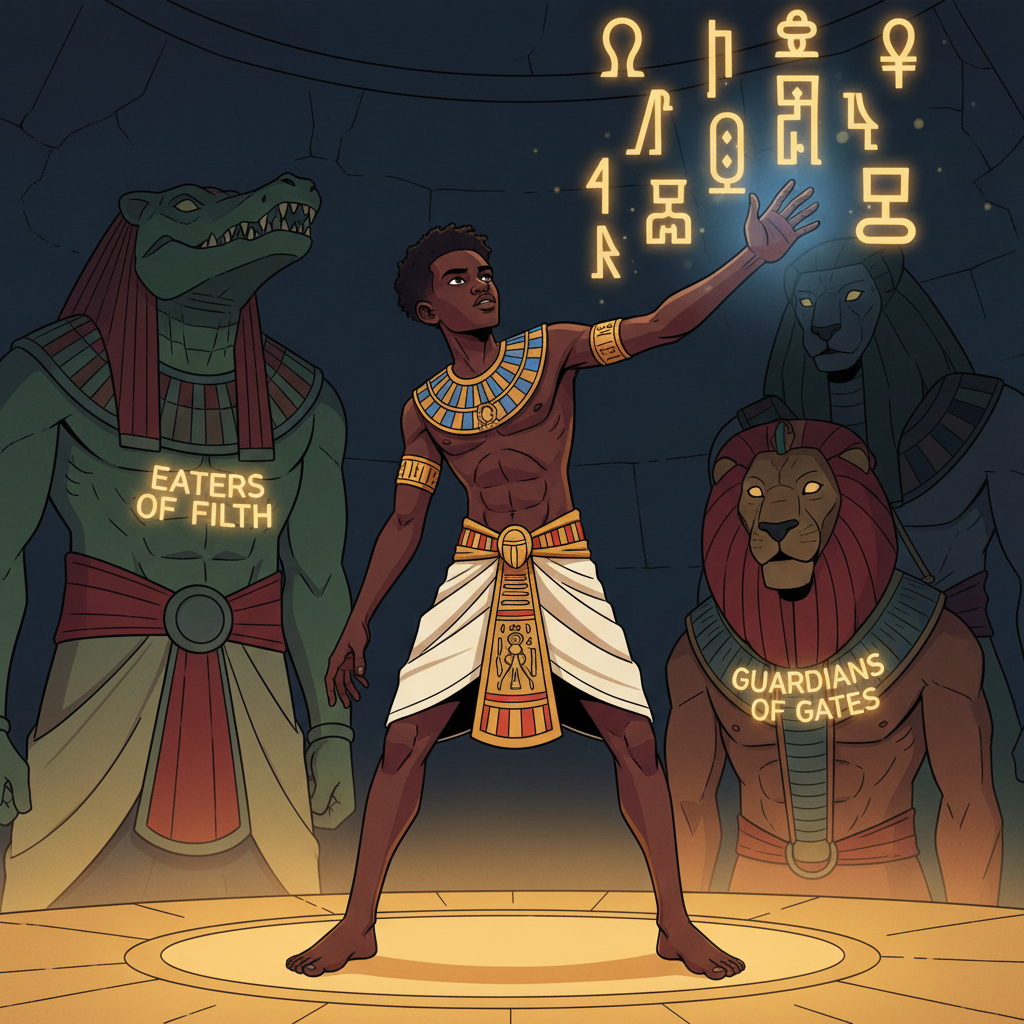
Ani's success in the Duat, therefore, is a testament to his mastery of this profound Kemetic worldview. He has studied, he has learned, and he has internalized the knowledge of names and their corresponding Heka. When he correctly identifies the "Eaters of Filth" or the "Guardians of the Gates," he is not just passing a test; he is demonstrating his spiritual readiness, his attunement to the principles of Maat, and his capacity to wield the creative power of language responsibly. His journey is a living embodiment of the axiom: "knowledge is power," but understood through the lens of Heka and Ren.
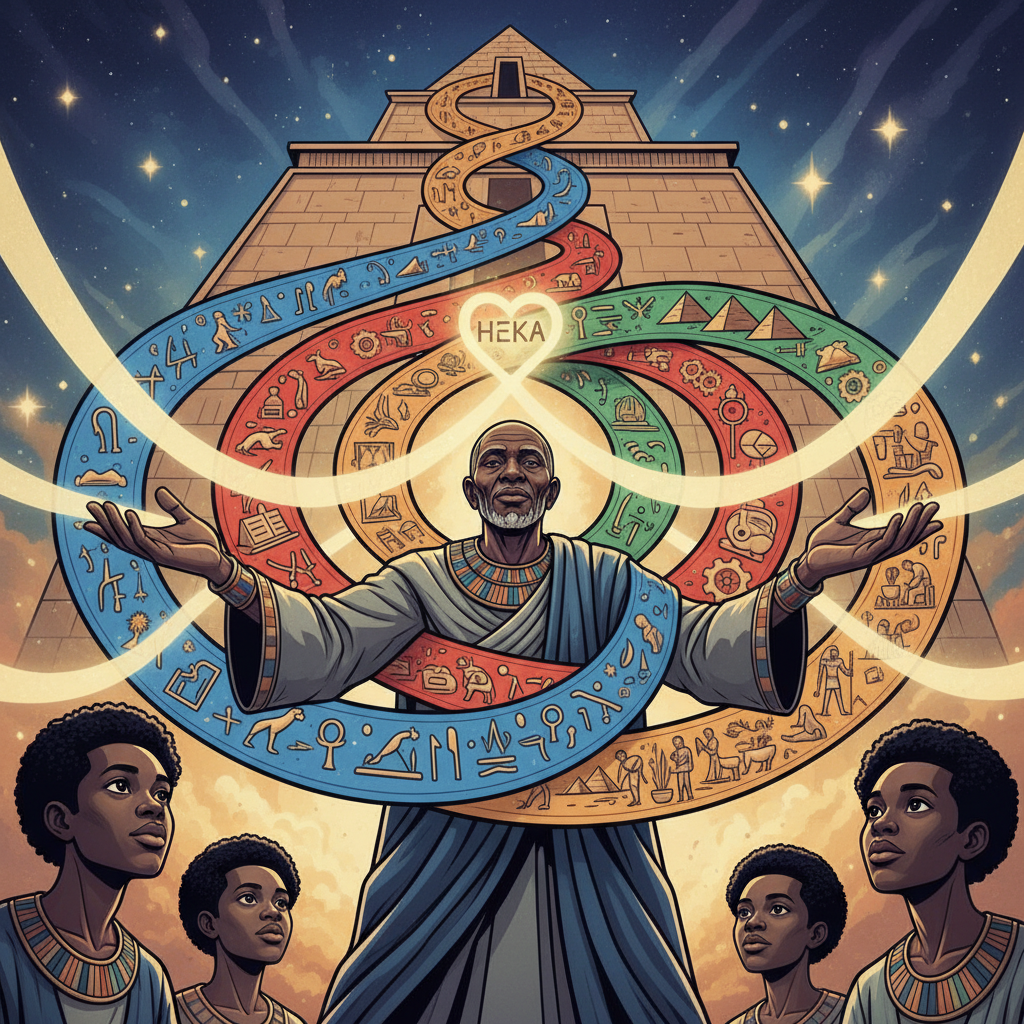
This brings us to a crucial point about the African intellectual tradition: it is fundamentally holistic. There is no rigid separation between philosophy, science, spirituality, and language. All are interwoven, reflecting a unified understanding of existence. The power of Ren and Heka is not an isolated concept; it is deeply integrated into the cosmology, the ethics, and the daily practices of Kemet. Scholars like Dr. Asa Hilliard III consistently emphasized this holism, demonstrating how African thought systems provide comprehensive frameworks for understanding the universe and humanity's place within it, where language is always at the core, not just an external layer.
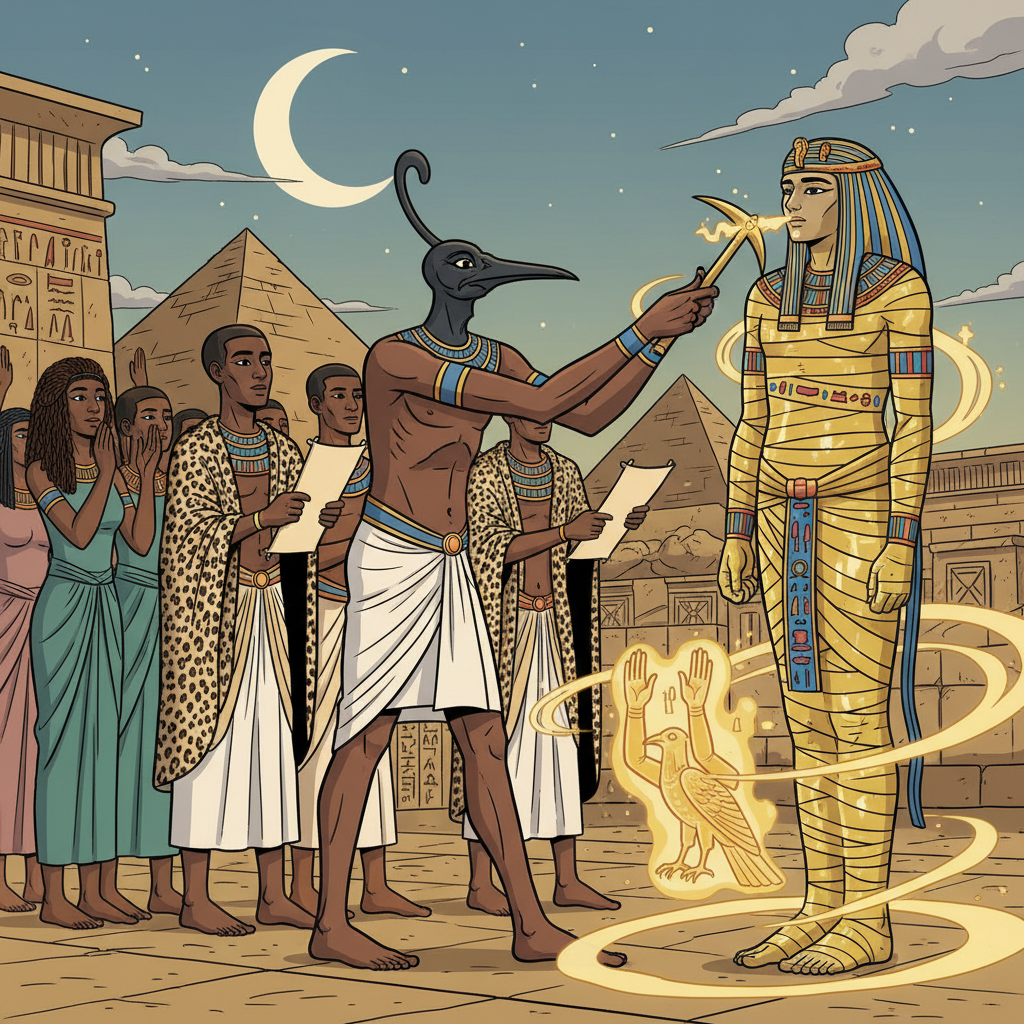
Think of the ritual of "opening the mouth" performed for the deceased. This ceremony was crucial for restoring the capacity for speech, enabling the deceased to utter the names, spells, and declarations necessary for their journey. It was not merely symbolic; it was believed to literally reactivate the organs of speech, allowing the Ba and Ka to fully engage with the Duat. This demonstrates the deep belief that the ability to speak, to name, to invoke Heka, was essential for spiritual agency and continuity. Without speech, without Ren, one could not truly participate in the afterlife, highlighting the supreme importance placed on linguistic faculty.
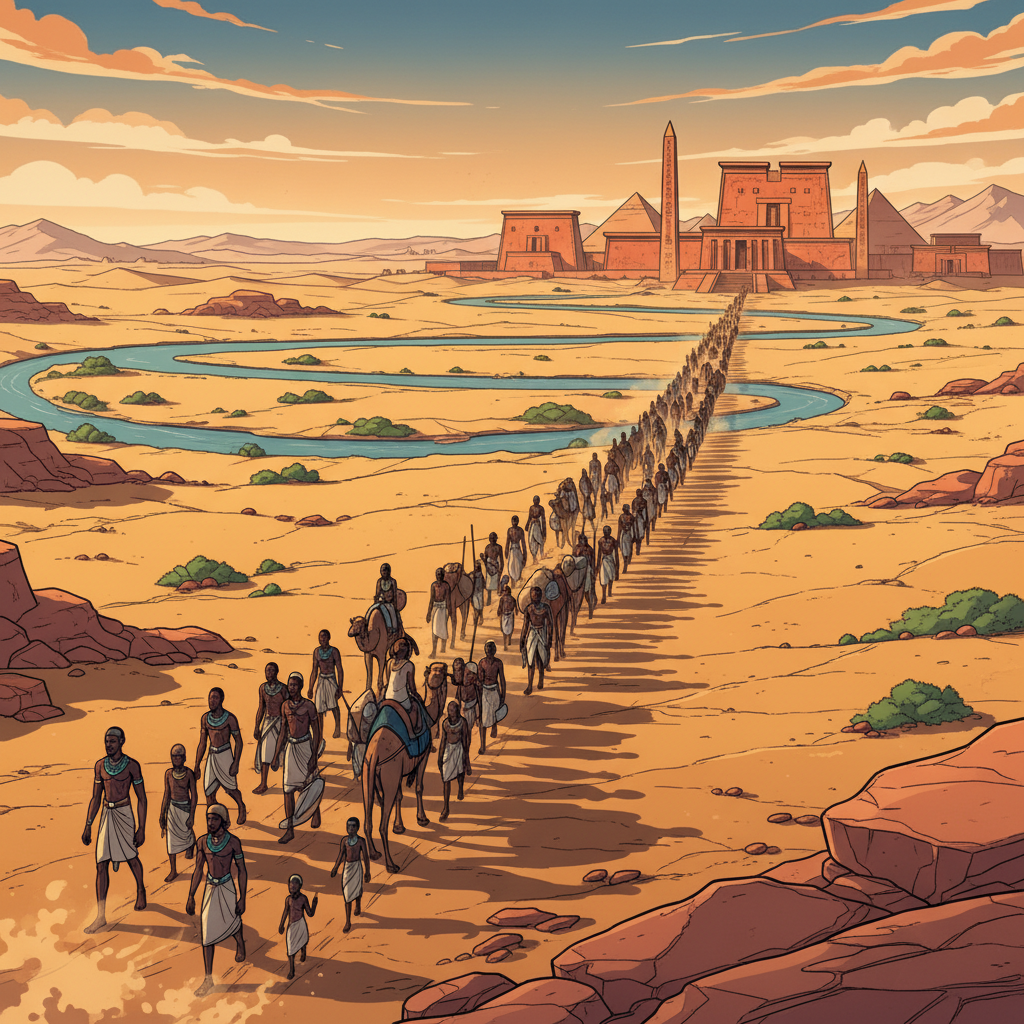
In summary, the Kemetic understanding of Ren and Heka offers a profound theory of language as a creative, constitutive force. It posits that naming is not merely labeling, but an act of bringing into being, of establishing order and exercising mastery. This ancient African philosophy, championed by scholars like Theophile Obenga and Jacob Carruthers, asserts that words carry inherent power, capable of shaping both individual and cosmic reality. Ani's journey through the Duat, where knowing the names of guardians and passages is paramount, serves as a powerful narrative illustration of this principle. It teaches us that true power comes from deep understanding, and that understanding is articulated, solidified, and activated through the sacred act of naming.
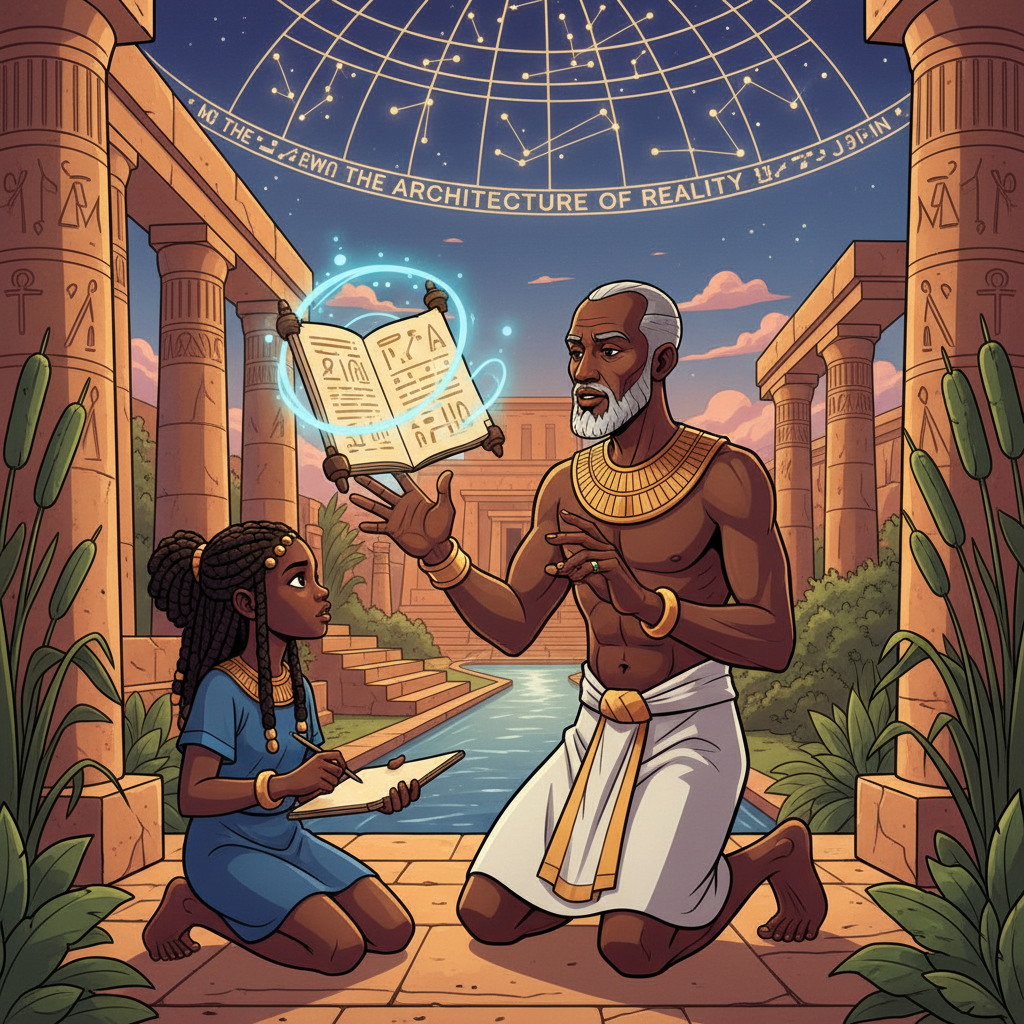
As you continue your studies, my student, carry this understanding with you. Pay attention to the language you use, the names you give to your experiences, and the words you speak into the world. Recognize that you, too, are a wielder of Heka. Every word you utter, every thought you form and express, contributes to the architecture of your own reality and the collective reality of those around you. Let your words be aligned with Maat – truthful, constructive, and empowering. For in the legacy of Kemet, the wisdom of our ancestors teaches us that language is not just how we communicate; it is how we create, how we order, and how we truly live.
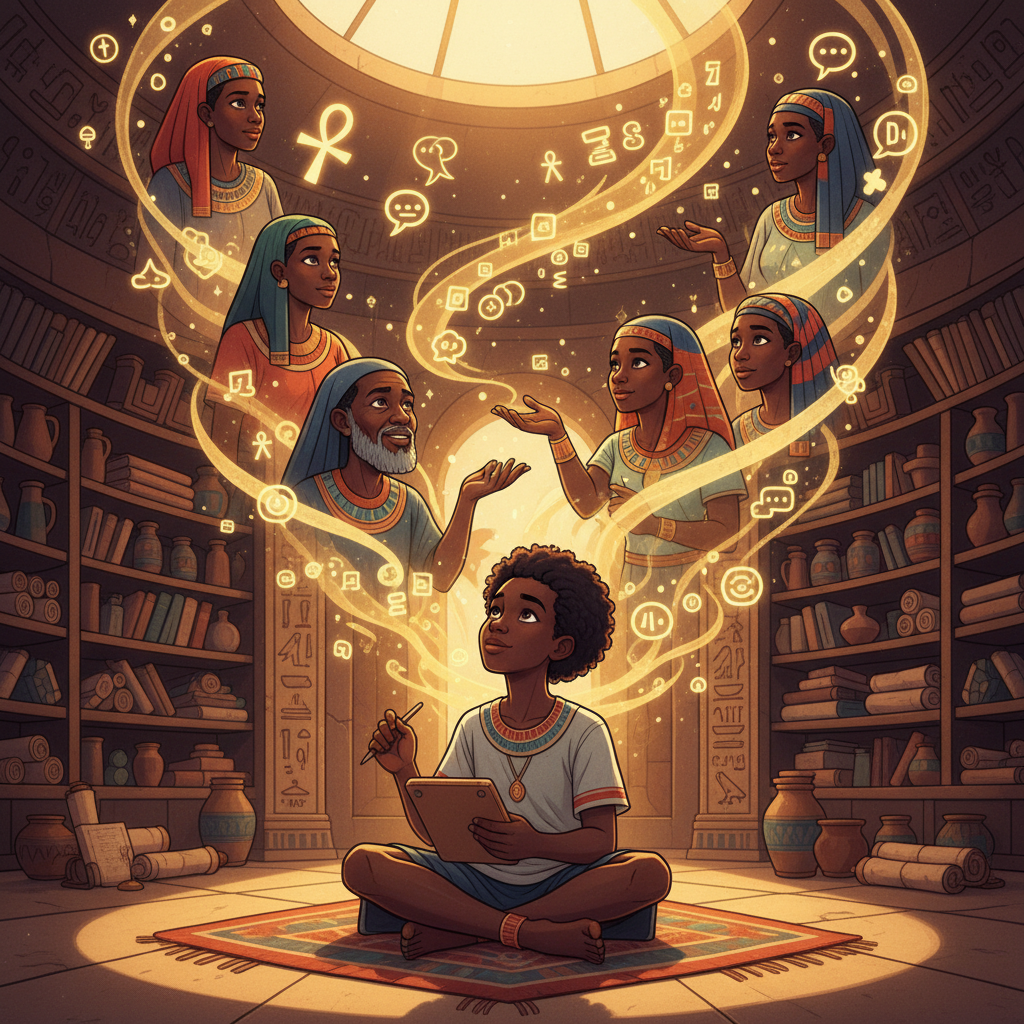
The knowledge you have gained today is not just historical fact; it is a practical guide for living. It connects you to a lineage of thinkers who understood the profound responsibility that comes with the gift of speech. As Dr. Yosef ben-Jochannan often reminded us, the true emancipation of African people begins with the reclamation of our history, our knowledge, and our philosophical frameworks. Understanding Ren and Heka is a powerful step in that reclamation, empowering you to consciously shape your world. Let the wisdom of Kemet resonate within you, guiding your tongue and your mind towards truth, order, and creation.