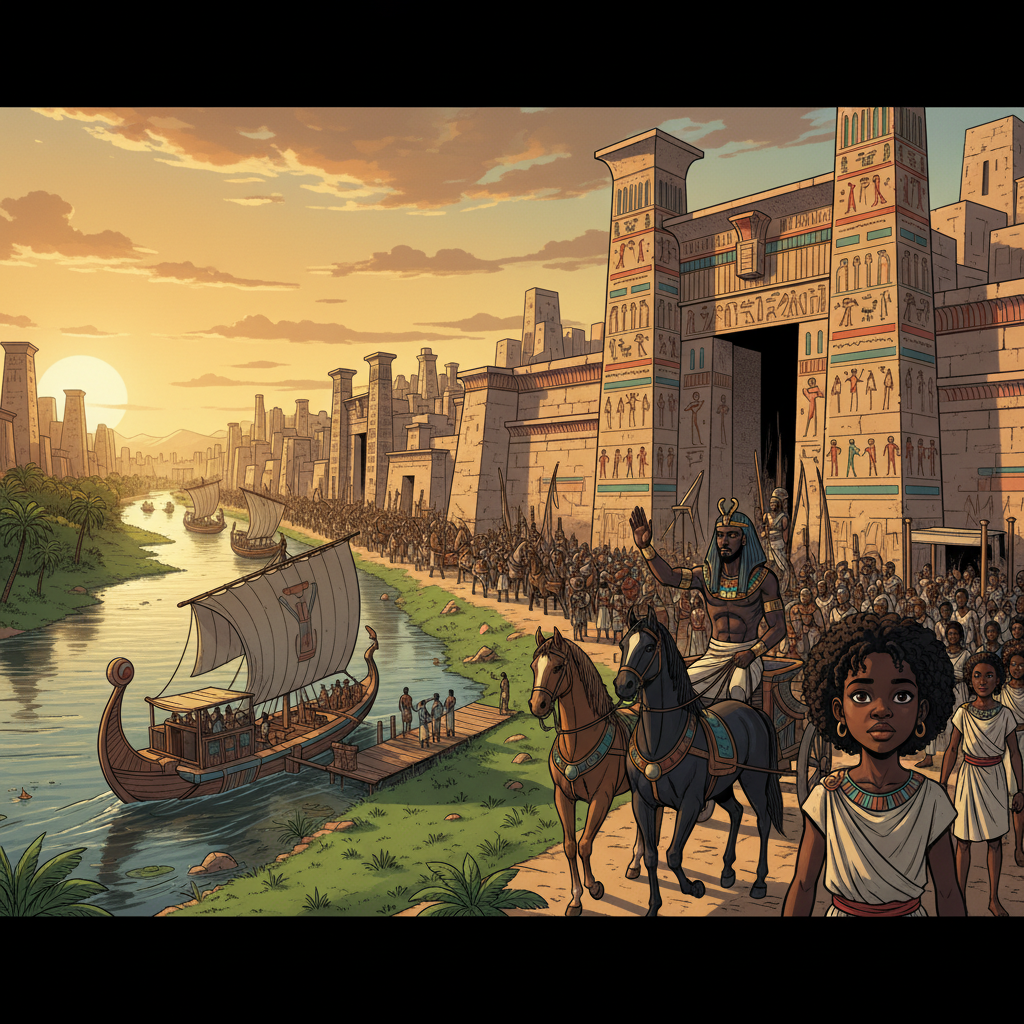
Children of the Black Land, we gather again within the sacred geometry of this Per Ankh, our minds poised to delve deeper into the profound mysteries that shape our understanding of existence. Today, we confront the very bedrock of human spirituality: the enduring narrative of Ausar, Aset, and Heru. This drama, born of our ancestors' profound wisdom, is not merely a myth but a foundational theological framework, a template for every salvation narrative that has ever graced the annals of human history. It is the original story of life, death, and triumphant rebirth, echoing through the ages and across continents, its roots firmly embedded in the fertile soil of Kemet. Our journey today will illuminate how this African spiritual epic became the universal language of hope and redemption, a testament to the unparalleled foresight of our ancient sages. Prepare your hearts and minds, for we are about to unveil the genesis of a global phenomenon.
The Osirian Drama, as it is known, begins with Ausar, the beloved King of Kemet, who brought civilization, agriculture, and law to his people. He embodied Ma'at, the principle of truth, justice, harmony, and cosmic order. His reign was a golden age, a testament to the power of righteous governance and divine leadership. However, as is often the case in tales of profound significance, this era of prosperity was disrupted by the insidious forces of chaos and discord, personified by Ausar's jealous brother, Set. Set, driven by envy and a lust for power, plotted against Ausar, representing the disruptive force of Isfet – disorder and injustice – challenging the very foundation of Ma'at that Ausar upheld. This initial conflict sets the stage for a cosmic struggle, a battle between order and chaos, which mirrors the eternal human struggle against adversity and the disruption of righteousness.
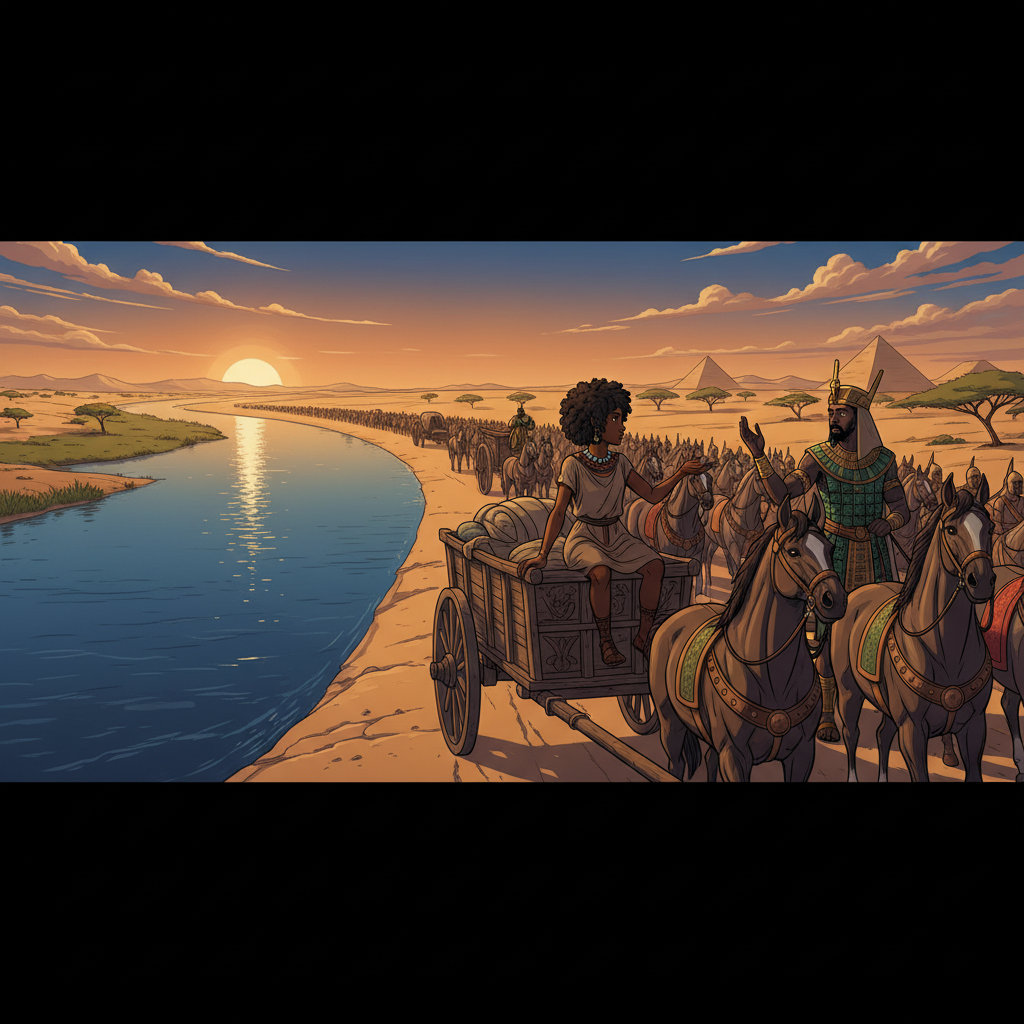
Set's treachery reached its climax during a grand feast. He presented a magnificent, intricately carved chest, promising it to anyone who could fit inside perfectly. One by one, the guests tried, but none succeeded. Finally, Ausar, unsuspecting, lay down in the chest, which had been secretly crafted to his exact measurements. The moment he was inside, Set and his conspirators slammed the lid shut, sealed it with molten lead, and cast it into the Nile. This act was not merely a regicide; it was a profound act of sacrilege, a direct assault on Ma'at itself. It symbolized the violent disruption of order, the sudden descent into chaos, and the apparent triumph of injustice. This moment of betrayal and the subsequent 'death' of Ausar is the pivotal point from which all subsequent narratives of sacrifice and martyrdom draw their primordial power and meaning.
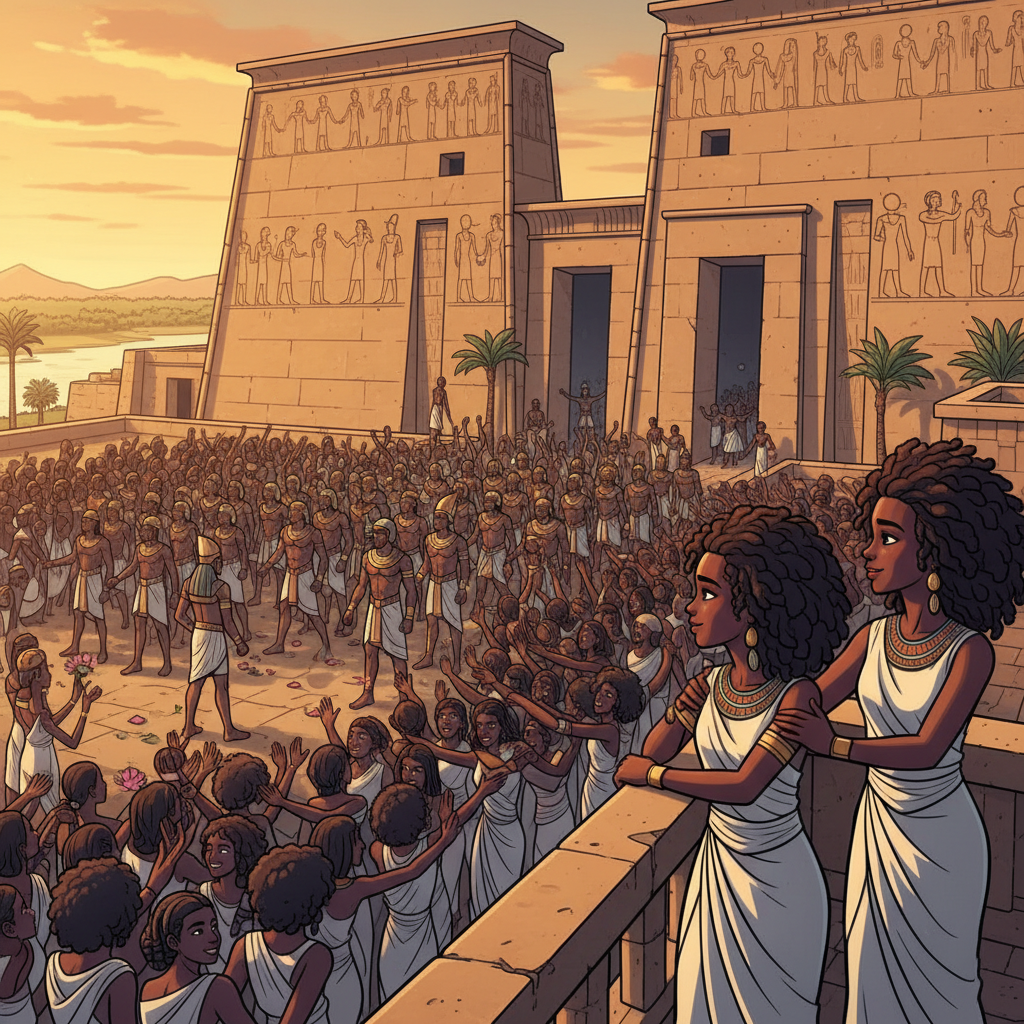
The immediate consequence of Ausar's demise was the plunge of Kemet into mourning and disarray. The world tilted, reflecting the cosmic imbalance caused by Isfet's temporary victory. Yet, amidst the despair, a beacon of unwavering love and determination emerged: Aset, Ausar's devoted wife and sister. Aset, a powerful sorceress and goddess of magic, embarked on a tireless quest to find her husband's body. Her journey was fraught with peril and sorrow, yet her resolve never wavered. She traversed lands and waters, her heart driven by an unparalleled love that defied death itself. This quest of Aset, her unwavering devotion, provides the earliest and most poignant example of love's power to conquer death, a theme that resonates deeply in countless spiritual traditions across the globe, emphasizing the enduring power of compassion and dedication.
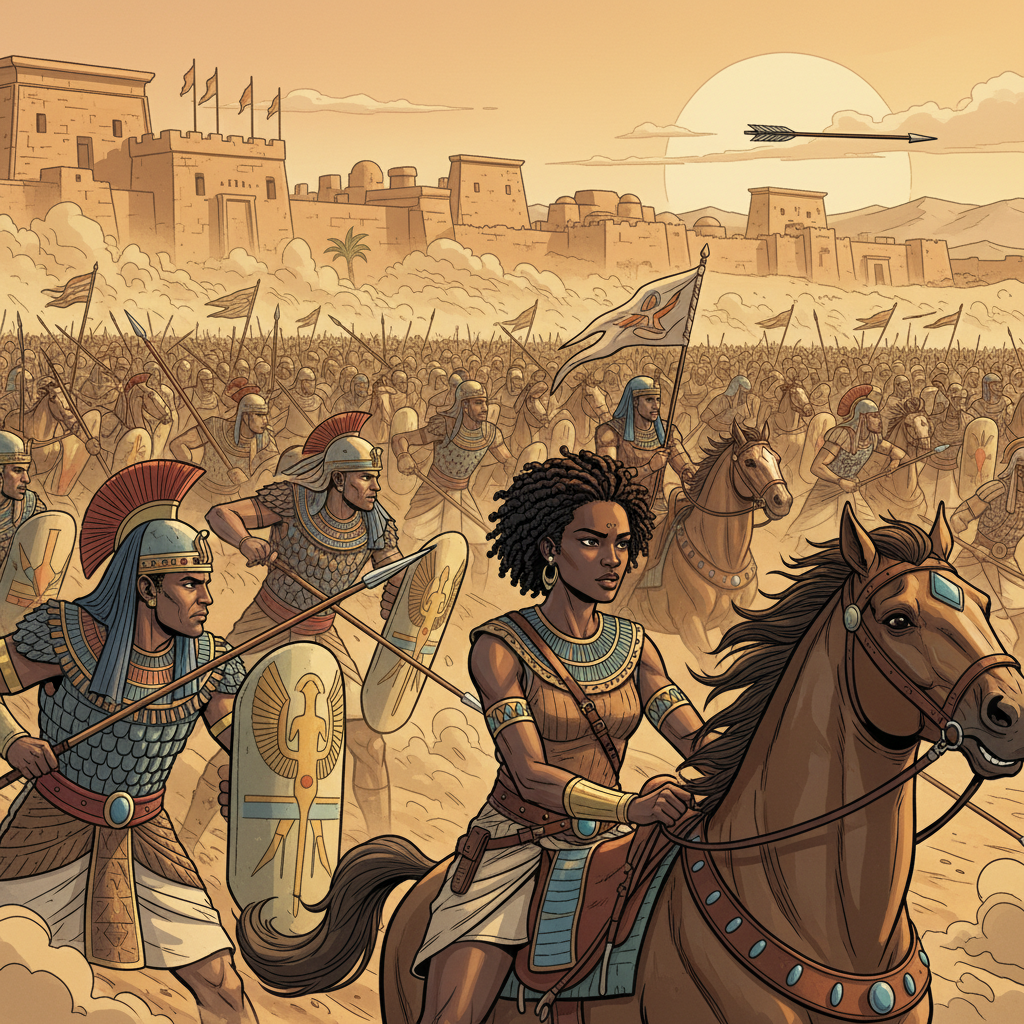
Aset eventually found the chest, which had drifted to Byblos and become encased within a magnificent tamarisk tree. After retrieving her husband's body, she brought it back to Kemet, hoping to perform the sacred rites necessary for his resurrection. However, Set, discovering her actions, was enraged. In a further act of desecration, he dismembered Ausar's body into fourteen (or sixteen, or forty-two, depending on the tradition) pieces and scattered them across Kemet. This act of dismemberment is deeply symbolic. It represents the fragmentation of order, the splintering of truth, and the scattering of the divine essence. It is the ultimate expression of Isfet's destructive power, aiming to make reconstitution impossible. Yet, even in this profound fragmentation, Aset's love would once again prove to be a force of cosmic reassembly, a testament to enduring faith.
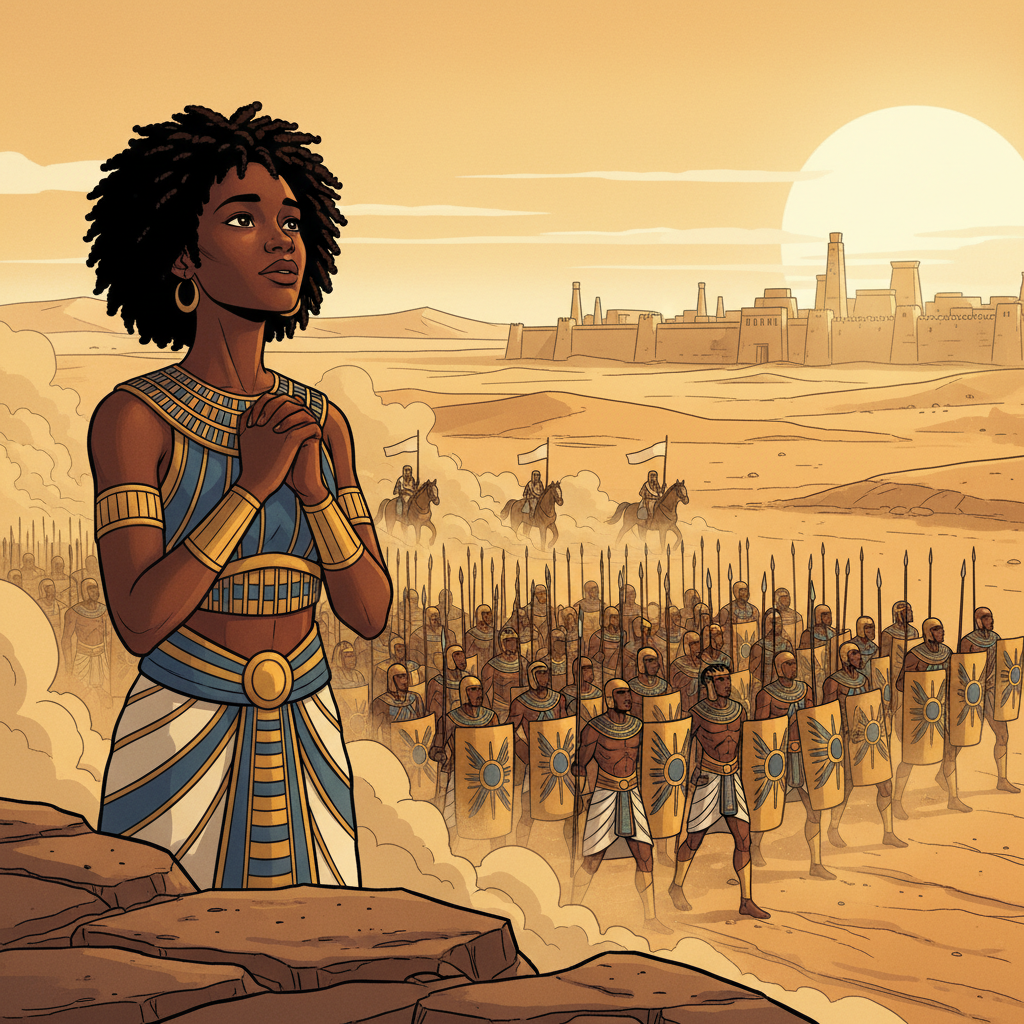
Undeterred by this new horror, Aset, aided by her sister Nephthys and the Jackal-headed deity Anpu (Anubis), embarked on a second, even more arduous quest. Piece by piece, they meticulously searched for and gathered every scattered fragment of Ausar. This act of gathering and reassembly is profoundly significant. It symbolizes the painstaking process of restoring order from chaos, of re-membering what was dis-membered, both literally and metaphorically. It is a testament to the collaborative effort required to overcome overwhelming adversity and injustice. The missing phallus, which was never found, having been swallowed by a fish, necessitated Aset to fashion a magical replacement, symbolizing the triumph of creative ingenuity and divine intervention over apparent impossibility, ensuring the continuation of the divine lineage.
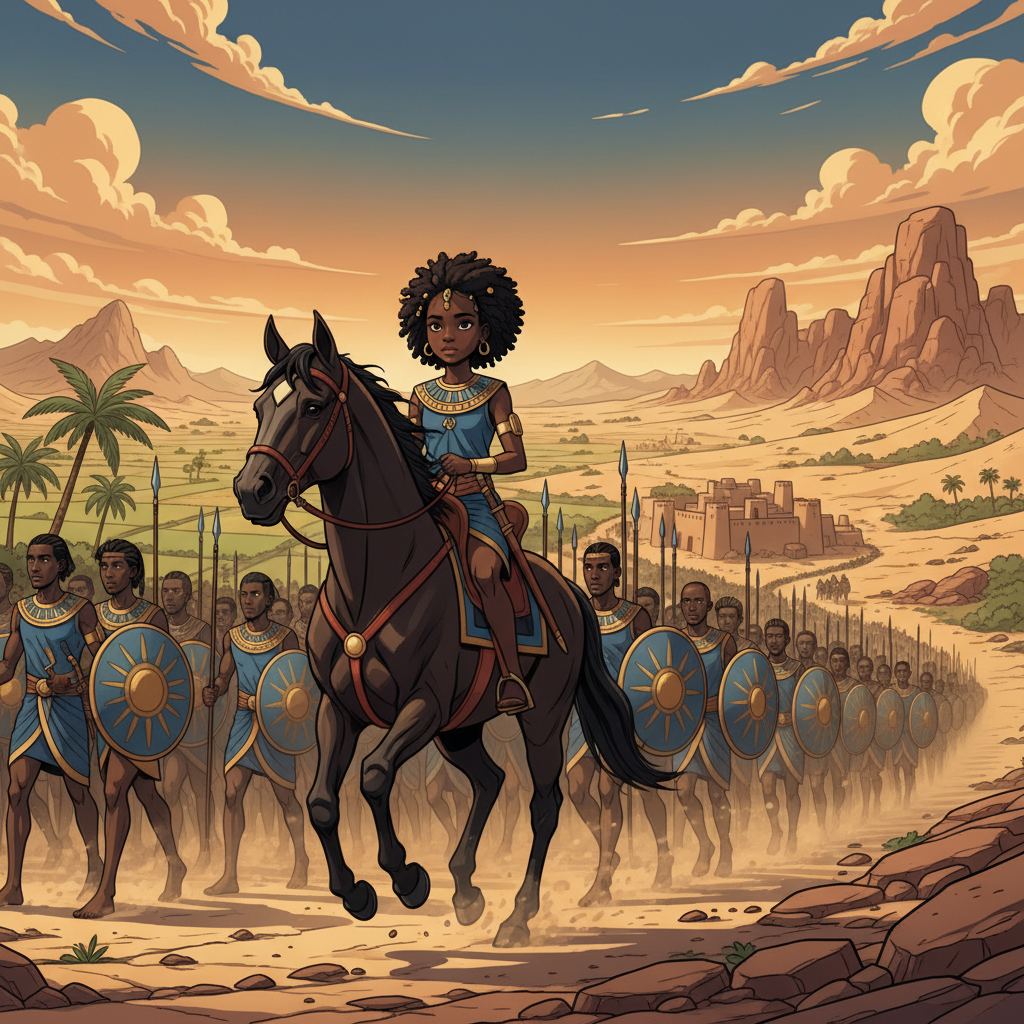
Through her powerful magic and unwavering will, Aset reassembled Ausar's body, transforming him into the first Mummy. She then used her divine powers to briefly revive him, conceiving their son, Heru, who would become the avenger of his father and the restorer of Ma'at. This act of miraculous conception and resurrection is the absolute heart of the Osirian Drama. It is the original narrative of triumph over death, the ultimate promise of rebirth and renewal. Ausar, though he would not return to the land of the living, became the Lord of the Duat, the afterlife, ruling over the blessed dead and presiding over the judgment of souls. His transformation signifies that death is not an end but a transition, a pathway to a different form of existence and authority.
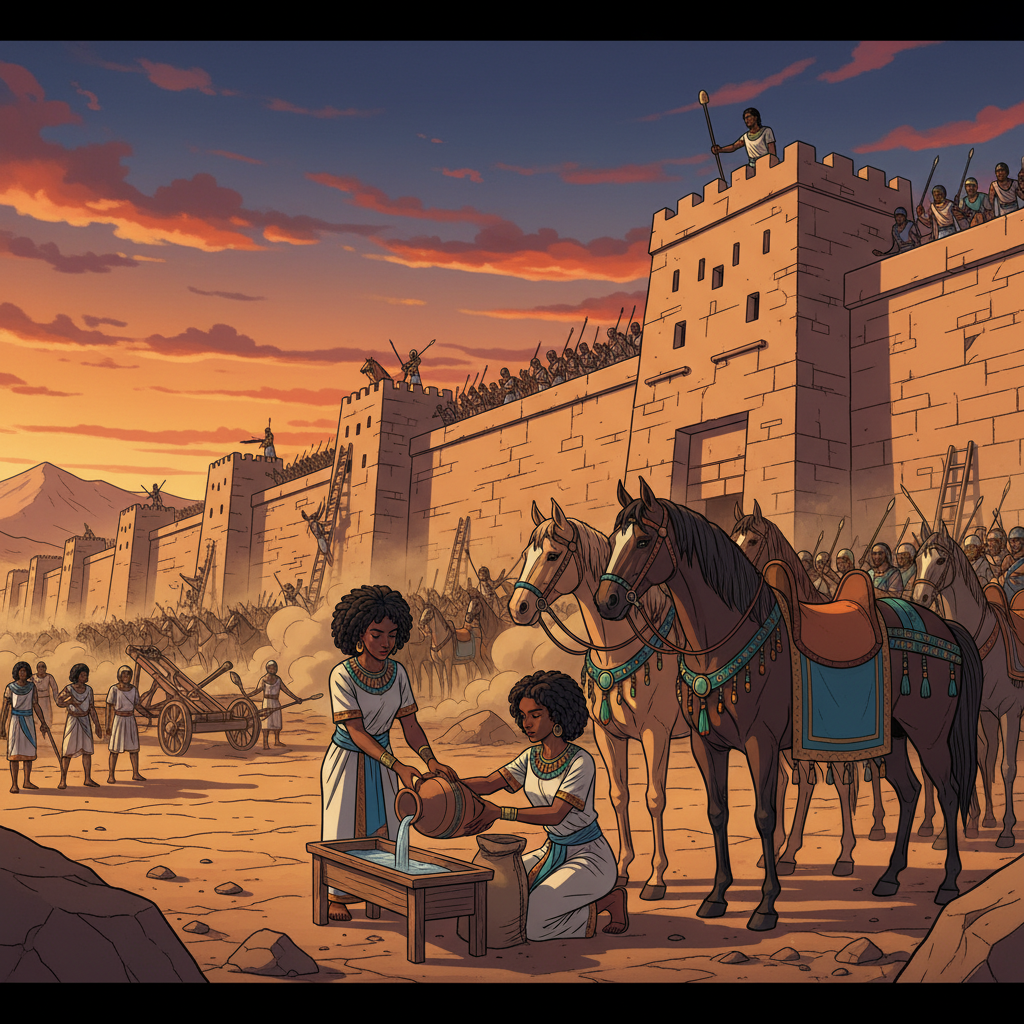
The birth and upbringing of Heru in the marshes of Chemmis, hidden from Set's malevolent gaze, is another critical chapter. Heru, the divine child, embodied the hope for justice and the restoration of order. Aset protected him fiercely, nurturing him to become the warrior who would ultimately challenge Set and reclaim his rightful inheritance. Heru's eventual confrontation with Set, a long and arduous struggle, symbolized the eternal battle between good and evil, justice and injustice, Ma'at and Isfet. This epic conflict culminates in Heru's victory, not merely as a personal triumph, but as a cosmic reassertion of Ma'at, bringing balance back to Kemet and ensuring the continuity of divine kingship. This narrative established the archetype of the divine redeemer, the child of promise.
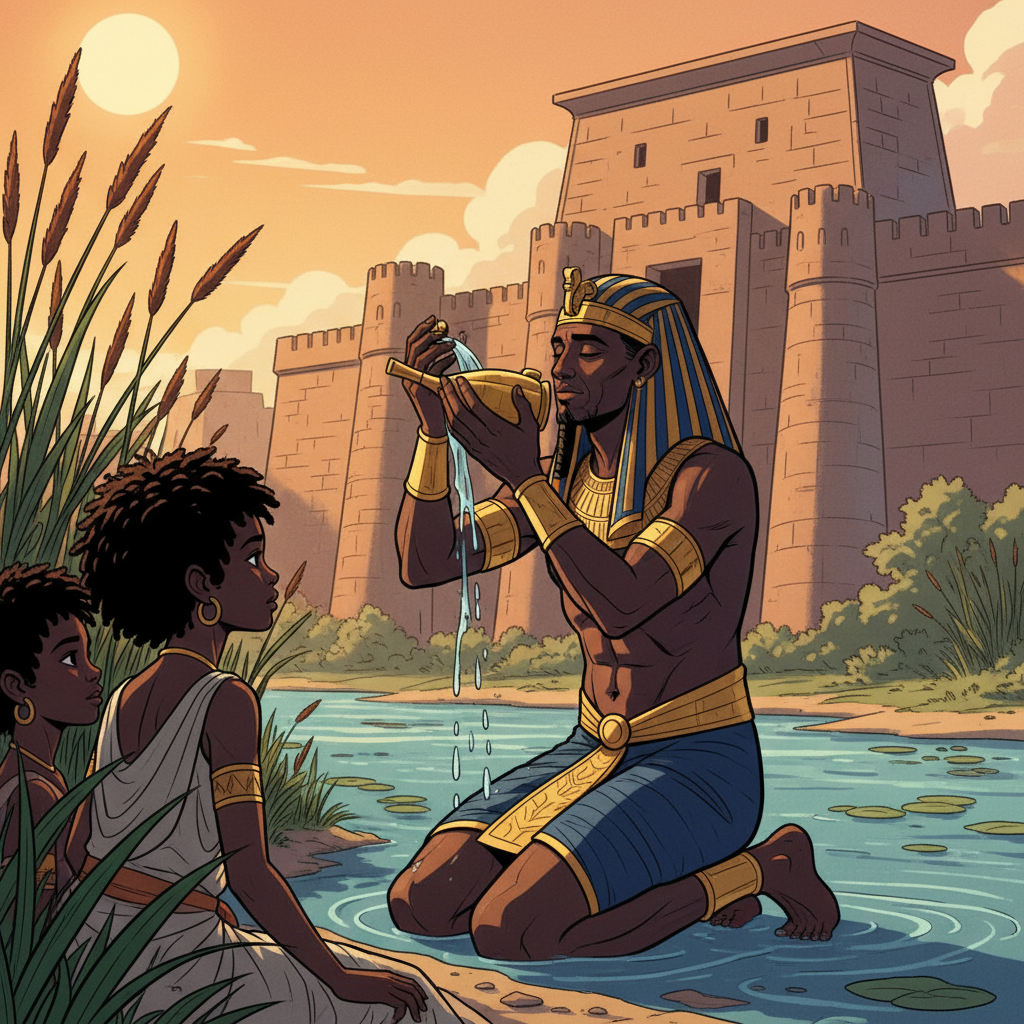
The philosophical depth of the Osirian Drama extends far beyond a simple story. It articulates a profound understanding of the universe, where life and death are cyclical, where order can be disrupted but ultimately restored, and where justice, though challenged, eventually prevails. As Dr. Maulana Karenga elucidates in 'Maat: The Moral Ideal in Ancient Egypt,' the narrative underscores the constant struggle to uphold Ma'at against the forces of Isfet. Ausar's dismemberment is not just physical; it represents the fragmentation of society, the breaking of moral codes, and the scattering of truth. Aset's reassembly and Heru's victory symbolize the collective effort required to mend society, to restore ethical foundations, and to re-establish justice and harmony in the world.
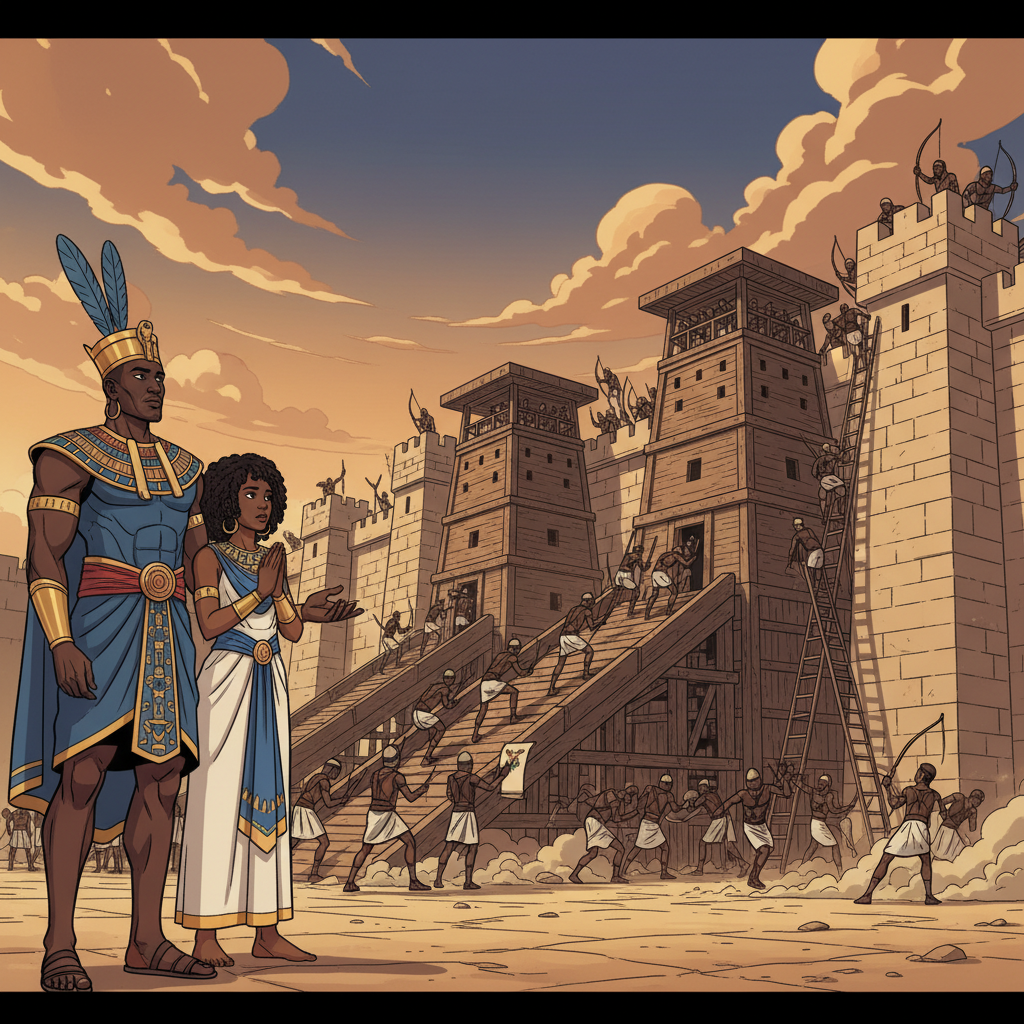
This drama is unequivocally the African origin of resurrection theology. Long before other civilizations conceived of a dying and rising god, Kemet had Ausar. His narrative predates by millennia the stories of Adonis, Attis, Dionysus, and critically, the later Christian narrative of Christ. The concept of an innocent divine figure suffering a violent death, undergoing dismemberment or burial, and then being resurrected or transformed into a new state of being, with the promise of eternal life for his followers, is fundamentally Ausarian. Scholars like Dr. Cheikh Anta Diop and Dr. Theophile Obenga have meticulously demonstrated the profound influence of Kemetic thought on subsequent global spiritual systems, particularly highlighting this death-and-resurrection motif.
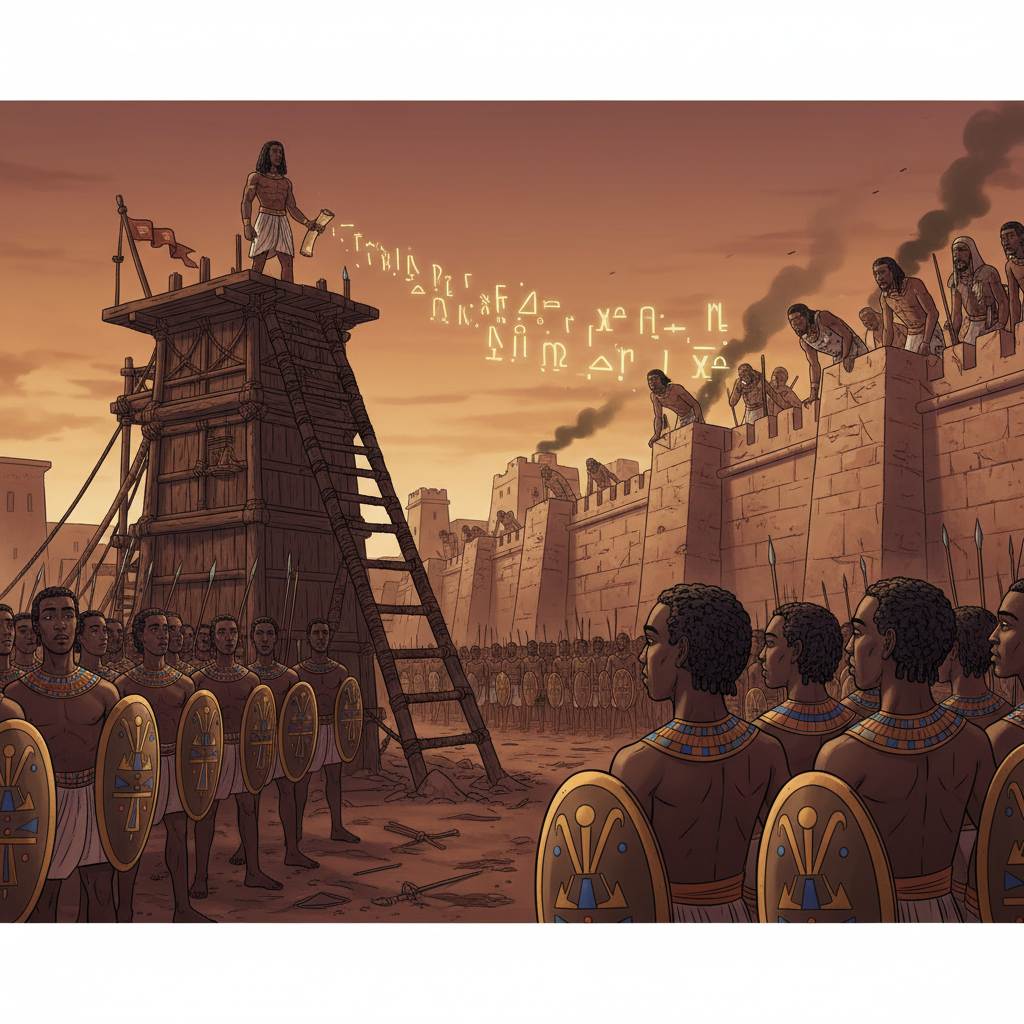
Let us consider the parallels. In the Christian narrative, Christ suffers a violent death, is buried, and rises again, promising eternal life to believers. In Islam, though the concept of resurrection is different, the emphasis on the Day of Judgment and an afterlife where the righteous are rewarded echoes the Osirian judgment in the Duat. Even in Judaism, while not featuring a dying and rising god, the emphasis on a covenant with God, the promise of redemption, and the ultimate triumph of good over evil resonates with the broader themes of the Osirian Drama. These are not mere coincidences; they are testament to the pervasive influence of an original African spiritual paradigm, disseminated through cultural exchange and intellectual borrowing over millennia.
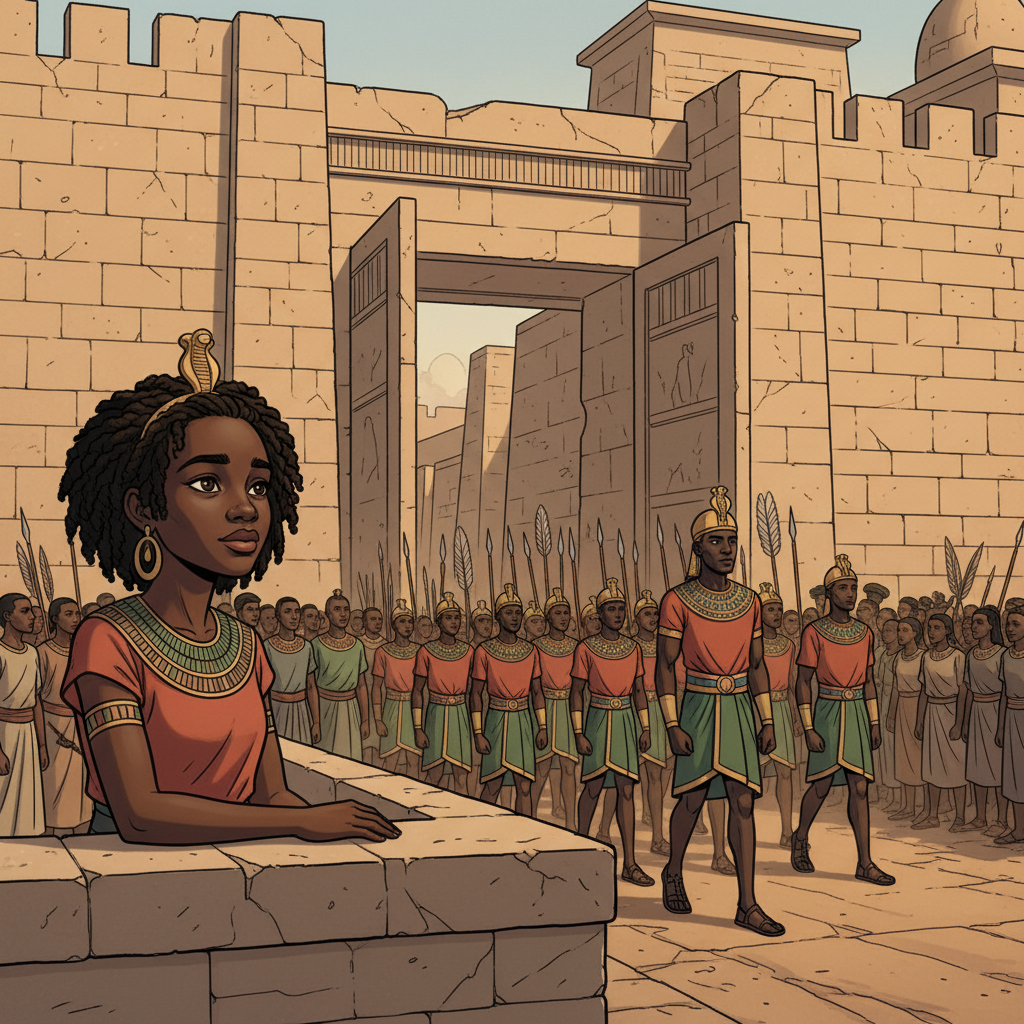
The philosophical meaning of dismemberment and reassembly extends beyond the physical. Dr. Asa Hilliard III often spoke of the importance of "re-membering" our African heritage, of piecing together the scattered fragments of our history and identity that have been dismembered by colonialism and oppression. Ausar's dismemberment can be seen as a metaphor for the fragmentation of African societies, cultures, and knowledge systems. Aset's tireless work to gather the pieces and restore her husband symbolizes the ongoing work of scholars, activists, and communities to reclaim, reconstruct, and revitalize African identity and wisdom traditions. It is a call to collective self-restoration, a profound lesson for all who seek to heal from historical trauma and rediscover their authentic selves.
The Osirian Drama, therefore, offers a blueprint for spiritual and societal renewal. It teaches us that even in the face of overwhelming chaos and injustice (Isfet), the principles of Ma'at—truth, justice, harmony, balance, order, reciprocity, and propriety—can ultimately be restored. It underscores the importance of unwavering love, perseverance, and the collective effort to mend what is broken. Ausar's transformation into the Lord of the Duat signifies that suffering and death can lead to a higher state of being, a new form of authority and wisdom. It is a powerful affirmation that even when the physical form perishes, the spirit and the principles it embodied can live on, influencing generations and shaping destinies.
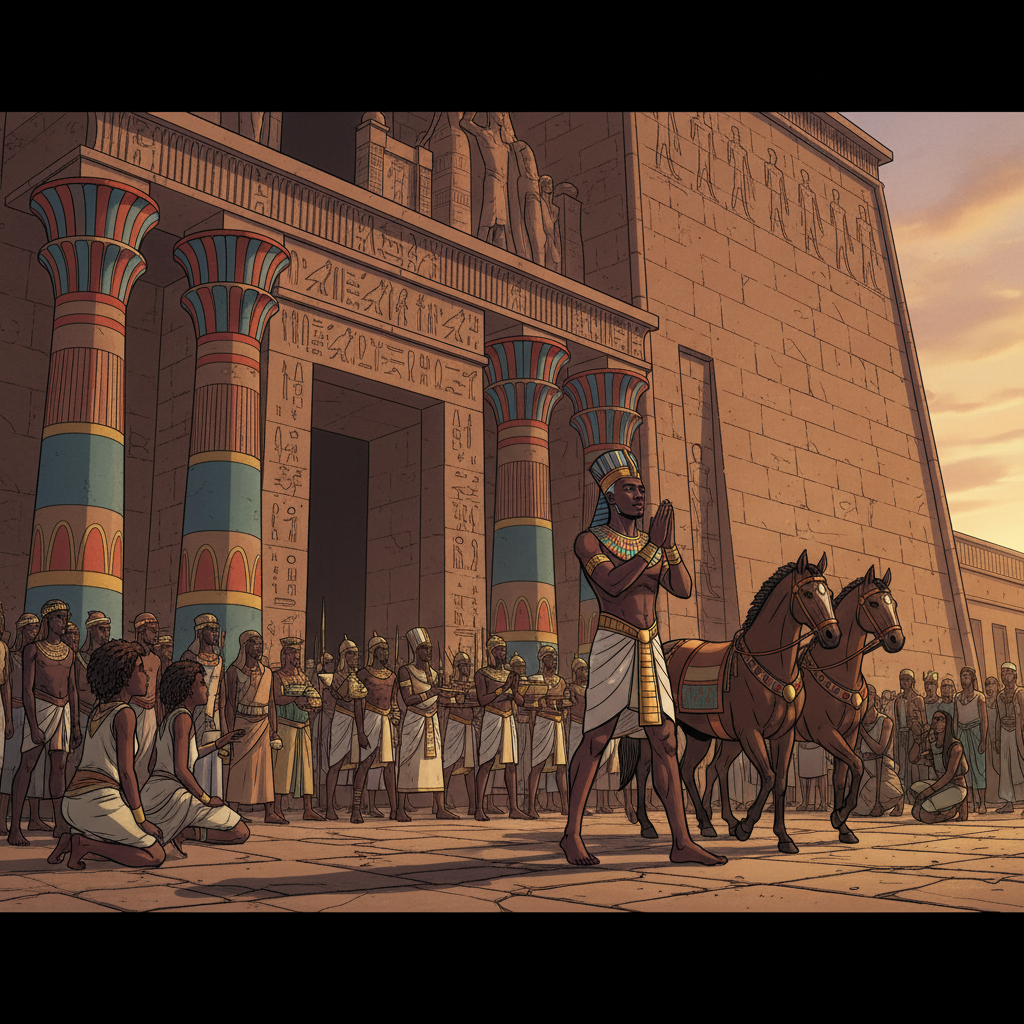
This narrative also established the concept of divine kingship, where the Pharaoh was seen as the living Heru, embodying the principles of Ma'at on Earth, ensuring the cosmic balance and the well-being of Kemet. Upon his death, the Pharaoh became Ausar, transitioning to the Duat to guide the living from beyond. This intricate spiritual framework provided a stable and enduring socio-political order for thousands of years, demonstrating the practical application of the Osirian Drama's theological underpinnings. It was not merely a story; it was the very fabric of their governance, their cosmology, and their understanding of their place in the universe, linking humanity directly to the divine cycle.
The enduring legacy of the Osirian Drama is undeniable. Its themes of betrayal, loss, discovery, resurrection, and ultimate justice resonate with the deepest human experiences. Dr. Ben-Jochannan and Dr. Chancellor Williams have extensively documented the cultural diffusion of Kemetic ideas, including this central narrative, across Africa and into the Middle East and Europe. The very structure of many religious rituals, the symbolism of the cross (which predates Christianity as an Ankh-like symbol of life in Kemet), and the promise of an afterlife all bear the indelible mark of Ausarian theology. To truly understand global spiritual history, one must first comprehend the profound influence of this African saga.
In ancient Kemet, the Osirian mysteries were celebrated annually, often involving dramatic re-enactments of Ausar's death and resurrection. These rituals were not just commemorative; they were transformative. Participants would identify with Ausar's suffering and Aset's tireless devotion, experiencing a spiritual death and rebirth themselves. These mysteries fostered a deep communal bond and reinforced the understanding that personal and societal renewal was always possible, even after profound loss. They were a collective reaffirmation of Ma'at, a ritualistic cleansing of Isfet, preparing the community for another cycle of prosperity and harmony, ensuring the continuous spiritual health of the nation.
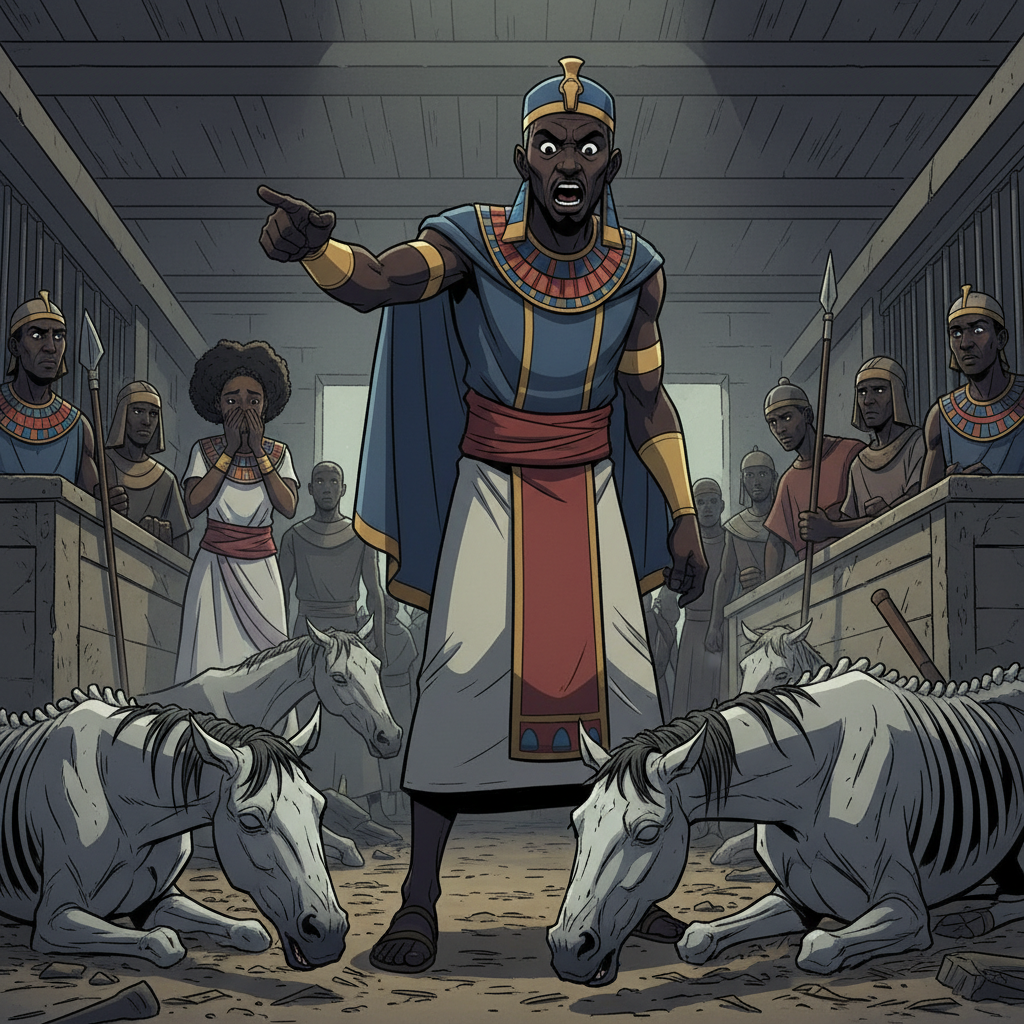
Consider the universal appeal of such a narrative. It addresses humanity's most fundamental fears: death, loss, and chaos. And it offers humanity's most profound hopes: rebirth, restoration, and ultimate justice. The Osirian Drama provides a coherent framework for understanding suffering, seeing it not as an end, but as a crucible for transformation. It teaches that through love, perseverance, and the active pursuit of justice, even the most fractured existence can be reassembled and brought to a higher state of being. This message transcends cultural boundaries, speaking directly to the human spirit's innate desire for meaning, order, and eternal hope.
The declaration, "I am Ausar, who cometh forth from the light. I was dead, and I am alive. I was not, and now I am," is a powerful affirmation found in the Pert em Heru, the Book of Coming Forth by Day. This profound statement encapsulates the entire essence of the Osirian Drama: the triumph over non-existence, the cyclical nature of life and death, and the eternal presence of the divine. It is a declaration of eternal being, a promise of resurrection not just for Ausar, but for all who align themselves with Ma'at. This phrase has resonated through millennia, inspiring countless individuals to seek meaning beyond the ephemeral and to embrace the promise of spiritual continuity.
The influence of the Osirian Drama on the development of monotheistic religions cannot be overstated. While Judaism, Christianity, and Islam developed their unique theological tenets, the underlying structural elements of a divine figure overcoming death, the promise of an afterlife, and a system of moral accountability owe a significant debt to Kemetic thought. This does not diminish the unique contributions of these later traditions, but rather places them within a broader historical continuum, acknowledging the African wellspring from which many universal spiritual ideas flowed. It encourages us to look beyond superficial differences to recognize the shared human quest for meaning and salvation, rooted in ancient African wisdom.
Dr. Runoko Rashidi and Dr. Ivan Van Sertima have also contributed immensely to our understanding of the global spread of African civilizations and their foundational ideas. Their work, alongside that of Diop, Obenga, Carruthers, and Hilliard, forms a powerful corrective to Eurocentric narratives that often sideline or erase the African origins of profound human achievements. The Osirian Drama stands as a towering example of such an achievement, a testament to African intellectual and spiritual genius that provided humanity with its first comprehensive framework for understanding death, resurrection, and the eternal triumph of justice over chaos. It is a legacy that we, as inheritors of this wisdom, must cherish and propagate.
In contemplating the Osirian Drama, we are not merely studying history; we are engaging with a living legacy that continues to inform our world. It teaches us about the resilience of the human spirit, the power of love, the enduring struggle for justice, and the ultimate triumph of Ma'at. It is a reminder that even in the darkest moments, hope persists, and renewal is always possible. This ancient African narrative offers profound guidance for navigating our own contemporary challenges, urging us to confront injustice (Isfet) with unwavering commitment to truth and order (Ma'at), just as Heru confronted Set, and as Aset reassembled Ausar. Its lessons are timeless, its wisdom eternal.
So, as we conclude our reflection on Ausar, Aset, and Heru, let us carry forth the profound insights gleaned today. Understand that the principles embedded in this drama—the cyclical nature of life, the inevitability of challenges, the power of love and perseverance, and the ultimate restoration of Ma'at—are not relics of a distant past. They are active forces, blueprints for personal and communal transformation. Let the Osirian Drama inspire you to embody Ma'at in your daily lives, to contribute to the reassembly of what is broken in our world, and to always affirm the sacred truth: that from death, life emerges; from chaos, order is restored; and from injustice, justice will ultimately prevail. This is the enduring promise of our African ancestors.